


English Country Pine Drawers
English country pine drawers bring honest utility and warm domestic history into a room through simple timber forms.
English Country Pine Drawers
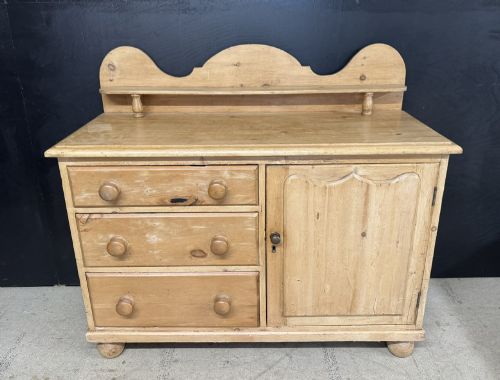
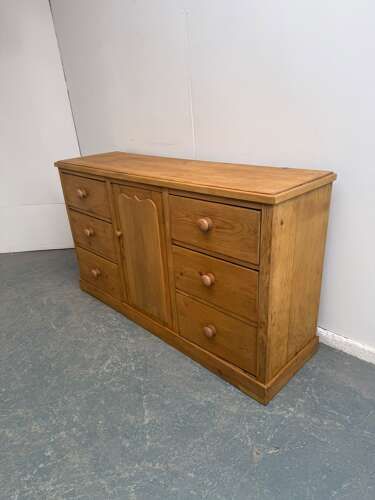
When you search for english country pine drawers, you encounter sturdy pieces built primarily for domestic storage and utility rather than formal display. The selection spans the eighteenth, nineteenth and early twentieth centuries, encompassing Georgian, Victorian and Edwardian eras.
Materials and construction
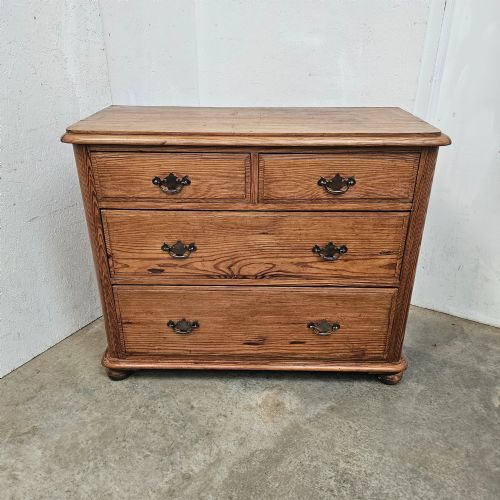
Carpenters utilised native pine and pitch pine for carcases and drawer construction, often combining solid boards with simple joints. Brass and metal fittings were commonly applied for handles and key escutcheons.
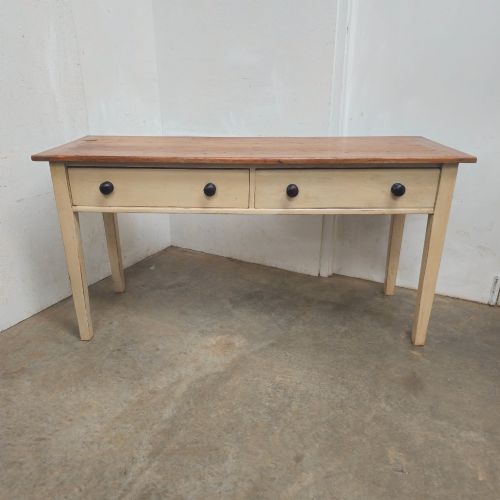
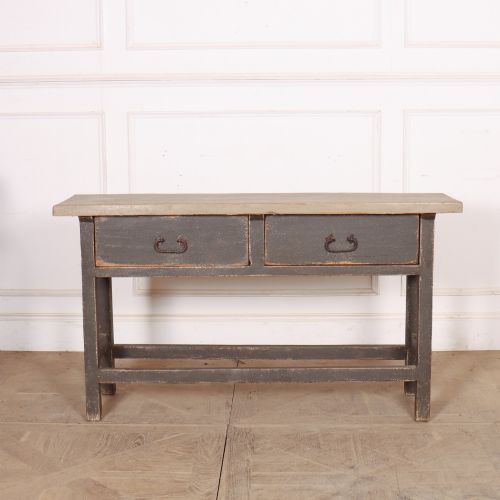
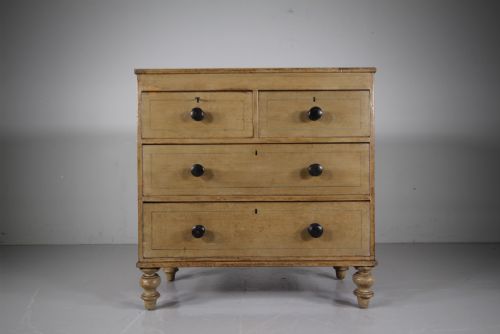
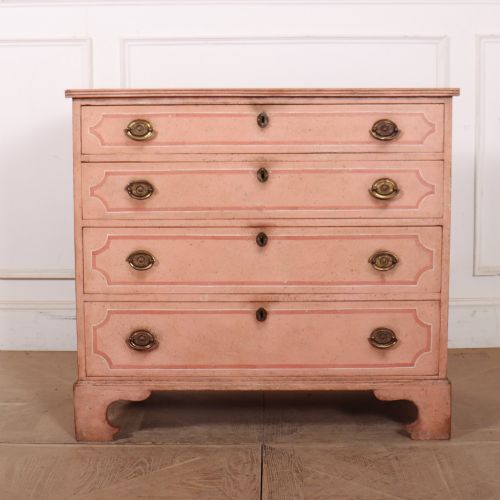
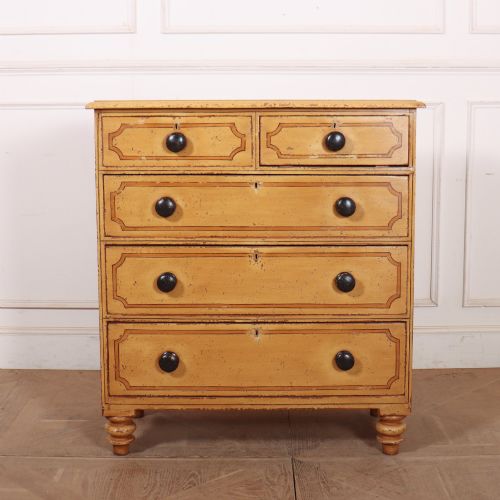
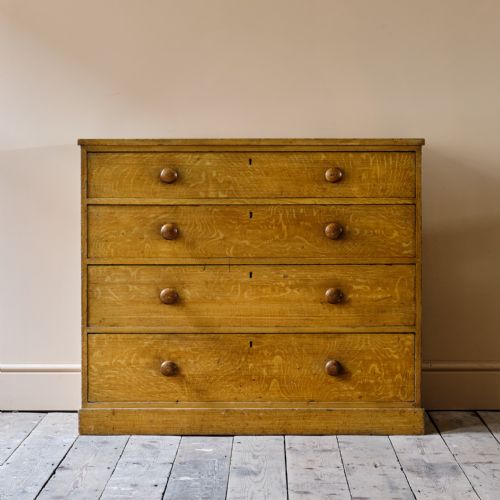
Surfaces were frequently treated with traditional wax to nourish the wood or coated with layers of paint and ceramic elements. Some later examples display simulated painted wood effects or decorative scumble finishes characteristic of country workshops.
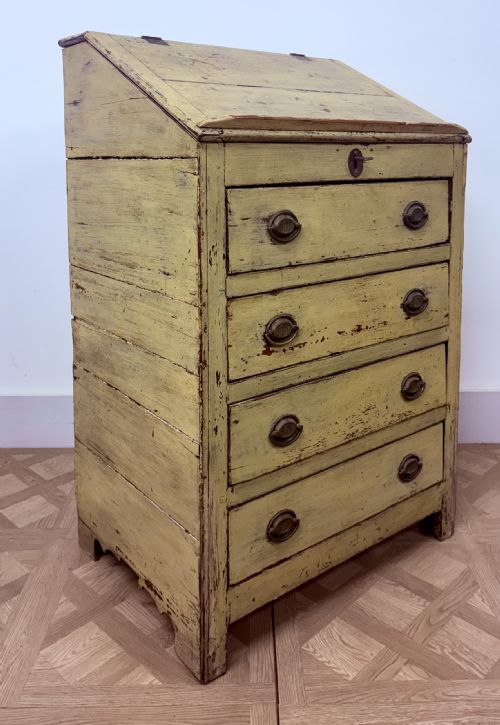
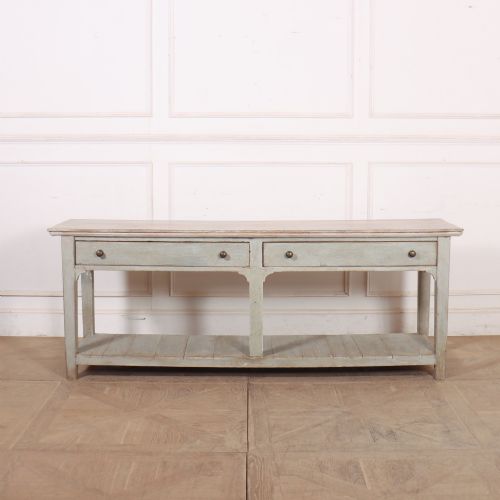
A cheerful survivor of the scullery, complete with original scumble paint ready to hide yesterday's flour dusting.
Distinguishing quality in country pine
Quality rests upon the integrity of the original construction and the survival of early surface treatments such as original paint schemes or historic waxed patination. Pieces that retain their unmolested regional character command greater interest from collectors.
Proportion and utility also dictate worth, as well-balanced chests with clean internal drawer construction and honest timber selection demonstrate superior domestic craftsmanship from their period.
The English Country Pine Drawers Glossary
- Pine
- A softwood utilised extensively in vernacular English furniture making for its accessibility and workability. It accepts both wax finishes and paint readily.
- Pitch pine
- A denser, more resinous variety of pine often selected for nineteenth-century storage pieces requiring greater durability and strength. It displays a distinctively pronounced grain pattern.
- Scumble
- A decorative painting technique involving translucent colour dragged over a base coat to imitate finer woods or create textured patterns. It appears frequently on country house furniture.
- Dresser base
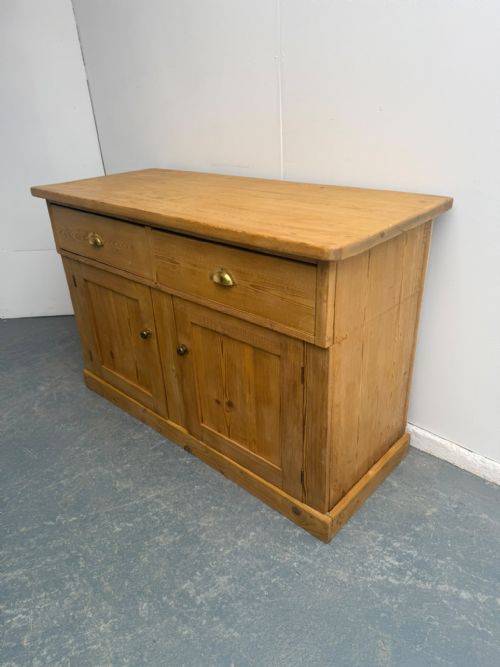
- A lower kitchen or dining room storage unit featuring drawers and sometimes cupboards or an open potboard beneath. These served as primary working surfaces in country homes.
- Potboard
- An open lower shelf built into a dresser base for storing heavy pots and culinary utensils. This functional feature distinguishes traditional vernacular utility furniture.
English Country Pine Drawers: Frequently Asked Questions
How do I date an old pine chest?
Dating relies upon examining construction methods, drawer linings, timber thickness and fixing types used in the carcase. Hand-cut dovetails and older vernacular design traits point towards eighteenth or early nineteenth-century origins.
Later Victorian and Edwardian pieces often display more standardised machine-sawn components and different interior framing. Surface treatments like original paint or early wax patination also provide strong chronological clues.
Are painted pine drawers original?
Many country pine pieces retain their original historic paint schemes, which formed a protective and decorative layer in working domestic spaces. Over time, surfaces may acquire later coats or touch-ups applied during subsequent generations of use.
Distinguishing between original paint, later decorative layers and stripped timber requires close inspection of the underlying wood and pigment oxidation. Original finishes add significant character and historical value to vernacular furniture.
Where were these pieces used?
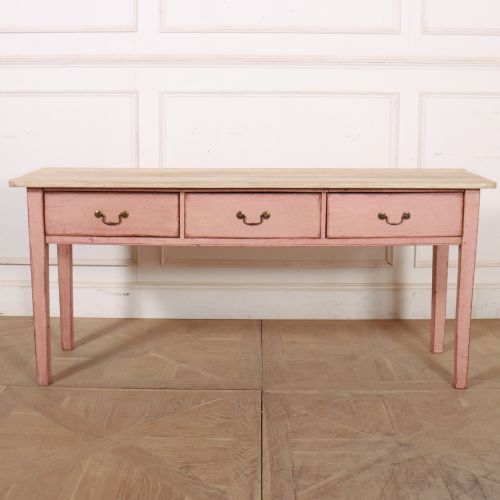
These items originated in farmhouses, country cottages and rural estate service rooms where practical storage was an everyday necessity. Chests served in bedrooms, whilst dresser bases and servers functioned in kitchens and pantries.
Their robust construction was designed to withstand heavy domestic service rather than formal drawing-room display. Today, they transition easily into modern homes as versatile storage solutions.
What is pitch pine?
Pitch pine is a harder, heavier variety of pine containing high resin content, giving the timber remarkable strength and durability. It became particularly popular during the Victorian era for utility furniture and heavy storage pieces.
The wood is easily identified by its prominent, fiery grain patterns and deep amber tones when waxed. It offers a more robust alternative to standard soft pine.