



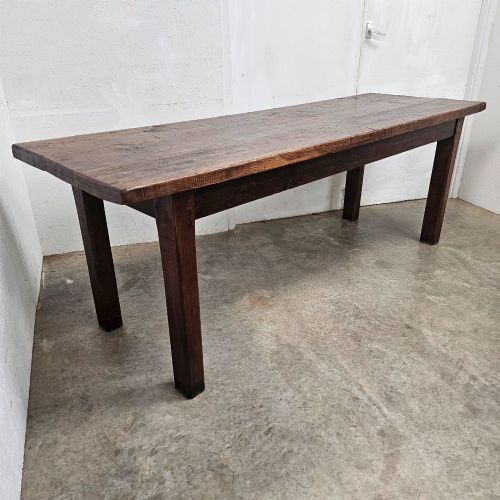


English Country Farmhouse Table
An english country farmhouse table is a sturdy domestic workhorse built for heavy daily use, combining honesty of construction with centuries of working patina.

English Country Farmhouse Table
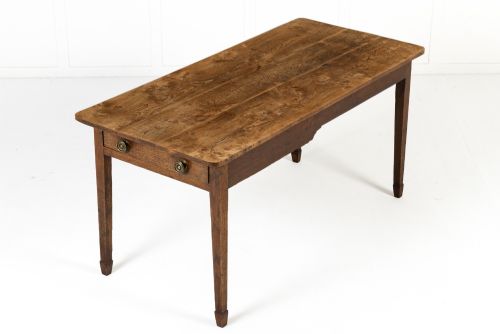
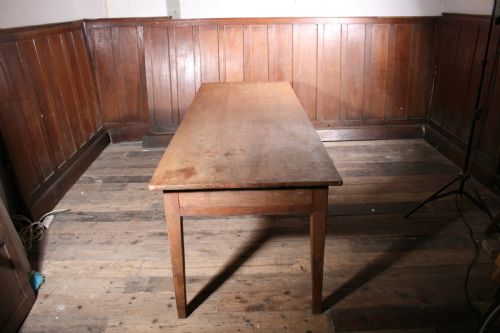
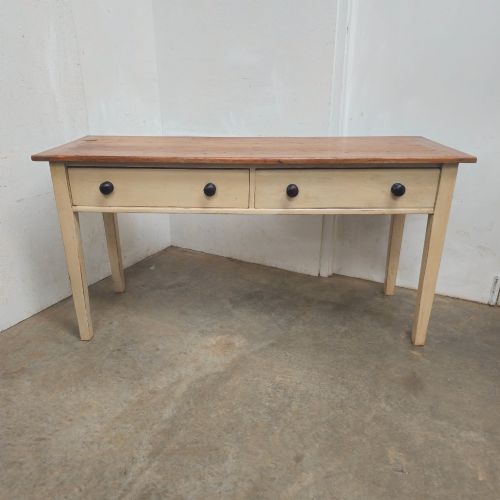
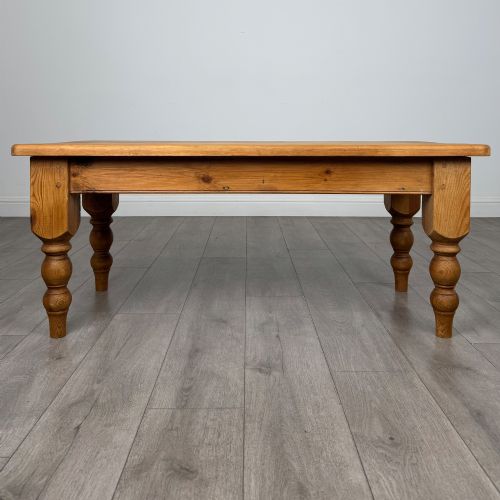
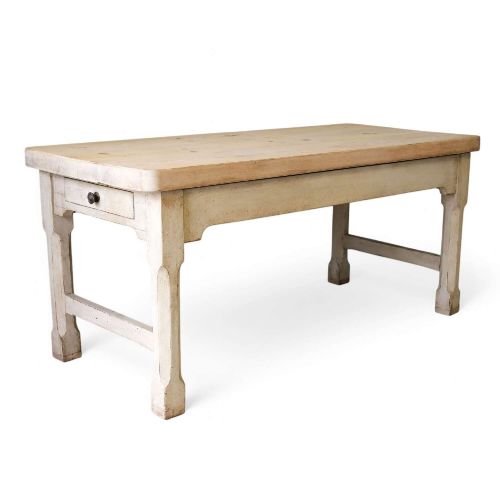
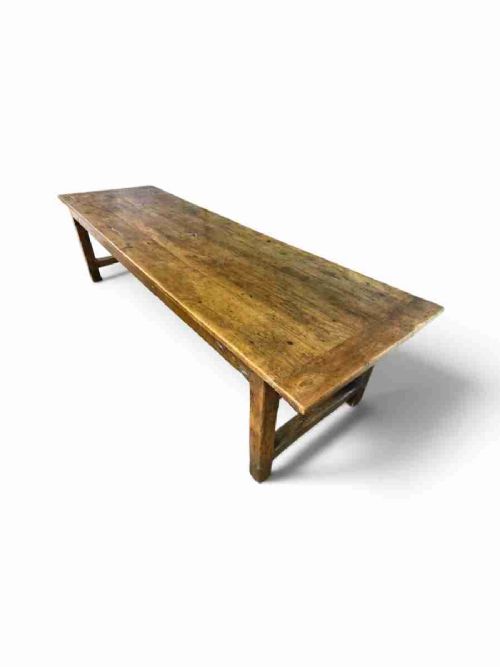
The english country farmhouse table appears in forms ranging from expansive dining and refectory boards to smaller prep, dairy, and serving tables. They emerge primarily from domestic and agricultural contexts across the eighteenth and nineteenth centuries, spanning Georgian, Victorian, and later periods.
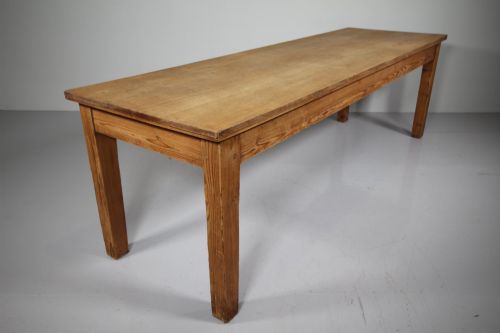
Most examples encountered here are constructed from durable timbers suited for daily family life and kitchen tasks. Buyers will find substantial oak and pitch pine boards alongside scrubbed pine and elm, reflecting the practical domestic origins of each piece.
Styles vary from rustic and country house interpretations to formal Georgian and refectory formats. These tables served as the literal centre of the household for preparation, dining, and communal gathering.
Materials and Construction
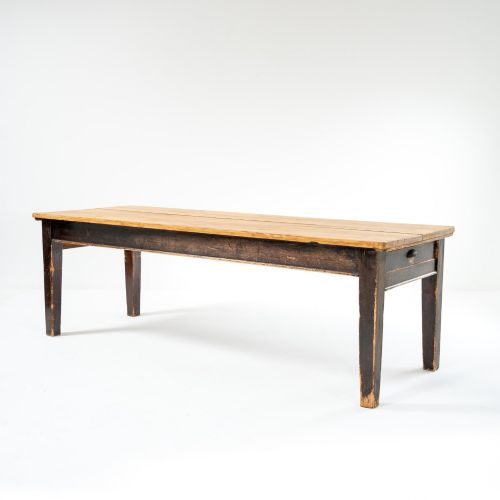
Construction relies heavily on robust native timbers such as oak, pine, elm, beech, and pitch pine, often joined with thick plank tops and sturdy framing. Selected tables incorporate painted finishes or later painted surfaces over the wood.
Makers utilised heavy planks, sometimes arranged in multi-plank configurations, secured to substantial legs in trestle, gateleg, or traditional four-leg formats. The physical joinery prioritises structural endurance over decorative flourish, ensuring the tables could withstand constant weight and movement.
English Country Farmhouse Table Retail Price Guide 2026
Typical asking prices for english country farmhouse table among the pieces listed under this phrase on Sellingantiques today, from the lower quarter to the upper quarter. They describe what is for sale here now, not the wider market.
Several boards retain flour dust in their grain from centuries past.
Assessing Quality
Quality rests in the integrity of the original timber and the depth of surface wear accumulated through decades of domestic service. Tables retaining their unblemished structural mass and honest, untouched scrubbed surfaces stand apart from lesser assembled examples.
Proportion and timber selection drive value, particularly where wider single planks form the top or where dense oak and figured woods remain intact. The relationship between the top boards and the supporting frame dictates the overall balance of the piece.
The English Country Farmhouse Table Glossary
- Refectory table
- A long, narrow dining table traditionally used for communal meals. These pieces often feature stretcher bases for added stability.
- Prep table
- A utilitarian work table designed for kitchen food preparation. They frequently display scarred, scrubbed wooden surfaces from daily chopping and scrubbing.
- Potboard
- A lower shelf fitted beneath a serving or side table for storing pots and kitchen utensils. This structural addition provides both rigidity and extra storage.
- Plank top
- A table surface constructed from parallel boards joined together rather than a single sheet. The thickness and number of these boards often indicate the age and grade of the table.
- Trestle table
- A table supported by two or more upright frames connected by a horizontal beam. This design maximises legroom along the length of the table.
English Country Farmhouse Table: Frequently Asked Questions
How do I clean an old pine table?
Wash the surface gently using warm water and mild soap on a damp cloth, avoiding harsh chemical cleaners that strip the finish.
Dry the timber thoroughly afterwards to prevent moisture damage and maintain the natural patina.
Are these tables suitable for daily dining?
These pieces were originally built for heavy daily use in kitchens and dining rooms, making them inherently robust.
Their sturdy construction easily accommodates modern family life as long as you use coasters and placemats to protect the historic wood.
What is the difference between oak and pine?
Oak is a dense, hard hardwood that offers exceptional durability and a darker, figured grain over centuries.
Pine is a softer softwood that tends to take on a lighter, scrubbed appearance with a softer texture from wear.
How can I date an antique table?
Examine the construction methods underneath, looking at tool marks, joinery styles, and the type of fasteners used.
Compare the timber shrinkage, edge wear, and overall proportions against known period examples from the eighteenth and nineteenth centuries.