





English Country Dining Furniture
English country dining furniture brings honest timber and local craft straight to the heart of the home.
English Country Dining Furniture
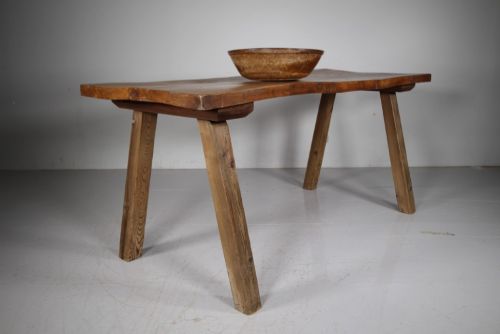
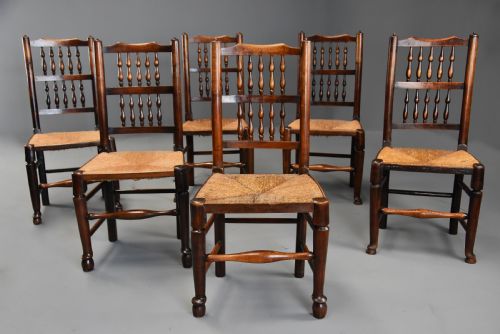
When you search for english country dining furniture, you encounter sturdy tables, spindleback chairs, and benches shaped by regional vernacular traditions. These pieces span from the seventeenth century through the Georgian era and into the nineteenth century, reflecting domestic life outside urban centres.
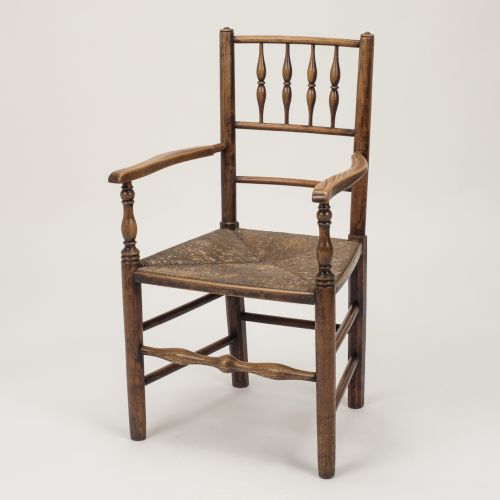
The selection on this page relies heavily on utilitarian forms made from domestic hardwoods. Elm, oak, ash, and yew dominate the seating and tables, often paired with rush seating or simple timber planks rather than elaborate upholstery.
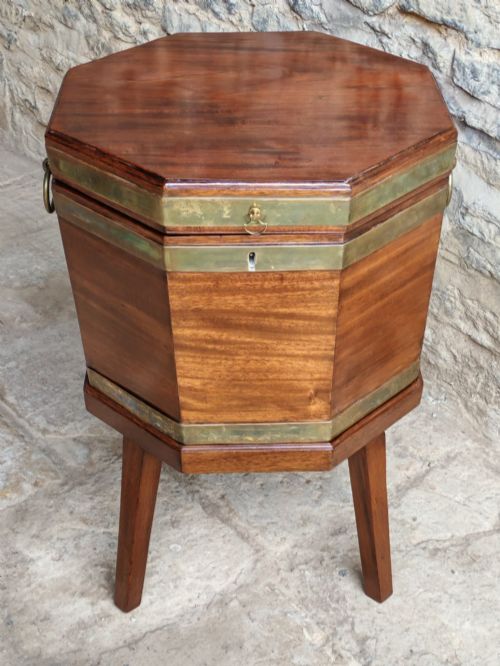
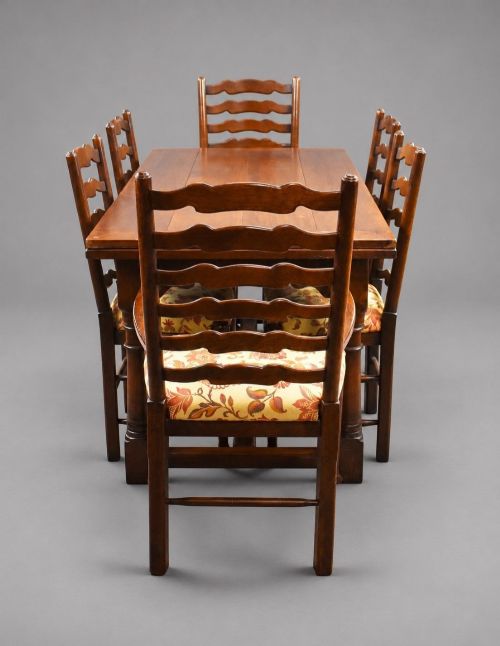
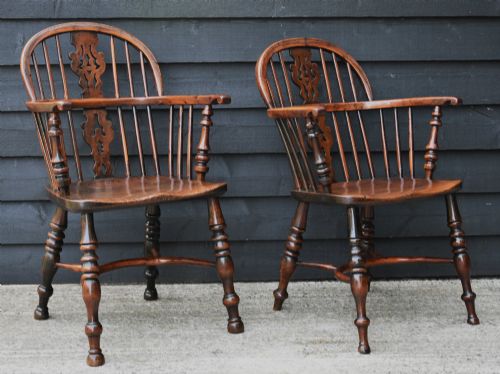
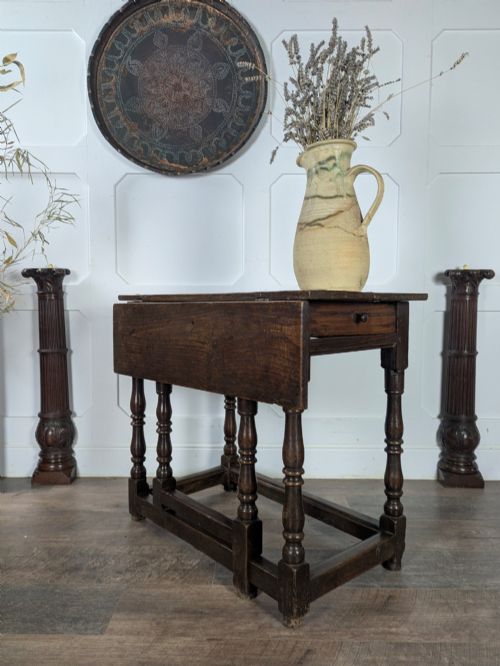
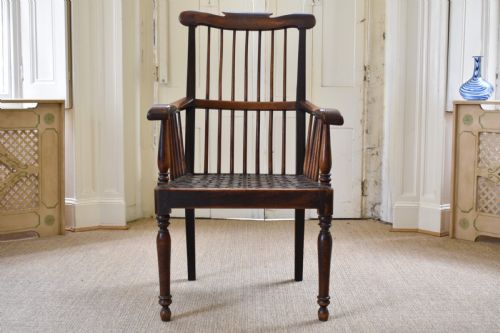
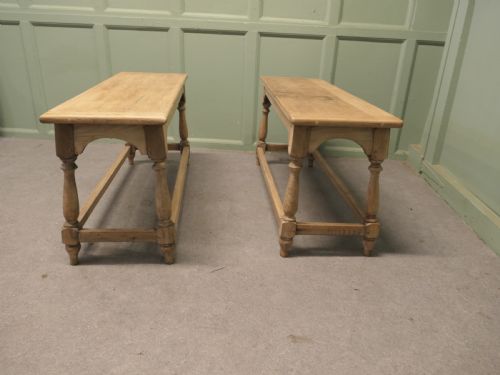
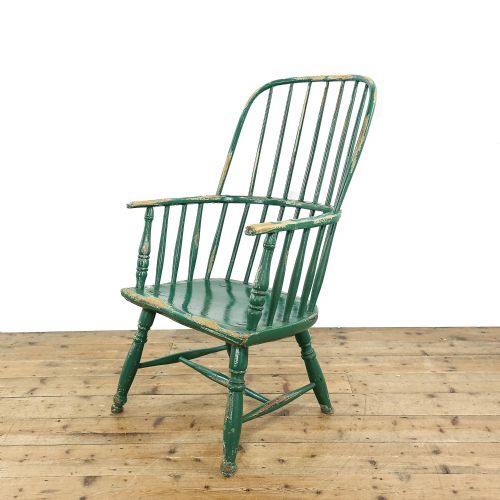
Dining sets, gateleg tables, and Windsor armchairs form the core of what appears here. Each item carries the marks of daily use and local workshop production, distinguishing them from formal metropolitan cabinet work.
Materials and Construction
Makers utilised solid native timbers, frequently combining woods within a single piece to harness their individual properties. Elm provided tough, split-resistant seats for chairs, while ash and yew supplied the flexible spindles and bentwood bows for Windsor arms.
Joinery methods prioritized practical strength through pegged mortise and tenon joints in tables and benches. Turned components appeared on legs and stretchers, executed on simple pole lathes by local bodgers and village carpenters.
English Country Dining Furniture Retail Price Guide 2026
Typical asking prices for english country dining furniture among the pieces listed under this phrase on Sellingantiques today, from the lower quarter to the upper quarter. They describe what is for sale here now, not the wider market.
Bishopthorpe Palace once housed an eighteenth-century oak bench now found among these country listings.
Assessing Quality and Character
The distinction between ordinary and exceptional pieces lies in the harmony of proportions and the retention of original surface timber. Tables with well-balanced gateleg actions and chairs retaining their initial rush seats hold greater integrity than heavily altered examples.
Patina develops through generations of handling, leaving dry, warm surfaces on oak and elm. Pieces retaining their original timber colour without modern chemical stripping demonstrate higher survival quality.
The English Country Dining Furniture Glossary
- Windsor chair
- A wooden chair featuring a solid carved seat into which the legs and back spindles are directly wedged. The vernacular design evolved distinct regional variations such as wheelbacks and comb-backs.
- Gateleg table
- A drop-leaf table where hinged legs swing outward to support the raised leaves. This form maximised floor space in smaller domestic rooms.
- Vernacular
- Objects designed by local tradesmen to meet functional needs rather than following strict academic architectural rules. The style reflects regional material availability and traditional techniques.
- Rush seat
- A woven seating surface made from dried marsh rushes twisted into cords. Traditional country chairs frequently utilised this lightweight yet durable material.
- Spindle back
- A chair back constructed from a series of turned wooden rods fitted between a top rail and the seat. This construction method offered lightweight strength for everyday seating.
English Country Dining Furniture: Frequently Asked Questions
What is english country dining furniture?
English country dining furniture encompasses tables, chairs, and benches produced by regional makers using domestic timbers like oak, elm, and ash. These items emphasise functional utility and local construction methods over formal court styles.
They reflect the domestic traditions of rural households from the seventeenth century into the Victorian era.
How do I date an antique oak table?
Dating relies on examining construction marks, joint types, and timber characteristics. Hand-cut pegs, pegged mortise and tenon joints, and board thickness indicate earlier periods before industrial standardisation.
Surface wear patterns and timber shrinkage also provide clues to the age and origin of the piece.
Are rush seats durable for daily use?
Rush seating is surprisingly resilient if kept dry and treated with care during meals. Natural marsh grass twisted into thick cords creates a strong, flexible surface.
Occasional light conditioning helps prevent the dried material from becoming brittle over decades of use.
What woods were used in Windsor chairs?
Windsor chairs typically combined multiple native hardwoods to utilise each wood's specific mechanical properties. Elm provided a thick, crack-resistant seat slab.
Ash and yew supplied flexible material for steam-bent bows, spindles, and legs.