


English Country Captains Chairs
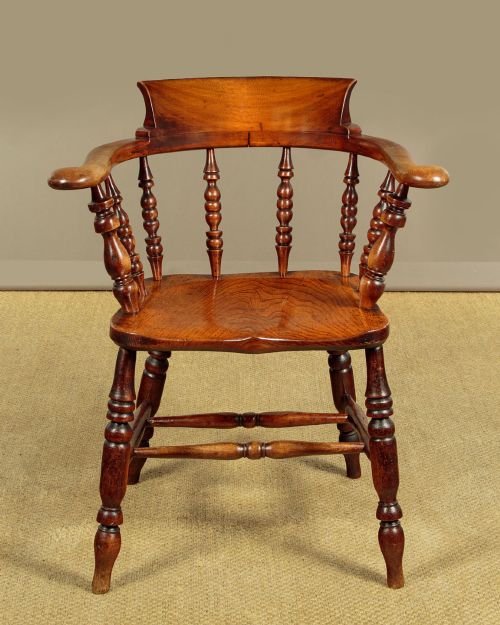
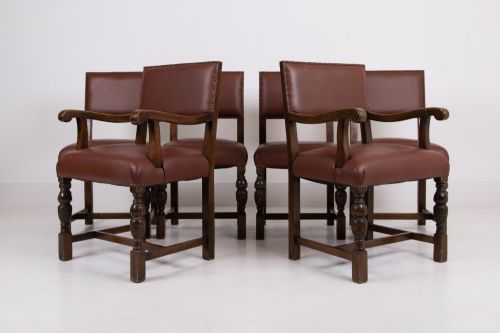
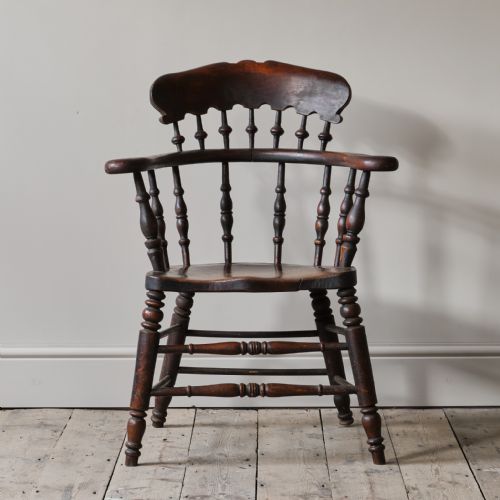
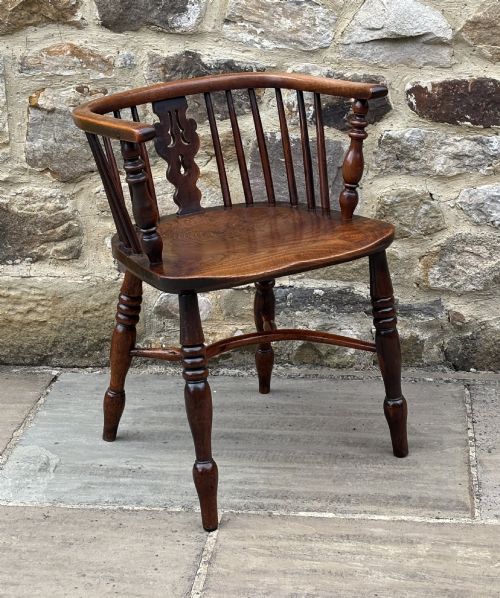
English country captains chairs are robust vernacular armchairs built for comfort and durability in domestic settings.
English Country Captains Chairs
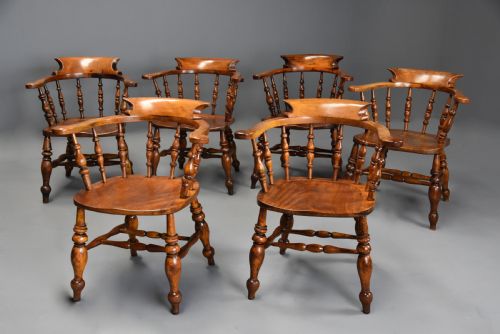
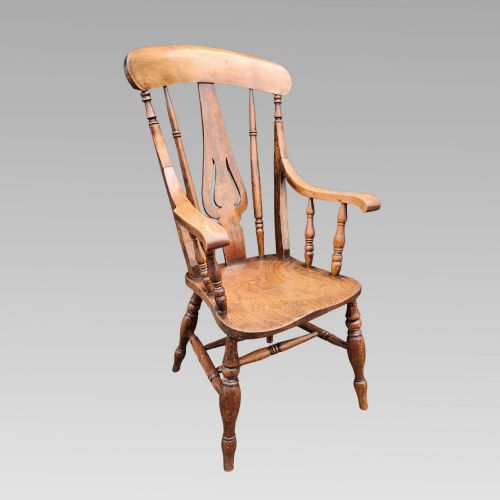
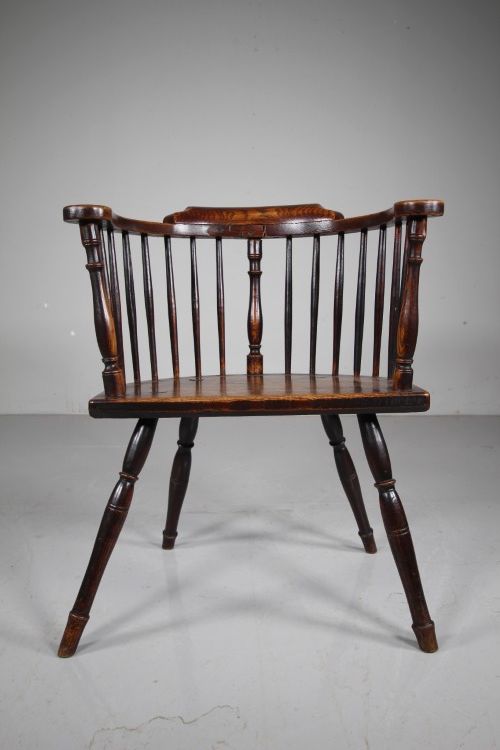
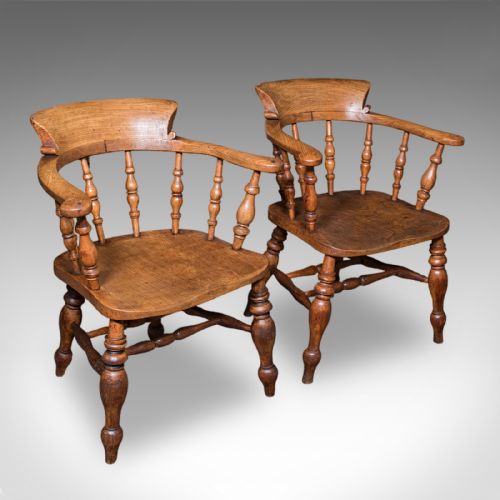
English country captains chairs encompass sturdy domestic armchairs rooted in provincial traditions and often designated as smoker's bows or low-back Windsors. The pieces appearing here span from the eighteenth century through the Victorian era and into the Edwardian period, reflecting continuous rural craftsmanship.
Most examples combine generous proportions with low backs designed to fit comfortably beneath tables or beside hearths. Buyers will frequently encounter elm seats paired with ash, beech or yew components, forming robust elbow chairs suited to everyday use.
Materials and Construction Methods
Chairmakers utilised mixed timbers to harness the specific strengths of each wood, pairing dense elm for carved saddle seats with flexible ash or beech for bentwood armbows and spindles. Yew appears in select pieces, prized for its rich grain and natural durability.
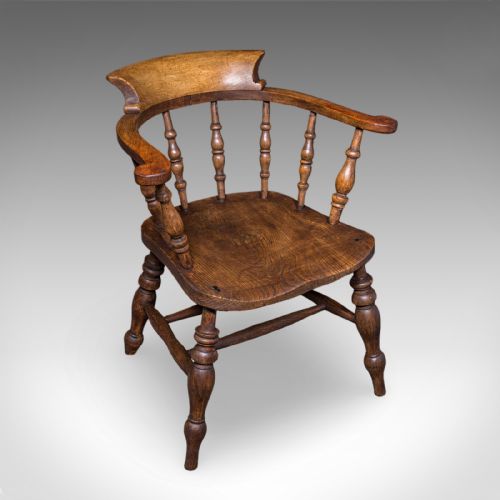
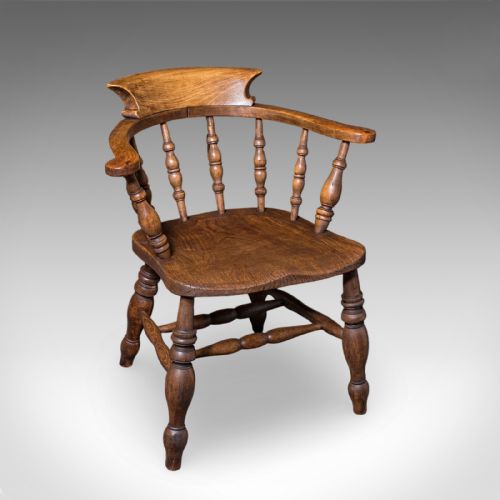
Construction relies on traditional bodging techniques where turned legs and spindle backs are wedged directly into bored holes within the solid wooden seat. This pegged and joined framework provides structural resilience without requiring heavy upholstery.
Several chairs feature exceptionally wide armrests designed to double as makeshift writing desks for nineteenth-century captains of industry.
Distinctions in Quality
Quality rests primarily in the selection and figuration of the timber, particularly where highly grained yew or deeply figured elm seats are employed. Well-balanced proportions in the continuous armbow and crisp turning on the spindle legs distinguish superior examples.
The integrity of the original construction, including tight joints and minimal replacement parts, separates standard provincial seating from finer vernacular work. Maker stamps or signatures add notable provenance to specific regional pieces.
Fred Walker
The English Country Captains Chairs Glossary
- Smoker's bow
- A low-backed Windsor armchair featuring a rounded wooden backrest and a solid saddle seat, commonly associated with nineteenth-century country pubs and parlours.
- Windsor chair
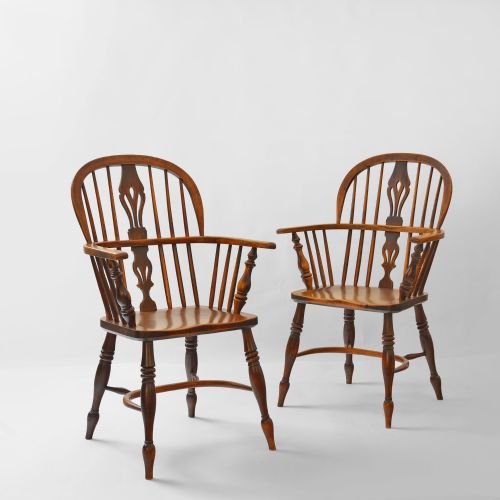
- A chair constructed with a solid wooden seat into which the legs and back spindles are separately inserted, typically utilising steam-bent wood for the upper frame.
- Broad arm
- An expanded flat wooden armrest designed for writing or resting, frequently found on nineteenth-century captain's chairs and smoker's bows.
- Vernacular furniture
- Domestic objects made by regional craftsmen using local materials and traditional methods rather than adhering to formal high-style metropolitan designs.
English Country Captains Chairs: Frequently Asked Questions
What defines english country captains chairs?
English country captains chairs are traditional wooden armchairs characterised by low curved backs, thick saddle seats and sturdy spindle construction. They evolved primarily in rural workshops during the eighteenth and nineteenth centuries.
These pieces served functional roles in homes, farms and public houses, offering robust seating designed for practical daily use rather than formal display.
How do I identify a smoker's bow?
A smoker's bow is a specific variant of the Windsor armchair featuring a continuous bentwood rail that forms a low backrest and elbow supports. It sits atop a solid elm seat with turned legs.
They share similarities with captain's chairs, often appearing interchangeably in nineteenth-century vernacular furniture listings due to their comparable proportions and country house origins.
What woods were used to make them?
Maker workshops combined local hardwoods, most frequently pairing solid elm seats with ash or beech for the turned legs and spindle backs. Yew wood was also utilised for select chairs, offering distinctive grain patterns.
The choice of timber depended on regional availability and the specific mechanical properties required for bent components versus rigid seats.
How should I care for an antique country chair?
Maintain antique wooden chairs by keeping them away from direct heat sources and sudden temperature fluctuations that can cause timber to split. Regular dusting and occasional applications of microcrystalline wax help preserve the dry finish.
Avoid heavy liquid polishes and check structural joints periodically to ensure the wedged spindles and legs remain secure.