




Carved Yew Desk Chairs
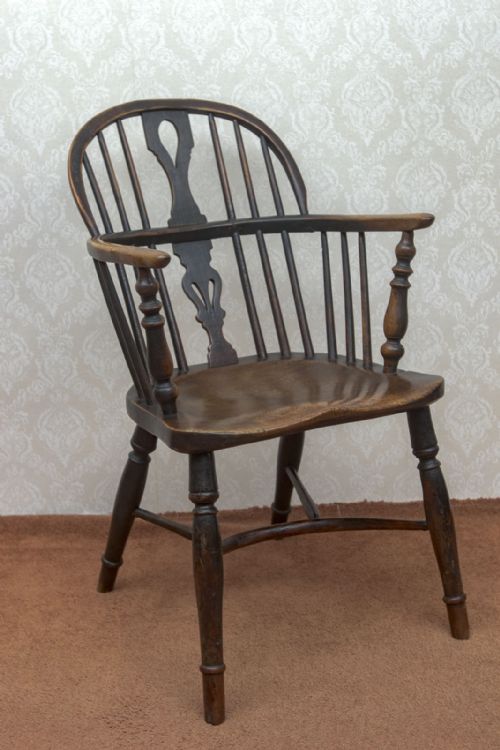
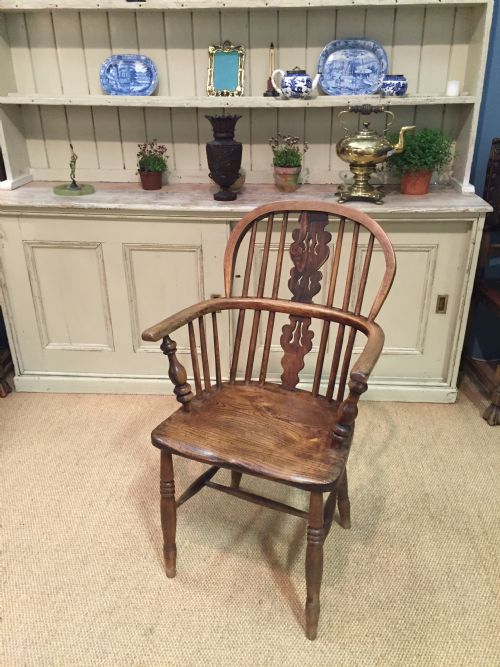
These carved yew desk chairs are sturdy vernacular seating pieces shaped by regional English makers during the nineteenth century.
Carved Yew Desk Chairs
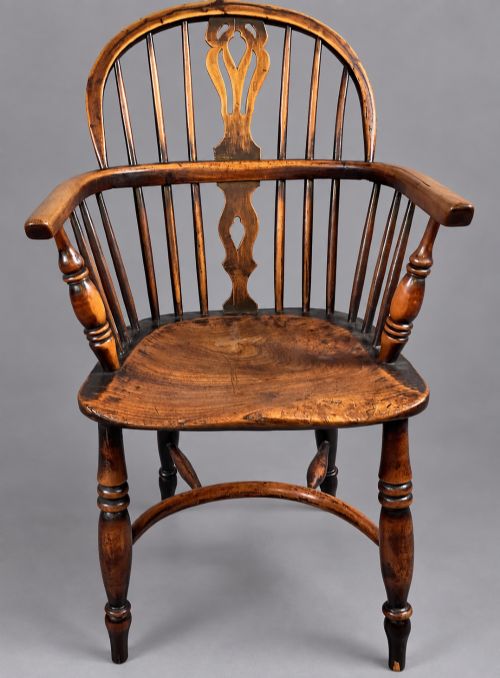
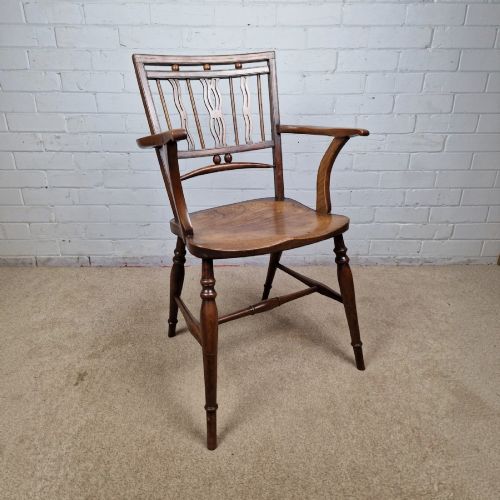
When you search for carved yew desk chairs, you are looking at nineteenth-century vernacular seating pieces that combine local woods with traditional Windsor forms. The examples you are most likely to meet on this page belong to the broader Windsor chair tradition, including captains chairs, Mendlesham chairs, and low-back styles.
These items originate primarily from regional English workshops, with specific pieces linked to the Thames Valley. They serve as practical office or desk seating while displaying the distinctive grain and warm tones characteristic of yew wood.
How they were made
Maker-craftsmen constructed these chairs using a combination of yew wood for the upper spindles and arms, paired with solid elm seats for strength and stability. Additional structural support often relied on timber such as beech, ash, fruitwood, and oak for legs and stretchers.
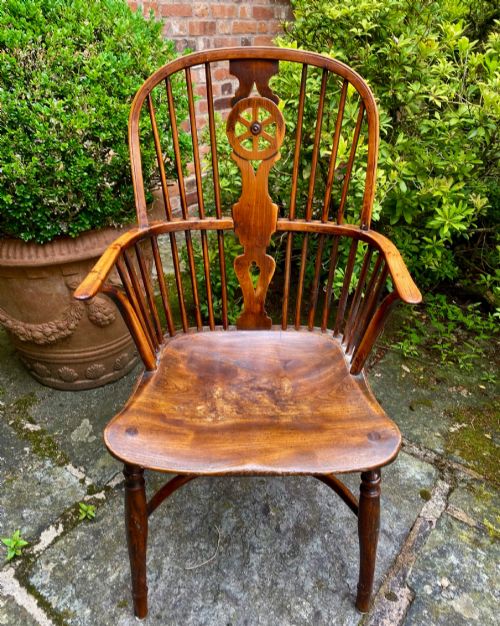
Regional turners and cabinetmakers shaped the components using traditional Windsor construction techniques, incorporating steam-bent backbows, sculpted seats, and wheel-back details without relying on metal fasteners.
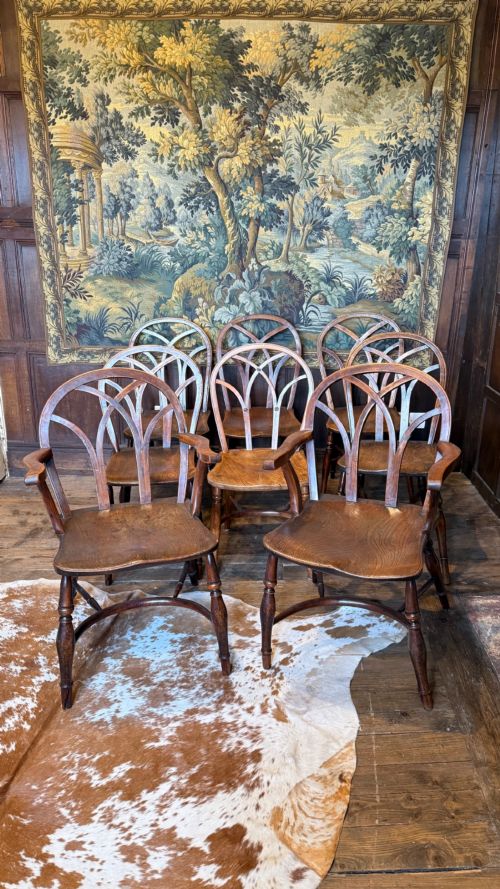
Current listings feature nineteenth-century examples combining yew wood and elm seats within English country and Gothic Revival styles.
What varies in quality
The distinction between standard examples and top-tier pieces rests on the richness of the timber selection and the complexity of the turning work. Chairs featuring deeply figured yew wood grain and broad, well-sculpted armrests command greater attention from collectors.
Proportion and regional form also influence the standing of a piece, where balanced spindle arrangements and pronounced wheel-back motifs elevate the visual weight and presence of the chair.
The Carved Yew Desk Chairs Glossary
- Windsor chair
- A chair built with a solid wooden seat into which the legs and back-spindles are inserted directly. This traditional construction method provides sturdy support and defines the vernacular style.
- Captains chair
- A low-backed armchair featuring a continuous curved arm-rail supported by multiple spindles. This form offers compact support suitable for desk use.
- Mendlesham chair
- A distinct regional armchair originating from Suffolk, typically featuring a solid splat and precise decorative carving. It represents a refined branch of English country furniture.
- Wheel-back
- A Windsor chair back design incorporating a pierced wooden splat shaped like the hub and spokes of a carriage wheel. This decorative motif gained popularity during the nineteenth century.
- Vernacular furniture
- Objects made by local craftsmen for everyday use, following traditional regional designs rather than academic architectural patterns. These pieces reflect local timber availability and practical utility.
Carved Yew Desk Chairs: Frequently Asked Questions
Are these chairs comfortable for daily desk work?
These pieces were designed for practical everyday use by nineteenth-century writers and administrators. The scooped wooden seats and supportive curved armrails offer a firm seating position.
While they lack modern padding, their ergonomic vernacular shapes provide solid support for working at a writing table.
How do I identify a Thames Valley chair?
Thames Valley pieces often display refined turning on the legs and stretchers combined with generous proportions in the seat and armbow. Local craftsmen in this region utilised high-grade yew and elm.
Look for crisp detail in the spindle work and a balanced relationship between the arched back and the saddle seat.
How do I care for antique yew furniture?
Keep these items away from direct heat sources and strong sunlight to prevent the timber from drying out or splitting. Natural waxes applied sparingly will maintain the lustre of the wood.
Routine dusting with a soft dry cloth is sufficient to preserve the surface finish built up over generations.