
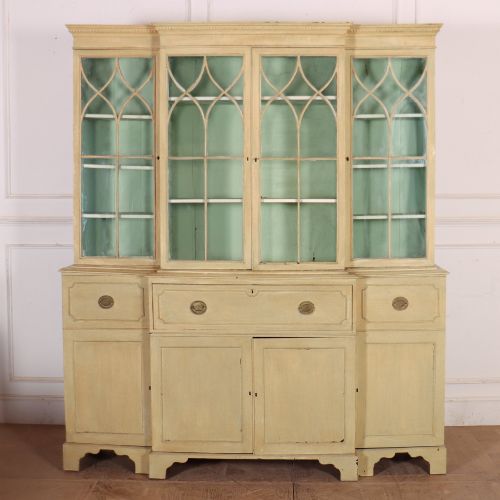
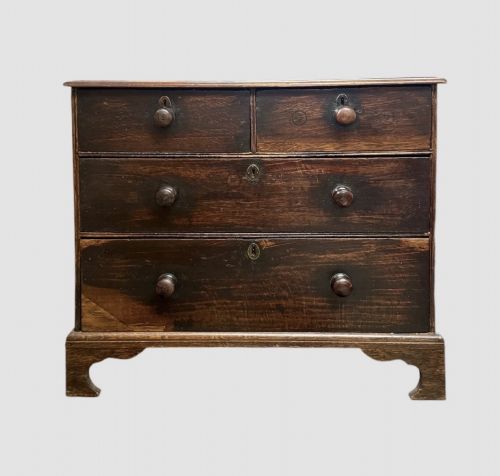


English Country Bureau
An english country bureau offers honest writing space and storage, built from solid timbers by regional makers who prioritised function over ornament.
English Country Bureau
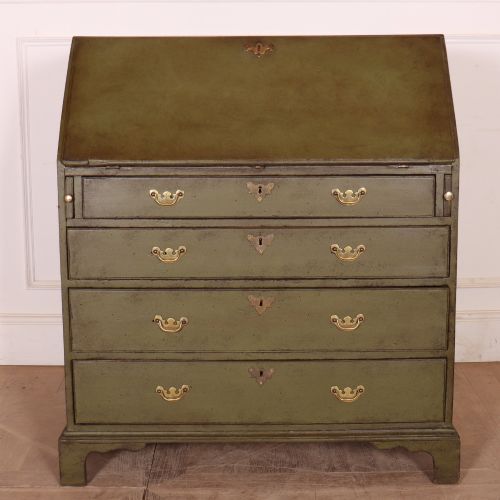
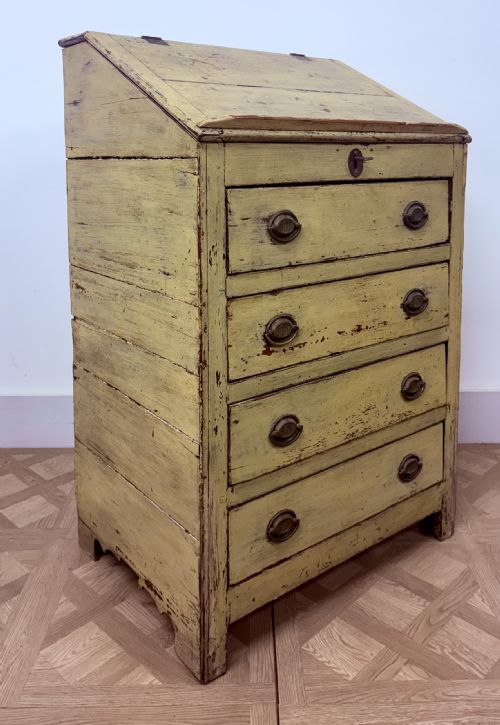
An english country bureau combines a sloping writing flap with internal compartments above drawers, serving as a practical workstation for a modest household. The forms seen here range from early oak examples to later painted timber and mahogany pieces.
Buyers searching for an english country bureau will also encounter related regional furniture such as chests of drawers with writing slopes, secretaire bookcases and bureau bookcases. These pieces reflect the domestic needs of eighteenth and nineteenth century provincial life.
The regional character shows in simpler lines and sturdier proportions than metropolitan London pieces, often utilising local woods that were readily available to country cabinet makers.
Materials and construction
Makers built these pieces primarily using oak, pine and mahogany, selecting timber for strength and local availability. Solid construction methods ensure these items survive in daily use.
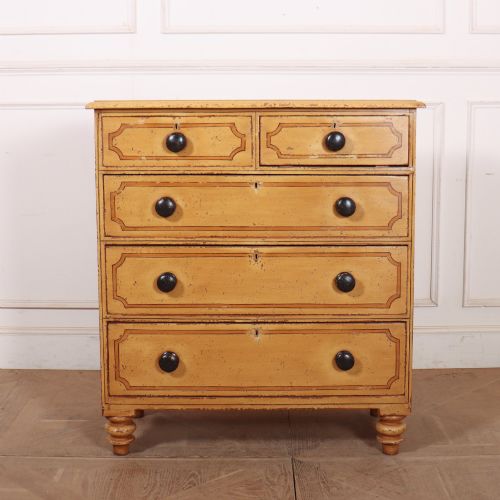
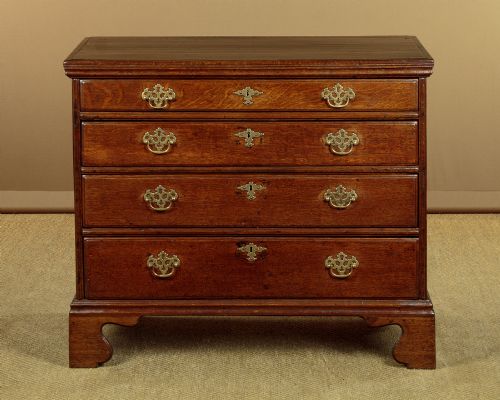
Surface treatments vary from polished natural grain to painted wood finishes, whilst brass hardware secures drawers and interior fittings. Regional workshops relied on traditional joinery rather than mass production.
Listings for this phrase feature pieces spanning from the seventeenth century through the Victorian era, constructed in oak, pine, mahogany and painted timber.
Evaluating craftsmanship
Quality rests on the selection of timber and the integrity of the interior pigeonholes and small drawers hidden behind the sloping flap. Superior examples retain their original brass handles, feet and backboards without excessive replacement.
The distinction between standard utility items and finer pieces lies in the crispness of the drawer dovetails and the balance of proportions. Regional variations in painted finishes also dictate the desirability of the piece.
The English Country Bureau Glossary
- Bureau
- A writing cabinet featuring a sloping lid that opens to reveal a fitted interior of small drawers and pigeonholes. It typically sits atop a chest of drawers.
- Secretaire
- A piece of furniture containing a drawer or compartment that pulls out to form a writing desk. It often mimics the appearance of a standard chest of drawers.
- Pigeonhole
- A small, open compartment inside a bureau used for sorting letters and papers. These compartments are often concealed behind the main writing flap.
- Dovetail
- A joint formed by interlocking wedge-shaped fingers, used to join drawer corners with high tensile strength. This joint is a key indicator of hand construction.
- Gallery back
- A raised wooden or brass rail along the top surface of a chest of drawers or desk. It prevents items from sliding off the back.
English Country Bureau: Frequently Asked Questions
What is the difference between a bureau and a chest of drawers?
A bureau includes a sloping writing flap that opens down to provide a surface for writing, alongside internal compartments for papers. A chest of drawers serves strictly for garment storage with a flat top surface.
Many pieces bridge this distinction by incorporating writing slopes into standard chest formats, reflecting the versatile needs of historical country homes.
How do I care for an old wooden bureau?
Keep the wood away from direct heat sources and sudden temperature shifts to prevent timber splitting or warping. Apply traditional beeswaxes occasionally to nourish the surface.
Avoid synthetic polishes that build up residue over time, and lift the piece entirely rather than dragging it when moving rooms.
Where were these pieces originally made?
Country furniture was produced in provincial workshops across England by local joiners and cabinet makers. These artisans served rural communities rather than aristocratic urban clientele.
Consequently, the design choices reflect regional preferences and the specific types of timber accessible in the surrounding landscape.
How can I date an oak bureau?
Dating relies on examining construction techniques, such as hand-cut dovetails, tool marks left by saws and the type of secondary wood used inside drawers. Earlier pieces often display pegged oak framing and simpler interior layouts.
Hardware styles and the wear patterns around keyholes and drawer pulls also offer clues to the era of manufacture.