


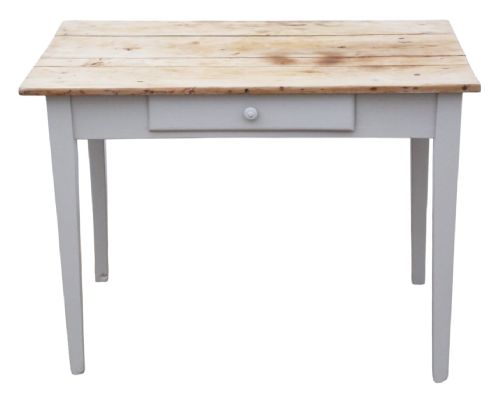
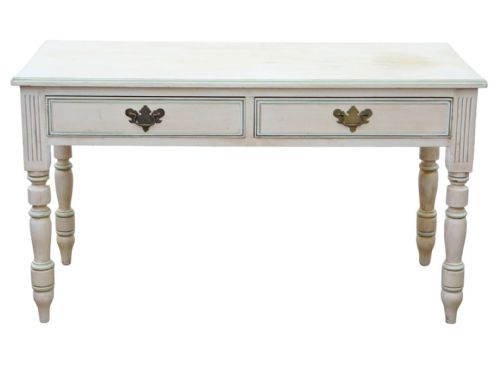


Painted Pine Desk
A painted pine desk brings everyday utility together with surface character, offering robust utility wrapped in regional colour.
Painted Pine Desk
A painted pine desk combines softwood construction with applied pigment, meeting the demand for functional writing surfaces in domestic spaces. These pieces emerge predominantly from Victorian and Georgian periods, alongside various nineteenth-century continental traditions.
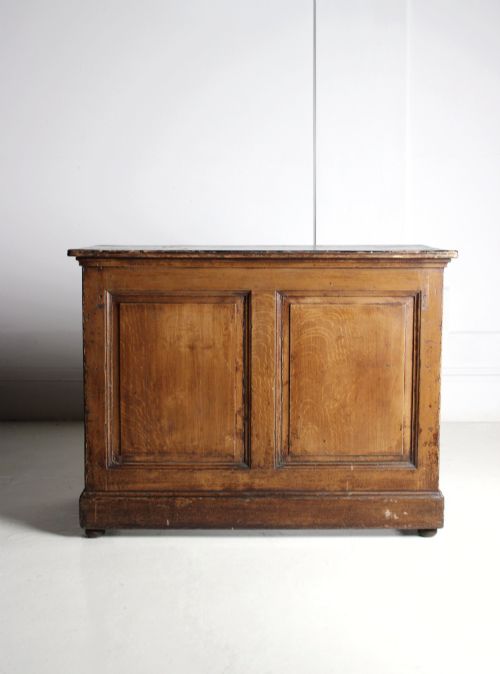
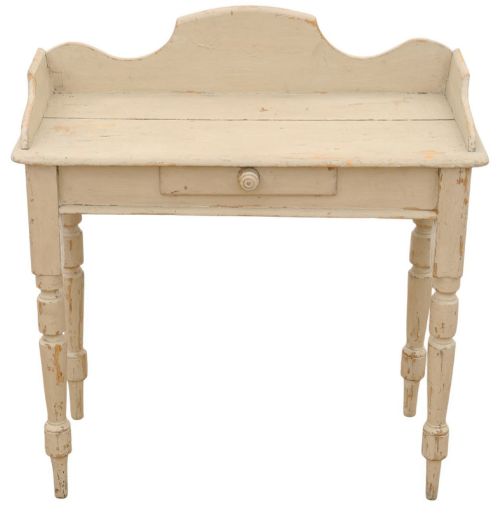
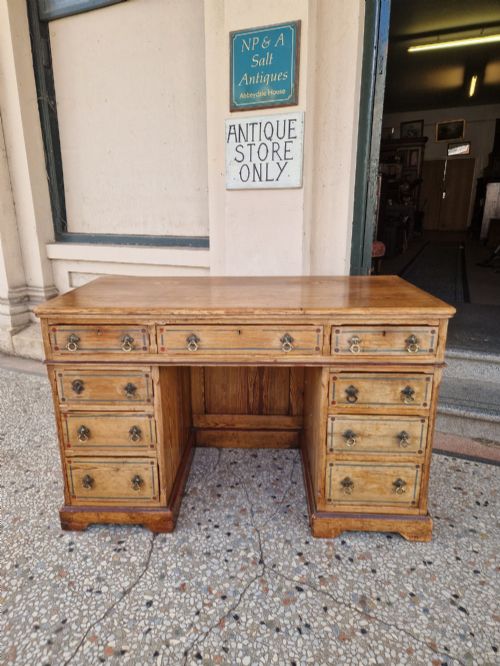
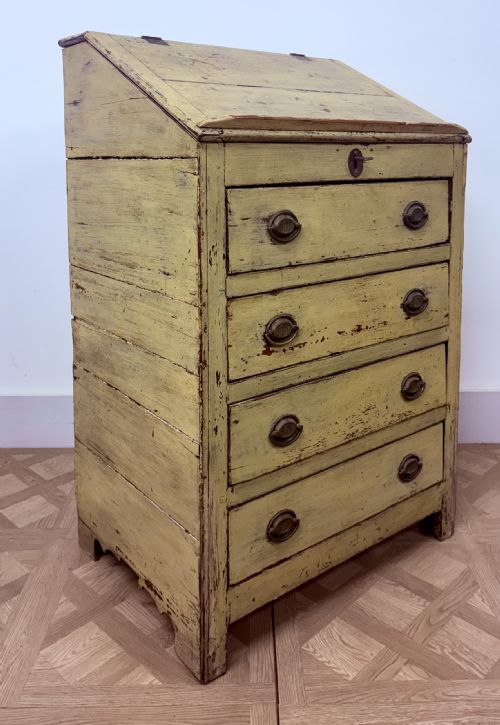
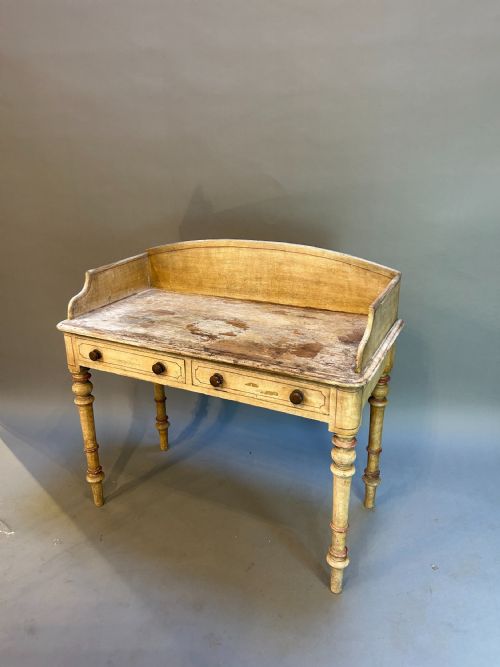
Buyers seeking a painted pine desk encounter forms ranging from simple side tables adapted for writing to substantial kneehole desks and bureau bookcases. The nineteenth century supplies the largest share of surviving examples, often bearing traces of original or subsequent coats of paint.
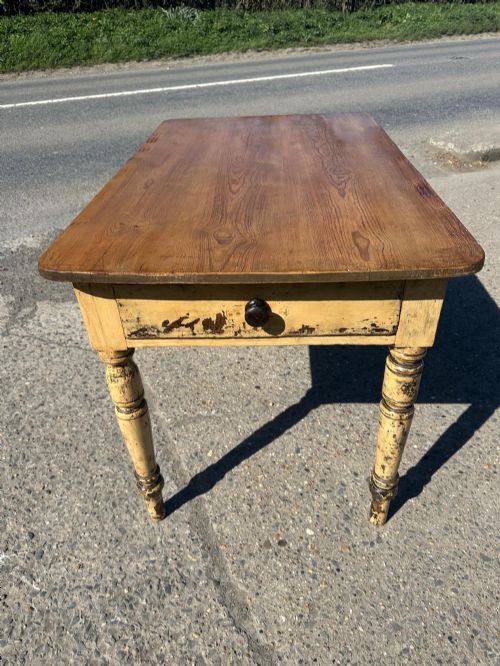
Regional styles dictate the appearance, with English country workshops, Scandinavian traditions, and occasional French variants shaping the proportions and hardware. Surfaces shift between distressed kitchen tables utilised for correspondence and dedicated clerks' desks fitted with interior pigeonholes.
What varies in quality
The integrity of the painted surface separates pieces retaining original coats from those subject to later stripping or modern repainting. Original pigment layers show natural craquelure and wear patterns that reveal the age of the timber underneath.
Joinery execution distinguishes provincial vernacular items from finer cabinetwork, visible in the snugness of drawer linings and the stability of leg attachments. Proportions and the presence of original brass or iron hardware further influence the distinction between standard utilitarian furniture and superior examples.
Several desks still carry the comforting scent of old candle wax and generations of workshop ink spills.
The Painted Pine Desk Glossary
- Bureau
- A desk with a sloping hinged lid that opens to reveal a fitted interior of small drawers and pigeonholes. These items frequently stand upon bracket feet or drawer bases.
- Escritoire
- A standing writing cabinet featuring a fall-front writing surface. This term often applies to continental pieces designed for formal correspondence.
- Kneehole desk
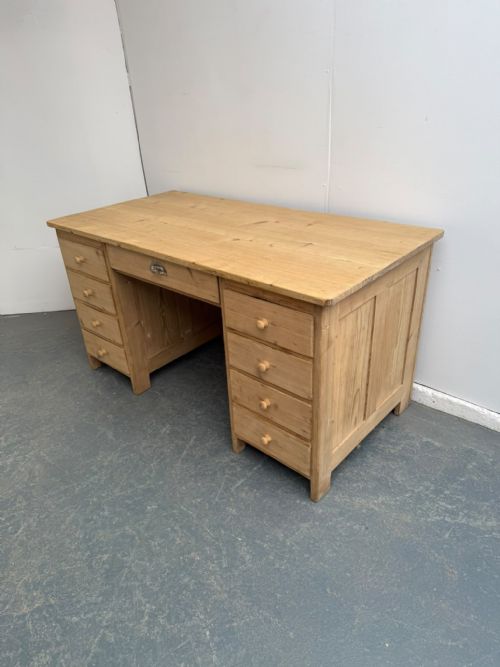
- A flat-topped writing table featuring pedestals of drawers on either side with an open recess in the centre for the sitter's legs. Georgian and Victorian examples frequently incorporate brass handles.
- Pigeonholes
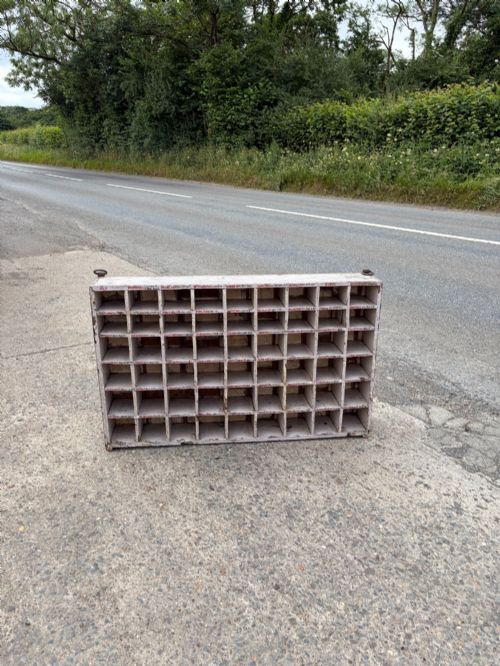
- Small, open compartments fitted inside a desk interior for sorting letters and papers. They are commonly found in nineteenth-century clerks' desks and bureau bookcases.
- Scrub-top
- A plain timber table top left unpainted and repeatedly scoured clean with water and sand. This finish is typical of kitchen and work tables.
Painted Pine Desk: Frequently Asked Questions
How do I date a painted pine desk?
Dating relies upon construction traits such as hand-cut dovetails, timber thickness, and the style of the hardware. Georgian pieces typically show finer joinery proportions, while Victorian items often offer larger formats.
Paint analysis also assists, as early mineral pigments and traditional binders age differently from modern synthetic alternatives. Examining secondary woods inside drawer linings provides additional clues regarding the period of manufacture.
Are painted pine desks sturdy enough for daily work?
Pine is a softwood that handles everyday writing and administrative tasks reliably, provided the joints remain stable. Most surviving examples have endured a century or more of active domestic use.
Protecting the surface from excessive moisture preserves both the timber and the historic paint layers. Regular checks on drawer runners and leg joints ensure long-term structural reliability.
What is the difference between an English and a Scandinavian desk?
English country pieces generally feature darker earth tones or stripped pine surfaces with simple turned legs. They reflect the domestic requirements of rural households and provincial workshops.
Scandinavian examples frequently employ brighter regional pigments, milk paints, or specific colours like Falu red. Their designs often incorporate neoclassical proportions adapted by local cabinetmakers.
How should I care for original paint finishes?
Preserving historic paint requires avoiding harsh chemical solvents, abrasive cleaners, and excessive direct sunlight. Gentle dusting with a dry microfibre cloth is sufficient for routine maintenance.
Maintaining stable room humidity prevents the softwood substrate from expanding or contracting, which minimises stress on the paint layer. Wax polishes should only be applied if the specific finish type is confirmed as compatible.