




English Country Art Print
When you search for an english country art print, you uncover framed paintings, watercolours and engravings capturing rural life, field sports and local landscapes.
English Country Art Print
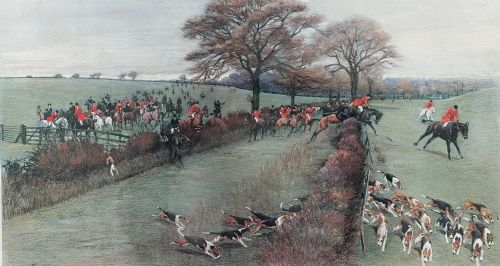
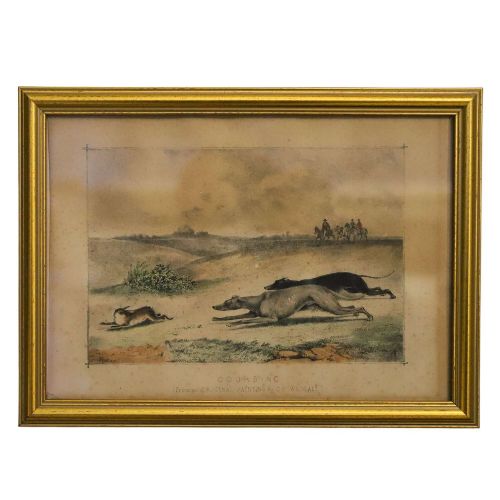
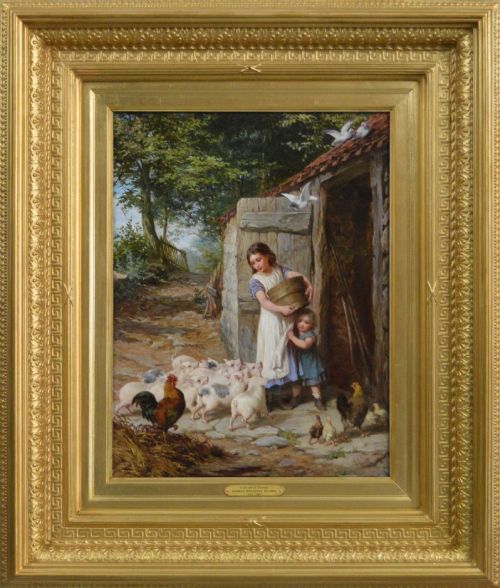
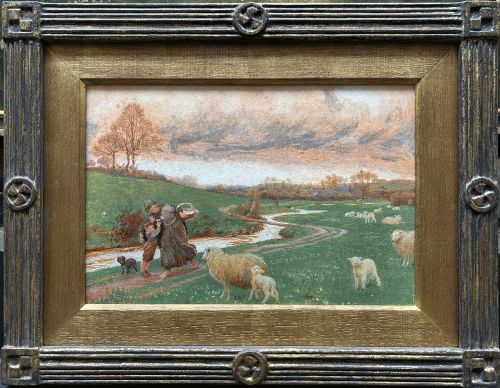
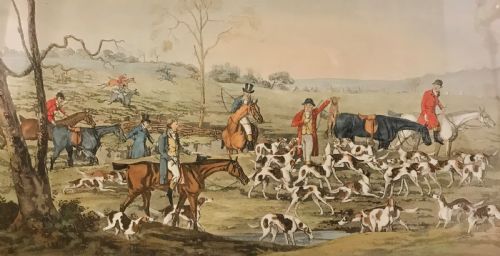
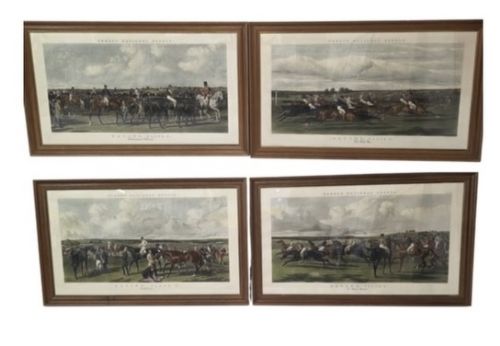
An english country art print covers wall art and framed prints depicting rural scenes, hunting subjects, agricultural life and botanical studies. These pieces document historical British pastimes, farm animals, domestic garden scenes and country houses.
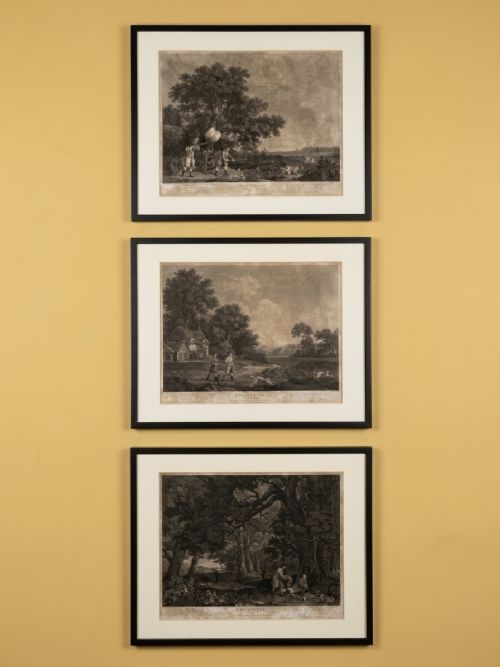
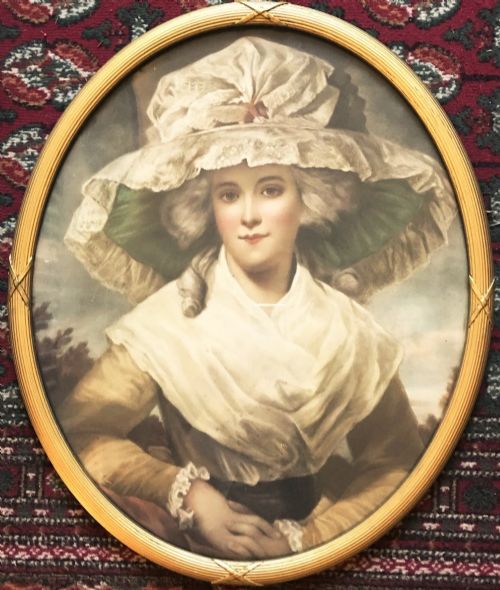
The selections available here span from the Georgian period through the Victorian era and into the early twentieth century. You will encounter hand-coloured engravings, lithographs, mezzotints, etchings alongside original oil paintings and watercolours.
Rural landscapes, sporting events and pastoral figures dominate the visual record. Domestic animals, village bridges and floral arrangements appear frequently across these framed works.
What Varies In Quality
The strength of the draughtsmanship and the clarity of the printed impression separate standard decorative items from superior works. Hand-coloured details show precision and delicate brushwork rather than hasty application.
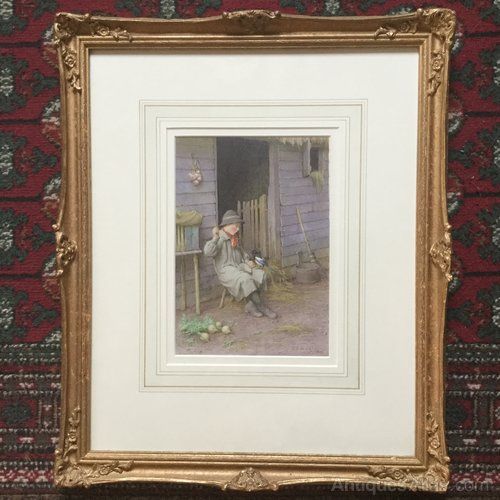
Original works on paper or canvas display tonal depth and pigment preservation over time. The quality of the original frame, whether gilt wood or simple timber moulding, adds to the integrity of the piece.
English Country Art Print Retail Price Guide 2026
Typical asking prices for english country art print among the pieces listed under this phrase on Sellingantiques today, from the lower quarter to the upper quarter. They describe what is for sale here now, not the wider market.
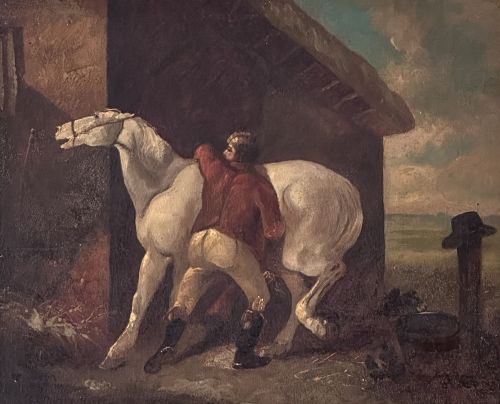
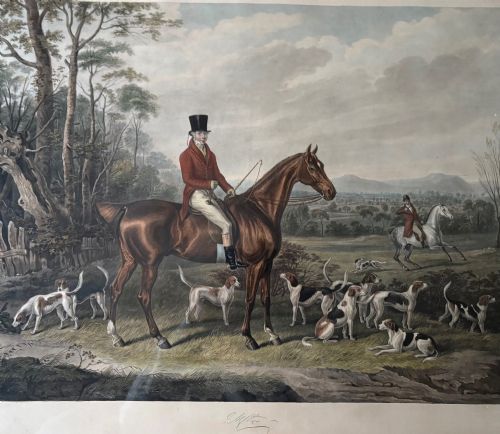
John 'Mad Jack' Mytton appears alongside equestrian scenes and floral watercolours.
George Augustus Holmes·Frederick Walker·C. H. Weigall·Robert Sayer·Charles Faulkner·John Atkinson·Joseph Kirkpatrick·Herbert Royle·Fred Lawson·Francis Calcroft Turner·Lilian Stannard·Amy Reeve-Fowkes
The English Country Art Print Glossary
- Lithography
- A planographic printing process utilising a stone or metal plate to produce multiple images. It allows for fine tonal gradations when reproducing original drawings.
- Mezzotint
- A printmaking method of the intaglio family where the copper plate is roughened to achieve rich dark tones and subtle shading. It produces velvety areas of shadow.
- Aquatint
- An intaglio printmaking technique that produces areas of tone resembling watercolour washes. It was often combined with line etching for sporting and topographical prints.
- Chrystoleum
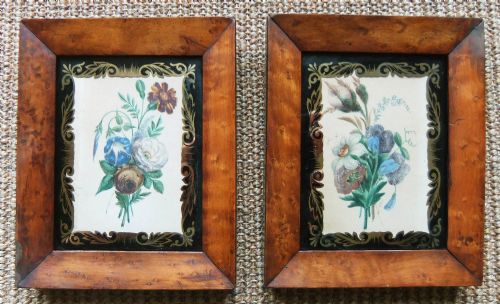
- A Victorian method of applying a hand-coloured paper print to glass, making it transparent with oil and finishing it with paint. The result creates a luminous, depth-enhanced image.
- Engraving
- A process where lines are cut directly into a metal plate with a burin. The resulting sharp lines hold the ink for printing.
English Country Art Print: Frequently Asked Questions
How are these antique prints typically framed?
Many examples retain their period timber or gilt wood frames, often glazed to protect the paper beneath.
Original framing helps preserve the work from environmental exposure and provides contextual age to the piece.
What subjects appear most often in these works?
Rural sports, horse racing, agricultural scenes and domestic cottage life form the core subjects. Botanical studies and local topographical views also feature prominently.
These themes reflect the Victorian and Georgian fascination with the English countryside and traditional rural occupations.
How do I distinguish between an original watercolour and a print?
Original watercolours and oil paintings reveal brush texture, pigment pooling and direct hand application under magnification. Prints display regular dot patterns, plate marks or flat ink layers.
Close inspection of the paper surface clarifies whether the image was mechanically reproduced or hand-drawn.
Can I date these pieces by their framing and materials?
Gilt wood styles, paper types and printing methods changed across the nineteenth and early twentieth centuries. Georgian and Victorian framing techniques differ noticeably from later Edwardian work.
Examining the backing boards, fastenings and paper watermark aids in determining the approximate production period.