





English Chippendale Chairs
English Chippendale chairs are substantial hardwood seats defining classic Georgian taste, offering enduring structural form and traditional craftsmanship.
English Chippendale Chairs
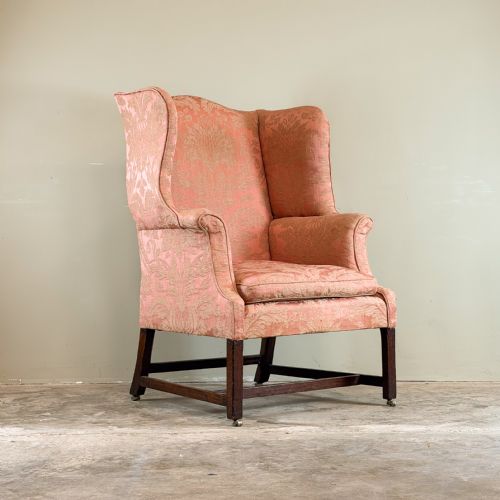
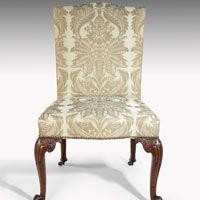
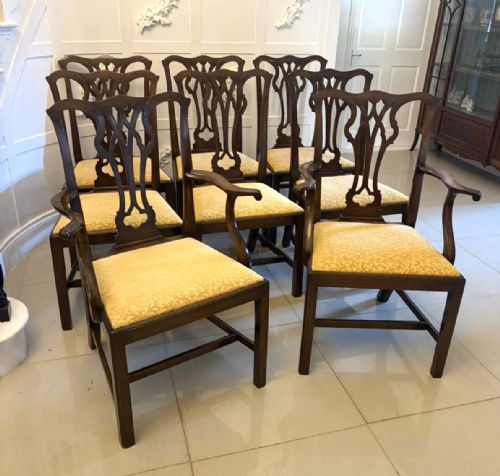
When someone searches for english chippendale chairs, they encounter a range of formal seating originating from the eighteenth century onward. These forms include dining chairs, side chairs, armchairs, and library seating.
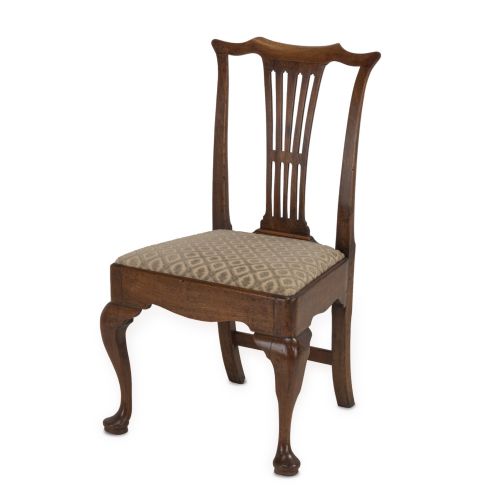
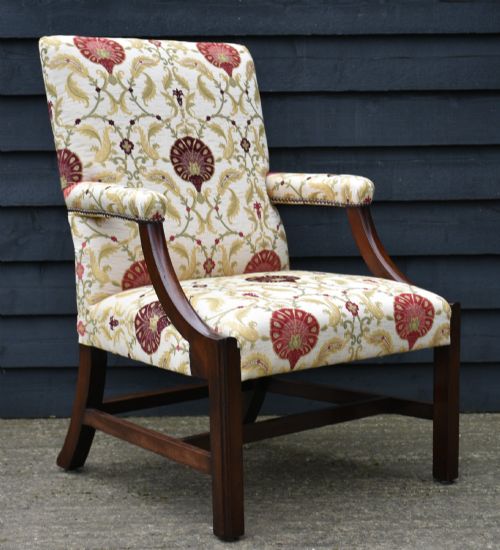
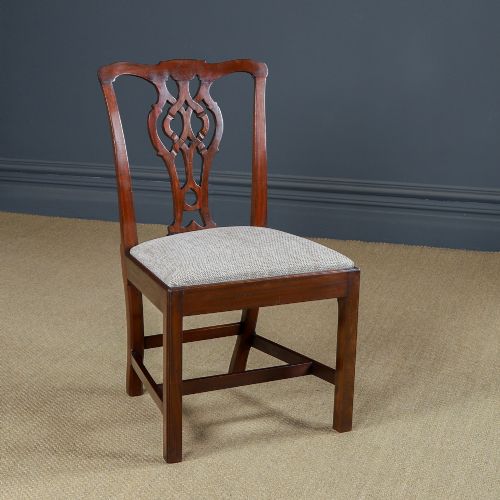
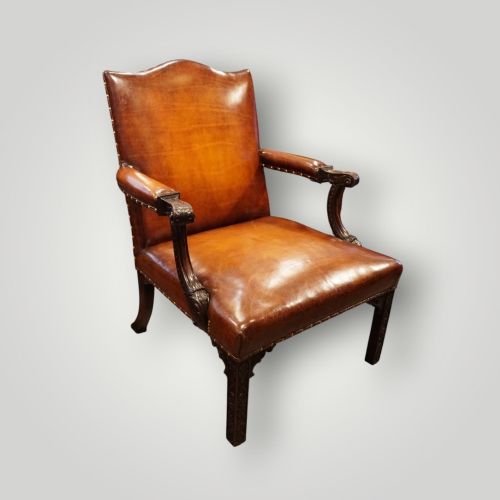
The versions met most frequently on this page span the Georgian period, George III eras, and later nineteenth-century revivals. Examples range from simple pierced splat designs to elaborate Chinese Chippendale and Gainsborough armchairs.
Makers and craftsmen produced these seating pieces for formal dining rooms, drawing rooms, and studies. Pieces include single chairs alongside matched sets of varying sizes.
Materials and Construction
Cabinet makers constructed these seats primarily from solid mahogany and walnut, utilising dense tropical hardwoods for structural stability and fine carving. Timber selection determined the depth of detail achievable on chair backs and legs.
Upholstery materials recorded in the pieces include leather, velvet, brass nails, fabric, tapestry, and hand-dyed English hide. Workers secured these textiles over padded frames for functional comfort.
Joinery methods involved traditional mortise and tenon joints, enabling slender components like pierced splats and ladderbacks to bear weight over centuries.
English Chippendale Chairs Retail Price Guide 2026
Typical asking prices for english chippendale chairs among the pieces listed under this phrase on Sellingantiques today, from the lower quarter to the upper quarter. They describe what is for sale here now, not the wider market.
Listings feature mahogany and walnut timbers paired with brass, leather, velvet, and tapestry upholstery across the Georgian and Victorian periods.
Assessing Quality and Execution
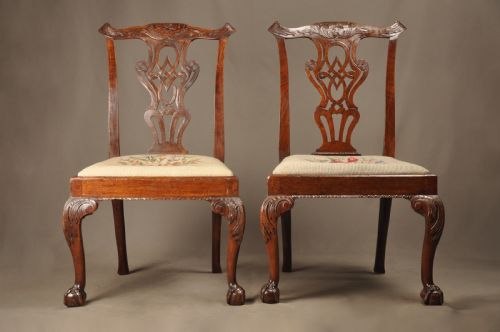
The distinction between ordinary and superior pieces rests upon the crispness of the carved details and the proportional balance of the frame. Skilled execution shows in deeply undercut splats and well-defined claw and ball feet.
Original material integrity and the retention of period components separate exceptional examples from heavily restored ones. The choice of primary timber grain and the precision of the joinery dictate the longevity of each chair.
Thomas Chippendale
The English Chippendale Chairs Glossary
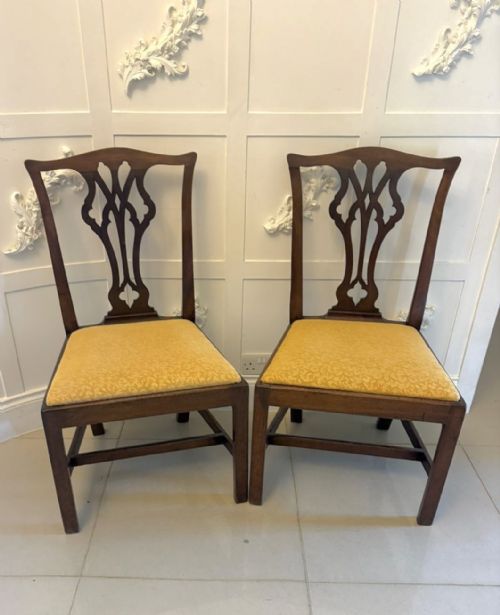
- Pierced splat
- The central vertical wooden slat within a chair back, cut through in geometric or flowing openwork patterns.
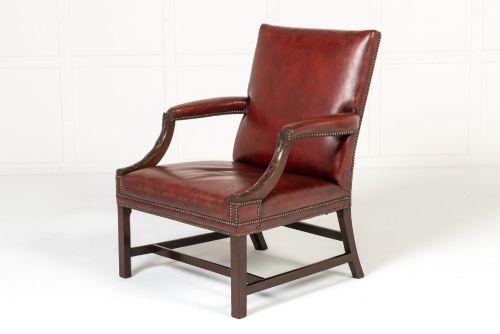
- Gainsborough chair
- A wide, upholstered armchair with open padded arms, low sides, and straight wooden legs.
- Carver chair
- An armchair intended for the head of a dining table or occasional desk use.
- Claw and ball
- A carved furniture foot depicting a bird's talon clutching a spherical ball.
- Ribbon back
- A chair back carved to resemble flowing, looped ribbons tied in a bow.
English Chippendale Chairs: Frequently Asked Questions
What is an English Chippendale chair?
These pieces are formal wooden seats produced in eighteenth-century Britain or during later revival periods. They follow the stylistic conventions associated with Thomas Chippendale's published designs.
They serve as functional seating or decorative furniture within dining rooms, halls, and libraries. Buyers select them for their traditional aesthetic and historical presence.
How do I spot a revival piece?
Nineteenth-century revival examples often display machine-assisted finishing, different secondary woods, and standardised turning compared to eighteenth-century originals. Examining the construction underneath reveals the period of manufacture.
Cabinet makers of the Victorian era reproduced these styles to satisfy demand for historic interior aesthetics. Comparing timber oxidation and joinery wear helps clarify the production date.
Were these chairs used at dining tables?
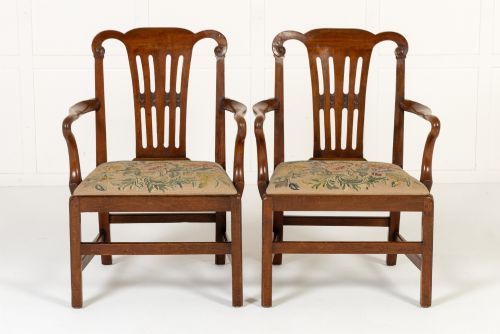
Many of these pieces functioned as dining furniture, supplied in sets of single chairs alongside matching armchairs. Larger sets accommodated formal dining rooms in period properties.
Single examples also served as desk chairs, office seats, or drawing-room elbow chairs. Their robust hardwood frames supported daily domestic use.
What is Chinese Chippendale style?
This variant incorporates lattice woodwork, pagoda motifs, and fretwork inspired by eighteenth-century European interpretations of Chinese design. It appears on side chairs and armchairs from both the Georgian era and later revivals.
The style brings decorative complexity to chair backs and leg stretchers. Cabinet makers combined these Asian-influenced details with standard European seating forms.