

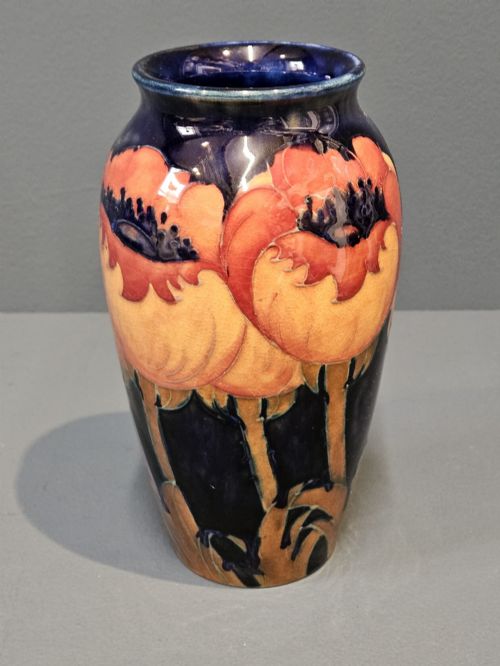
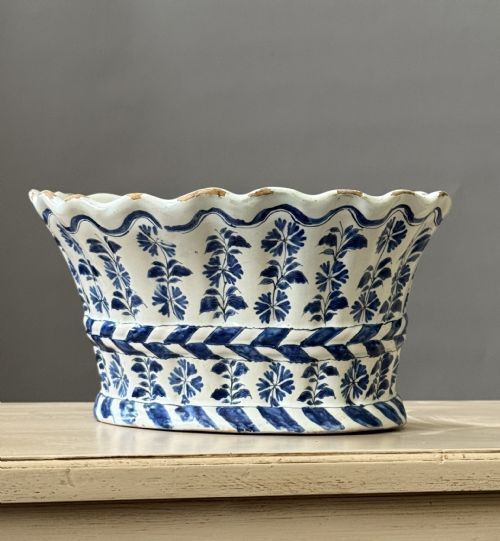
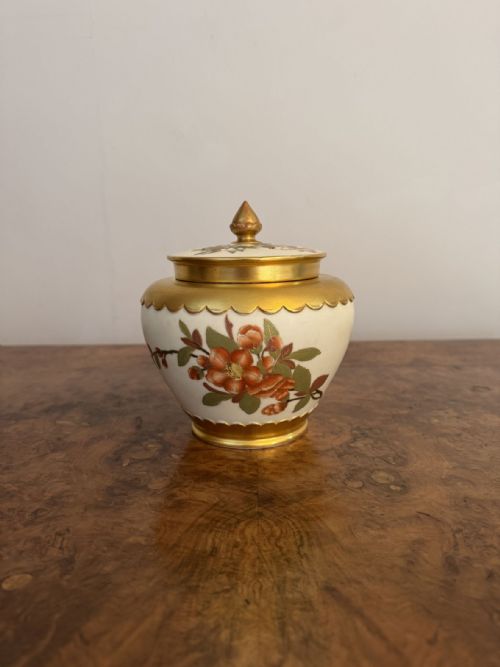
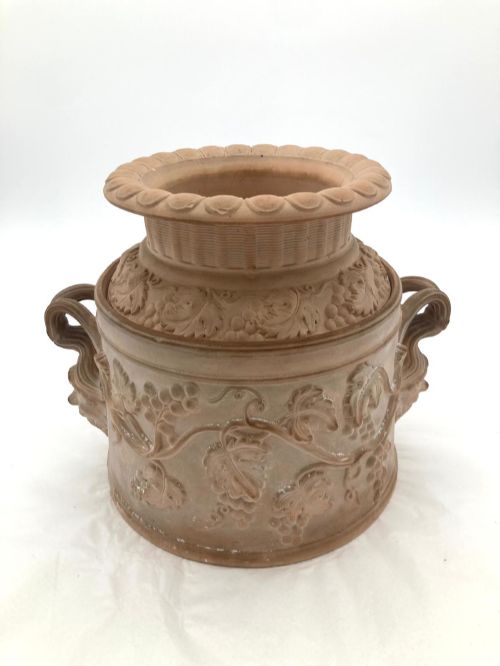
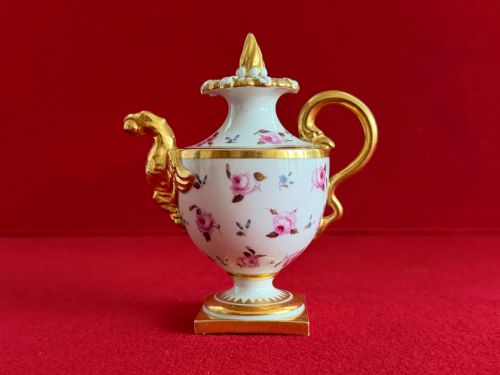
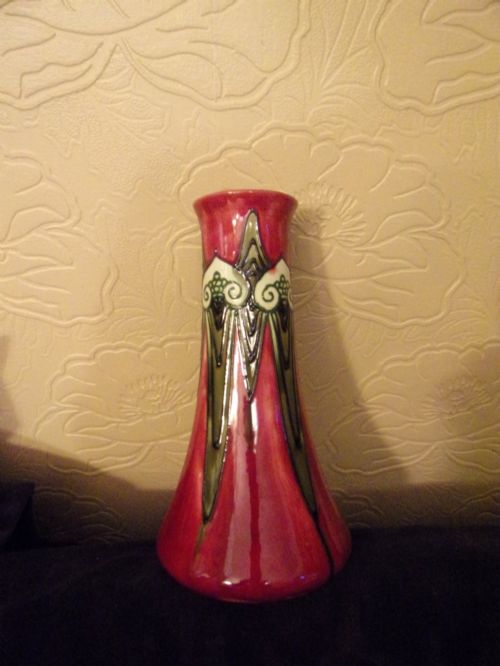
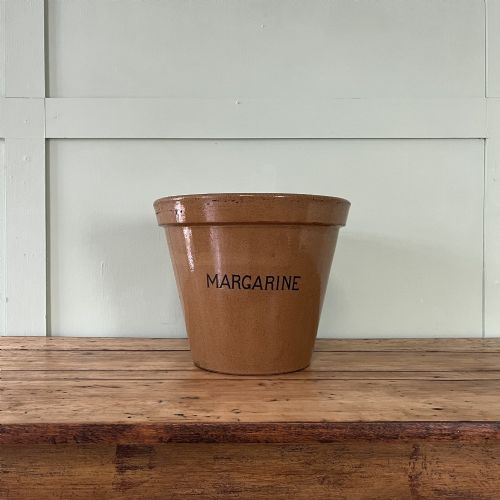
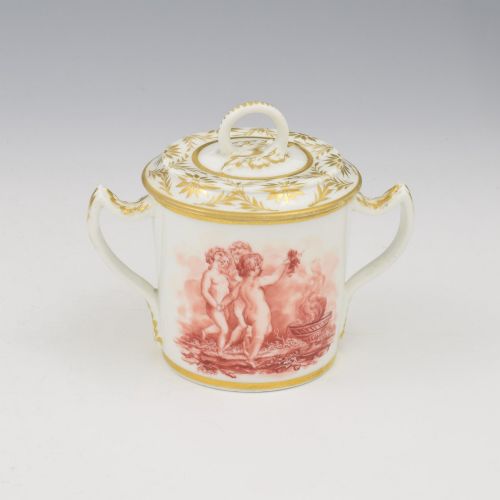
English Ceramic Vessel
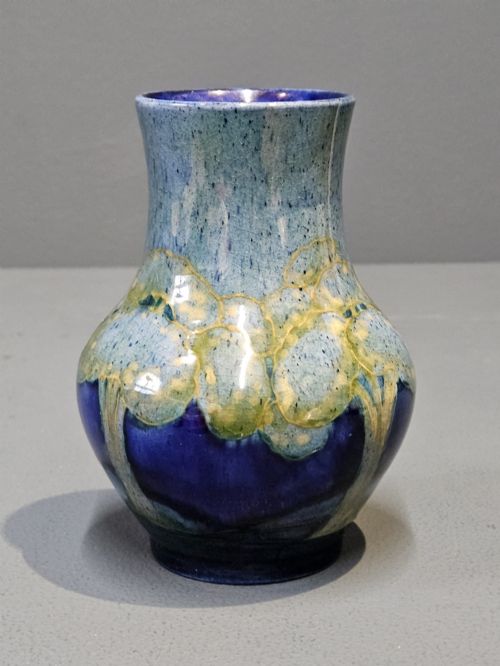
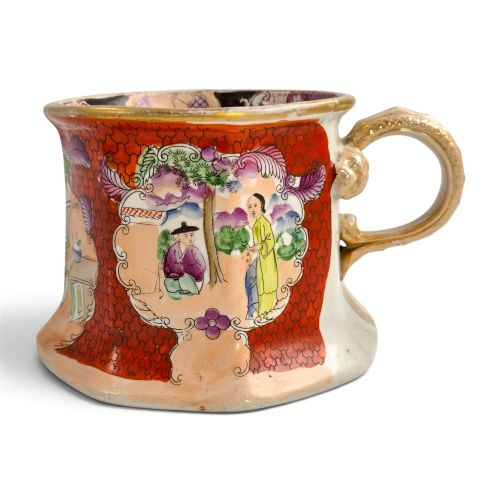
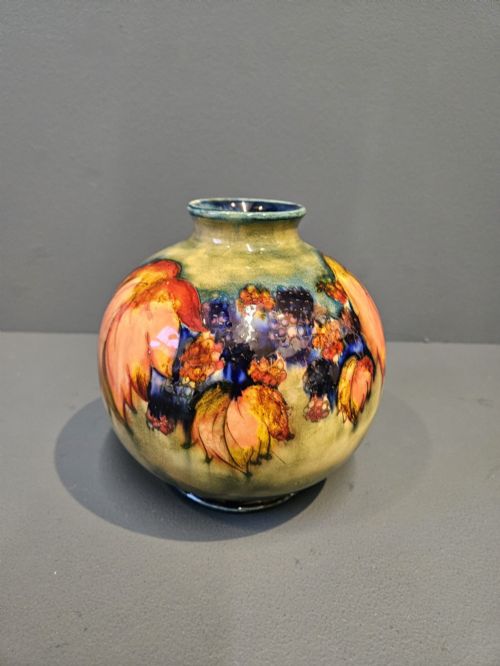
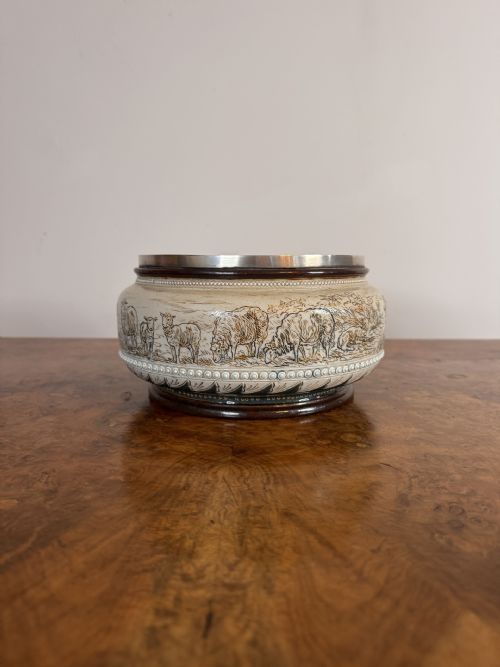
An English ceramic vessel brings centuries of kiln craft to a room, ranging from Delftware jars to porcelain vases shaped in the Georgian and Victorian eras.
English Ceramic Vessel
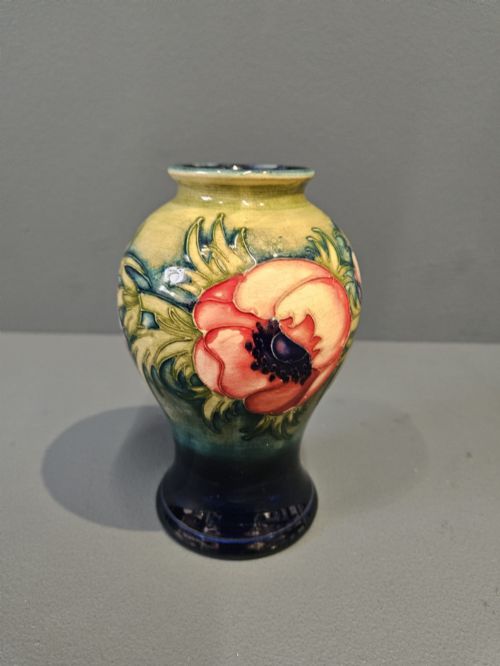
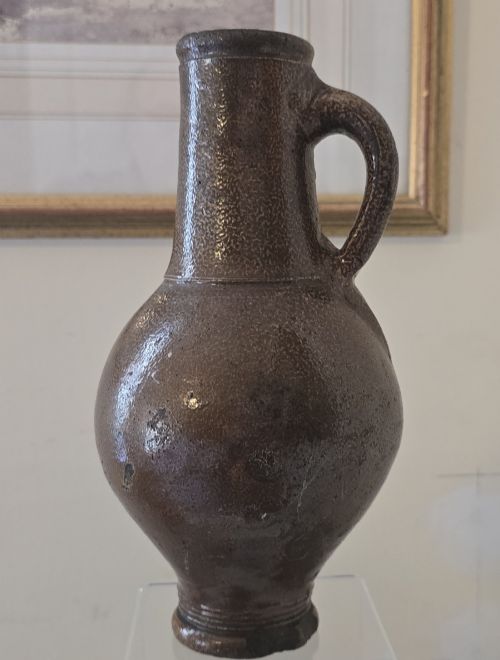
The selections span from early Delftware drug jars and posset pots to robust nineteenth-century stoneware tygs, dairy pails, and art pottery vases.
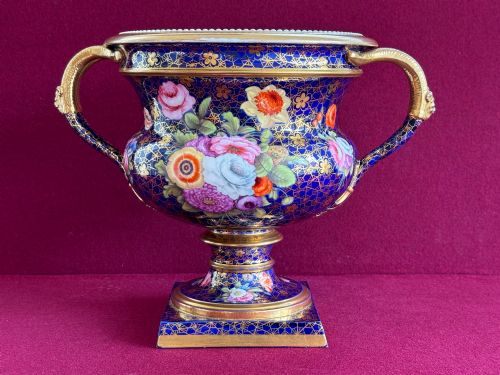
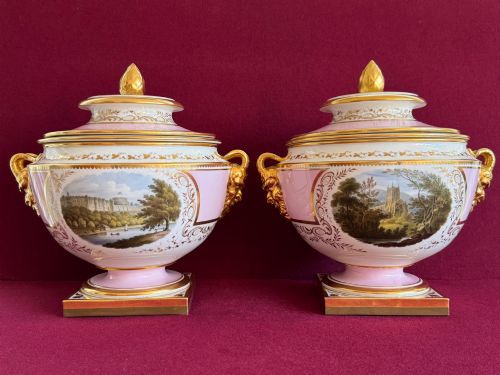
Makers utilised earthenware, porcelain, and stoneware to form everything from intimate cabinet cups to large exhibition pieces.
Distinctions in Execution
Quality rests on the crispness of the modelled form, the stability of the glaze in the kiln, and the precision of the hand-painted or transfer-printed decoration.
Pieces bearing named decorator signatures or originating from prominent manufactories demonstrate superior handling of pigments and materials.
The refinement of the ceramic body and the depth of the glaze determine the visual success of the finished vessel.
English Ceramic Vessel Retail Price Guide 2026
Typical asking prices for english ceramic vessel among the pieces listed under this phrase on Sellingantiques today, from the lower quarter to the upper quarter. They describe what is for sale here now, not the wider market.
Listings feature wares from the seventeenth to the twentieth century, utilising earthenware, stoneware, and porcelain.
Royal Worcester·Doulton Lambeth·Flight Barr and Barr·Royal Crown Derby·Minton
The English Ceramic Vessel Glossary
- Delftware
- Tin-glazed earthenware produced in England from the seventeenth century onwards, typically featuring a white surface painted in blue.
- Tyg
- A large drinking vessel fitted with three or more handles, designed for communal passing.
- Slipware
- Pottery decorated with liquid clay applied to a contrasting clay body before firing.
- Imari
- A palette of iron red, underglaze blue, and gilt adopted by English factories from Japanese export wares.
- Stoneware
- A dense, impermeable ceramic fired at high temperatures, often salt-glazed for durability.
English Ceramic Vessel: Frequently Asked Questions
How do I date an English ceramic vessel?
Dating relies on matching factory marks, stylistic traits of periods like Regency or Edwardian, and the specific composition of the ceramic body.
Changes in glaze formulas and decorative themes also offer reliable clues to a piece's manufacturing decade.
What is the difference between earthenware and stoneware vessels?
Earthenware is fired at lower temperatures and remains porous unless glazed, while stoneware is vitrified and completely waterproof.
Stoneware generally offers greater physical durability for utilitarian items like storage jars and dairy pails.
How were apothecary jars used?
Apothecary and drug jars held wet or dry medical ingredients in pharmacies and dispensaries.
Their painted labels prevented mistakes among various remedies stored on shelf rows.
Can I display these vessels in sunlight?
Most glazed ceramics tolerate stable indoor lighting, though certain enamel colours and lustre finishes benefit from indirect placement.
Avoiding harsh direct sun preserves the vibrancy of hand-painted overglaze pigments.