






English Ceramic Sculpture
English ceramic sculpture spans delicate eighteenth-century figures and robust Victorian studio works, capturing centuries of domestic modeling tradition.
English Ceramic Sculpture
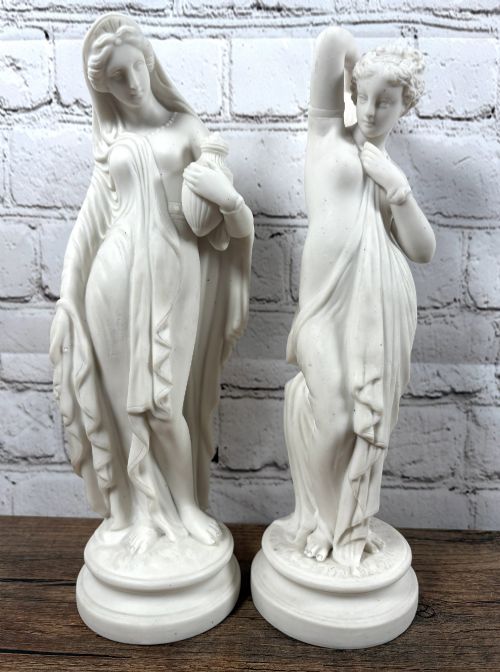
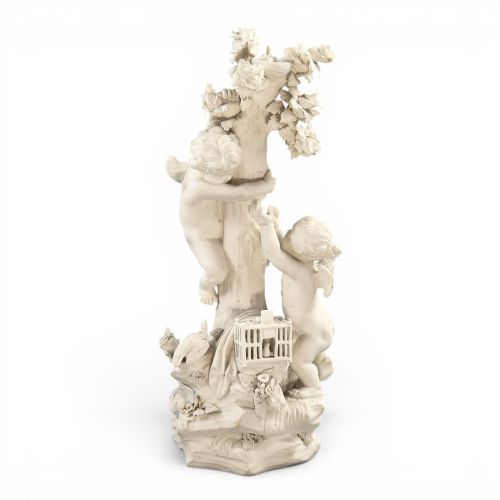
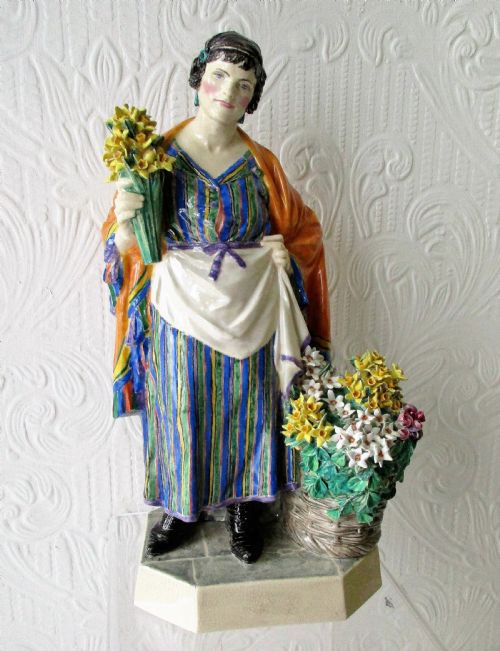
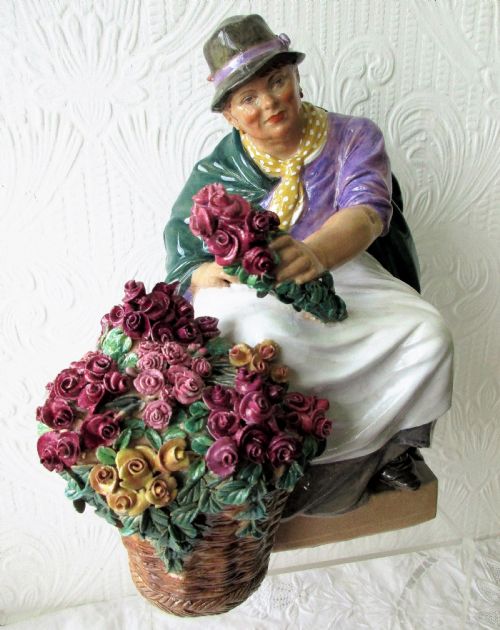
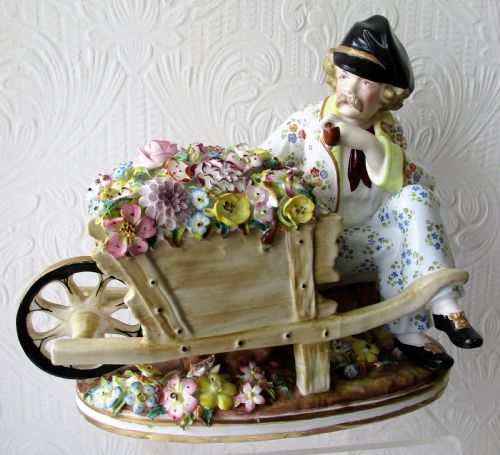
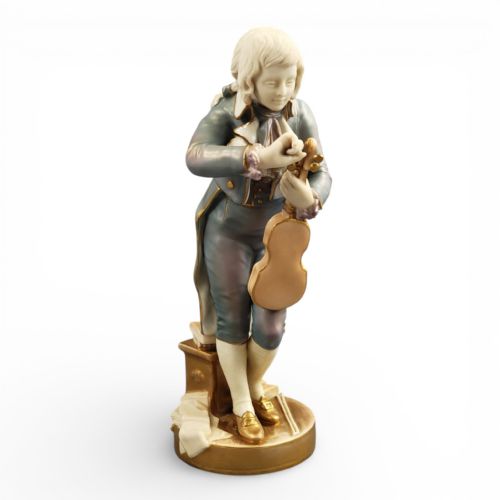
English ceramic sculpture comprises figures, busts, and groups modelled in porcelain, earthenware, and parian body types. These works emerge from historic factories and studios across the country, spanning eighteenth-century allegorical groupings to twentieth-century studio representations.
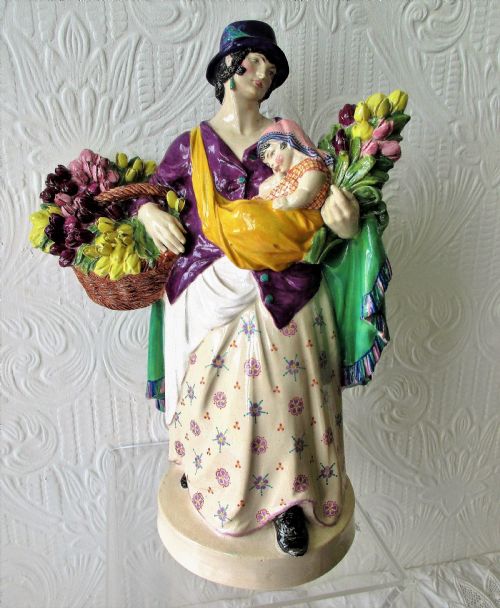
The selections encountered here frequently include eighteenth-century Derby and Bow figures alongside nineteenth-century Copeland parian pieces and early twentieth-century Royal Worcester productions. Figurines depicting classical deities, literary characters, and contemporary street figures dominate the forms.
Makers ranged from large industrial potteries to individual modellers working within established traditions. The resulting objects served as parlour ornaments, table centerpieces, and mantel displays for domestic interiors.
How they were made
Glazing and enamelling involved high-temperature kilns for underglaze colours followed by low-temperature enamelling and gilding. Biscuit porcelain pieces bypassed the final glaze firing entirely to achieve a matte, marble-like texture.
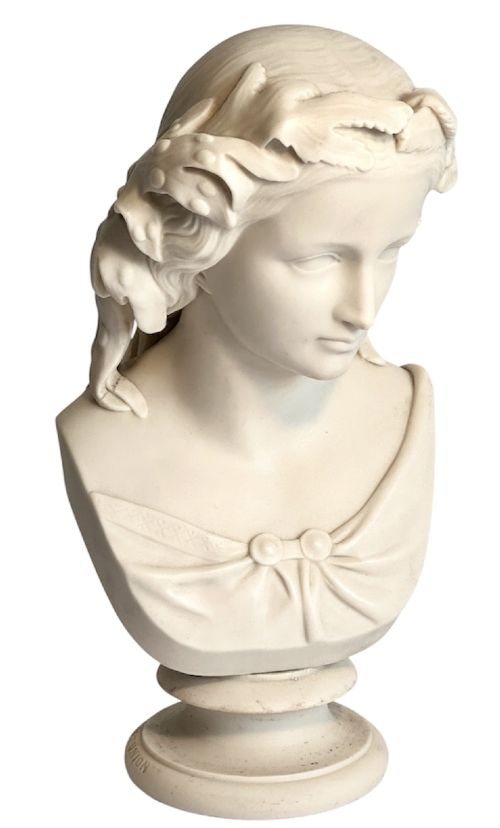
Parian ware required a specialised feldspathic porcelain body fired at lower temperatures to produce an unglazed surface resembling carved marble. Artists finished these pieces by hand-chasing details onto the cooled ceramic body.
English Ceramic Sculpture Retail Price Guide 2026
Typical asking prices for english ceramic sculpture among the pieces listed under this phrase on Sellingantiques today, from the lower quarter to the upper quarter. They describe what is for sale here now, not the wider market.
Materials across these listings range from earthenware and soft-paste porcelain to parian porcelain, enhanced with enamel, gold leaf, and gilding.
What varies in quality
The application of enamel colours and gold leaf significantly influences visual impact. Superior examples maintain subtle hand-painting without bleeding pigments, whereas lesser pieces exhibit heavy, uniform washes.
The complexity of the composition, particularly in multi-figure groups with intricate bocage backgrounds, dictates the modeller's skill level. Simpler single figures rely entirely on balanced proportions and clean facial execution.
Charles Vyse·John Bevington·James Hadley·Owen Hale
The English Ceramic Sculpture Glossary
- Parian Porcelain
- A fine-grained, unglazed porcelain developed in the nineteenth century to imitate marble statuary. It takes its name from Parian marble quarried in Greece.
- Biscuit Porcelain
- Unglazed fired porcelain possessing a matte, granular finish. This technique highlights sculptural form without the distraction of reflective gloss glazes.
- Bocage
- Applied ceramic foliage and leafy branchwork background common in eighteenth and nineteenth-century figures. It provides structural support and naturalistic framing.
- Soft-Paste Porcelain
- An artificial porcelain composition fired at lower temperatures than true hard-paste porcelain. It exhibits a creamy body and warm glaze interaction.
- Staffordshire Figure
- Earthenware figures produced in the Staffordshire potteries for domestic mantelpieces. These typically feature vibrant underglaze or enamel colours.
English Ceramic Sculpture: Frequently Asked Questions
How do I identify early Derby figures?
Early Derby pieces display characteristic unglazed recessed bases, crisp knife-cleaned vent holes, and soft translucent porcelain bodies. Modellers often utilised specific scroll bases and naturalistic bocage.
Markings on these early works are frequently absent or limited to simple painted numerals rather than printed factory stamps. The hand-painted enamel palette tends toward soft pastel tones with delicate gilding applied by brush.
What is the difference between parian and porcelain?
Parian is a specific type of unglazed porcelain containing a high feldspar content designed to fire into a dense, matte surface resembling carved marble. Standard porcelain utilises a silica and petuntse mix fired under a glass-like glaze.
While traditional porcelain relies on glossy finishes and enamel painting for decorative effect, parian achieves its texture through the vitrification of the clay body itself. This makes parian particularly suited for reproducing classical busts and figural statuary.
How were bocage backgrounds made?
Modellers created bocage by punching, pressing, and hand-forming individual clay leaves and blossoms before attaching them to wire supports or directly onto the main figural grouping. These delicate botanical elements required careful placement to survive high-temperature kiln firings.
Because each leaf was manipulated by hand, the density and arrangement of the foliage varied significantly between individual factory runs. Artisans applied green and yellow enamel washes over the fired leaves to simulate natural foliage.
Where should I display ceramic sculptures?
Display these sculptures away from direct sunlight and areas subject to rapid temperature fluctuations to protect fragile enamels and historic bodies. Stable mantelpieces, enclosed cabinets, and secure shelving units provide ideal environments.
Ensure pieces with protruding elements like bocage or applied limbs sit on stable surfaces where vibrations cannot cause accidental tipping. Soft interior lighting highlights the matte textures of biscuit and parian surfaces effectively.