






English Ceramic Jar
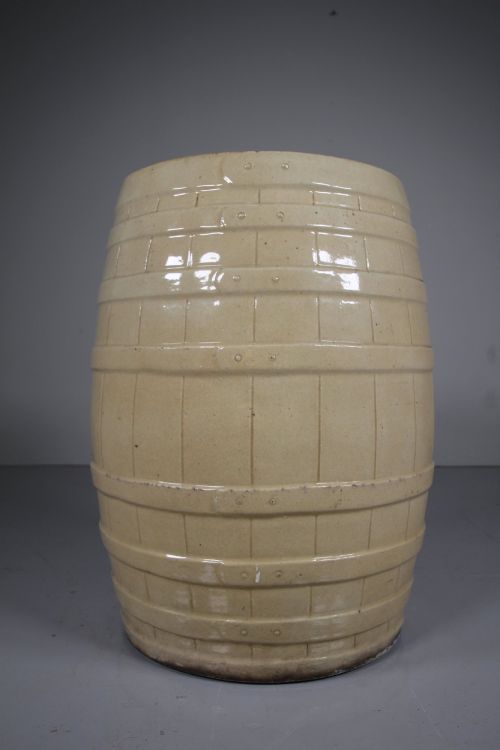
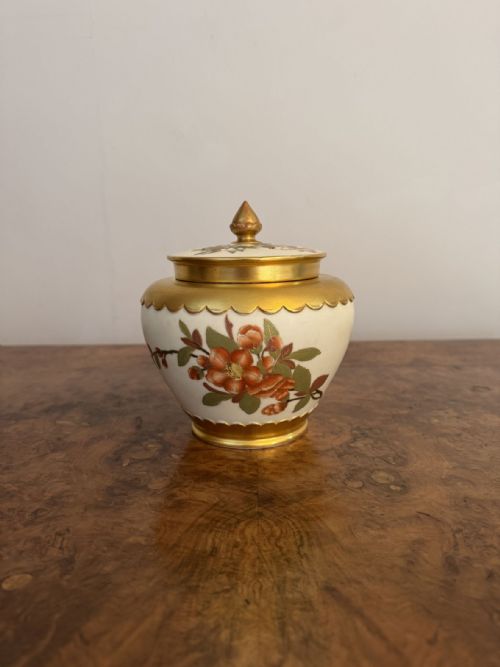
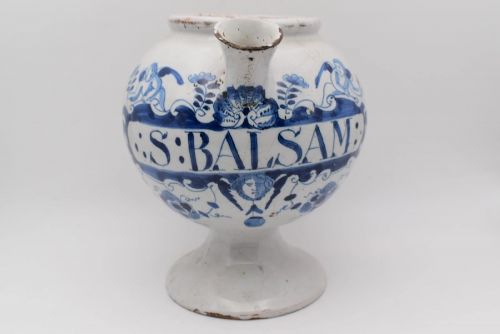
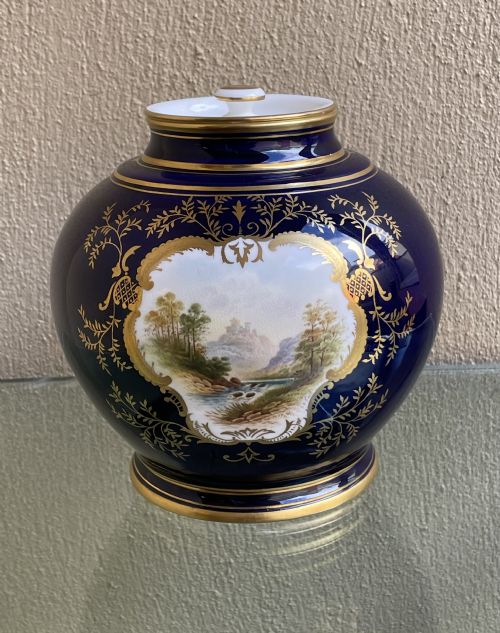
These pieces range from early English Delftware drug containers to Victorian biscuit barrels and Royal Worcester painted ginger jars.
English Ceramic Jar
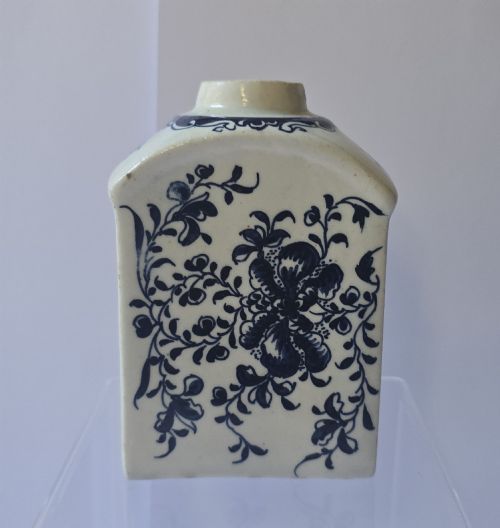
An english ceramic jar encompasses utilitarian apothecary vessels, decorative potpourri pots, and biscuit barrels spanning several centuries of production. When searching this phrase, a buyer encounters forms ranging from blue and white tea canisters to heavy earthenware tobacco jars.
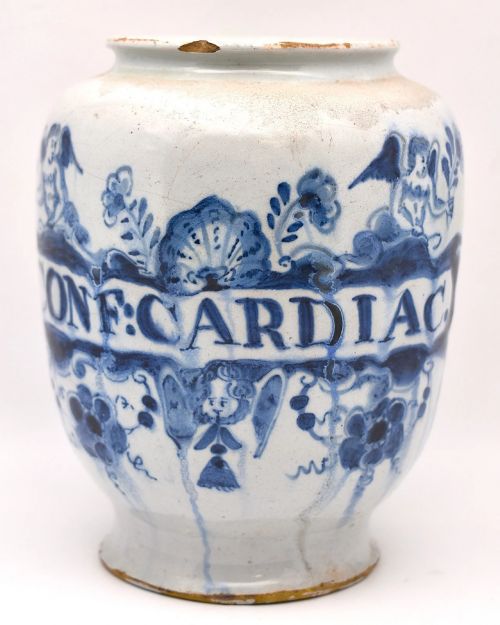
Early examples include apothecary drug jars painted with blue script and apothecary wet drug jars dating to the eighteenth century. Later nineteenth and twentieth-century pieces incorporate lidded vases, pommanders, and covered jars decorated in traditional styles.
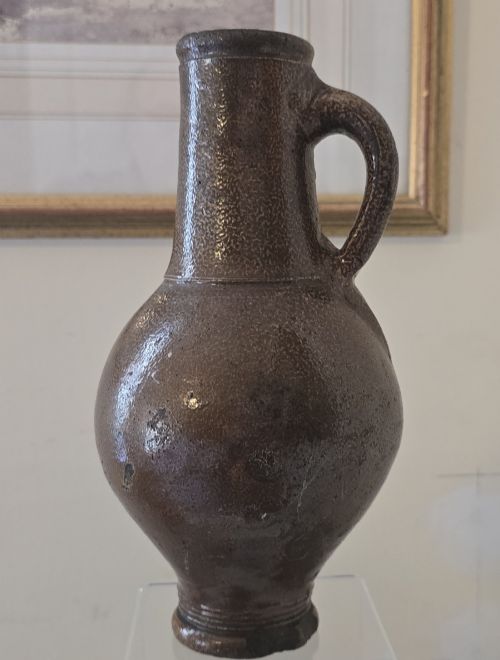
The selection on this page stretches from seventeenth-century Fulham stoneware bottles to mid-twentieth-century painted fruit vessels. Production methods shifted from early tin-glazed earthenware to refined bone china, porcelain, and stoneware across these periods.
Materials and Techniques
Potters shaped these vessels from clay bodies including earthenware, stoneware, and porcelain, frequently finishing surfaces with coloured glaze. Artisans applied hand-painted motifs, transfer printing, and gilding to enhance the ceramic surface before final firing.
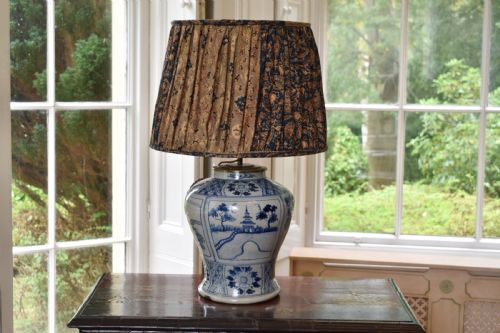
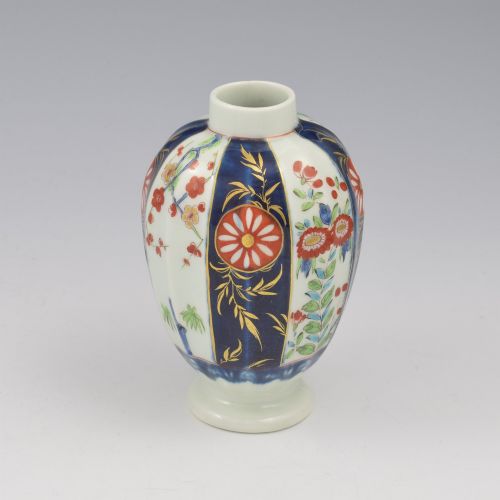
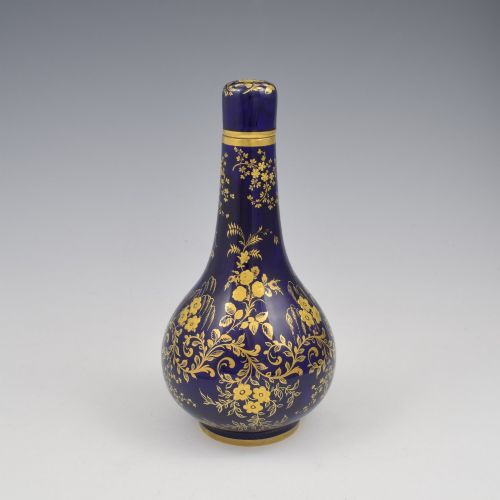
Metal mounts, silver plating, and fitted covers appear on many lidded pots and biscuit barrels from the Victorian era. Decorative techniques also involve raised enamel work, gold leaf application, and specialised colour palettes such as Imari designs.
English Ceramic Jar Retail Price Guide 2026
Typical asking prices for english ceramic jar among the pieces listed under this phrase on Sellingantiques today, from the lower quarter to the upper quarter. They describe what is for sale here now, not the wider market.
One historic jar is specifically marked for turtle soup from a London tavern.
Assessing Quality and Execution
Quality rests upon the crispness of the modelling, the precision of the hand-painting, and the preservation of any applied gilding or enamel work. Finer pieces demonstrate superior control during the firing process, resulting in unblemished glazes and well-fitted covers.
Signatures by recognised artists or documented manufactories elevate a piece above standard production wares. The complexity of the design, such as intricate floral or figural painting, distinguishes high-end cabinet pieces from utilitarian containers.
John Dwight Fulham Pottery·Royal Worcester·Dr Wall Worcester·Doulton Lambeth·Samuel Alcock·Moorcroft Macintyre And Co
The English Ceramic Jar Glossary
- Potpourri
- A lidded vessel designed with pierced openings to diffuse dried scents into a room. These often take the form of highly decorated jars or urns.
- Drug Jar
- An apothecary vessel used for storing medicinal substances, historically labelled with Latin inscriptions denoting the contents. These are typically found in tin-glazed earthenware.
- Biscuit Barrel
- A covered container intended for holding baked goods at the table, frequently fitted with a metal plated rim and swing handle. These became particularly popular during the Victorian period.
- Ironstone
- A heavy, durable type of earthenware patented in the nineteenth century that mimics porcelain in strength and appearance. It provides a sturdy base for colourful enamel decoration.
- Sucrier
- A small lidded pot intended for holding sugar, commonly produced as part of a tea service in soft-paste or hard-paste porcelain.
English Ceramic Jar: Frequently Asked Questions
How do I identify an apothecary jar?
Apothecary jars usually feature painted Latin inscriptions or abbreviations relating to medicinal contents, such as drugs or syrups. They frequently date to the eighteenth century and utilise tin-glazed earthenware.
Early examples often display blue script on a white background, sometimes accompanied by decorative cartouches, cherubs, or specific apothecary marks.
What is the difference between a potpourri jar and a vase?
Potpourri jars are specifically designed with pierced or perforated lids that allow fragrance to escape from dried flower petals placed inside. Standard vases lack these ventilation holes.
Many potpourri vessels from the nineteenth and twentieth centuries feature elaborate painted decoration and inner covers to regulate the scent.
How do I care for antique ceramic jars?
Antique ceramic pieces should be dusted gently with a soft, dry cloth and kept away from direct sunlight to protect painted surfaces and gilding. Avoid using liquid cleaners, particularly on pieces with enamel or gold leaf.
Lidded pieces should have their covers handled separately and carefully to prevent chipping the rims during removal.
How do I date a ceramic jar from the listings?
Dating relies on stylistic markers, material composition, and any factory marks stamped or painted on the base. Eighteenth-century pieces often show soft-paste porcelain or tin glaze, while Victorian items frequently incorporate metal hardware.
Twentieth-century vessels often display distinct Art Deco or mid-century patterns alongside printed factory ciphers.