





English Ceramic Cachepot
An English ceramic cachepot brings indoor greenery to life with time-honoured potting traditions and robust decorative weight.
English Ceramic Cachepot
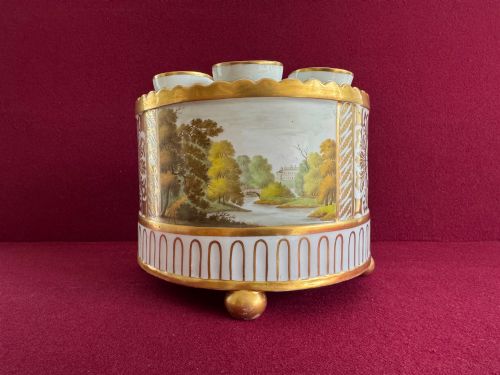
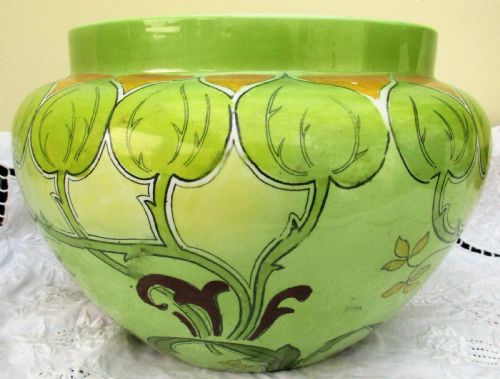
When you search for an English ceramic cachepot, you encounter sturdy vessels designed to hold potted plants indoors, frequently listed across the periods under related forms such as jardinieres, bough pots, and planters. These pieces span from the 18th century through the Georgian and Victorian eras into the early 20th century, reflecting evolving domestic tastes for interior horticulture. You are most likely to meet Victorian earthenware and porcelain examples alongside Georgian bough pots and later Arts and Crafts or Art Nouveau designs.
How they were made
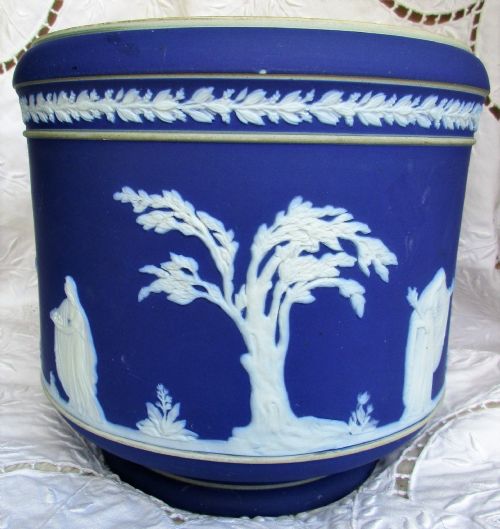
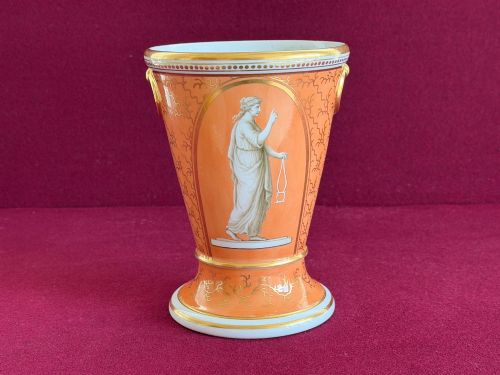
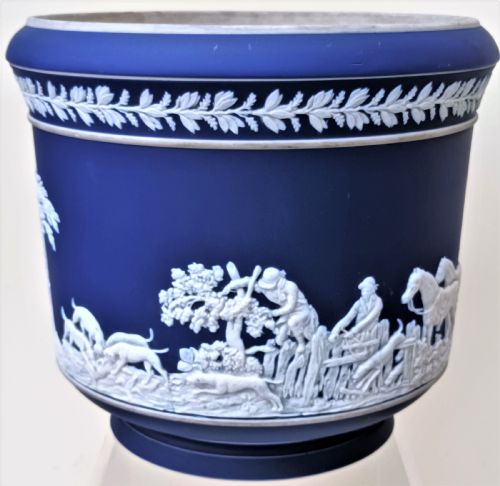
Makers shaped these pots from refined ceramic bodies such as porcelain, earthenware, and stoneware, applying lead or tin glazes to seal the porous clay. Many pieces received hand-painted enamels, gilding, or moulded relief decoration before undergoing high-temperature kiln firing. Majolica and jasperware techniques relied on specialised coloured glazes and applied sprigged reliefs to create rich surface textures.
The structural demands of holding wet soil and heavy plants led potters to throw vessels on wheels or cast them in moulds with thick walls and reinforced rims. Handles, feet, and intricate rockwork motifs were frequently modelled separately and luted onto the main body prior to glazing. Kiln placement and firing temperatures determined the vitrification of the paste and the depth of the finished glaze.
English Ceramic Cachepot Retail Price Guide 2026
Typical asking prices for english ceramic cachepot among the pieces listed under this phrase on Sellingantiques today, from the lower quarter to the upper quarter. They describe what is for sale here now, not the wider market.
Early potters added three sturdy feet to jardinieres so heavy ferns would not sweat directly onto polished mahogany tables.
What varies in quality
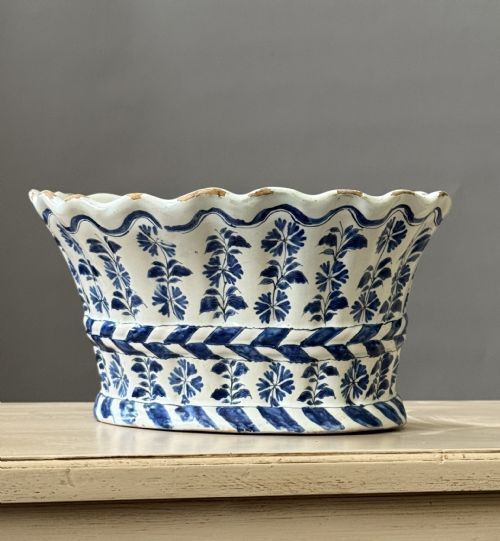
The distinction between standard commercial output and superior work lies in the crispness of the modelling and the depth of the glaze. Hand-painted underglaze blue and polychrome enamels display a control of line that elevates an ordinary vessel into a work of fine craftsmanship. Fine relief work in jasperware or majolica maintains sharp edges and clean separation from the contrasting ground colour.
Proportion and weight also govern quality, as larger jardinieres require stability to prevent tipping when filled with damp soil. The evenness of the glaze application across interiors and exteriors indicates the skill of the potter during firing. Pieces bearing identifiable factory marks demonstrate consistent workshop standards that set them apart from unmarked wares.
William Adams and Sons·W.A. Adderley·Doulton Burslem·Royal Worcester·Minton·Macintyre and Co.·William Moorcroft·Liberty and Co.
The English Ceramic Cachepot Glossary
- Cachepot
- A decorative flowerpot cover designed to hold a potted plant and catch drainage water. The term derives from the French for hiding the pot.
- Jandiniere
- A large ornamental pot or stand for holding flowers or plants. They typically sat on floors, pedestals, or tabletops in Victorian and Edwardian interiors.
- Bough pot
- An early form of vessel used for holding cut branches or floral arrangements. Georgian examples often featured pierced covers to keep stems in place.
- Jasperware
- A type of fine stoneware developed by Josiah Wedgwood featuring unglazed matte pottery with contrasting applied white reliefs. It appears in blue and other colours.
- Majolica
- A heavy earthenware pottery covered with an opaque coloured glaze, popular during the Victorian era for naturalistic plant and animal motifs.
- Earthenware
- Porous pottery fired at lower temperatures than stoneware or porcelain. It requires a protective glaze to hold water effectively.
English Ceramic Cachepot: Frequently Asked Questions
What is a cachepot used for?
A cachepot serves primarily to conceal a plain growing pot and catch excess water drainage from houseplants. It protects tabletops and windowsills while adding decorative colour and form to a room.
Historically, these vessels held everything from forcing bulbs to heavy ferns in grand drawing rooms. Today they function just as effectively to house modern indoor foliage.
How do I clean an antique ceramic pot?
Clean these pieces gently using warm water and a soft cloth, avoiding abrasive pads that can scratch old glazes or wear away gilding. Enamelled and painted surfaces require particular care to prevent damage to delicate pigments.
Avoid submerging porous earthenware bodies for extended periods, especially if the glaze shows hairline cracks. Dry the interior thoroughly after use to preserve the ceramic fabric.
Can I plant directly inside them?
Planting directly inside antique ceramic pots risks moisture absorption through unglazed interiors, which can stain the clay or weaken the structure over time. Using a smaller plastic nursery pot inside allows for easy watering and drainage.
Placing gravel at the base of the cachepot helps elevate the inner pot above any standing water. This method protects the historical vessel while keeping your plants healthy.
How do I identify the period?
Dating relies on examining the paste, glaze characteristics, style of decoration, and any impressed or printed factory marks on the base. Victorian pieces often display naturalistic majolica glazes or moulded floral reliefs, while Georgian examples favour refined porcelain or Delftware.
Stylistic cues such as Art Nouveau sinuous lines or Regency classical motifs offer further clues to the decade of manufacture. Comparing these elements with documented factory output confirms the age.