



English Umbrella Stand
An english antique umbrella stand organises the hallway while introducing period craftsmanship to the entrance space.
English Umbrella Stand
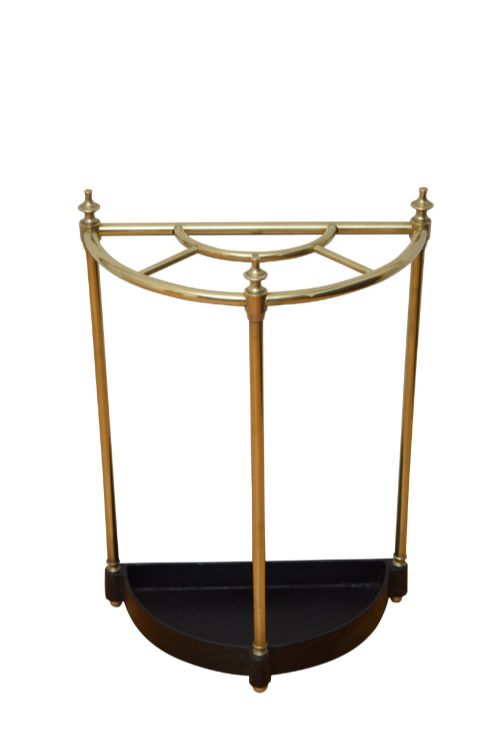
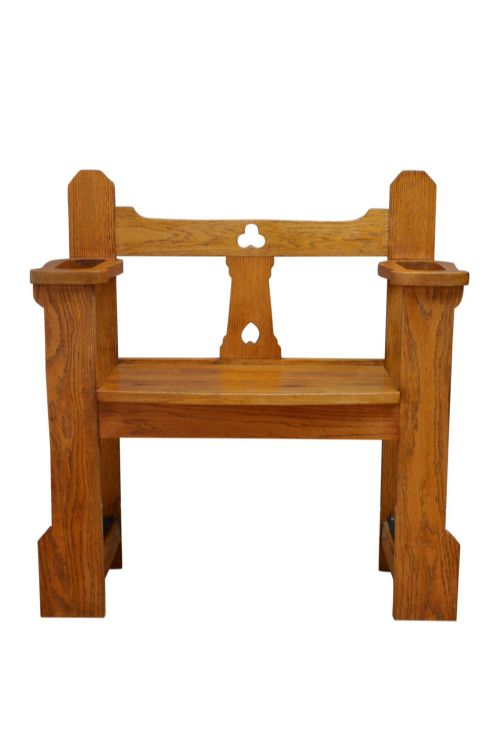
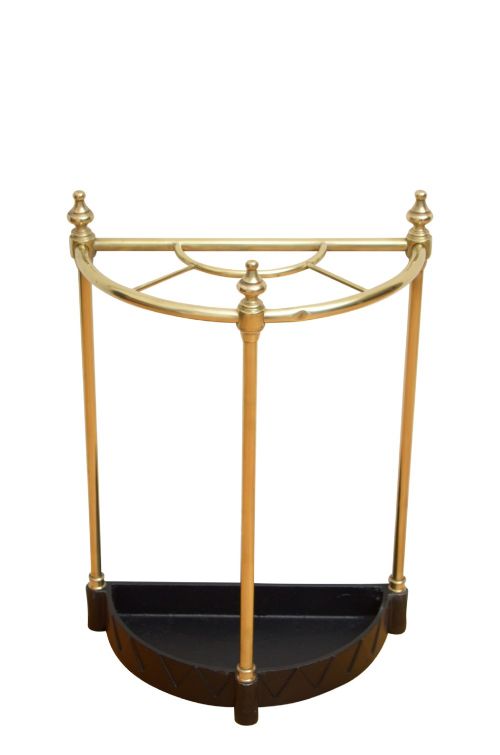
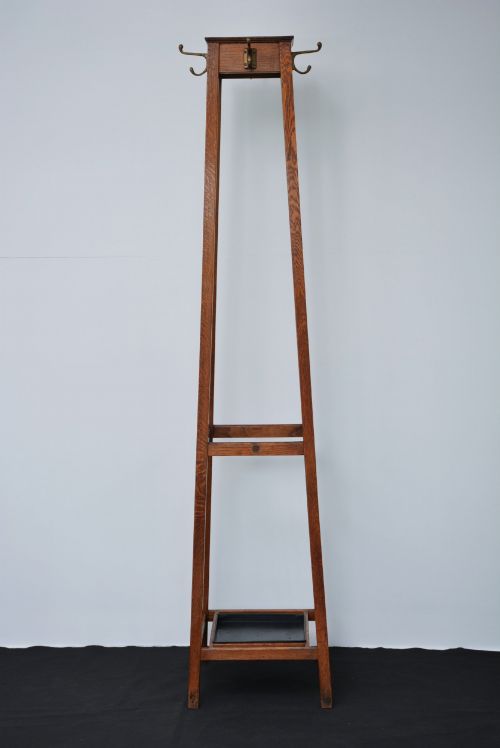
Many examples integrate multi-division umbrella racks with larger hall seats or coat stands. These combined pieces served country houses and urban townhouses alike, providing designated storage for walking sticks, canes, and wet weather gear.
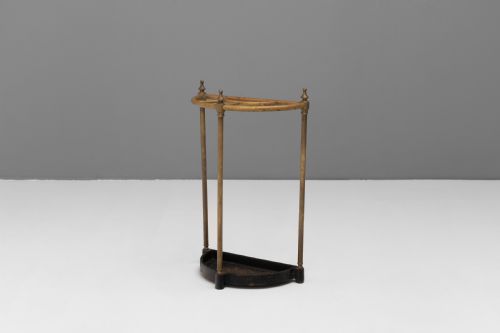
Originating predominantly from British workshops, the selection spans simple cast iron porticos to decorative Arts and Crafts designs. The form prioritises functional hallway utility without sacrificing the formal aesthetic of the period.
Materials and Construction
Maker construction relies heavily on durable metals and seasoned hardwoods suited to daily moisture and heavy use. Cast iron and heavy brass provide stable, rigid frames for open-loop umbrella racks, while copper offers natural resistance to standing water.
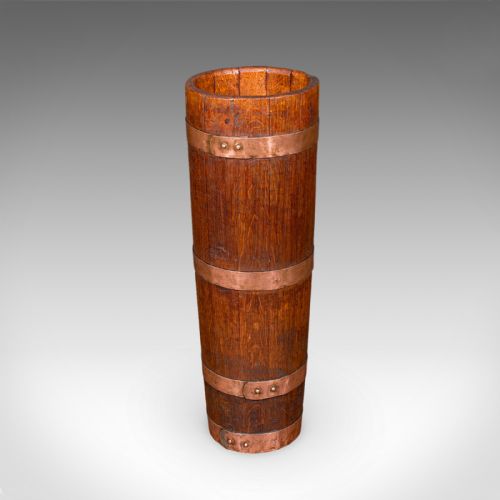
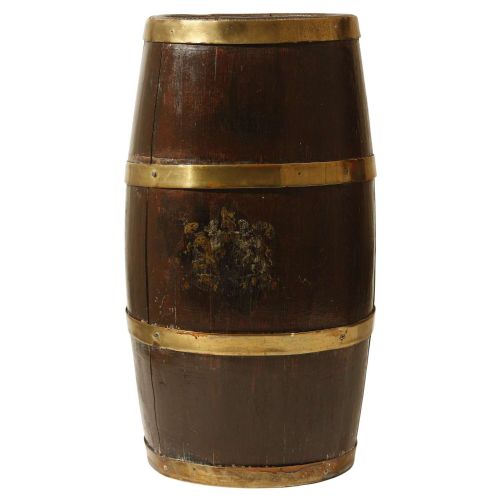
Timber examples utilise traditional coopered construction, binding oak or mahogany staves with brass braces or iron loops to form water-tight barrel bodies. Applied finishes include painted surfaces, dark polish on walnut, and characteristic Arts and Crafts metalwork details.
Listings feature robust construction materials including solid oak, cast iron, copper, and turned walnut.
Quality and Proportion
Superior examples demonstrate heavier gauge metals, substantial timber thickness, and intact structural bracing. Pieces featuring cast brass drip trays, original hardware, and complex division frameworks represent finer workshop output.
Design ambition separates standard utility items from exhibition-grade hall furniture. Fine proportions, decorative cast iron after foundry patterns, and integrated carved detailing elevate individual examples above basic domestic hardware.
The English Umbrella Stand Glossary
- Demi-Lune
- A half-moon shape popular for hallway stands designed to sit flat against a wall. This profile maximises floor space in narrow corridors.
- Coopered
- A method of construction where curved timber staves are joined together and bound with metal hoops, similar to barrel-making. This technique prevents wood splitting when exposed to damp umbrellas.
- Portico
- An architectural framework style applied to metal umbrella and coat stands featuring vertical columns and overhead arches. It provides a formal entrance appearance.
- Drip Tray
- A removable metal basin positioned at the base of a stand to catch water runoff. These components prevent moisture damage to hallway flooring.
English Umbrella Stand: Frequently Asked Questions
Where were these stands placed in period homes?
These umbrella stands traditionally occupied the main entrance hall, vestibule, or reception corridor of a property. Their primary function was greeting visitors while containing wet weather accessories near the front door.
Larger country houses often utilised multiple stands across different entryways, pairing them with coat racks and hall benches to manage outdoor apparel.
How do I maintain a timber barrel stand?
Wooden coopered stands require periodic application of appropriate wax or oil to nourish the timber staves. Keeping the interior dry and ensuring any metal drip tray is emptied regularly preserves the internal structure.
Avoid placing damp items directly onto unlined wooden bases to prevent long-term water staining and timber degradation.
What is the difference between a stick stand and an umbrella stand?
While often used interchangeably in period descriptions, stick stands historically catered to walking canes and gentleman's accessories. Umbrella stands typically feature larger ring divisions and deeper bases to accommodate heavier fabric canopies.
Many surviving pieces successfully served both purposes within busy Victorian households.
How do I identify a Victorian metal stand?
Victorian cast iron and brass stands usually exhibit heavier weight, utilitarian division loops, and foundry registration marks or serial numbers. Stylistic cues often incorporate Gothic Revival or classical architectural motifs.
Patina on the metal surface, including natural oxidation on unlacquered brass and copper, helps confirm age and period manufacture.