

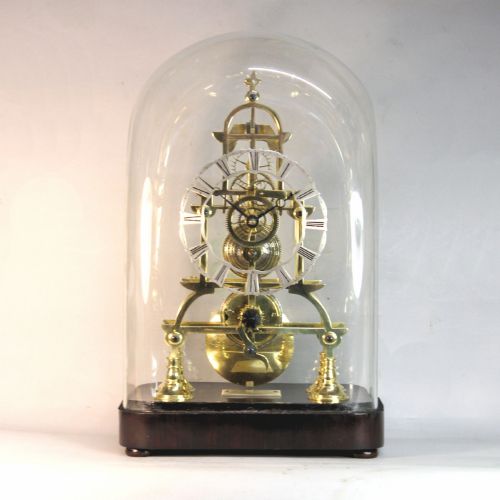


English Glass Dome
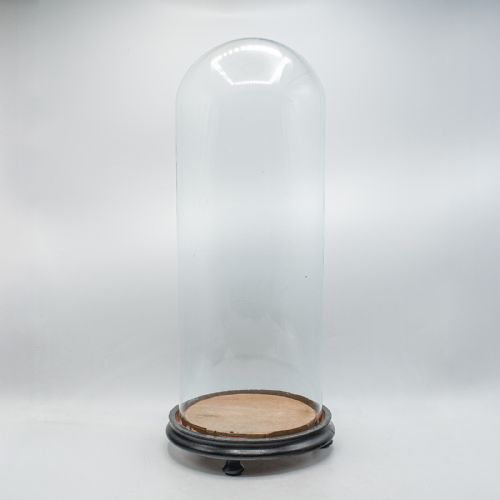
An english antique glass dome protects precious specimens and keepsakes beneath a clear bell of blown glass.
English Glass Dome
An english antique glass dome serves primarily to house delicate items such as taxidermy, botanical specimens, and intricate clock movements.
The most common examples on this page are Victorian and Edwardian display domes mounted on circular or oval wooden bases, frequently used for taxidermy and collections.
These pieces function both as protective covers and as decorative showcases designed to sit upon tables, mantels, and cabinets.
Materials and Construction
The glass covers are formed by mouth-blowing, resulting in characteristic subtle ripples, thickness variations, and occasional tiny air bubbles within the material.
Bases are constructed from various woods including mahogany, oak, beech, pine, and ebonised wood, often paired with brass feet or fabric linings of felt.
English Glass Dome Retail Price Guide 2026
Typical asking prices for english glass dome among the pieces listed under this phrase on Sellingantiques today, from the lower quarter to the upper quarter. They describe what is for sale here now, not the wider market.
The listings span Victorian, Edwardian, and Georgian periods, incorporating materials such as glass, ebonised wood, brass, fabric, felt, mahogany, and steel.
Factors of Quality
Quality rests in the clarity and weight of the blown glass cover, where fewer distortions and a more uniform wall thickness indicate finer production.
The finish of the wooden base and the tightness of its fit within the groove or channel beneath the glass mark the difference between standard and superior pieces.
Richard Winter of Chieveley·Thwaites of London
The English Glass Dome Glossary
- Dome
- A convex, rounded glass cover used to shield objects from dust and damage.
- Cloche
- A bell-shaped glass cover functionally similar to a display dome.
- Vitrine
- A glass-sided display case or cabinet for valuable items.
- Taxidermy
- The art of preparing, stuffing, and mounting the skins of animals for display.
- Ebonised
- Wood finished to resemble ebony, typically through dark staining and polishing.
English Glass Dome: Frequently Asked Questions
How do I date an antique glass dome?
Dating relies heavily on the characteristics of the wooden base, the type of wood utilised, and the presence of any original maker labels.
Hand-blown glass often displays minor imperfections and weight differences that distinguish nineteenth-century examples from later ones.
Can the glass dome be separated from the base?
Most domes lift directly off their wooden bases, though some fit snugly into a routed groove designed to keep the cover secure.
Care is needed when lifting the heavy glass cover to avoid chipping the lower rim against the wood.
How should I clean an antique glass dome?
The glass exterior benefits from gentle wiping with a soft cloth and mild glass cleaner applied sparingly.
Wooden bases require dusting with a dry cloth, avoiding moisture that might damage older finishes or applied felt.