






Engine Turned Enamel
Engine turned enamel pieces combine precision metallic engraving with translucent glass colour, offering collectors vibrant portable accessories from the late Victorian period onwards.
Engine Turned Enamel
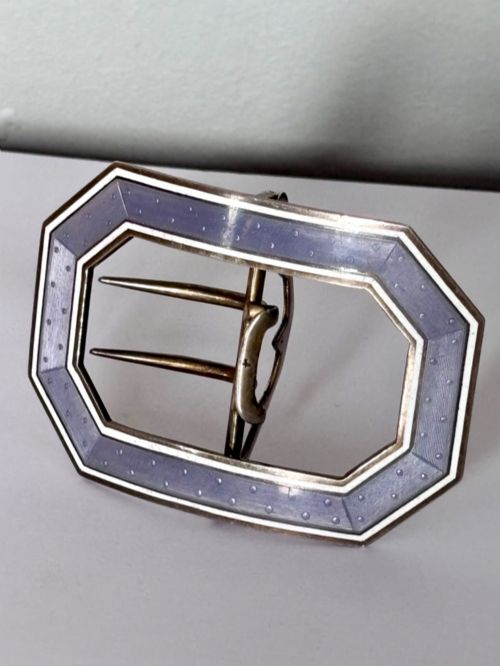
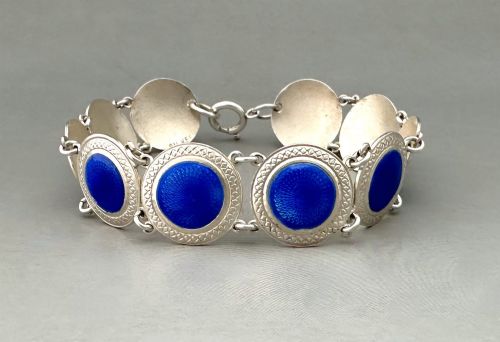
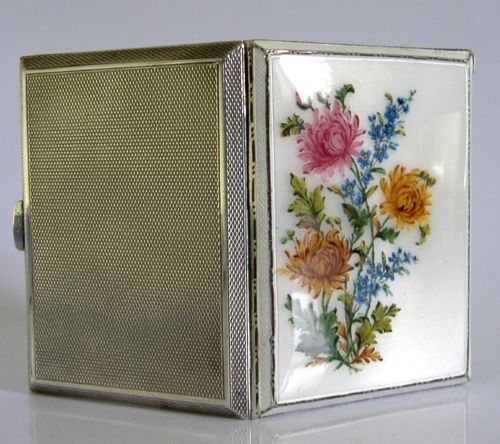
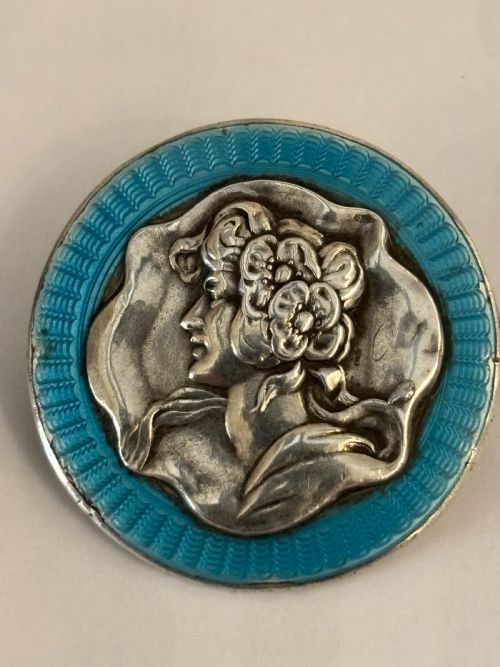
When you search for engine turned enamel, you encounter wearable ornaments, timepieces, and vanity items designed to showcase intricate geometric patterns beneath coloured vitreous layers. These pieces span the Victorian era, Edwardian period, and mid-century modern designs, reflecting shifting tastes in personal accessories.
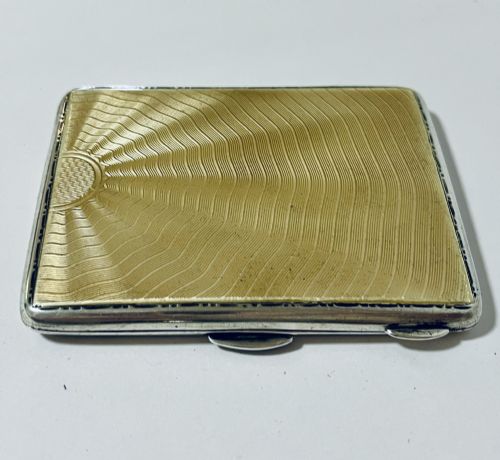
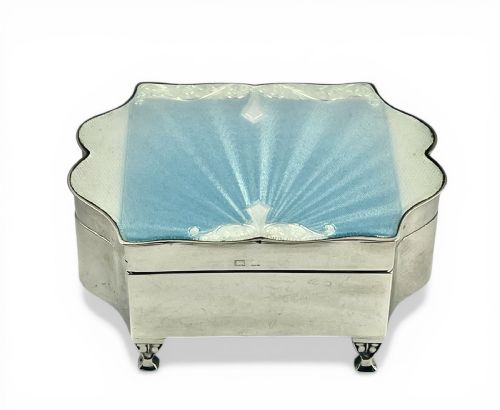
Cigarette cases, dressing table jars, compacts, and pocket watch cases form the most common formats on this page. Makers applied these decorative techniques extensively to sterling silver and brass foundations, creating durable functional objects with bright ornamental surfaces.
Geographic origins range across Britain, France, Austria, and Scandinavia, producing distinct regional styles from ornate Belle Epoque work to clean-lined Art Deco geometry. The combination of guilloche engraving and translucent enamel defines the visual character of these diverse objects.
Materials and technique
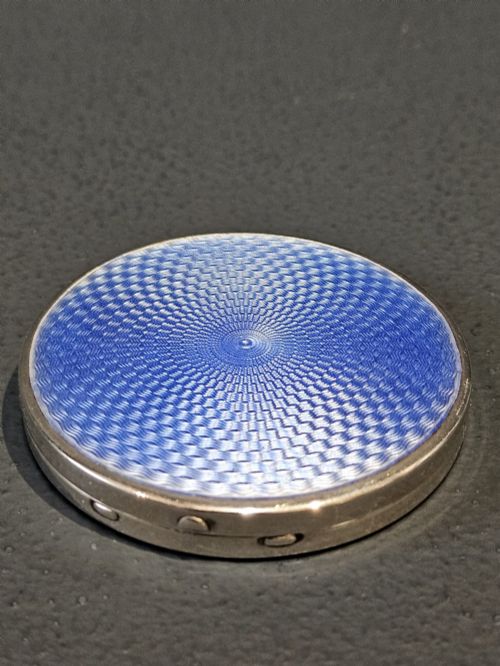
Craftsmen utilised rose engine lathes to cut precise, repeating mechanical patterns into sterling silver or brass blanks. This precise metalwork, known as guilloche, provides the light-reflecting foundation that shines through subsequent layers.
Ground glass powder mixed with water was applied by hand to the engraved metal and fired in a kiln to fuse the vitreous enamel. Multiple firings allowed artisans to build depth and translucent colour across the surface.
Engine Turned Enamel Retail Price Guide 2026
Typical asking prices for engine turned enamel among the pieces listed under this phrase on Sellingantiques today, from the lower quarter to the upper quarter. They describe what is for sale here now, not the wider market.
Some travel clock cases double as pocket watch stands, proving that past travellers insisted on telling time in style.
Assessing quality
The refinement of the underlying engine turned engraving dictates the initial grade of the piece, with tighter, deeper geometric patterns requiring greater mechanical skill. Simpler, shallower machine cuts yield less visual interplay when light strikes the translucent surface.
The clarity and even thickness of the vitreous enamel coating separate standard production from finer work. Smooth, unblemished surfaces with uniform colour saturation demonstrate superior kiln control and material purity during fabrication.
Mappin & Webb·David Andersen
The Engine Turned Enamel Glossary
- Guilloche
- A decorative mechanical technique where a lathe etches precise geometric patterns into metal. This engraved base creates the shimmering background visible beneath translucent enamel.
- Vitreous enamel
- A material made by fusing powdered glass to a metallic substrate at high temperatures. The resulting coating provides durable, glossy colour.
- Half hunter
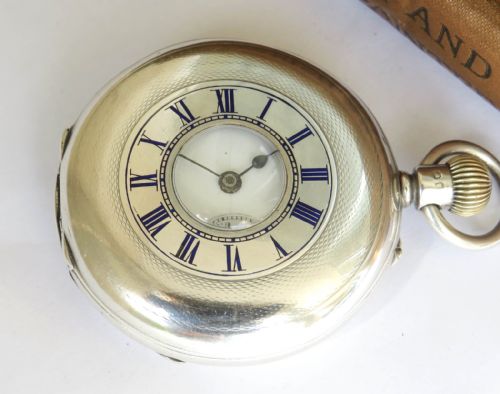
- A pocket watch design featuring a protective outer case with a central glass aperture. This allows the user to view the hands without opening the cover.
- Sterling silver
- An alloy consisting of silver and other metals, typically copper, standardised for structural durability. It serves as the primary metal framework for many fine enamel accessories.
- Carriage clock
- A small, spring-driven portable clock developed for travelling in horse-drawn carriages. They frequently incorporate decorated dials and glass panels within brass frames.
Engine Turned Enamel: Frequently Asked Questions
What is engine turned enamel?
Engine turned enamel refers to decorative items featuring precision mechanical engraving beneath a translucent glass coating. The technique creates repeating geometric patterns that catch and reflect light through the coloured glaze.
Artisans applied this method primarily to silver accessories, timepieces, and vanity objects during the late nineteenth and twentieth centuries.
How do I clean my silver enamel pieces?
Cleaning requires a soft microfibre cloth and warm soapy water applied gently to the metal components. Avoid harsh silver dips or abrasive brushes, as chemical cleaners can damage vulnerable vitreous enamel surfaces.
Dry the item thoroughly immediately after cleaning to protect exposed metal joints and hinges.
How do I date an enamel item?
Dating relies on hallmarks stamped into the silver framework, stylistic cues, and manufacturing techniques. British pieces often feature assay office marks and date letters that pinpoint the exact year of production.
Art Deco and Art Nouveau design motifs offer broad chronological brackets when official hallmarks are absent or foreign.
Were these items used daily?
Many of these objects served as practical daily accessories for Victorian and twentieth-century life. Cigarette cases, pocket watches, and dressing table jars were manufactured for regular personal utility.
Despite their functional purpose, the delicate nature of glass enamel meant owners often handled them with care.
What caused the different enamel colours?
Manufacturers added various metal oxides to powdered glass before kiln firing to produce distinct hues. Cobalt created deep blues, while other mineral additives generated greens, reds, and opaque whites.
The transparency of the chosen colour determined how much of the underlying guilloche pattern remained visible.