



Engine Turned Clock
An engine turned clock brings precision patterning to the dial or case, offering a tactile finish that catches the light.
Engine Turned Clock
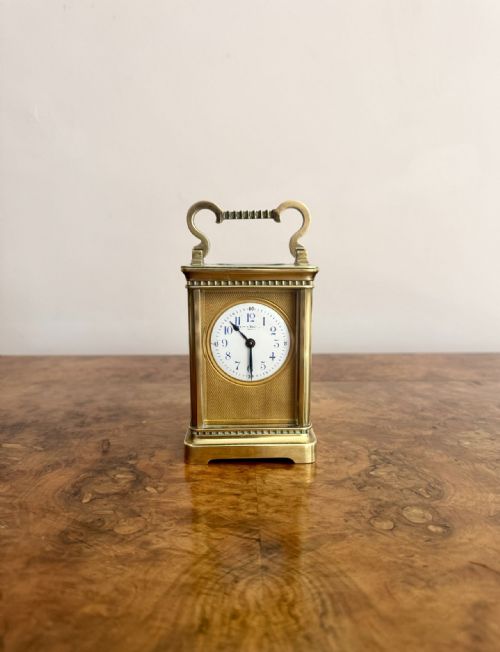
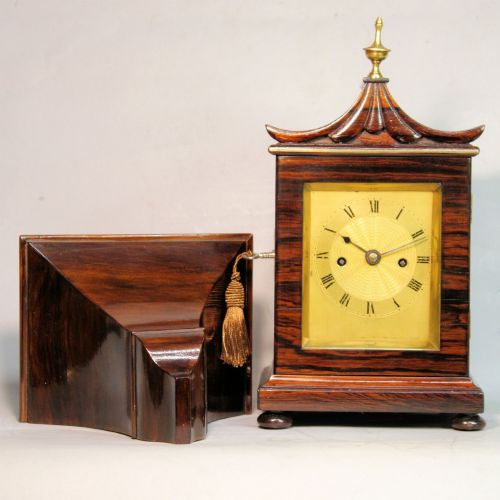
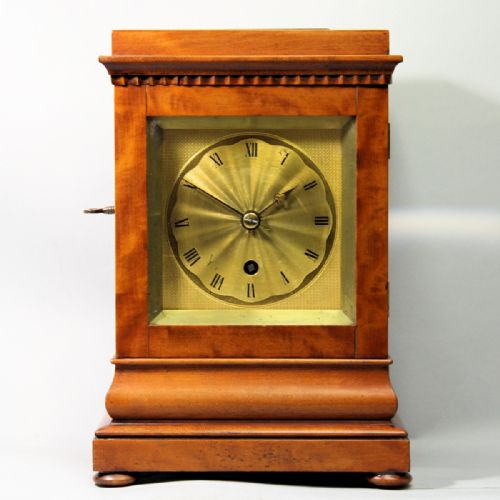
An engine turned clock is a timepiece featuring precise geometric patterns carved into metal surfaces, most commonly found among carriage clocks, desk accessories, and mantel clocks. When buyers search for an engine turned clock, they encounter pieces spanning the Regency period through to the 1920s.
The selection ranges from miniature travel clocks and pocket watch cases to substantial library clocks and mantel pieces. Brass, gilt bronze, patinated bronze, and silvered metal form the primary housing for these mechanical items.
French carriage clocks with engine turned masks appear frequently alongside English fusee bracket clocks and Victorian strut clocks. These objects served both practical timekeeping and decorative roles in the home or during travel.
How they were made
Maker workshops utilised heavy brass, gilt ormolu, and patinated bronze to construct the structural cases and movements of these timepieces. Rosewood and satinwood occasionally provided timber framing for library and bracket clocks.
Engines or rose engines mechanically cut repetitive geometric patterns into metal masks and dials, a technique visible on carriage clock faces and silver travelling cases. Enamel and glass components completed the dial faces and protected the delicate hands.
Cherubs occasionally peek out from gilt ormolu frames, watching time pass.
What varies in quality
Quality rests in the crispness of the mechanical engraving on the dial mask and the integration of materials like gilt bronze, silver, and glass. Finer examples display meticulous attention to proportion across miniature formats and larger library cases.
The sophistication of the internal movement, whether a fusee mechanism or a carriage clock platform escapement, separates standard items from superior pieces. Casing materials such as solid rosewood or heavy gilt ormolu further distinguish the tier of manufacture.
Howell & James·Thomas Cole·Henry Berkeley Square
The Engine Turned Clock Glossary
- Engine turned
- A method of mechanical decoration where geometric patterns are cut into metal surfaces. This technique produces precise textures on clock dials and masks.
- Fusee
- A conical pulley used in clock movements to maintain even driving force as the mainspring unwinds. This mechanism improves timekeeping accuracy in bracket and library clocks.
- Carriage clock
- A portable spring-driven timepiece designed for travellers. They often feature glass panels and a carrying handle.
- Strut clock
- A timepiece supported by a hinged prop or stand at the back. These decorative items sit on desks, tables, or mantels.
- Ormolu
- Gilded bronze used for ornamental mounts and clock cases. The finish gives a bright golden appearance to metal surfaces.
Engine Turned Clock: Frequently Asked Questions
How do I wind an engine turned clock?
Most mechanical clocks require a specific key to tension the mainspring through the dial or back plate. Care must be taken not to overwind the movement.
Consulting the specific escapement type ensures the clock runs accurately without placing undue strain on the internal gears.
Where were carriage clocks placed?
Carriage clocks originated as portable timepieces for travellers during the nineteenth century. They sat securely in carriages or railway compartments during transit.
Upon arrival at a destination, owners placed them on bedside tables or mantelpieces to serve as dependable timekeepers.
What is a fusee movement?
A fusee movement uses a conical pulley and a chain to regulate the power delivered from the mainspring. This compensates for the diminishing force of the spring as it unwinds.
This mechanical refinement ensures consistent tension reaches the escapement, supporting better timekeeping precision.
How do I identify a Victorian strut clock?
Victorian strut clocks feature a supportive back leg or strut that allows the timepiece to stand upright on flat surfaces. They frequently incorporate gilt brass or enamel elements.
Design influences from makers like Thomas Cole often appear in the decorative framing and dial layout.