

Enamelled Watch Fobs
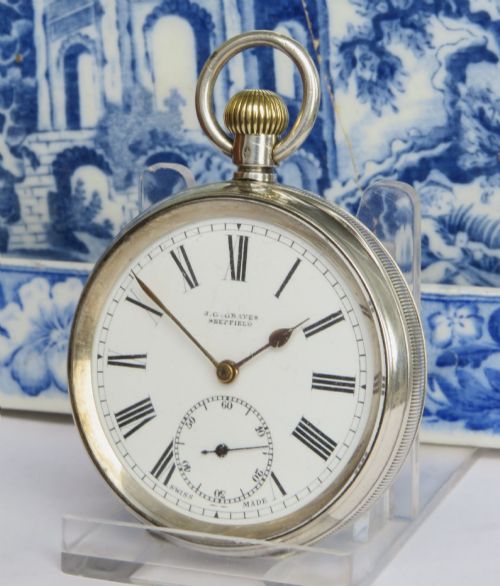
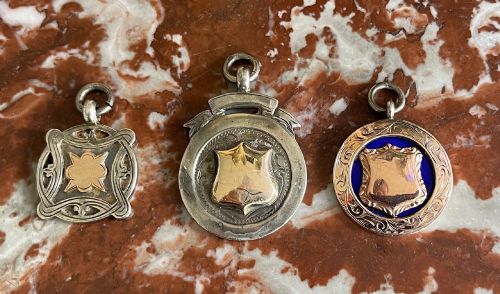
These enamelled watch fobs combine bright vitreous colour with practical pocket watch chains, offering a distinct pocket ornamentation.
Enamelled Watch Fobs
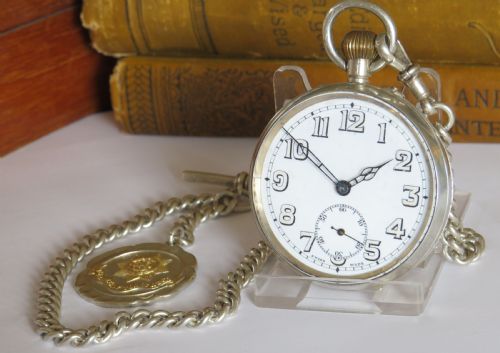
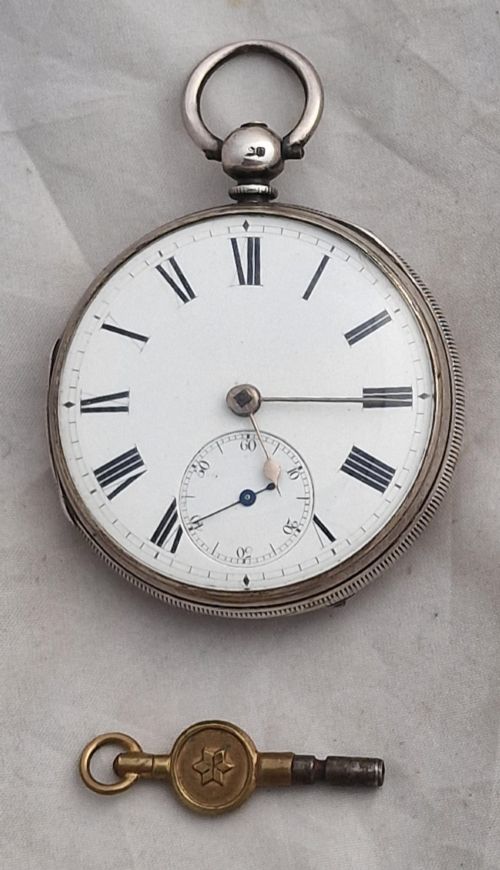
When you search for enamelled watch fobs, you encounter small decorative pieces designed to attach to watch chains or dangle from pocket timepieces. The pieces appearing here span from the Victorian era and the nineteenth century through the Edwardian period, nineteen-tens, nineteen-twenties, and nineteen-thirties, reflecting diverse manufacturing eras.
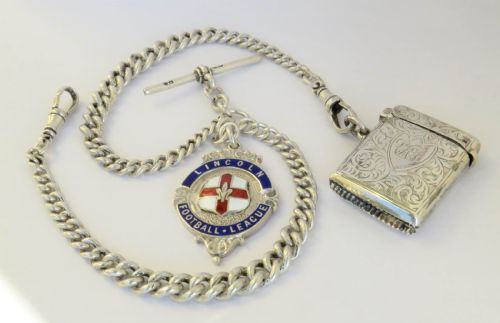
Many examples arrive linked to pocket watch chains, military fobs, bravery awards, and club medals such as Irish football fobs. The styles range across Victorian, Edwardian, Art Deco, and Louis XVI influences, showing how ornamentation shifted over the decades.
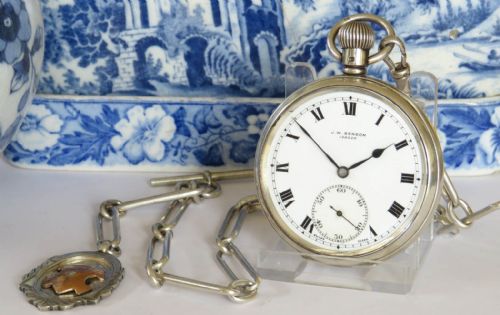
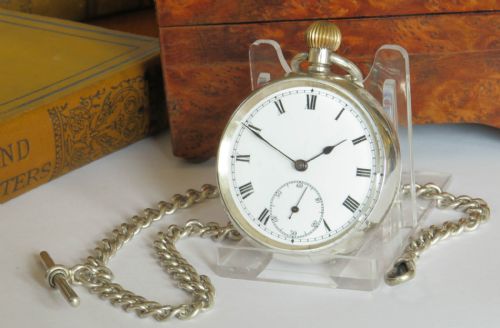
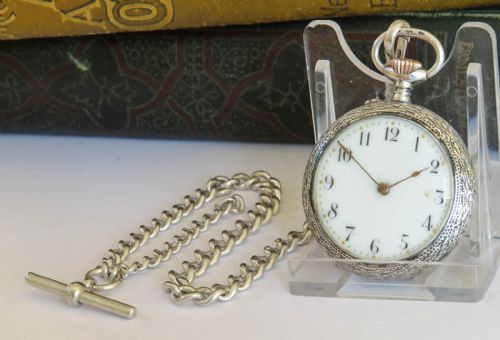
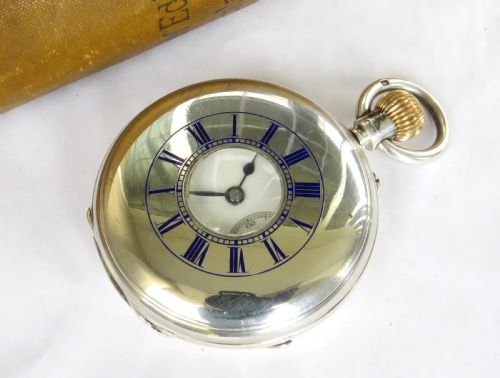
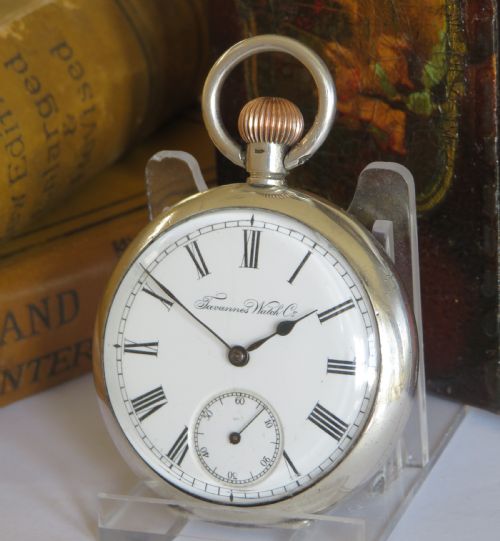
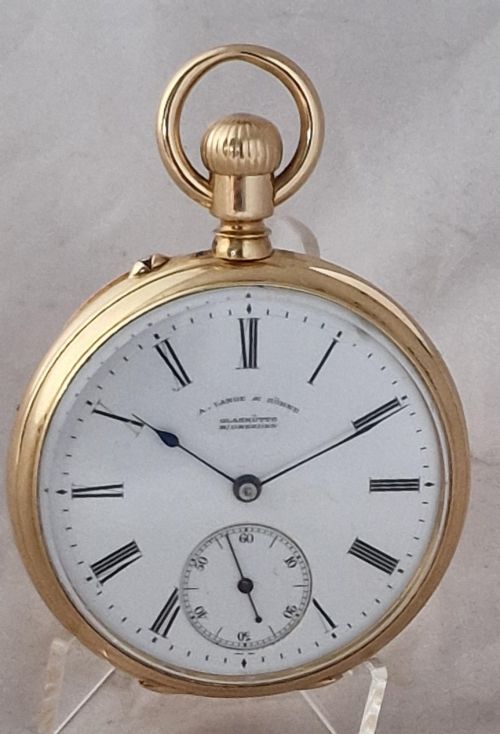
The physical formats include standalone watch fobs, watch cases, and complete assemblies of silver watch chains paired with enamelled pendants. The materials recorded in these listings combine precious metals with vitreous glass coatings.
Materials and construction
Makers constructed these items using silver, sterling silver, gold, gold plate, and rolled gold as the metal base for the decorative elements. Steel also appears among the supporting hardware and watch components linked to the chains.
Vitreous enamel and glass provide the colourful surfaces fused to the metal bases, creating durable panels and coloured emblems. Craftspeople shaped these components into shields, discs, and geometric or heraldic motifs typical of early twentieth century design.
Enamelled Watch Fobs Retail Price Guide 2026
Typical asking prices for enamelled watch fobs among the pieces listed under this phrase on Sellingantiques today, from the lower quarter to the upper quarter. They describe what is for sale here now, not the wider market.
Listings combine silver, gold plate, and rolled gold with vitreous enamel across Victorian, Edwardian, and Art Deco styles.
Judges of quality
Quality rests in the crispness of the enamel work and the retention of the original vitreous surface without loss or heavy abrasion. Pieces featuring clean solder joints and well-defined metal stamping demonstrate superior initial production.
The complexity of the engraved or enamelled heraldry, club crests, or award inscriptions further distinguishes finer examples from plain functional items. Integration with hallmarked sterling silver chains and complete hardware adds to the overall integrity of the piece.
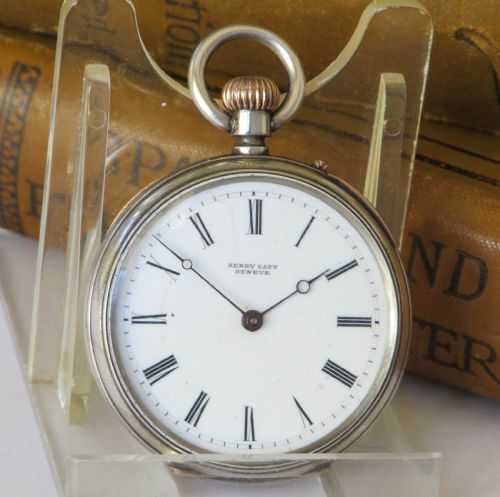
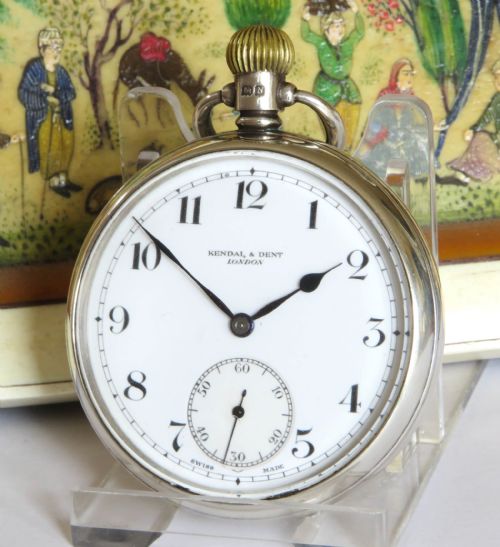
J W Benson·Henry Capt·Kendal & Dent·Lange & Sohne·Longines·Waltham·Omega·Elgin
The Enamelled Watch Fobs Glossary
- Enamel
- A glassy substance fused to metal through high-temperature firing. It provides smooth, permanent colour to fobs and watch cases.
- Sterling Silver
- A standard alloy consisting of ninety-two point five percent silver. It forms the solid metal body for many Victorian and Edwardian watch accessories.
- Rolled Gold
- A manufacturing method where a sheet of gold is mechanically bonded to a base metal core. This technique provided durable golden wear at a lower cost than solid gold.
- Full Hunter
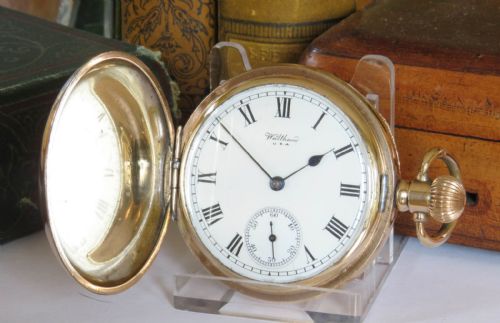
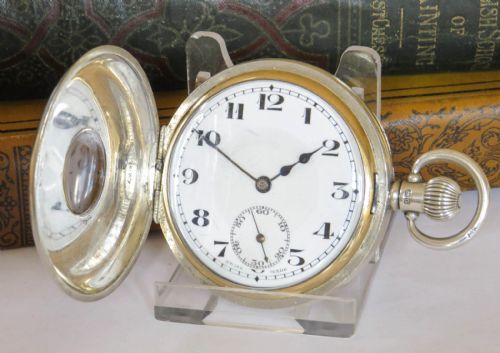
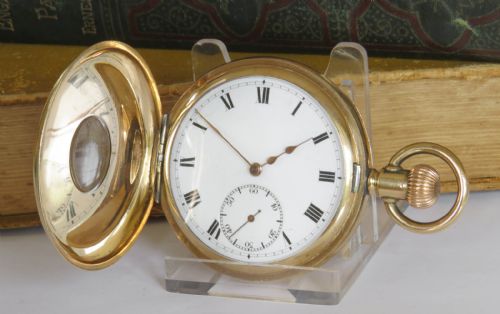
- A pocket watch style featuring a spring-loaded metal cover that protects the glass dial. Enamelled fobs frequently attach to the chains used with these watches.
- Hallmark
- An official stamp applied to precious metals indicating purity and origin. These marks help date silver fobs and watch chains accurately.
Enamelled Watch Fobs: Frequently Asked Questions
What are enamelled watch fobs?
These are small decorative pendants or medallions coated in coloured glass enamel, designed to hang from pocket watch chains. They frequently feature military insignia, club badges, or geometric Art Deco patterns.
Items listed range from Victorian shield designs to nineteen-thirties award pieces, combining precious metals with vitreous glass work.
How were they used?
Owners attached them to silver or gold watch chains that connected to pocket watches carried in waistcoat pockets. The fob dangled outside the pocket as a decorative ornament or a badge of club membership.
Many pieces also served as presentation awards for bravery or sporting achievements, marked with specific dates and organisation crests.
How do I date these pieces?
Dating relies on assay office hallmarks stamped into the silver or gold metal, alongside stylistic clues from the Edwardian and Art Deco periods. Letter stamps and maker marks on the attached chains and fobs provide precise production years.
Design motifs such as Louis XVI revival details or nineteen-twenties geometric patterns also narrow down the era of manufacture.
How do I care for enamelled pieces?
Store them away from hard objects to prevent the glass enamel from chipping or scratching against other metals. Clean them gently with a soft cloth without using harsh chemical dips that might harm the vitreous surface.
Keep silver chains and mounts polished separately to avoid transferring abrasive cleaning pastes onto the enamelled sections.