



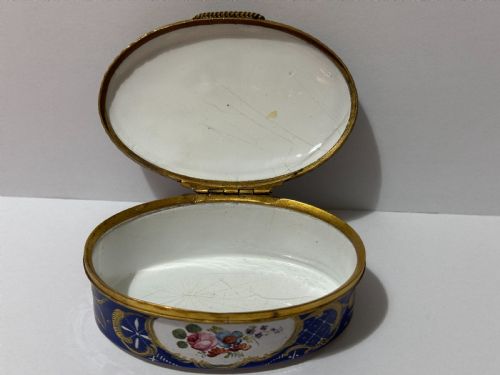


Enamelled Patch Box
An enamelled patch box is a small, hinged container for cosmetic patches, and collectors prize these vibrant pieces for their intricate painted surfaces.
Enamelled Patch Box
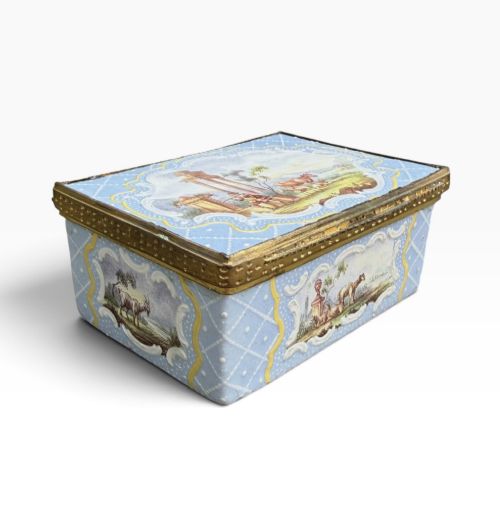
When you search for an enamelled patch box, you encounter small decorative containers produced primarily during the eighteenth and nineteenth centuries. These items served a practical purpose in Georgian society, holding small fabric patches used to cover blemishes or accent the face. The version you are most likely to meet on this page originates from English centres such as Bilston and South Staffordshire, dating from the Georgian period around seventeen eighty.
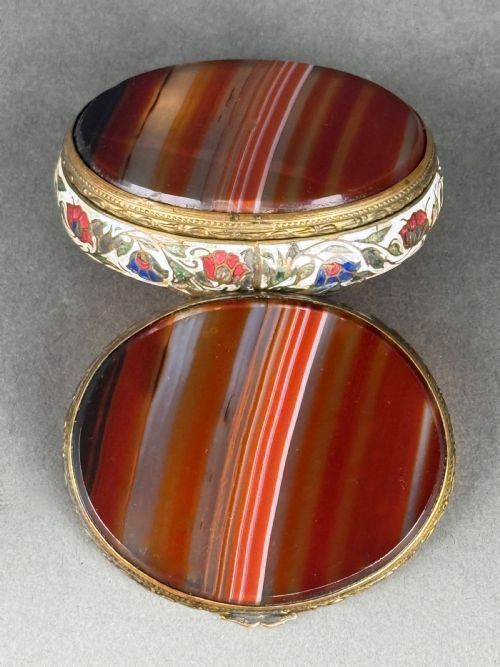
Beyond English workshops, the selection includes pieces spanning from the eighteenth century into the nineteenth century, with occasional examples reflecting Qing Dynasty Beijing enamel work or Swiss craftsmanship. Forms vary from simple rectangular and oval trinket boxes to specialised snuff boxes and vinaigrettes. Collectors encounter various designations such as bonbonniere and decorative boxes within these listings, all sharing the core characteristic of vitreous enamel applied to a metal base.
How they were made
Makers formed the body of each box using copper or brass, shaping the metal into rectangular, oval, or novelty forms before applying the surface decoration. Vitreous enamel was then fused to the metal foundation through firing, creating a smooth, glossy canvas for hand-painted scenes and inscriptions. Many pieces incorporated gilt metal or gilded copper mounts and hinges to frame the enamelled panels securely.
The decorative technique relied on finely ground coloured glass powders melted onto the metal substrate under high heat. Artisans often painted detailed miniature scenes, topographical views such as Cheltenham Wells, or sentimental mottoes directly onto the fired enamel surface before a final low-firing fixed the pigments.
Enamelled Patch Box Retail Price Guide 2026
Typical asking prices for enamelled patch box among the pieces listed under this phrase on Sellingantiques today, from the lower quarter to the upper quarter. They describe what is for sale here now, not the wider market.
What varies in quality
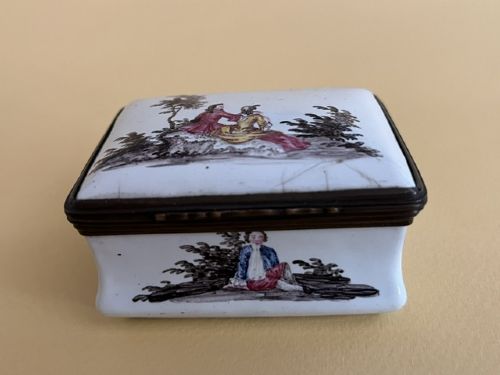
The finesse of the hand-painted miniature work distinguishes superior examples from standard production. Boxes featuring finely rendered figures in parkland scenes or detailed topographical lettering demonstrate greater artistic skill than simpler geometric or plain coloured counterparts. The crispness of the transfer printing or brushwork dictates the visual appeal of the lid.
The execution and preservation of the metal mounts also differentiate pieces. Boxes retaining original, well-fitting gilt metal hinges and bezels without excessive wear or repair hold a stronger presence. The integrity of the vitreous enamel, free from extensive cracking or major restoration, marks the better-surviving items from this era.
The Enamelled Patch Box Glossary
- Patch box
- A small container originally designed to hold cosmetic beauty patches. These boxes frequently featured interior mirrors fitted to the lid.
- Vitreous enamel
- A material made by fusing powdered glass to a substrate by firing, usually producing a durable and decorative coating. This technique defines the glossy finish of these boxes.
- Bilston
- An English town in Staffordshire noted for its extensive enamel production during the eighteenth century. Items from this centre often display delicate hand-painted decoration.
- Bonbonniere
- A small decorative container intended to hold sweets or confections. These objects share manufacturing techniques with standard patch and snuff boxes.
- Vinaigrette
- A small ornamental box featuring an internal pierced grille, designed to hold a sponge soaked in aromatic vinegar. These pieces often incorporate gold and jewelled elements.
Enamelled Patch Box: Frequently Asked Questions
What were enamelled patch boxes used for?
Georgian society utilised these small containers to hold small silk or velvet patches. These cosmetic patches were worn on the face to conceal blemishes or display fashionable shapes.
Over time, owners also repurposed the boxes for other small personal items such as pins, trinkets, or dry cosmetics.
How do I identify a Bilston enamel box?
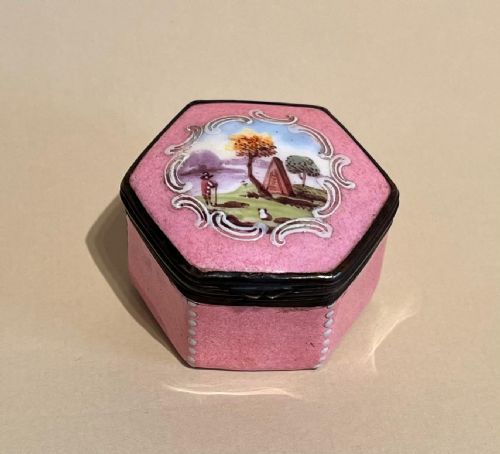
Bilston boxes typically date from the eighteenth century and feature smooth vitreous enamel fused over a copper base. They often display characteristic pink, blue, or white ground colours with hand-painted pastoral scenes or inscriptions.
Makers in the Staffordshire region produced many of these items without maker marks, requiring reliance on stylistic attribution and material traits.
How should I care for antique enamel boxes?
Keep these delicate objects away from direct sunlight, extreme temperature changes, and high humidity to protect the glass surface. Clean them gently with a dry or barely damp soft cloth without using abrasive chemicals.
Handle the boxes carefully around the hinges and closures, as the old copper and gilt metal mounts can weaken with excessive stress.
How can I tell the difference between periods?
Eighteenth-century examples often display characteristic Georgian forms with soft pastel enamel grounds and hand-painted miniature details. Pieces from the nineteenth century may show heavier gilding, different manufacturing marks, or altered stylistic proportions.
Examining the construction of the metal mounts and the style of the painted script helps establish the approximate decade of manufacture.