


Enamelled Chinese Vessel
An enamelled Chinese vessel brings centuries of meticulous metalwork and ceramic tradition into a room, offering rich colour and intricate pattern.
Enamelled Chinese Vessel
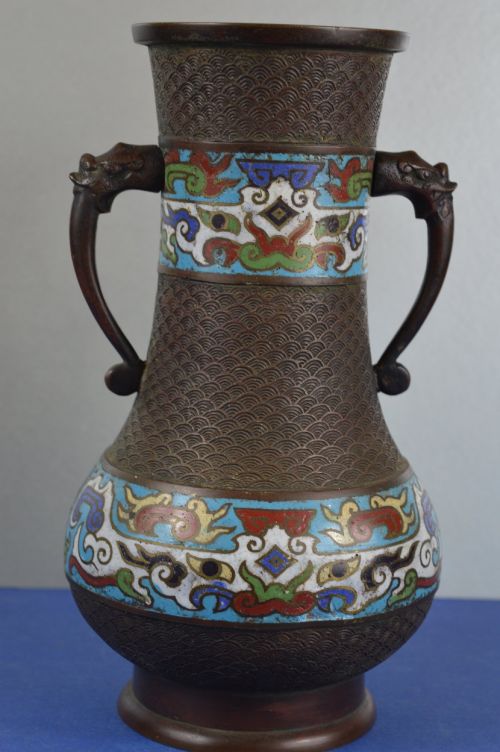
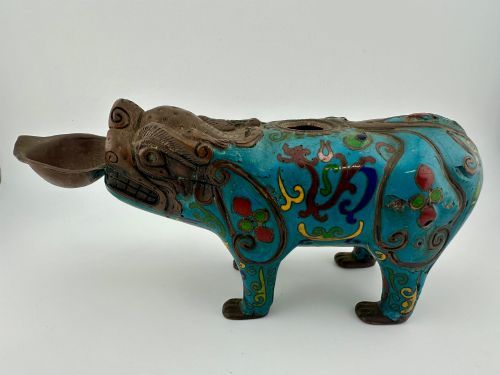
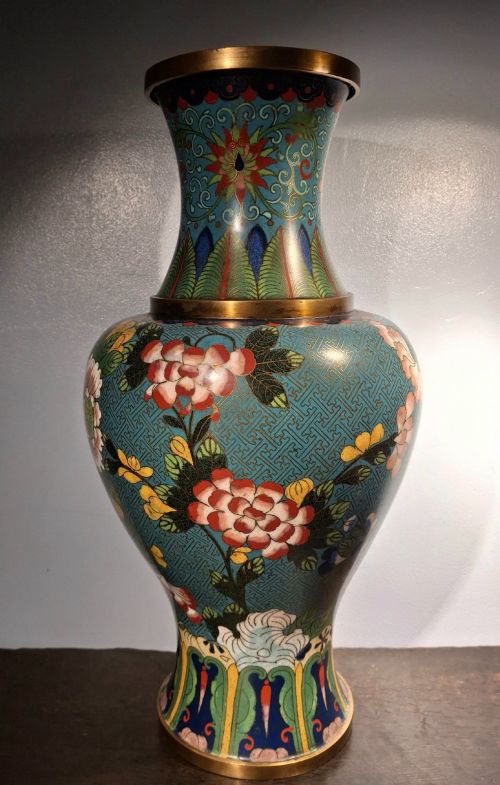
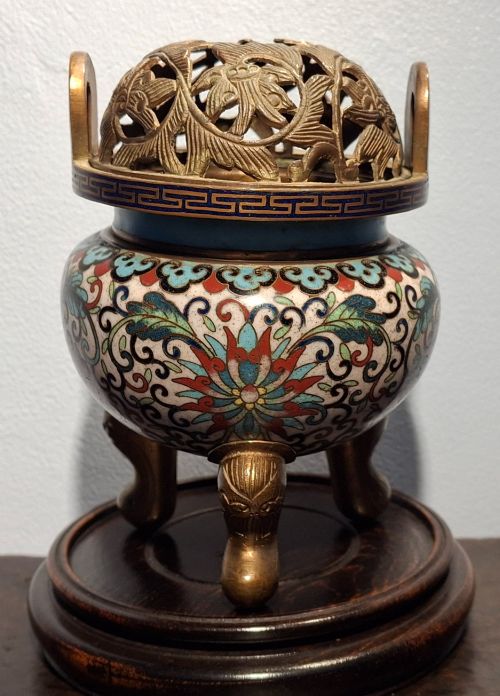
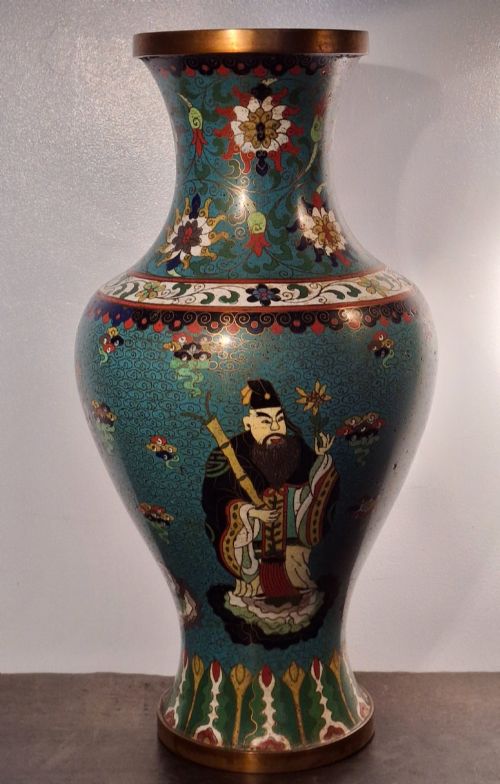
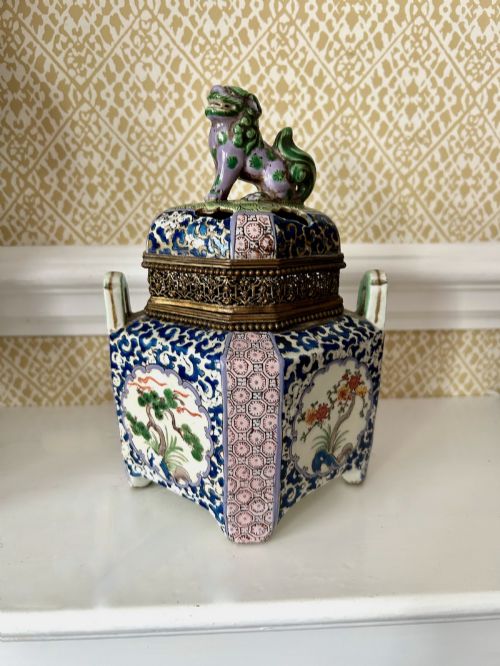
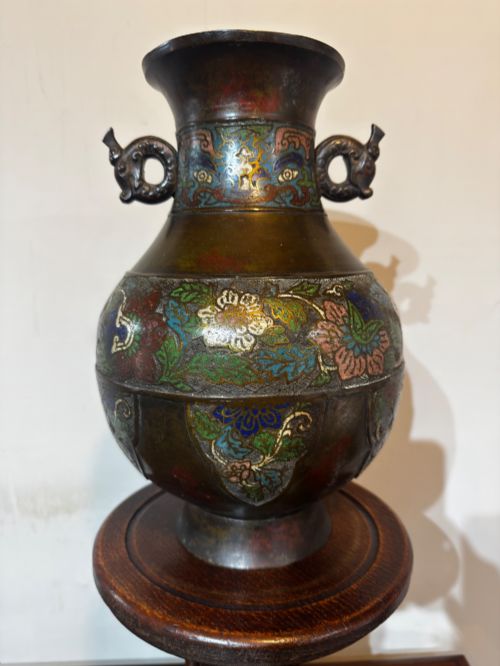
An enamelled Chinese vessel encompasses a diverse group of objects shaped from copper, bronze, brass, porcelain, and pottery, adorned with coloured vitreous pastes or painted enamel. These pieces range from substantial temple censers, jardinières, and large floor vases down to diminutive scholar's water pots and snuff bottles.
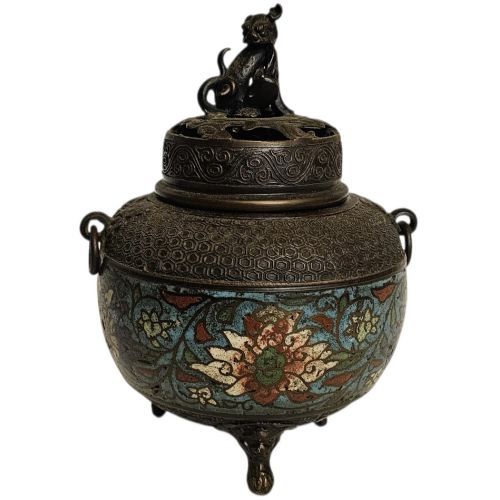
The versions most frequently met on this page date from the Qing Dynasty and the subsequent twentieth-century Republican and decorative periods. They showcase traditional forms such as tripod koro censers, garlic-head vases, and wine vessels inspired by ancient ritual bronzes.
Buyers encounter works created for export as well as pieces made for domestic scholar's studios and imperial settings. Each object demonstrates a specific intersection of metalworking, ceramic throwing, and glass-based surface decoration.
Techniques and Materials
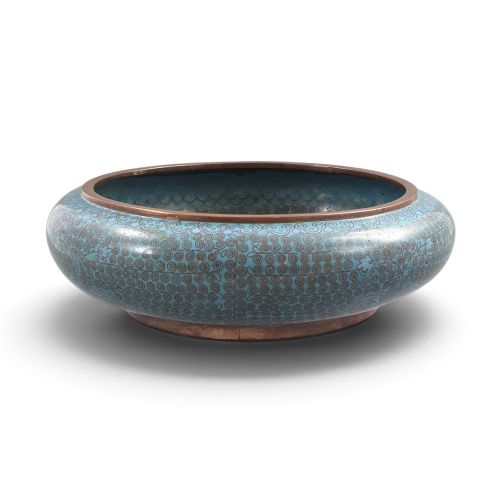
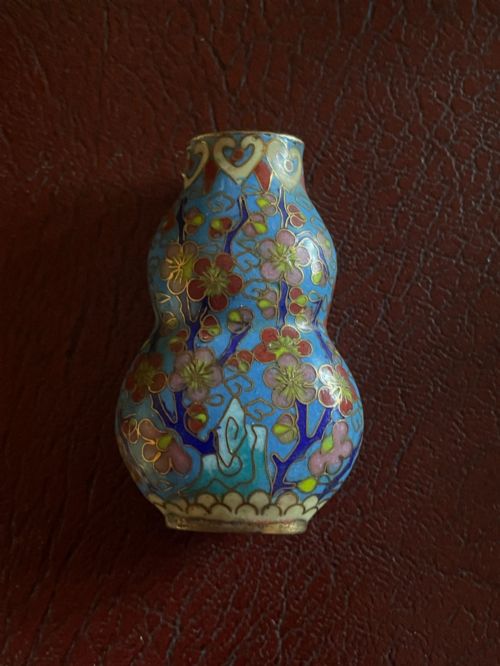
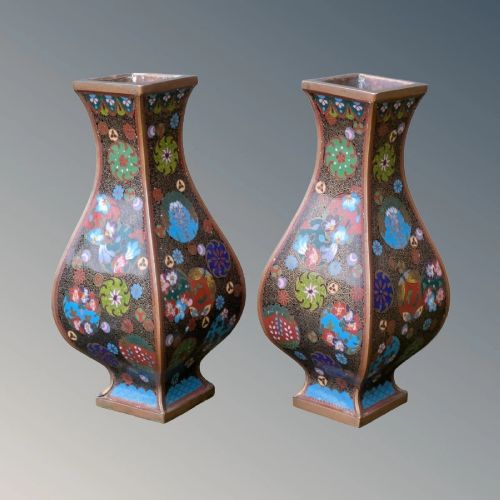
Cloisonné and champlevé techniques dominate the metal-based pieces, utilising thin copper or bronze wires soldered to a metal body to form intricate cellular patterns filled with coloured enamel pastes. Once fired and ground smooth, the metal skeletons hold vibrant fields of floral and abstract design.
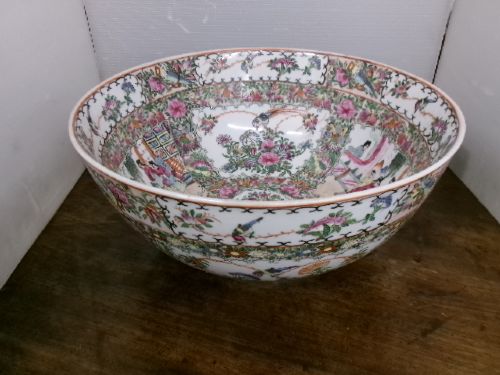
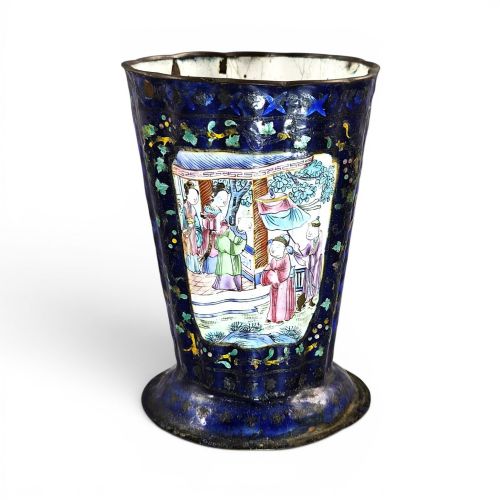
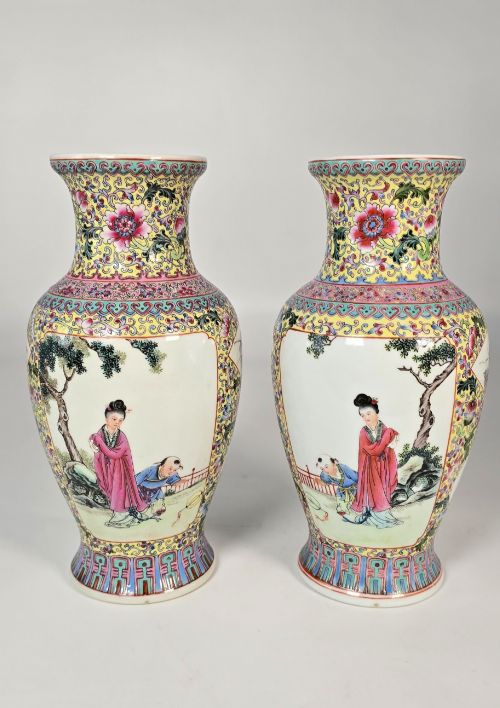
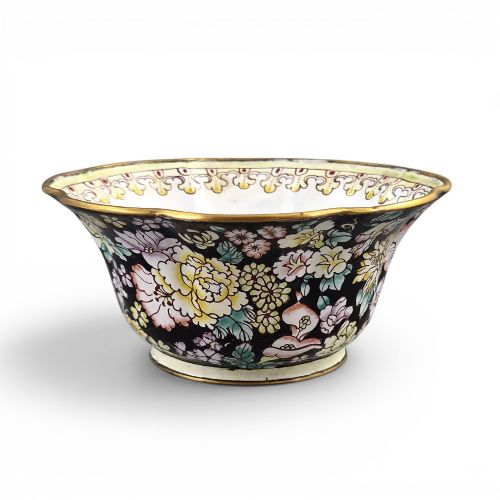
Painted enamel pieces apply pigments directly onto copper or ceramic surfaces, often associated with Canton production and the famille rose palette. These vessels require precise kiln firing to achieve the soft gradients of pinks, greens, and yellows seen across bowls and jars.
Enamelled Chinese Vessel Retail Price Guide 2026
Typical asking prices for enamelled chinese vessel among the pieces listed under this phrase on Sellingantiques today, from the lower quarter to the upper quarter. They describe what is for sale here now, not the wider market.
Several vessels quietly double as lamps, proving that even a nineteenth-century scholar's ritual piece appreciates a practical twentieth-century second act.
Judging Quality
Quality rests upon the precision of the enamel work and the crispness of the underlying metal or ceramic form. Finer vessels display tightly fitted cloisonné wires without pitting or excessive bubbling in the coloured pastes.
The harmony of the palette and the complexity of the hand-painted or cell-filled motifs distinguish standard decorative items from masterworks. Weight, balance, and the crisp definition of cast bronze or turned copper further separate everyday utility wares from high-status objects.
The Enamelled Chinese Vessel Glossary
- Cloisonné
- A decorative technique where metal wires are soldered to a base to create compartments filled with enamel paste. This method produces intricate, stained-glass-like patterns upon vases and censers.
- Champlevé
- A method where troughs or cells are carved directly into a thick metal surface and filled with enamel before firing. It creates bold, raised metal outlines around coloured fields.
- Famille Rose
- A prominent palette of opaque enamels introduced in the Qing Dynasty, dominated by pink and rose colours derived from colloidal gold. It decorates porcelain jars, plates, and vases.
- Censer
- A vessel designed for burning incense, frequently featuring a tripod base and a pierced cover. These objects hold a central place in ritual and scholar's spaces.
- Jardiniere
- A large ornamental pot or bowl used to hold plants or flowers. Examples in metal and enamel often sit upon dedicated stands.
Enamelled Chinese Vessel: Frequently Asked Questions
How do I distinguish cloisonne from champleve?
Cloisonne relies on thin metal wires soldered onto the surface of a vessel to create raised boundaries for the enamel. You can often feel the delicate network of wire partitions under your fingertips.
Champleve involves gouging or casting hollows directly into a thicker bronze or brass body to hold the enamel. The resulting metal borders are substantially broader and part of the main structure.
What periods do these vessels span?
The listings span from the eighteenth-century Qing Dynasty through the nineteenth century and into the mid-twentieth century. Pieces from the Qianlong and Guangxu eras sit alongside later Republican and 1920s examples.
Earlier items often reflect archaistic revivals of ancient ritual bronzes, while later twentieth-century pieces lean towards decorative export markets.
How were these vessels used originally?
Many metal vessels served as incense burners or censers in domestic shrines and scholar's desks, diffusing fragrant woods. Others functioned as brush washers, water pots, and containers for wine or tea.
Large jardinières and vases were built for interior display in reception rooms and halls, functioning as centrepieces of decoration and status.
How do I care for an enamelled vessel?
Maintain these pieces by dusting gently with a soft, dry brush to prevent particulate build-up in the recessed wire cells. Avoid chemical cleaners, water immersion, and abrasive cloths that can scratch soft copper bodies or delicate enamel surfaces.
Keep them away from direct sunlight and damp environments to protect the integrity of both the metal substrate and the vitreous pastes.