



Enamelled Amber Glass
Enamelled amber glass combines rich golden-brown tones with intricate surface decoration, offering collectors a striking piece of 19th-century and 20th-century craftsmanship.
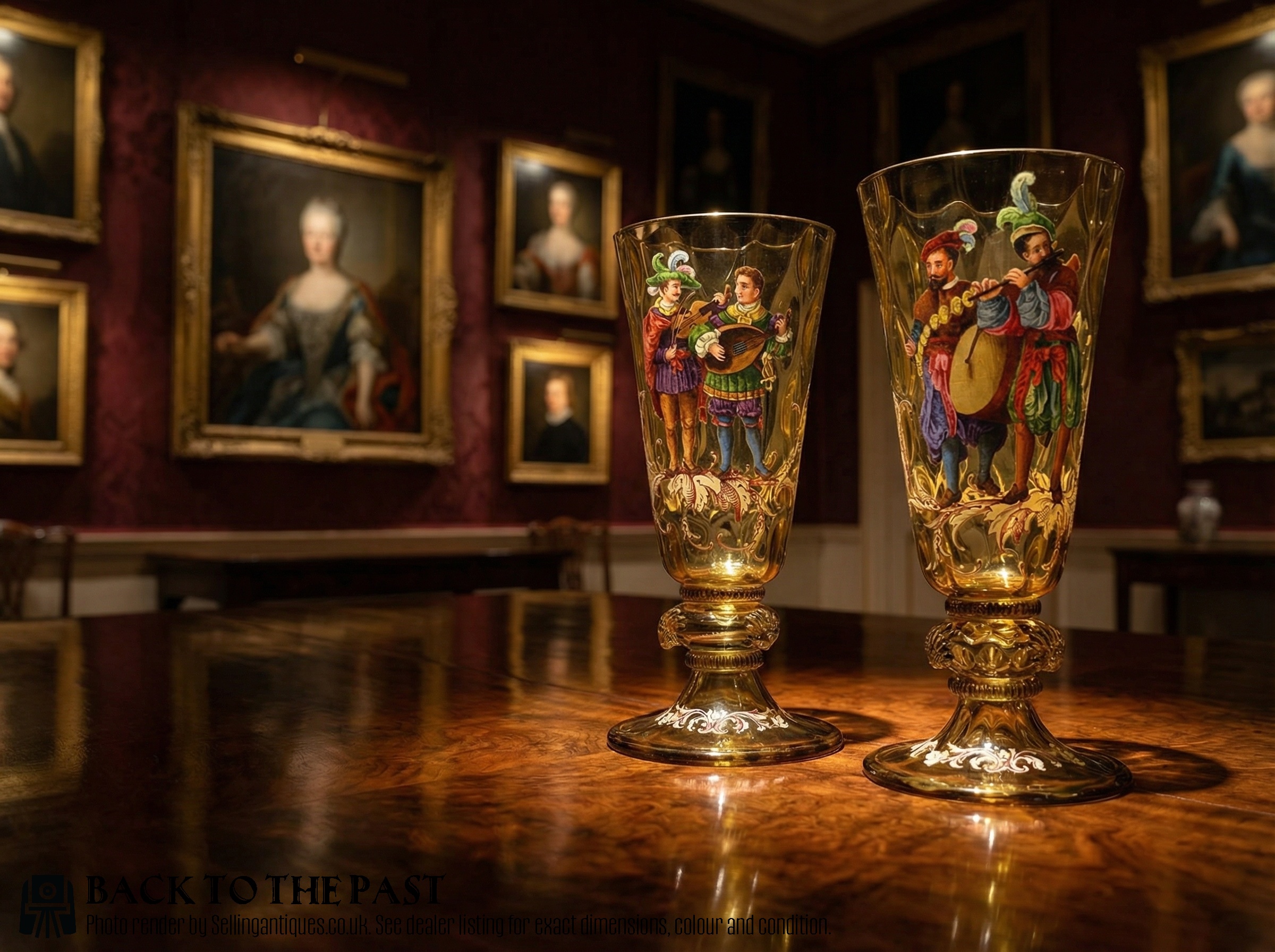
Enamelled Amber Glass
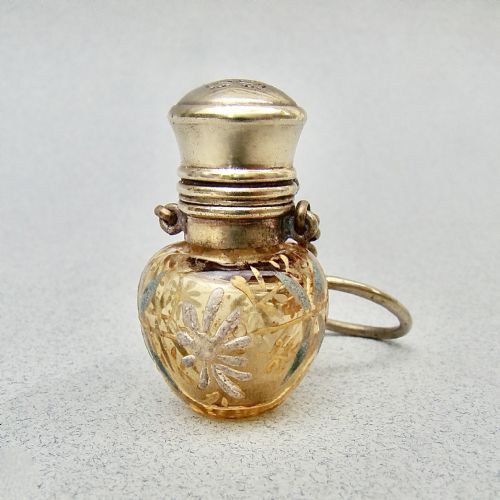
Enamelled amber glass encompasses decorative objects featuring pigmented glass surfaces painted with opaque or translucent enamel details. Buyers searching for enamelled amber glass typically encounter trinket boxes, dressing table jars, and scent bottles originating from French workshops during the nineteenth century.
These items emerge from periods spanning the Victorian era through to the early twentieth century, incorporating decorative styles such as Art Nouveau, Art Deco, and Victorian designs. The pieces combine deep amber hues with applied floral, geometric, or figurative enamel work.
How they were made
Artisans produced these objects using blown glass or crystal formed into vessels, boxes, and bottles, occasionally integrating bronze, ormolu, or silver mounts. The amber coloration derives from specific mineral additives introduced during the glass melting process.
Craftsmen applied enamel paints directly onto the cooled glass surface by hand before firing the pieces in a kiln to fuse the decoration permanently. This technique allowed for raised pictorial scenes, gilt accents, and detailed borders.
Enamelled Amber Glass Retail Price Guide 2026
Typical asking prices for enamelled amber glass among the pieces listed under this phrase on Sellingantiques today, from the lower quarter to the upper quarter. They describe what is for sale here now, not the wider market.
Listings for enamelled amber glass predominantly feature French trinket boxes and dressing table jars from the nineteenth century.
What varies in quality
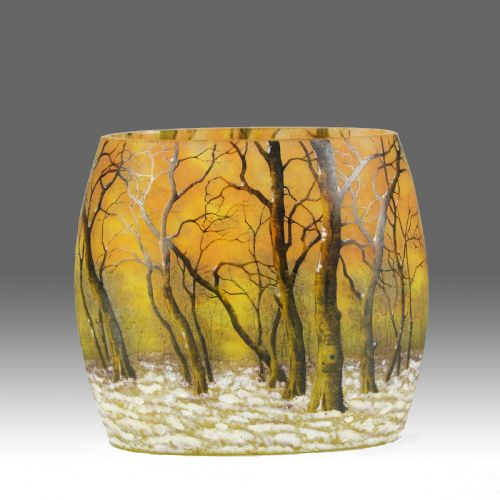
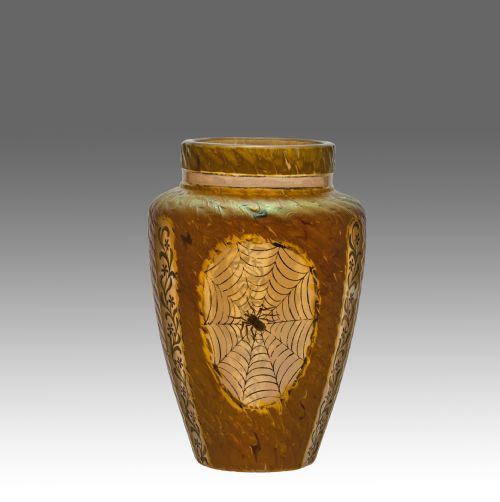
Quality separates through the precision and complexity of the enamel work, with superior examples exhibiting intricate brushwork, raised detailing, and well-preserved gilding. Pieces featuring professional hand-painted landscapes or botanical motifs command greater attention than simpler geometric repetitions.
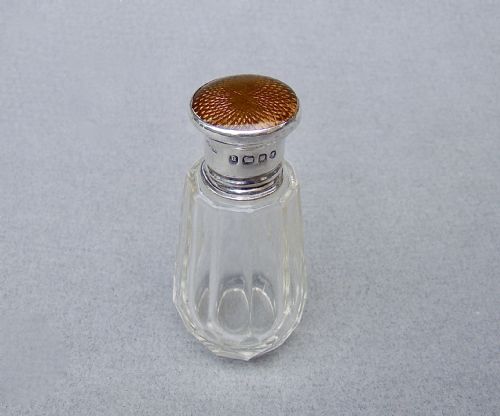
The integration of secondary materials such as chased ormolu, solid silver mounts, and original hardware influences the overall distinction of the object. Heavier crystal blanks and balanced proportions further elevate the standing of individual pieces.
Henry Perkins·Kralik Glass·Daum Frerès·S Theeman·Karl Palda·François-Eugène Rousseau·Baccarat·Moser
The Enamelled Amber Glass Glossary
- Enamel
- A glassy substance fused to the surface of glass or metal through firing. It provides vibrant colour and opaque decoration.
- Ormolu
- Gilt bronze mounts and fittings applied to glass bodies. This material frames and supports lids, bases, and hinges.
- Chatelaine
- A decorative belt hook worn with suspended accessories such as scent bottles or small containers. It allowed women to carry essential items at the waist.
- Cameo glass
- Glass formed in multiple layers of contrasting colours, then carved to create a raised relief design. This technique requires considerable skill from the glassmaker.
Enamelled Amber Glass: Frequently Asked Questions
What is enamelled amber glass?
Enamelled amber glass refers to decorative glass objects tinted in warm golden-brown shades and embellished with hand-painted enamel designs. These pieces range from Victorian trinket boxes to scent bottles.
Craftsmen created these items by applying pigmented glass formulations and firing surface enamel details into the material. The results showcase historical design movements including Art Nouveau and Victorian aesthetics.
How were these amber glass items used?
These pieces served functional and decorative roles within nineteenth-century and twentieth-century domestic interiors. Trinket boxes and dressing table jars held jewellery, pins, and cosmetics.
Scent bottles and decanter sets provided refined vessels for perfumes and spirits during social gatherings. Their placement on dressing tables and salon surfaces added colour and status to a room.
How do I date enamelled amber glass?
Dating relies on examining stylistic indicators, mounting materials, and manufacturing techniques. Nineteenth-century examples often feature heavy ormolu mounts and romantic Victorian motifs.
Later twentieth-century pieces display streamlined Art Deco geometries or transitional modernist forms. Maker signatures and registry marks, where present, help pinpoint the exact period of origin.
How do I care for enamelled amber glass?
Proper care involves gentle dusting with a soft, dry cloth to protect the delicate enamel surface. Avoid using abrasive cleaning agents or immersing mounted pieces in water.
Keeping items away from direct sunlight preserves the vibrancy of the amber glass and painted enamels. Metal mounts benefit from occasional light dusting without chemical polishes that might damage adjacent glass.