


Enameled Shelf Clock
An enameled shelf clock brings vibrant colour and meticulous metalwork into a room, uniting functional timekeeping with decorative brilliance.
Enameled Shelf Clock
When you search for an enameled shelf clock, you encounter domestic timepieces designed primarily for mantelpieces, desks and brackets. These objects combine metal cases with vitreous enamel dials or decorative panels, originating predominantly from French workshops and English retailers during the nineteenth and early twentieth centuries.
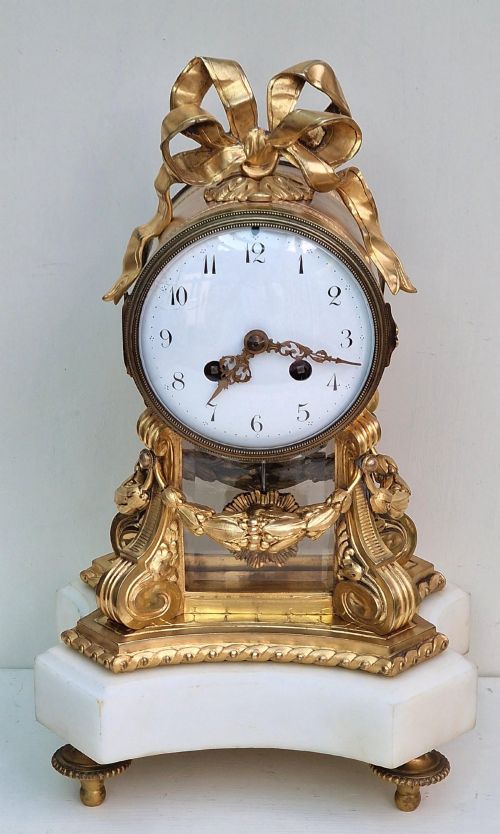
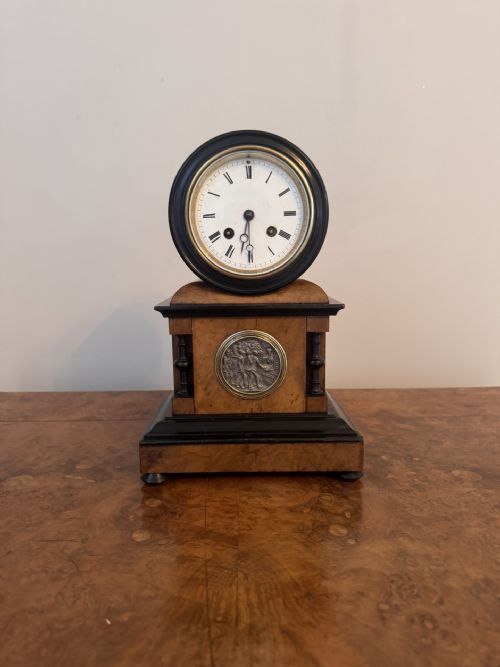
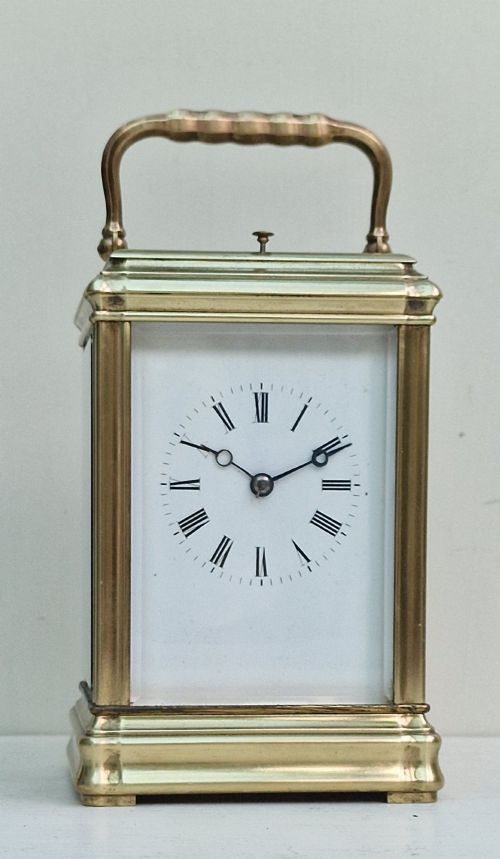
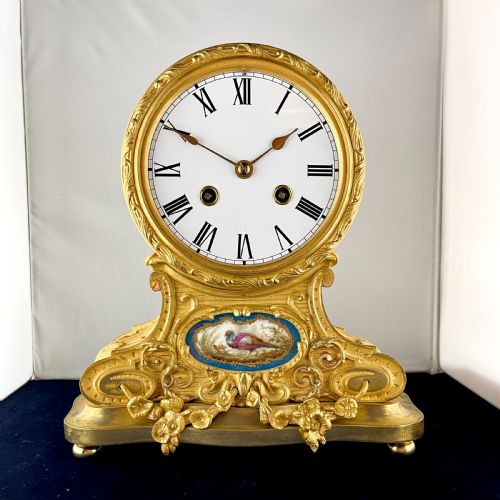
The pieces on this page appear in various forms, including mantel clocks, carriage clocks and bracket clocks. Styles span from French Rococo Revival and Neoclassical designs to Arts and Crafts creations, reflecting the diverse aesthetic preferences of the Victorian era and the Edwardian period.
Materials and construction
Maker construction relies heavily on brass, ormolu and gilt bronze housings fitted with glass panels or marble bases. Artisans fused powdered glass to metal surfaces at high temperatures to create smooth enameled dials and ornamental details.
Wood cases also appear, incorporating ebonised finishes, mahogany, rosewood and faux tortoiseshell veneers. Movement mechanisms were housed within these robust shells, often paired with champlevé enamel work or pewter mounts.
Paul Garnier clocks travelled extensively in luggage compartments, ensuring nineteenth-century owners missed neither trains nor dinner appointments.
What separates the finest examples
Quality rests upon the crispness of the cast bronze or ormolu mounts and the depth of the enamel work on the dial and case. Superior pieces display hand-painted numerals and intricate chasing on the metalwork rather than mass-produced stamping.
The integration of the movement dictates the standing of a clock, with eight-day striking and repeating mechanisms showing superior workshop capability. Well-proportioned marble or four-glass cases maintain structural integrity and visual balance.
David Veasey·Liberty and Co·Archibald Knox·Paul Garnier
The Enameled Shelf Clock Glossary
- Champlevé
- An enamelling technique where troughs are dug into a metal surface and filled with vitreous enamel powder before firing. This method creates bold coloured patterns flush with the surrounding metal.
- Ormolu
- Gilded bronze produced by applying a mercury and gold amalgam to a bronze base and heating it to drive off the mercury. This leaves a durable, rich golden finish characteristic of French decorative objects.
- Carriage clock
- A small, portable spring-driven timepiece fitted with a carrying handle and often glass sides. They originated for travel in horse-drawn carriages and trains.
- Gorge case
- A stepped, rectangular brass carriage clock case design with distinct architectural mouldings. It represents a standard housing style for late nineteenth-century portable timepieces.
- Four glass clock
- A mantel clock housed in a glazed brass frame that exposes the movement from all sides. These pieces rely on precise internal alignment to maintain stability.
Enameled Shelf Clock: Frequently Asked Questions
How do I wind my clock?
Most mechanical timepieces require a key inserted into the dial or backplate to tension the spring barrel. Turn the key gently until resistance signals the mainspring is fully wound.
Avoid over-winding the mechanism, as this can strain the internal springs and disrupt accurate timekeeping over the course of an eight-day cycle.
Where should I place a clock?
Position your timepiece on a stable, level surface away from direct sunlight, draughts and moisture. Mantelpieces and sturdy bookshelves offer adequate support without excessive vibration.
Ensure the placement allows easy access for routine winding and regulation without disturbing delicate marble or glass components.
How do I clean the enamel?
Dust the glass and metal surfaces gently with a soft, dry lint-free cloth. Keep moisture and chemical cleaners away from the enameled dial to prevent permanent damage.
Professional horological conservators should handle internal cleaning and lubrication to protect the delicate brass wheels and escapements.