






Enameled Ceramic Vase
An enameled ceramic vase brings depth of colour and intricate painted detail to a room, offering centuries of artistry from Asian and European kilns.
Enameled Ceramic Vase
An enameled ceramic vase encompasses traditional vessels shaped from clay, porcelain, and stoneware, decorated with vitrified glass pastes and coloured pigments. When searching for an enameled ceramic vase, buyers encounter everything from large nineteenth century Chinese floor jars to delicate Japanese Satsuma and European cabinet pieces.
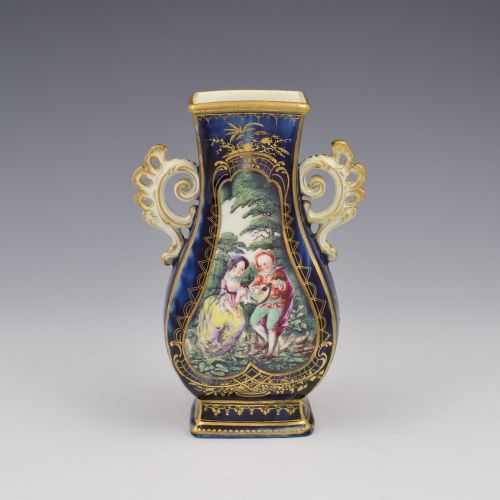
The selection ranges across several centuries and traditions, spanning eighteenth century export wares, Meiji period Satsuma earthenware, and twentieth century studio pieces. Forms vary from ginger jars and garlic-head vessels to large baluster shapes and jardinieres.
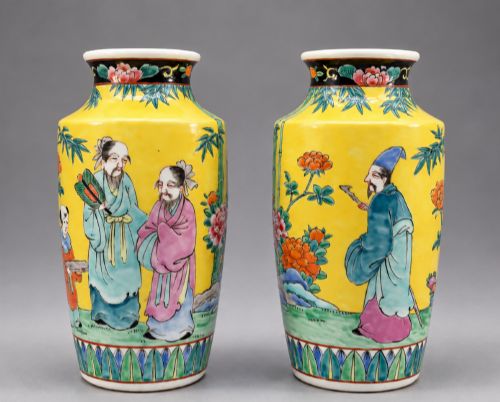
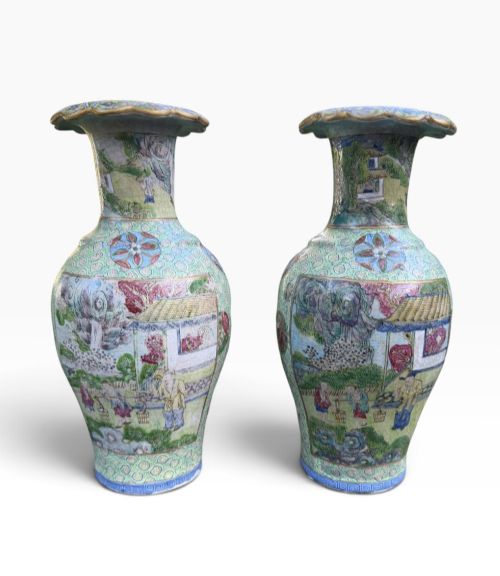
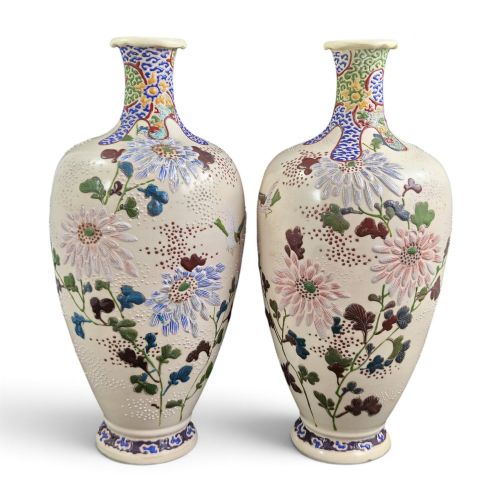
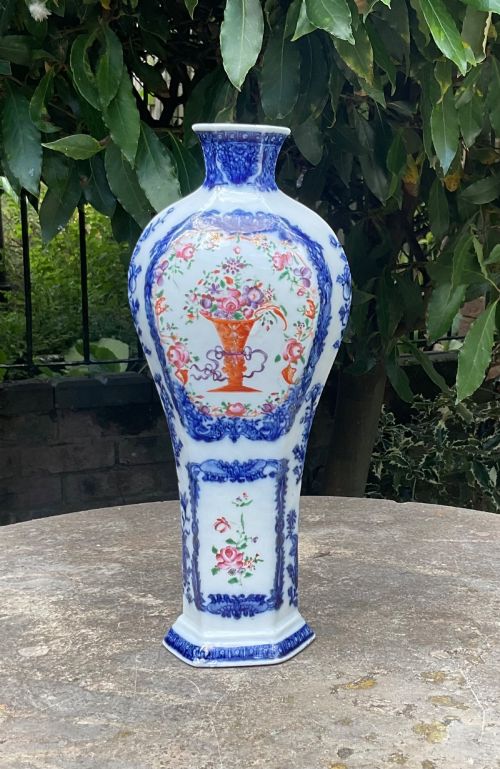
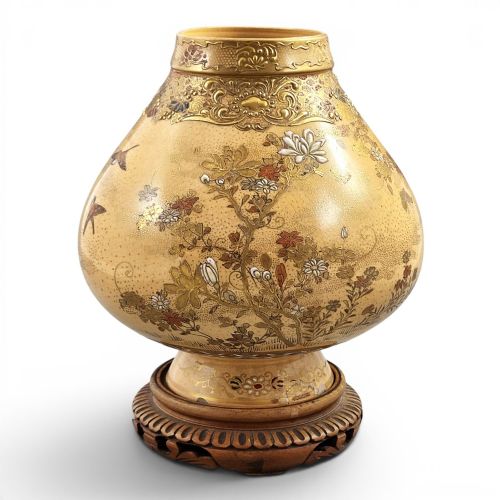
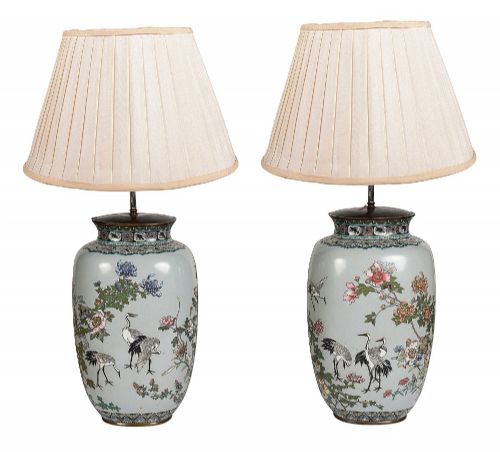
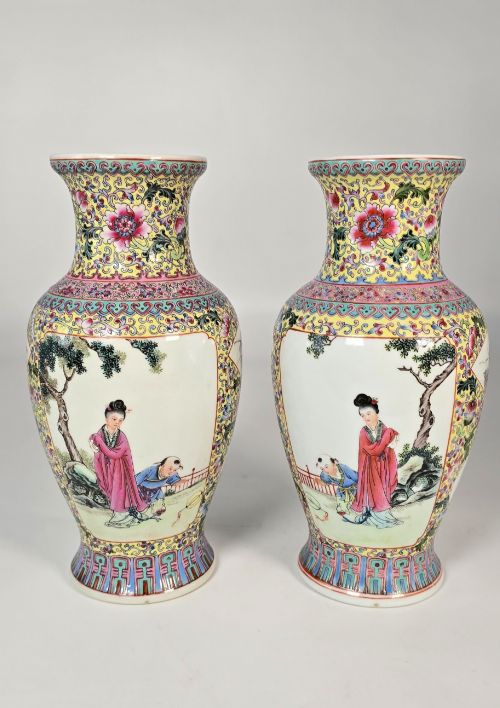
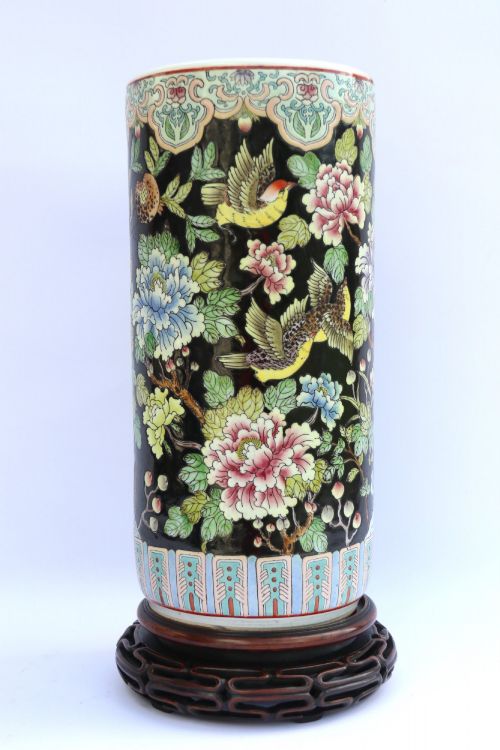
Japanese Satsuma and Chinese Famille Rose wares dominate the selection, bringing complex figural scenes, floral motifs, and raised moriage decoration into domestic spaces. These pieces function both as standalone decorative objects and, in some instances, converted lamp bases.
How They Were Made
Potters shaped bodies from refined porcelain, earthenware, or heavy stoneware before applying foundational glazes and fired the pieces in kilns to vitrify the ceramic body. Artisans then hand-painted detailed scenes using metallic oxides and enamel pigments, often adding gold leaf or gold gilt highlights.
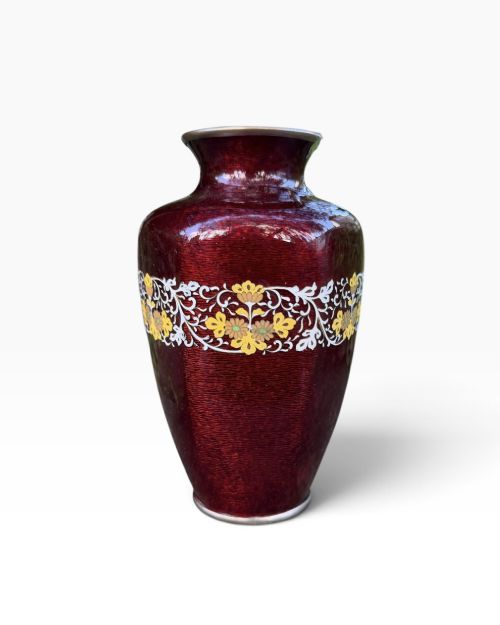
Cloisonné and ginbari techniques involved soldering thin metal wires to form cells on a metal base, which were subsequently filled with enamel paste and fired repeatedly. Earthenware bodies such as Satsuma required meticulous brushwork over crackle-glazed surfaces, sometimes combined with thick, raised slip known as moriage.
Enameled Ceramic Vase Retail Price Guide 2026
Typical asking prices for enameled ceramic vase among the pieces listed under this phrase on Sellingantiques today, from the lower quarter to the upper quarter. They describe what is for sale here now, not the wider market.
Listings feature enameled ceramic pieces spanning the eighteenth, nineteenth, and twentieth centuries, incorporating porcelain, stoneware, and cloisonné enamel.
What Varies in Quality
Quality rests upon the precision of the brushwork and the complexity of the enamel palette, distinguishing mass-produced export items from master-signed exhibition pieces. Superior examples display crisp lines, balanced compositions, and controlled kiln firing without warping or surface blemishes.
The weight and application of gold leaf and raised enamel detailing also set finer specimens apart, where dense gilding remains intact and lustrous. Pieces bearing specific workshop signatures or imperial and studio marks command greater attention for their documented provenance.
Maruni Kobe·Makuzu Kozan II·Samson Paris
The Enameled Ceramic Vase Glossary
- Famille Rose
- A palette of opaque pink and rose enamels introduced to Chinese ceramics during the Qing dynasty. This grouping includes related colour families such as famille noire and green-ground variants.
- Moriage
- A Japanese ceramic decorating technique using raised slip applied in dots or lines to create textured, tactile patterns. It is frequently seen on Satsuma earthenware vessels.
- Cloisonné
- An enamelwork technique where metal wires are affixed to a surface to create compartments for coloured glass pastes. The piece is then fired and polished smooth.
- Ginbari
- A specialised Japanese cloisonné method featuring textured or foil-backed metal grounds beneath translucent enamel. This technique produces a patterned, shimmering depth.
- Baluster
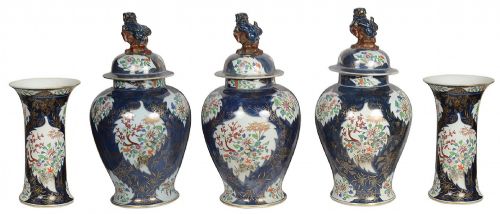
- A vase shape characterised by a wide swelling body that tapers toward the base and flares at the neck. It draws its silhouette from classical architectural supports.
Enameled Ceramic Vase: Frequently Asked Questions
How do I clean an enameled vase?
Dust the surface gently with a soft, dry brush to protect fragile enamel and gold gilt details. Avoid using water, harsh detergents, or abrasive cloths that can damage aged ceramic glazes.
For stubborn grime, consult a professional conservator rather than attempting chemical cleaning at home. Preserving the original surface ensures the longevity of delicate painted panels.
Were these vases made for export?
Many enameled ceramic pieces were created specifically for Western export markets during the nineteenth and early twentieth centuries. Artisans combined traditional local motifs with forms that appealed to European and American collectors.
At the same time, imperial and domestic wares followed strict regional aesthetic standards. Examining the marks and stylistic cues helps determine the intended market of origin.
How can I date an antique vase?
Dating relies on a combination of ceramic body characteristics, glaze types, stylistic periods, and reign or workshop marks. Nineteenth-century pieces often exhibit distinctive crackle glazes and dense hand-painted polychrome enamel work.
Comparing the base construction and potting techniques to documented examples provides further chronological context. Specialist reference books assist in decoding reign marks and signatures.
Can these vases be used for fresh flowers?
Most antique enameled ceramic vessels are best kept as dry decorative objects rather than functional water holders. Historic ceramic bodies and interior glazes can be porous or vulnerable to moisture damage.
If displaying botanical elements, insert a small, discreet glass or plastic container inside the neck to hold water safely. This protects the historic interior from mineral deposits and dampness.