






Enameled Art Glass
When you search for enameled art glass, you uncover pieces where vibrant vitreous colours fuse directly with brilliant crystal or cameo surfaces.
Enameled Art Glass
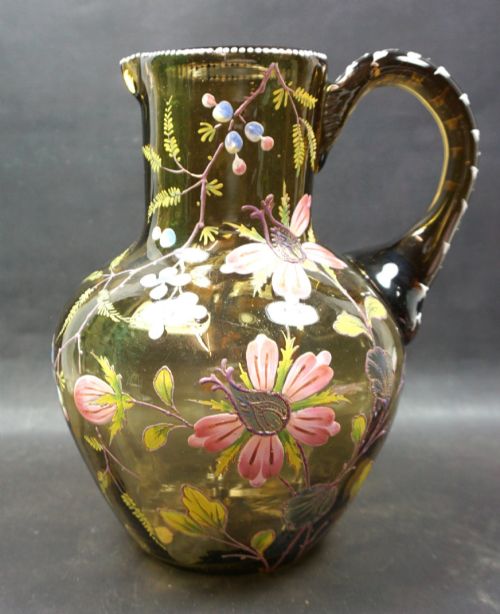
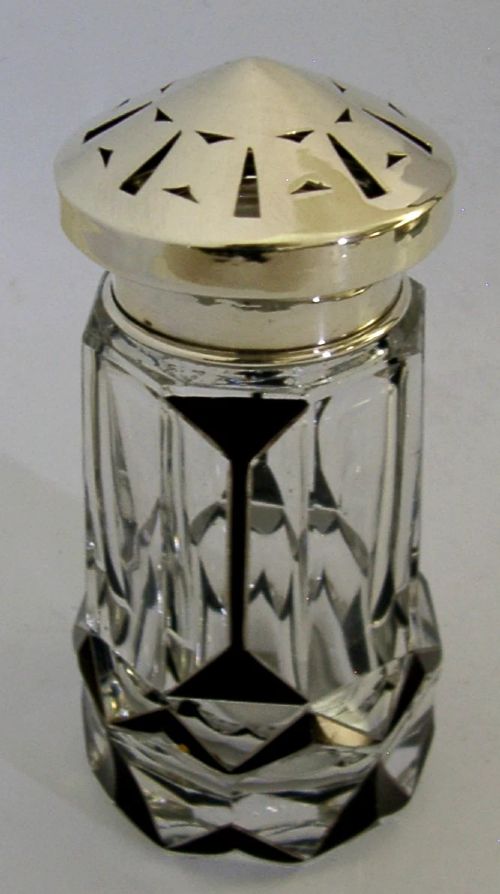
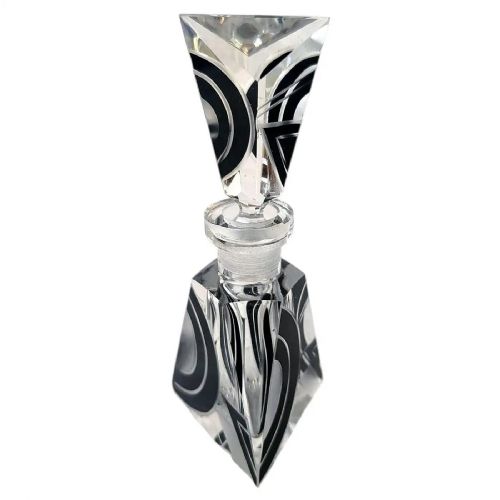
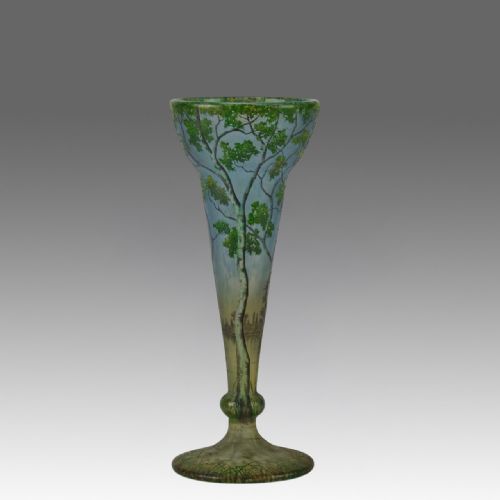
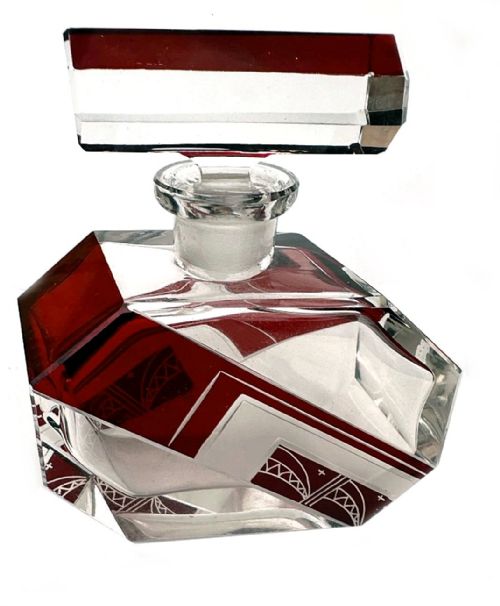
Enamelled art glass covers a varied selection of decorative vessels and dressing table accessories created across the nineteenth and twentieth centuries. When searching for enameled art glass, buyers frequently encounter items originating from prominent European makers working during the Art Nouveau and Art Deco periods.
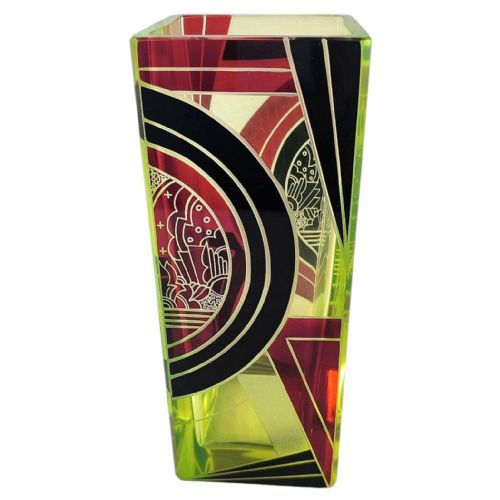
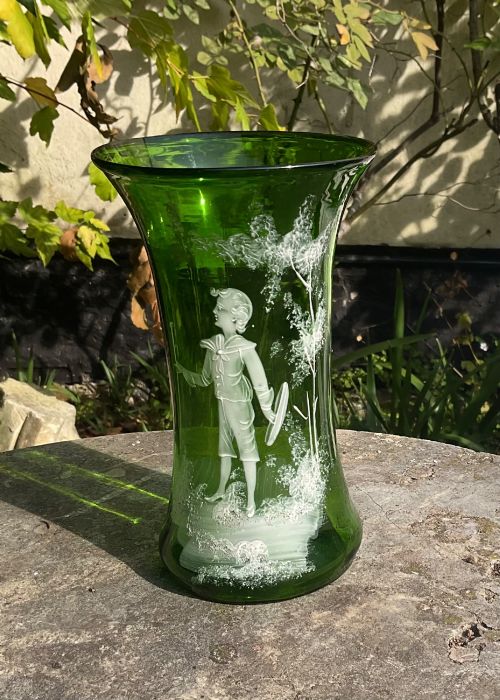
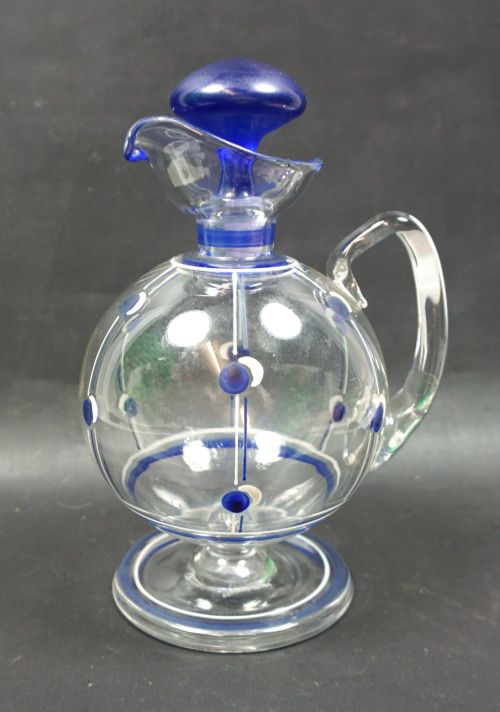
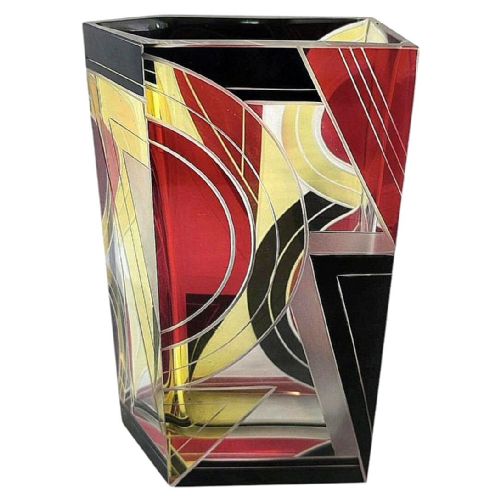
The selection ranges from tall geometric vases and delicate scent bottles to wine jugs, vanity jars and table lamps. Victorian examples like Mary Gregory green glass feature hand-painted white enamel figures, whilst later twentieth-century creations lean towards geometric patterns executed on clear or coloured crystal.
How they were made
The creation of these objects combines traditional glassblowing with detailed surface decoration using powdered glass fluxes fired at high temperatures. Makers applied enamel pigments directly to the vessel body, often combining gold leaf, etched motifs or cameo layering to build rich textures.
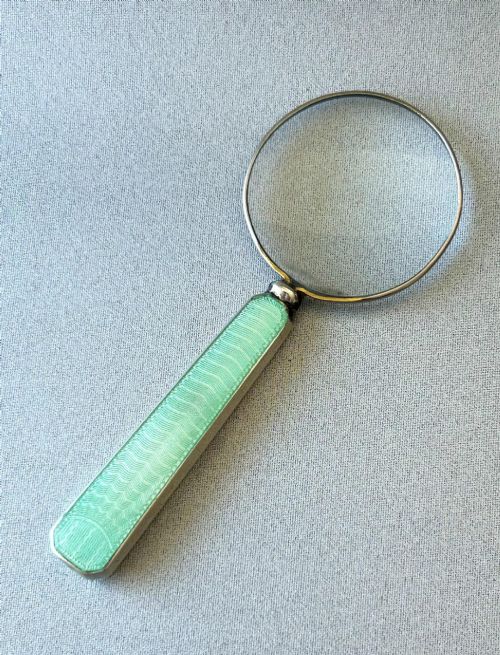
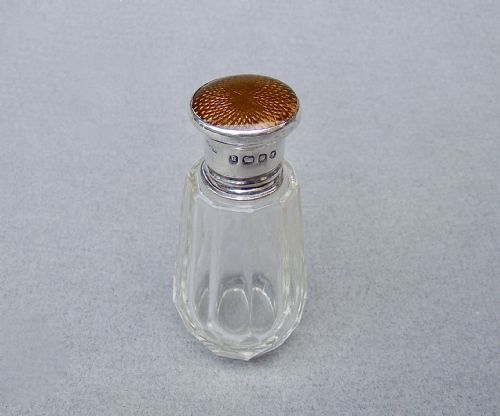
Mounts in sterling silver, chromium and 18K yellow gold frequently complement the glass bodies, particularly on scent bottles and vanity jars. Guilloche enamel appears extensively on silver lids and compacts, worked with engine-turned geometric engraving beneath translucent coloured enamels.
Enameled Art Glass Retail Price Guide 2026
Typical asking prices for enameled art glass among the pieces listed under this phrase on Sellingantiques today, from the lower quarter to the upper quarter. They describe what is for sale here now, not the wider market.
The listings here feature glass forms spanning from the Victorian Aesthetic Movement through to Art Deco production.
What varies in quality
Quality in these works rests upon the precision of the enamel application and the clarity of the underlying glass or crystal. Finer examples display crisp registration in multi-coloured motifs and smooth, even fusing without pitting or surface bubbling.
The refinement of metalwork mounts and the depth of cameo carving further distinguish standard production items from masterworks. Pieces bearing documented signatures from houses like Daum or designers like Karl Palda exhibit superior execution in both the glass body and the decorative details.
Daum Frères·Karl Palda·Thomas Webb·Theresienthal·Legras
The Enameled Art Glass Glossary
- Cameo glass
- A vessel formed of two or more distinct layers of coloured glass fused together, where outer layers are carved away to reveal contrasting designs.
- Guilloche enamel
- A decorative technique where translucent enamel is layered over metal that has been mechanically engraved with intricate geometric patterns.
- Plique-a-jour
- An enamelling technique resembling miniature stained glass, where the enamel is fired in open cells without a backing metal, allowing light to shine through.
- Sugar caster
- A perforated tabletop shaker designed for dispensing granulated or powdered sugar over food, frequently fitted with silver or enamel tops.
Enameled Art Glass: Frequently Asked Questions
How do I clean enameled glass?
Clean these pieces gently using a soft, dry cloth to remove dust and surface particles.
Avoid immersing antique metal mounts and enamel in water, as moisture can damage adhesives or discolour older silver components.
Are these items suitable for daily use?
Many items like perfume bottles and glass decanters were built for practical use alongside decorative display.
Precious enamel work and delicate silver fittings require careful handling to prevent scratching or chipping over time.
How do I identify Art Deco pieces?
Art Deco examples typically display strict geometric lines, stylized floral motifs, and bold contrasting colours.
Check for characteristic materials from the period, including chromium mounts, thick cut crystal, and black glass.
What is Mary Gregory glass?
Mary Gregory pieces feature distinct white enamel silhouettes, usually depicting Victorian children playing in natural settings.
Though traditionally associated with green or cranberry glass grounds, these items were produced across various shades during the late nineteenth century.