


Enamel Painted Panel
An enamel painted panel brings glowing colour and meticulous miniature detail to a mantel clock, vase or wall plaque.

Enamel Painted Panel
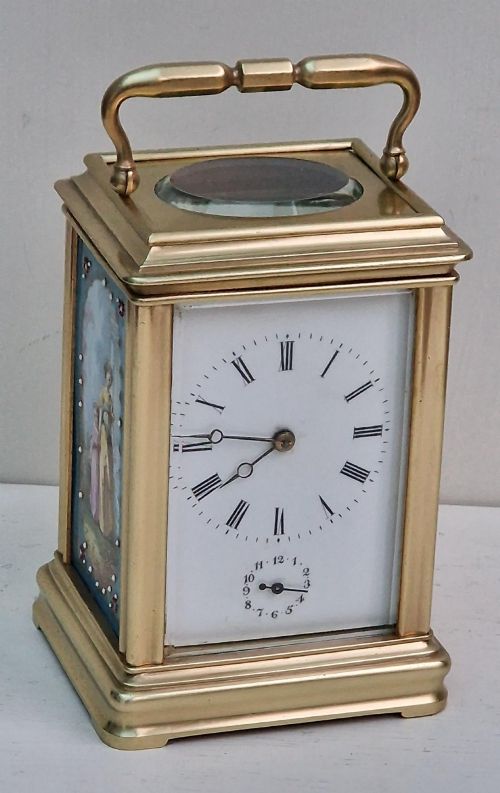
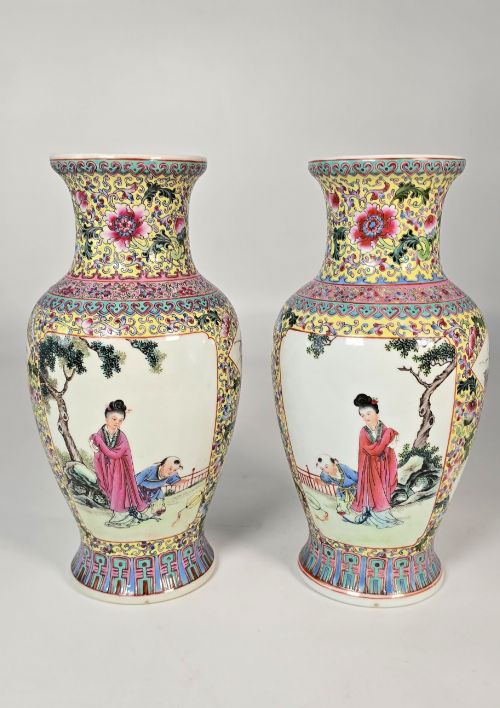
When you search for an enamel painted panel, you are looking at vibrant pictorial works fused onto metal, porcelain or glass surfaces. These pieces appear across items such as carriage clocks, mantel clocks, wall art, vases and bracelets.
You are most likely to meet 19th century French examples on this page, alongside Chinese porcelain pieces from the 18th and early 20th centuries. Makers applied detailed miniature scenes, floral motifs and portraits to small surfaces intended for display or daily use.
The objects range from small portrait miniatures and bracelet links to large wall plaques and decorative vases. Each piece captures a distinct decorative style, from French Second Empire and Baroque to Chinese Republican period designs.
How they were made
Craftsmen applied finely ground coloured glass pastes onto rigid supports of copper, brass or porcelain before firing them in a kiln. This high-temperature firing fused the powdered minerals into a hard, glossy vitreous coating that retained its brilliance over centuries.
Metal items often incorporated gilt brass or gilt bronze mounts to frame the delicate painted surfaces. Portrait miniatures and plaques on copper utilised smooth metal bases to hold intricate brushwork in place during successive kiln firings.
Some French carriage clocks arrived with so many pink panels they could double as miniature boudoir dressing tables.
What varies in quality
The sophistication of the mounting also distinguishes the pieces, with substantial gilt bronze or brass frames indicating higher workshop standards. Furthermore, named makers or attributable studio origins elevate the artistic standing of a painted panel.
Alfred Drocourt·Royal Worcester·Samson
The Enamel Painted Panel Glossary
- Limoges enamel
- A painted enamel plaque produced in the French city of Limoges, famous for its rich dark grounds and fine metallic detailing. These panels frequently depict classical figures or religious scenes.
- Gilt bronze
- Copper alloy cast and coated with a layer of gold, often providing decorative mounts for clock panels and porcelain plaques. It adds structural weight and a warm metallic sheen.
- Crystal regulator
- A French clock housed in bevelled glass panels that reveal the internal movement, sometimes featuring painted enamel dials or side panels. They date predominantly to the latter half of the nineteenth century.
- Famille rose
- A Chinese porcelain palette characterised by opaque pink enamel introduced during the Qing dynasty. The style appears on vases and mugs decorated with floral and figural compositions.
Enamel Painted Panel: Frequently Asked Questions
What is an enamel painted panel?
An enamel painted panel is a vitreous artwork created by fusing powdered glass onto a metal or ceramic base through kiln firing. These panels serve as decorative elements on clocks, vases, wall plaques and jewellery.
Artists used specialised mineral pigments to paint detailed scenes, portraits and floral patterns onto the prepared ground. The resulting surface offers enduring colour and a glossy finish that resists fading.
How do I clean an enamel panel?
Clean these delicate surfaces gently with a soft, dry microfibre cloth to remove dust and surface debris. Avoid using chemical cleaners, abrasive cloths or excessive moisture, which can damage exposed metal mounts or older porcelain edges.
If the panel is set within a clock or a framed plaque, take care not to press directly on the painted surface. Professional conservation is advisable if the enamel shows any signs of flaking or instability.
Where were these pieces made?
The pieces originate primarily from European workshops, particularly in France, alongside significant examples from Chinese imperial and Republican kilns. French makers produced notable enamel plaques and clock panels in Limoges and Paris.
Asian export wares, including Kutani and Chinese famille rose ceramics, brought distinct decorative traditions to the global market. Each region utilised specific base materials and pigment combinations unique to its craft history.
How can I tell the period?
Dating relies on stylistic clues, framing techniques and the material composition of the base support. For example, nineteenth-century French carriage clocks often feature specific escapement designs and numbered brass movements.
Porcelain marks, glaze characteristics and the nature of the hand-painted pigments provide further chronological indicators. Comparing the subject matter to known artistic periods helps narrow down the decade of production.