

Empire Style Glass
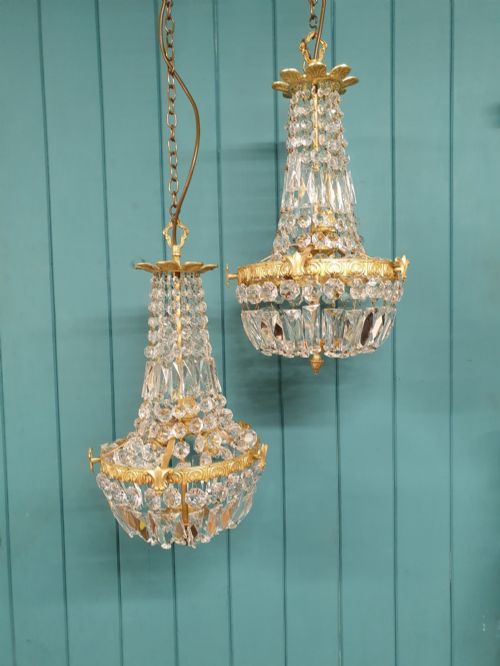
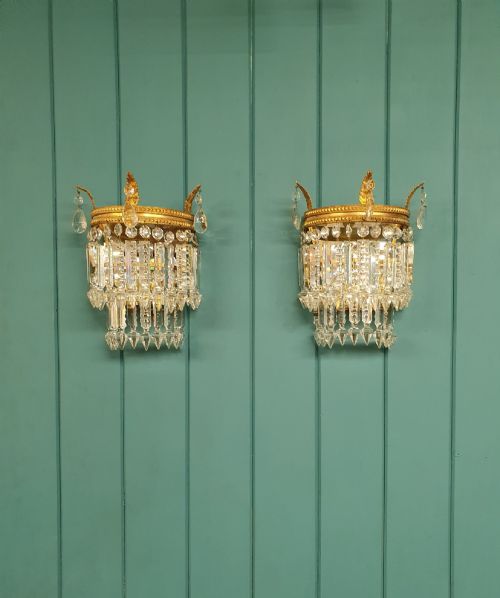
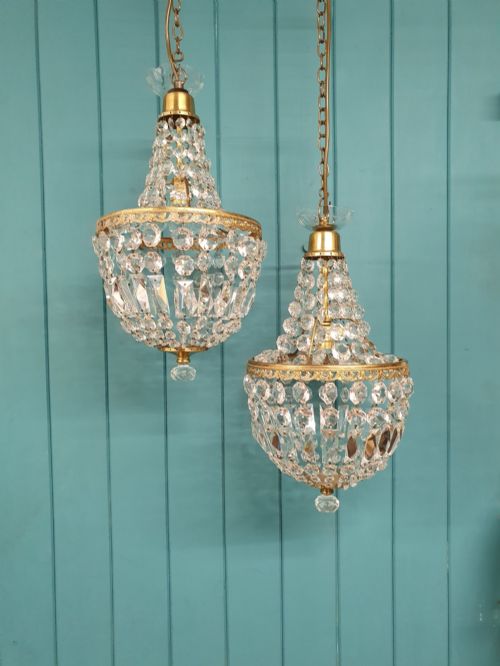
These pieces of empire style glass combine heavy gilt mounts with cut crystal to create striking focal points.
Empire Style Glass
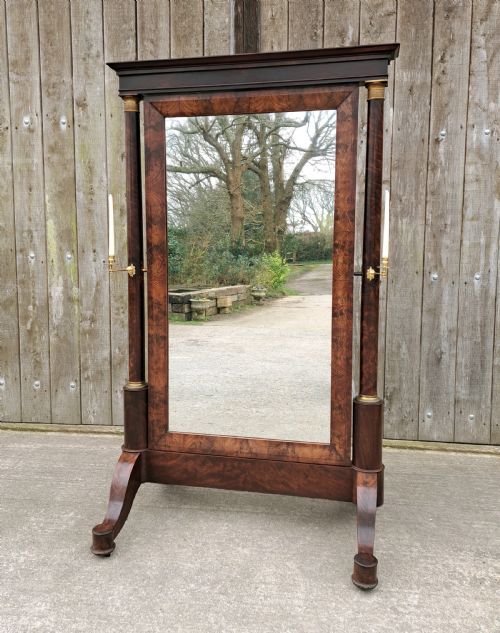
When you search for empire style glass, you encounter a distinct blend of classical form and sparkling illumination. The selection spans grand chandeliers and smaller wall lights, alongside mirrors, centrepieces, and cabinets housing glass elements.
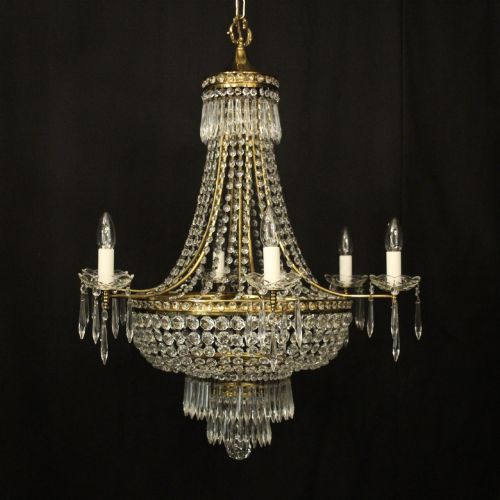
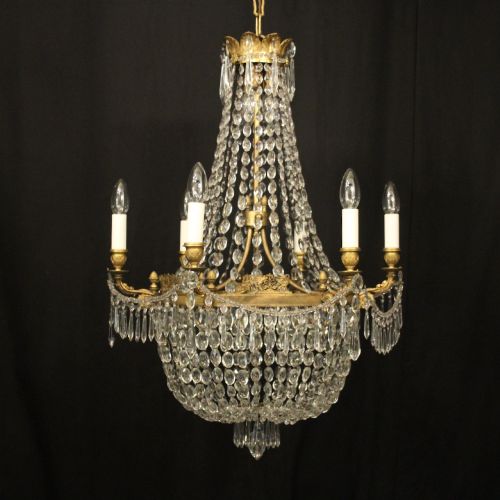
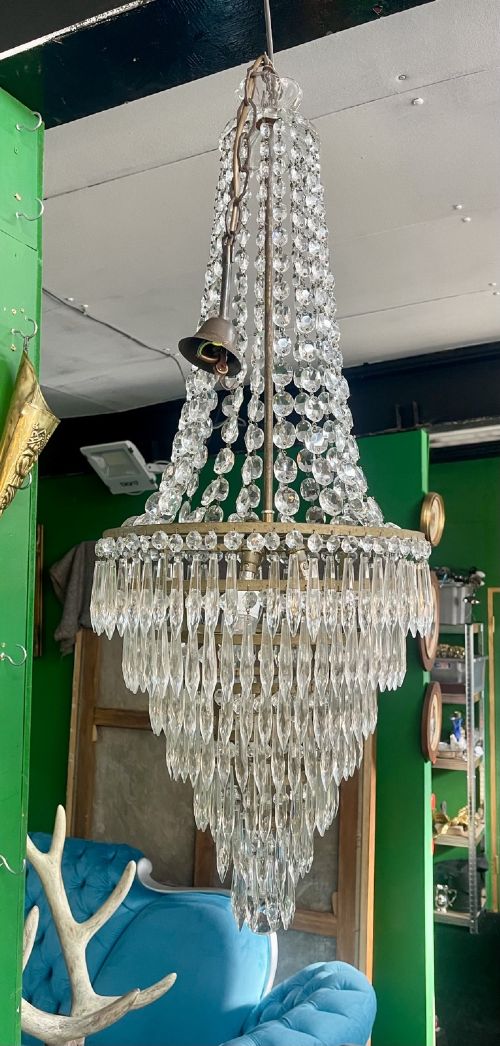
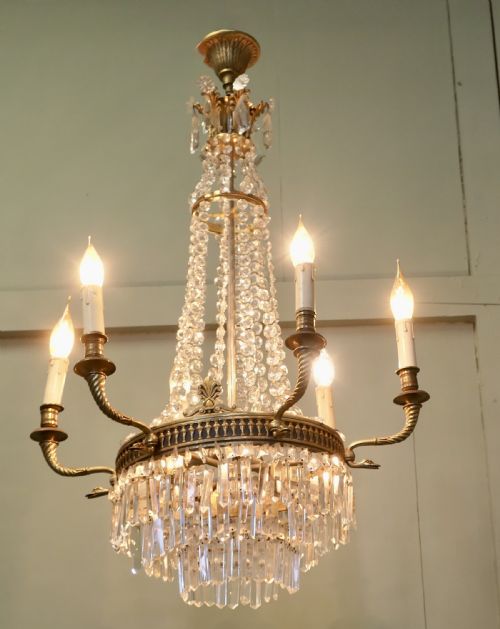
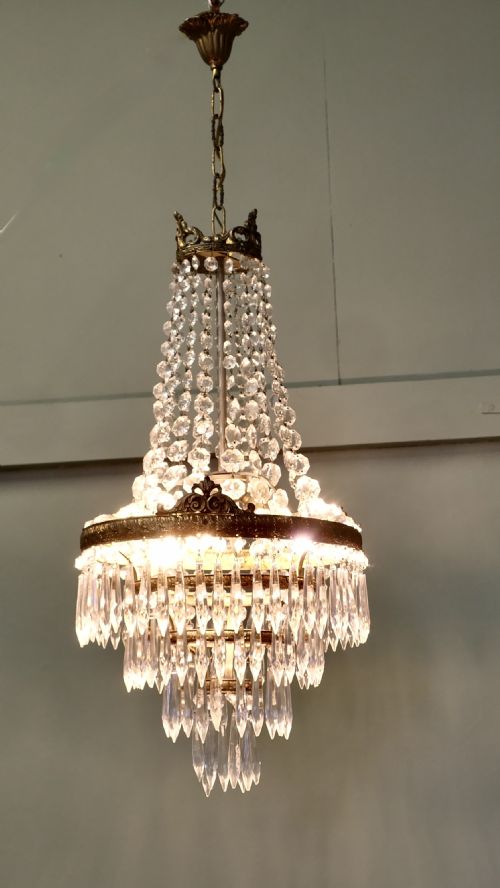
Chandeliers dominate the offerings, particularly tent and waterfall designs configured with cut glass and crystal beads. These lighting fixtures reflect the heavy influence of French design traditions across the nineteenth and early twentieth centuries.
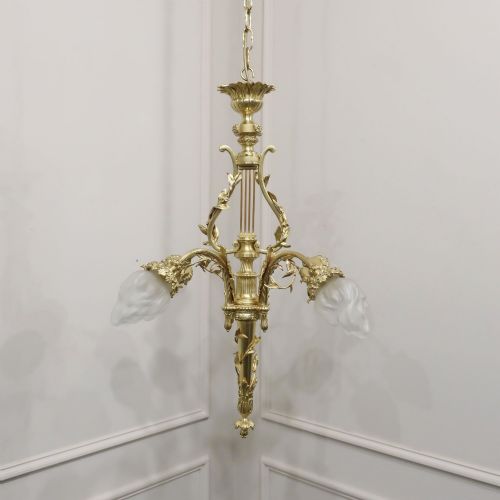
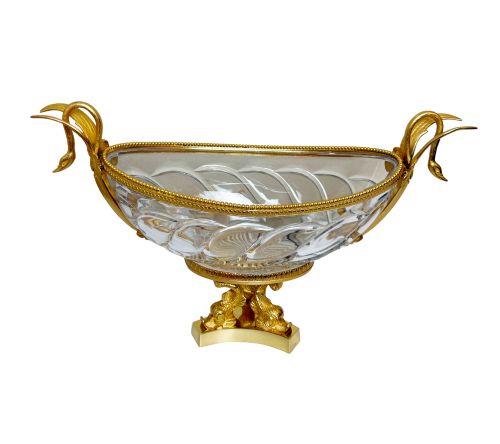
Beyond illumination, the category includes functional decorative objects such as gilt bronze centrepieces with glass inserts and ormolu-mounted scent bottles. Each item relies on the contrast between polished metal frameworks and clear glass components.
Materials and construction
Maker workshops built these items using glass and crystal alongside structural metals like brass, bronze, and ormolu. Glass was cut by hand to refract light, while metal mounts were cast and gilt to provide ornate support frames.
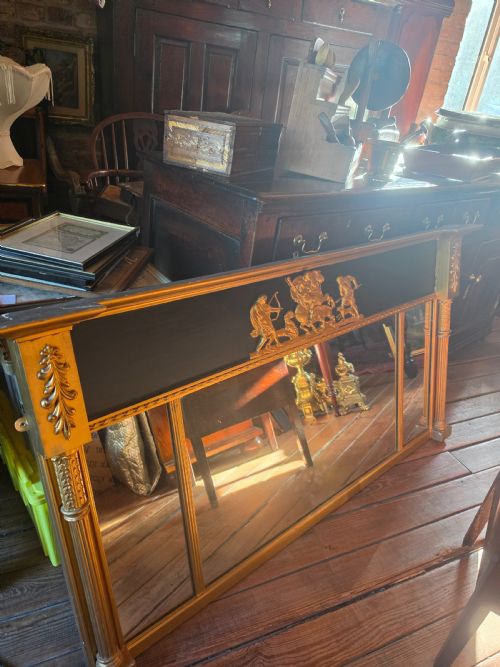
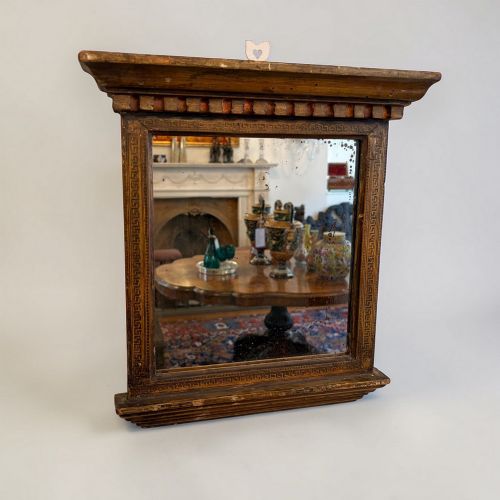
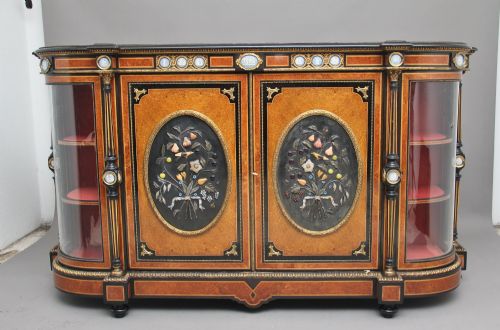
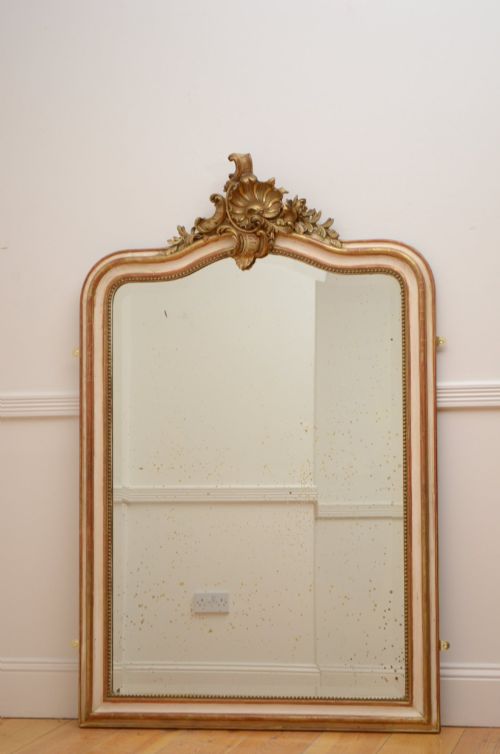
Wooden elements such as mahogany, rosewood, and amboyna appear in furniture pieces that incorporate glazed doors or display panels. Giltwood and gesso finish the frames of mirrors and large wall fixtures.
Empire Style Glass Retail Price Guide 2026
Typical asking prices for empire style glass among the pieces listed under this phrase on Sellingantiques today, from the lower quarter to the upper quarter. They describe what is for sale here now, not the wider market.
Some items carry the label of a prison bag chandelier, reflecting historical manufacturing origins in correctional facilities.
Quality and craftsmanship
The fineness of the metal casting determines the distinction between standard and superior pieces. Crisp detailing on ormolu mounts and gilt bronze figures indicates higher workshop standards.
The clarity and depth of the cut glass dictate the visual impact of chandeliers and centrepieces. Sharp facets on crystal drops produce brighter light refraction than soft or pressed glass alternatives.
The Empire Style Glass Glossary
- Ormolu
- A gilded bronze technique used extensively for furniture mounts and decorative hardware. It provides a rich gold-coloured finish that resists tarnishing.
- Tent and waterfall
- A specific configuration of chandelier drops where an upper conical tent leads down to a cascading waterfall of crystals. This arrangement maximises light dispersion.
- Portico clock
- A monumental clock design shaped like a classical temple structure, frequently framed by columns and housed beneath a glass dome. Many examples incorporate gilt bronze and crystal components.
- Cornucopia
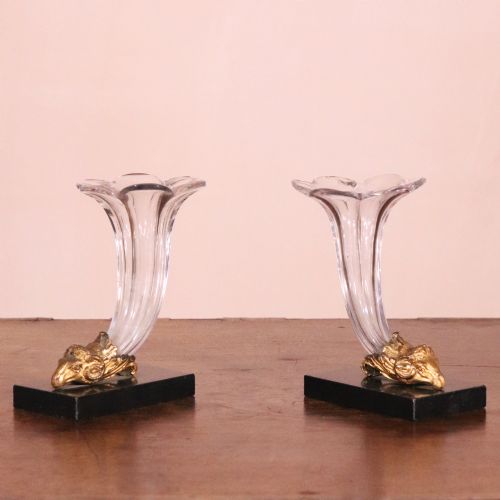
- A horn-shaped decorative motif symbolising abundance, often utilised in wall lights and decorative fixtures. It appears cast in metal with detailed surface ornamentation.
Empire Style Glass: Frequently Asked Questions
How do I clean an empire style glass chandelier?
Maintenance requires gentle hand washing of individual glass drops using warm water and a mild solution. Metal frames need dusting with a soft cloth to protect the gilt finish.
Avoid harsh chemical cleaners that strip the gilding from brass or bronze components. Taking down each crystal element allows for thorough cleaning without damaging the wiring or structure.
Are these glass pieces purely French in origin?
Many items trace their design lineage directly to French workshops operating under Neoclassical and Empire influences. British interpretations from the Regency period also adopt similar classical motifs.
Craftsmen across Europe drew inspiration from French design vocabulary during the nineteenth century. Examining the construction methods helps identify regional manufacturing traits.
What rooms suit an empire style glass light?
High ceilings provide the necessary clearance for large tent and waterfall chandeliers to hang effectively. Dining rooms and entrance halls frequently accommodate these focal point fixtures.
Smaller wall lights and torch-style sconces fit into more intimate spaces like studies or hallways. The reflective glass and metal surfaces help brighten rooms with limited natural light.
How do I distinguish nineteenth-century pieces from later reproductions?
Nineteenth-century items typically show hand-cut facets on crystal drops and heavy sand-cast brass or bronze frames. Examination of fixings and screw threads often reveals older manufacturing techniques.
Twentieth-century interpretations from the 1920s and 1930s sometimes blend empire styling with art deco proportions. Comparing the weight of the metal and the quality of the gilding clarifies the period.