





Empire Style Figures
Empire style figures bring classical dignity and monumental presence to a room, cast in bronze and ormolu.
Empire Style Figures
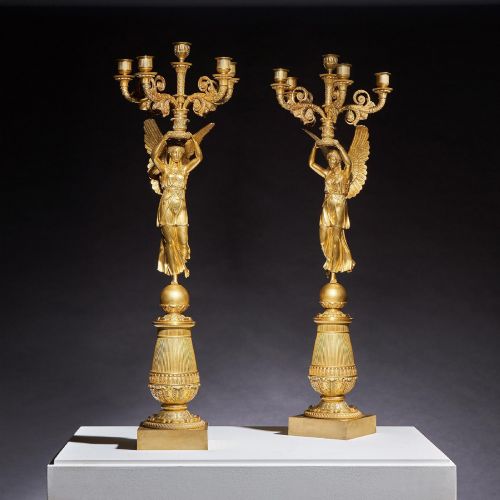
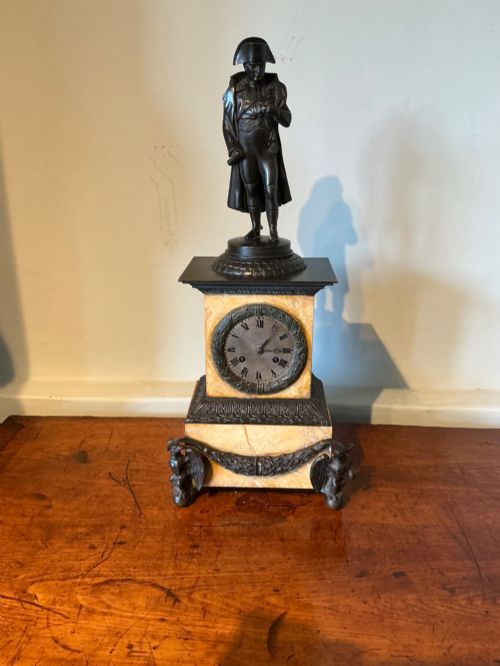
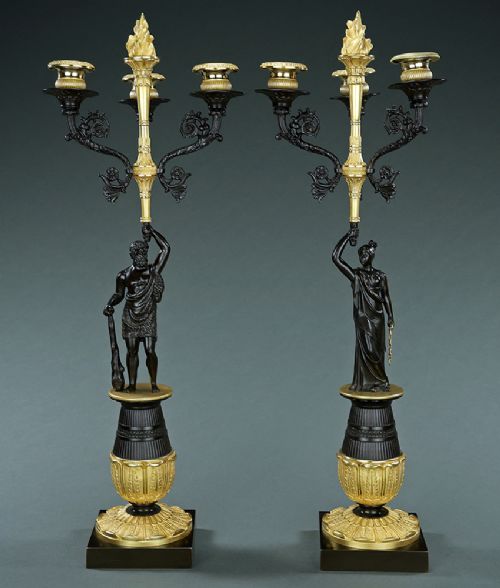
When searching for empire style figures, buyers encounter ornamental bronze figures, candelabra, and mantel clocks drawn from classical antiquity and the French Empire period.
The most common pieces on this page are nineteenth-century French works incorporating patinated and gilt bronze, often mounted upon marble plinths.
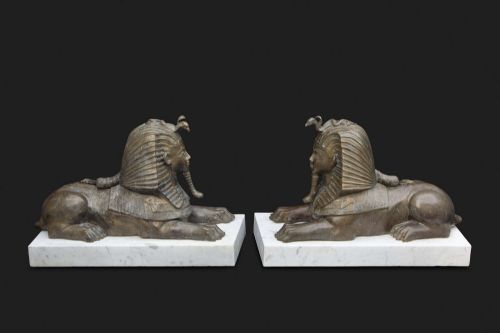
Subjects range from mythological figures like Hercules, Atlas, and sphinxes to historical rulers, allegorical representations, and winged putti.
How they were made
The objects are constructed predominantly from cast bronze, patinated bronze, and ormolu, utilising mercury gilding techniques to achieve a bright, durable finish.
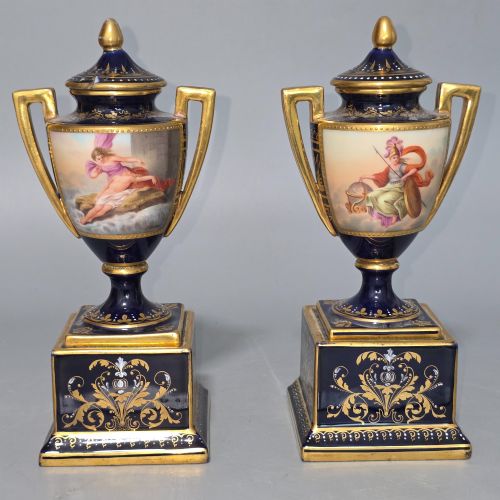
Many items combine mixed media, pairing cast metal figures with Carrara marble bases, porcelain bodies, or carved wood components.
Empire Style Figures Retail Price Guide 2026
Typical asking prices for empire style figures among the pieces listed under this phrase on Sellingantiques today, from the lower quarter to the upper quarter. They describe what is for sale here now, not the wider market.
Chastity points firmly at a font of holy water while bronze swans and sphinxes hold up the room.
What varies in quality
Quality rests upon the crispness of the bronze chasing and the depth of the original mercury gilding rather than superficial brightness.
The integrity of the construction, such as heavy marble plinths and securely mounted figures, separates superior studio pieces from standard production items.
Pierre Philippe Thomire·James Pradier·Japy Freres
The Empire Style Figures Glossary
- Ormolu
- Gilt bronze created by applying a mercury and gold amalgam to a bronze base and heating it. This technique produces a rich, deep lustre characteristic of nineteenth-century decorative arts.
- Patinated bronze
- Bronze treated with chemicals to produce a dark, protective surface colour. This contrasts sharply with bright ormolu highlights on figures and mounts.
- Candelabra
- Branched lighting fixtures designed to hold multiple candles, frequently incorporating classical figural shafts. They appear widely across nineteenth-century French and Swedish decorative metalwork.
- Mantel clock
- Clocks designed to sit upon fireplace mantels, often featuring figural sculptural cases cast in bronze. Movements from this era frequently originate from established French makers.
- Grand Tour
- Cultural travel undertaken by wealthy Europeans to collect classical antiquities and souvenirs. Items associated with this practice include small bronze sculptures and architectural models.
Empire Style Figures: Frequently Asked Questions
What periods do these figures come from?
The pieces span the eighteenth, nineteenth, and early twentieth centuries, with a strong concentration of nineteenth-century French works.
Items also reflect related revivals such as Egyptian Revival, Regency, and Napoleon III styles.
How do I care for ormolu and bronze?
Dust surfaces gently with a soft, dry brush to prevent the accumulation of grit within recessed chasing.
Avoid chemical polishes and abrasive cloths, which can strip the thin layer of gold leaf or damage the bronze patination.
Where were these objects displayed?
These pieces sat upon mantelpieces, console tables, and pedestals in nineteenth-century drawing rooms and formal reception spaces.
Candelabra and centrepieces functioned as functional table lighting and decorative centrepieces for dining and entertaining.
How do I distinguish French Empire from later styles?
Authentic French Empire pieces display strict neoclassical proportions and military or classical motifs tied to the Napoleonic era.
Later Victorian and twentieth-century interpretations often mix these motifs with eclectic revival elements like Egyptian Revival or Rococo flourishes.