




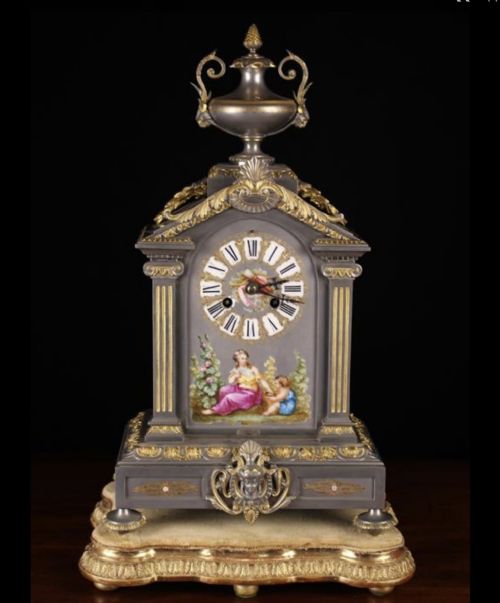
Empire Revival Table
An empire revival table brings neoclassical scale and bold architectural lines into a room, offering functional surfaces built with rich veneers and gilt details.
Empire Revival Table
An empire revival table draws on classical antiquity and nineteenth-century forms to create centrepieces, card tables, and side tables with strong geometric presence. Buyers search for empire revival table options when they want furniture that pairs architectural columns and pedestals with warm woods.
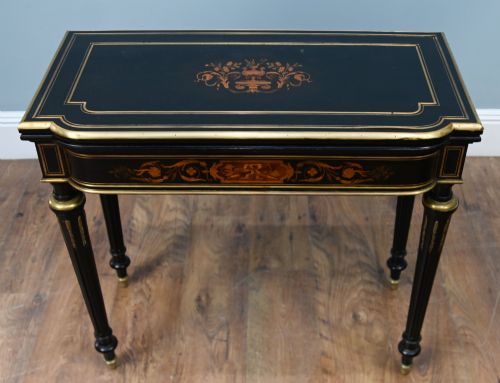
The pieces appearing on this page span the nineteenth and early twentieth centuries, featuring French and Scandinavian interpretations of the style. Forms range from ebonised games tables to birch pedestal desks and mahogany lounge suites.
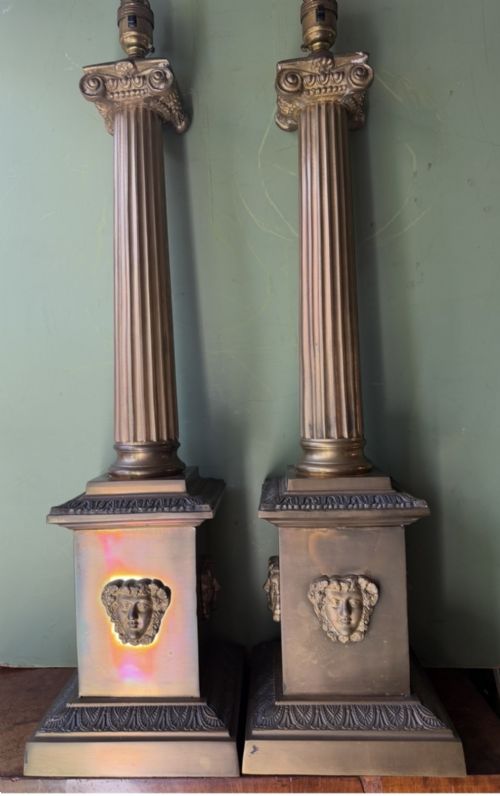
Makers and designers of these items utilised classical motifs, including paw feet, columns, and gilt bronze mounts, to echo earlier Napoleonic designs. The surviving examples demonstrate how cabinetmakers adapted classical proportions for domestic interiors across Europe.
Materials and construction
Cabinetmakers built these tables using solid timbers like mahogany and birch, often applying burr birch veneers and ebonised finishes to create striking visual contrast. These woods were chosen for their grain patterns and stability under veneer.
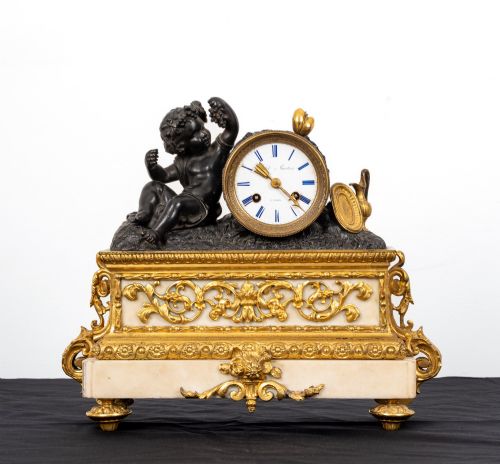
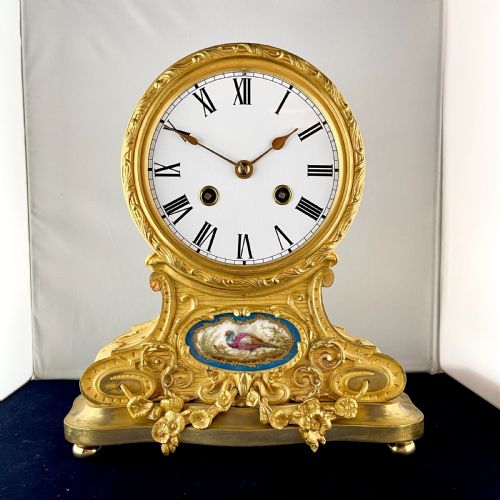
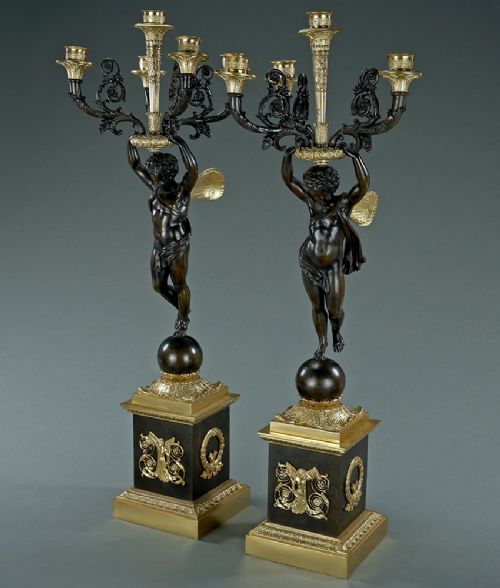
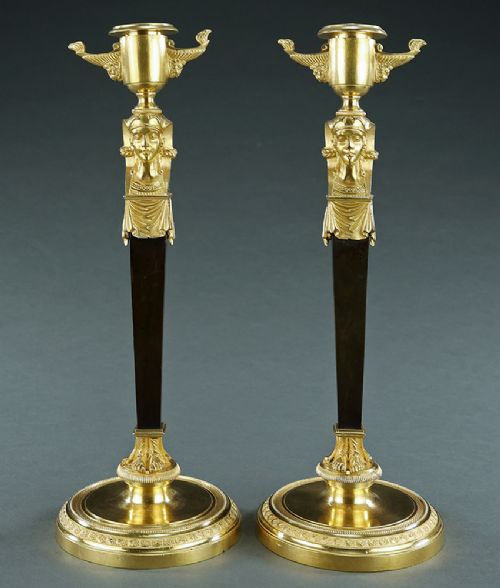
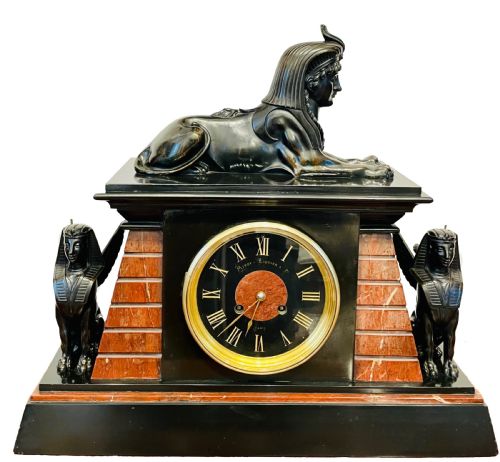
Ornaments of gilt bronze, ormolu, and brass were cast and chased to highlight the structural corners, friezes, and pedestal bases of the furniture. Enamel, marble, and glass frequently appear alongside these metals as inset tops or dial details.
Marquetry and inlay techniques added geometric and floral patterns to table tops, particularly on games tables and side tables. Joinery relied on traditional framing methods to support heavy stone or timber tops.
Empire Revival Table Retail Price Guide 2026
Typical asking prices for empire revival table among the pieces listed under this phrase on Sellingantiques today, from the lower quarter to the upper quarter. They describe what is for sale here now, not the wider market.
Even a quiet card table demands attention with secret compartments designed for hidden counters.
Factors determining quality
The quality of an empire revival table rests upon the crispness of the cast bronze mounts and the depth of the timber figuring. Superior pieces show hand-chasing on the ormolu and precise matching of veneers across the top.
Construction methods also separate standard production from finer workshop output, particularly in the weight of the timber and the tightness of the joinery. Tables featuring integrated marble tops or detailed marquetry indicate higher ambition from the maker.
Siffel and Cartier·Japy Freres·Eurotrope Bouret·Ravrio
The Empire Revival Table Glossary
- Ormolu
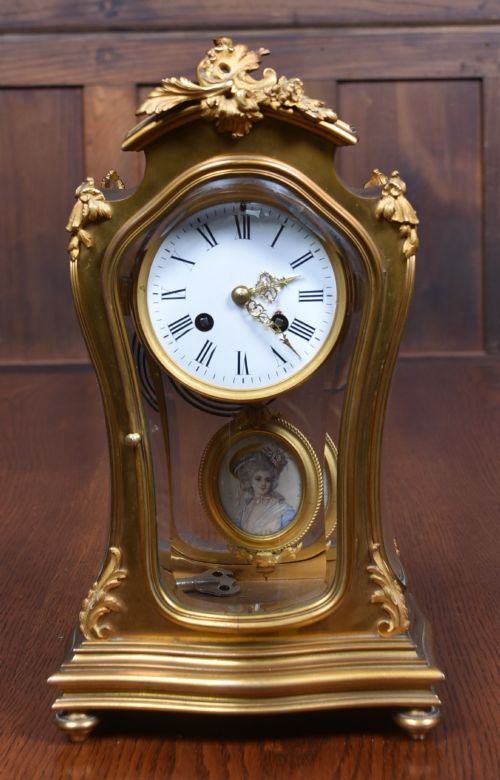
- Gilded bronze applied to furniture mounts and clock cases. This technique involves coating cast bronze with a gold amalgam.
- Ebonised wood
- Timber stained or treated to imitate ebony. This dark finish provides high contrast against gilt metal mounts.
- Marquetry
- Veneers arranged in decorative patterns on a wooden ground. Craftsmen cut contrasting woods to form geometric or pictorial designs.
- Pedestal desk
- A flat-topped writing table supported by two vertical pedestals containing drawers. These pieces often feature leather writing surfaces and gilt bronze hardware.
Empire Revival Table: Frequently Asked Questions
How do I care for an empire revival table?
Dust timber surfaces regularly with a soft, dry cloth to prevent the accumulation of grit that can scratch old finishes. Avoid placing these tables near direct heat sources or strong sunlight, which can dry out burr veneers and damage polished wood.
Treat gilt bronze mounts with caution by using only a dry microfibre cloth, keeping polishes and liquids away from the metalwork. Wax the wood occasionally using a traditional furniture wax to maintain the protective sheen without building up heavy residue.
What is the difference between French and Scandinavian empire revival?
French empire revival pieces often lean heavily into gilt bronze ornamentation, ebonised elements, and dramatic neoclassical styling inspired by Napoleonic design. These items frequently incorporate rich mahogany and marble to project formal grandeur.
Scandinavian versions tend to showcase lighter blond timbers, particularly birch, paired with clean geometric lines and understated mounts. They adapt the classical vocabulary into a domestic scale that feels brighter and more streamlined.
Can I use an empire revival card table for everyday dining?
A card table was originally engineered for leisure and games rather than heavy daily dining or family meals. The folding mechanisms and lighter structural frames require careful handling when extending the top.
Using protective pads beneath tableware helps shield the polished wood and marquetry from heat marks and moisture. Treating the surface with consideration preserves the antique joints and delicate veneers.