

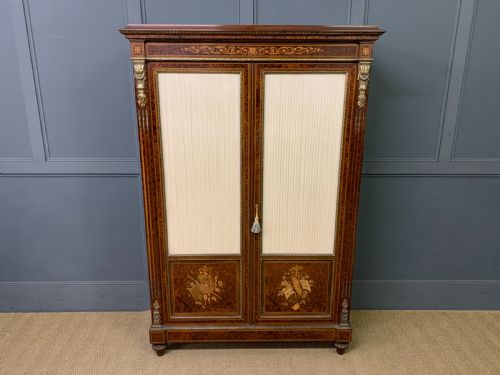


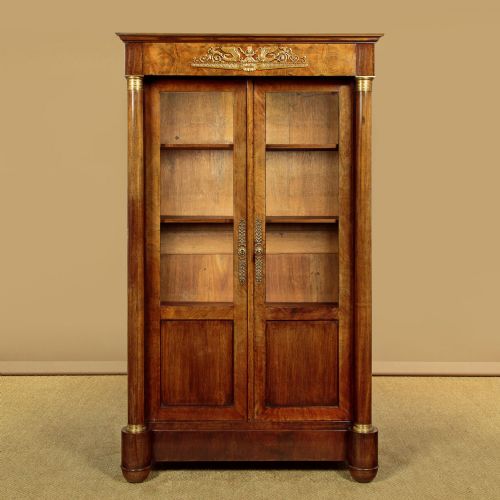


Empire Mahogany Display
An empire mahogany display piece brings architectural presence and rich timber grain to a room, offering refined storage for books and treasured objects.
Empire Mahogany Display
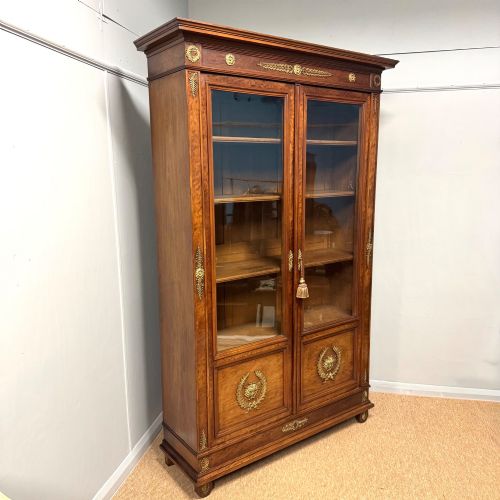
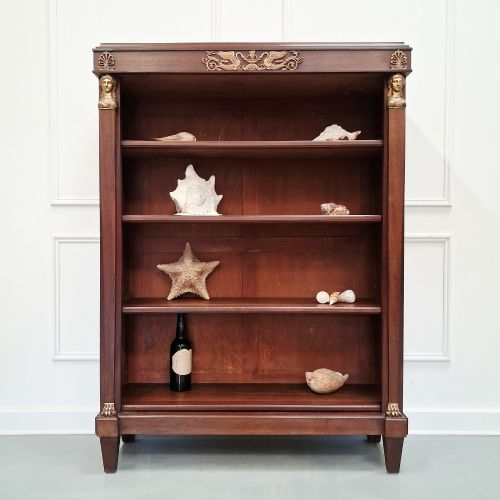
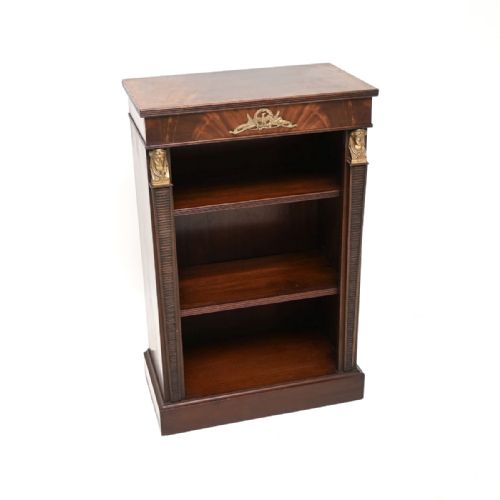
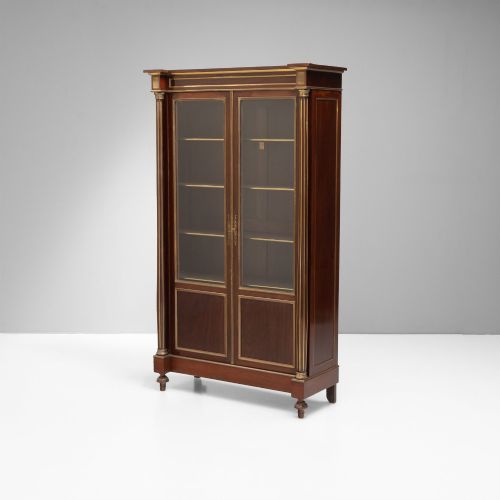
When you search for empire mahogany display, you are looking at substantial furniture designed to showcase objects and books through glass panels or open shelving. These pieces draw on classical motifs and structural forms associated with the French Empire and its later revivals.
The selection here encompasses various practical forms, ranging from tall bookcases and two-door cabinets to pedestals and glazed vitrines. Most examples date from the nineteenth century, including pieces from the Victorian era and later empire revival periods.
Cabinets and bookcases often incorporate glazed doors to protect contents while maintaining visibility, whilst open bookcases and pedestals focus on accessibility and display height. French influences appear frequently across the objects listed, marking a distinct decorative tradition.
How they were made
Makers utilised solid and veneered mahogany as the primary timber, sometimes selecting figured grain varieties like plum pudding mahogany or adding contrasting details in amboyna and satinwood. These woods provide a dense, warm background that responds well to traditional polishing.
Metal mounts in brass, ormolu, and gilt metal give these items their characteristic classical punctuation, framing doors and cornices with cast ornamentation. Glass panels are integrated into doors for vitrines and display cabinets to enclose the interior securely.
Empire Mahogany Display Retail Price Guide 2026
Typical asking prices for empire mahogany display among the pieces listed under this phrase on Sellingantiques today, from the lower quarter to the upper quarter. They describe what is for sale here now, not the wider market.
The listings here feature nineteenth-century dates alongside 1930s revivals, constructed primarily from mahogany with brass, ormolu, and marble elements.
What varies in quality
The refinement of the cast metal mounts distinguishes finer examples from simpler commercial production, as does the choice and matching of timber veneers. Crisp detailing in the ormolu and careful selection of figured mahogany indicate a higher standard of workshop output.
Proportion and structural integrity also separate standard pieces from exceptional ones, with balanced architectural lines and well-fitted doors demonstrating superior cabinetmaking. The integration of secondary woods and the precision of inlaid details further define the tier of craftsmanship.
The Empire Mahogany Display Glossary
- Ormolu
- Gilt bronze mounts used as decorative highlights on furniture and clocks. These chased metal elements provide bright contrast against dark mahogany surfaces.
- Vitrines
- Glass-fronted cabinets specifically made for displaying porcelain, curiosities, or fine books. They protect delicate objects while offering all-round visibility.
- Pedestals
- Tall, freestanding columns or plinths used to elevate busts, sculptures, or decorative items. They serve as vertical accents within a room.
- Neoclassical
- A style drawing inspiration from classical antiquity, featuring symmetrical geometry and restrained ornamentation. It forms the basis of empire design aesthetics.
Empire Mahogany Display: Frequently Asked Questions
What is an empire mahogany display cabinet?
An empire mahogany display cabinet is a storage piece influenced by nineteenth-century classical styles, featuring rich timber and often glazed doors.
These cabinets were built to showcase books and precious objects while protecting them from dust.
How do I date an empire bookcase?
Dating relies on examining construction methods, timber selection, and stylistic markers such as neoclassical mounts and revival periods.
Nineteenth-century pieces often display hand-cut dovetails and patinated mahogany surfaces distinct from later reproductions.
Where should I place a pedestal?
Pedestals work effectively in corners or against blank walls to highlight sculptures, vases, or decorative lamps.
Their height draws the eye upward, adding vertical interest to an interior scheme.
How do I care for mahogany furniture?
Keep mahogany pieces away from direct sunlight and sudden temperature changes to prevent the timber and veneers from drying out.
Regular dusting with a soft cloth preserves the polish without building up excess wax.