




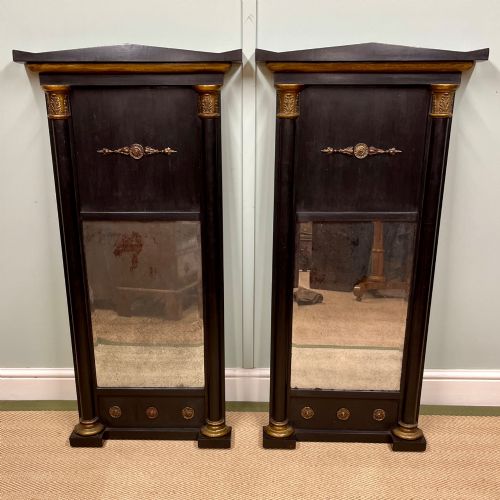
Empire Gold Mirror
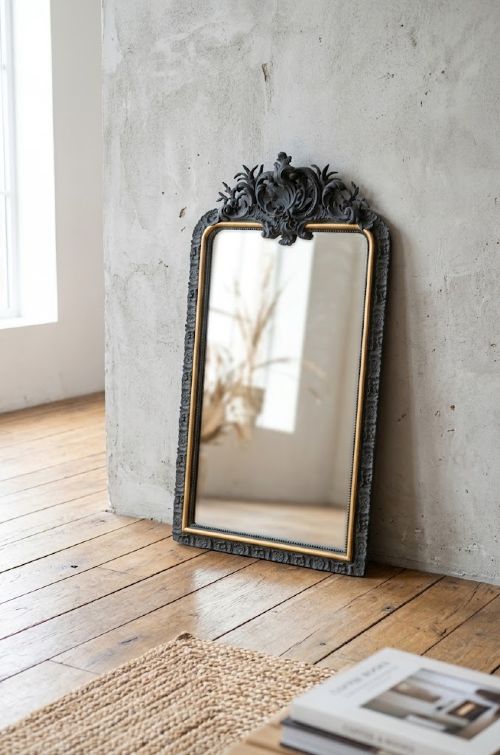
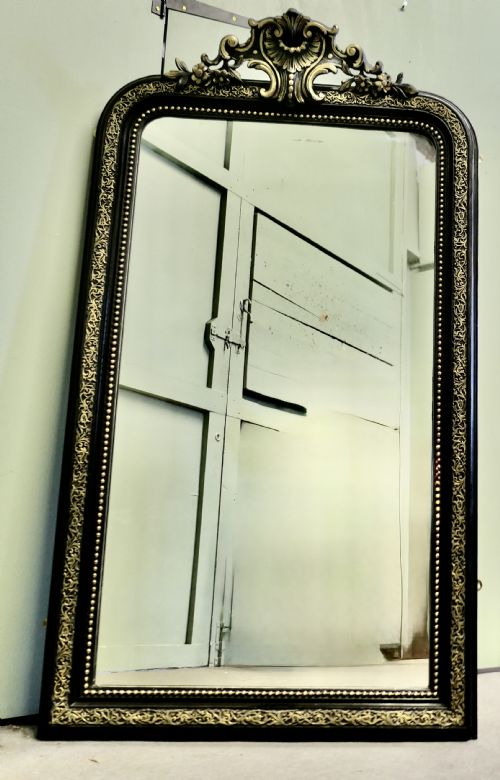
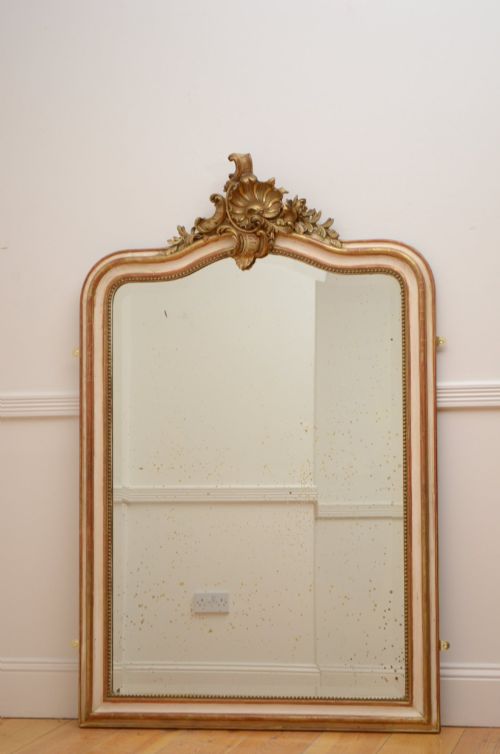
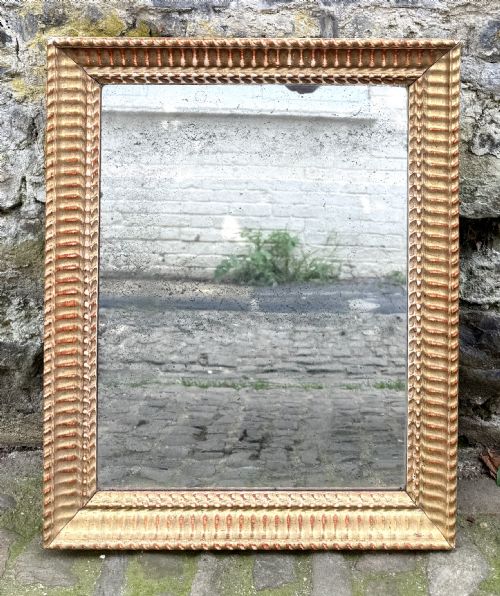
An empire gold mirror brings monumental neoclassical presence to a room, offering grand proportions and brilliant reflective light.
Empire Gold Mirror
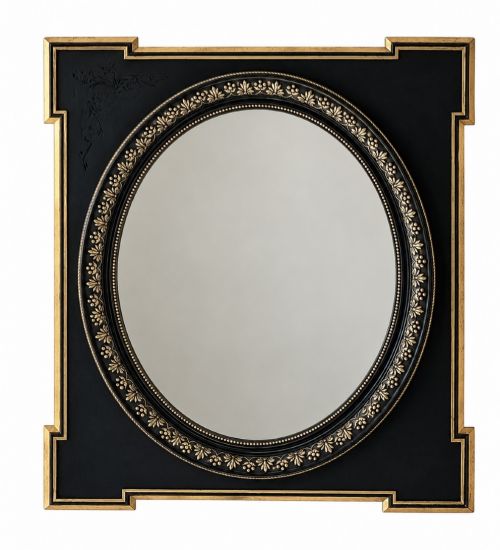
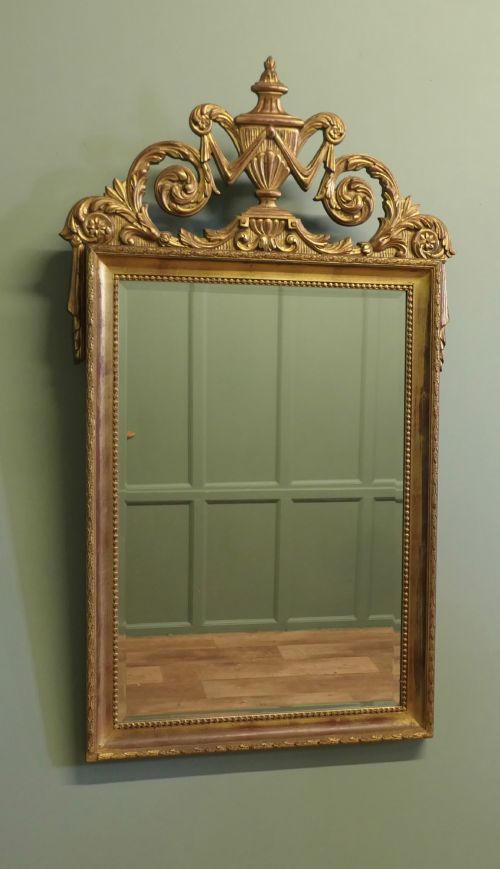
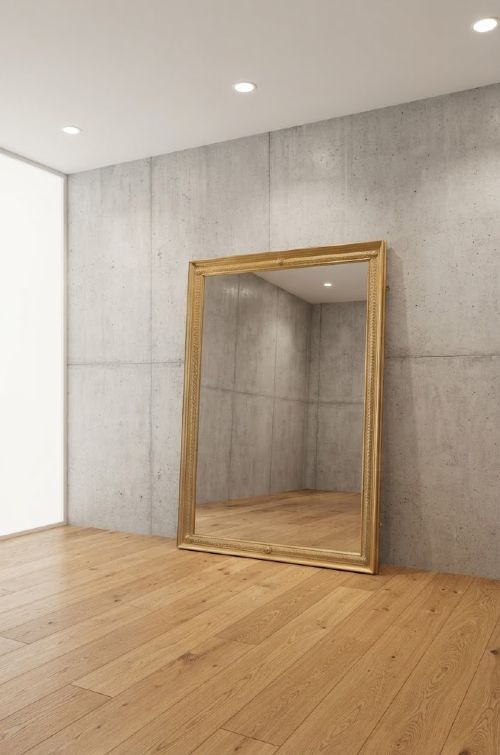
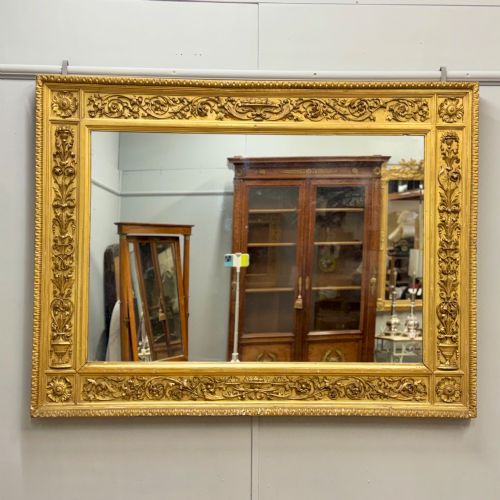
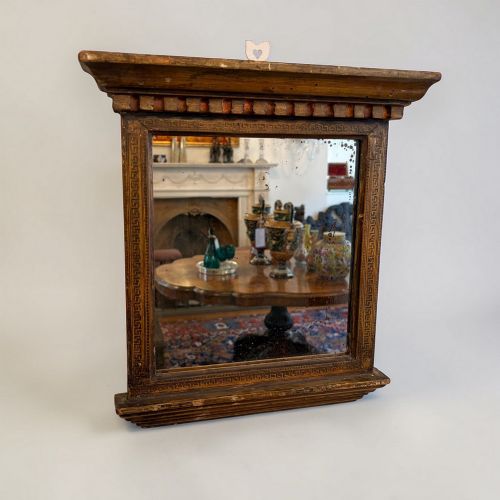
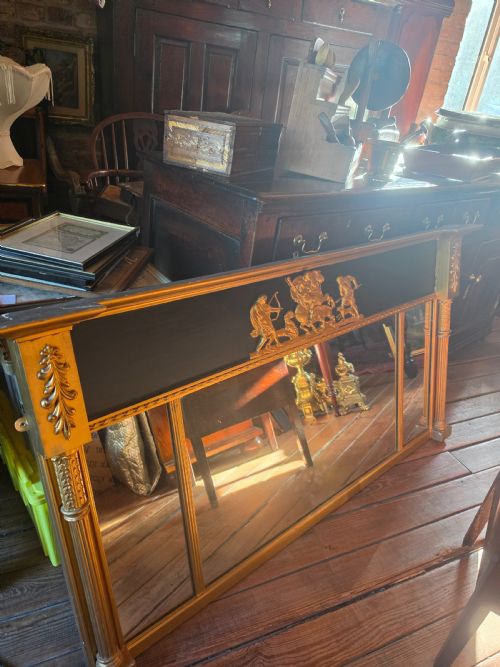
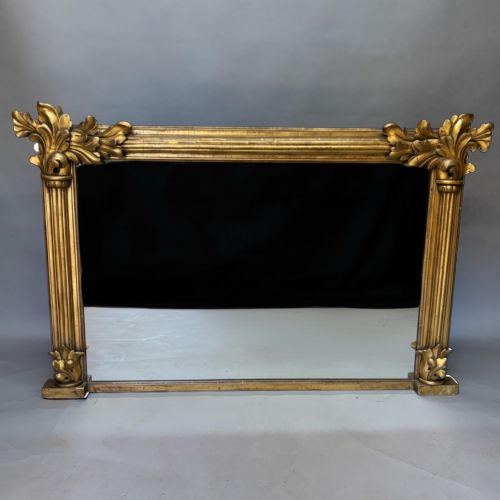
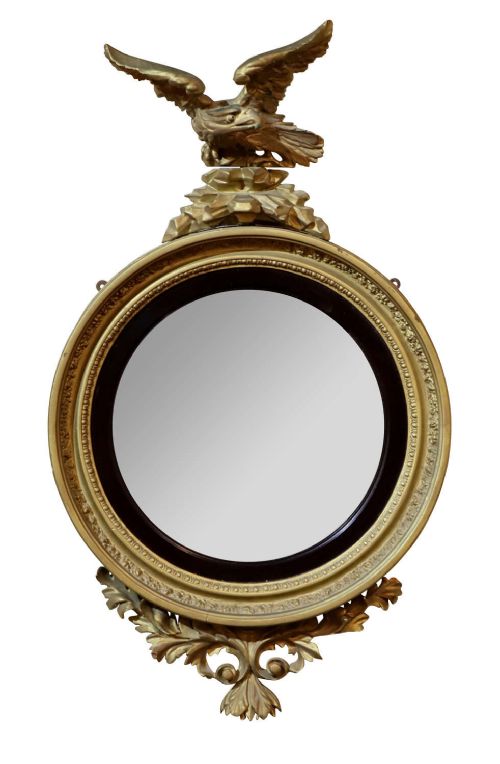
When a buyer seeks an empire gold mirror, they encounter large-scale wall, pier, and overmantel looking glasses originating primarily from the nineteenth century. These pieces reflect neoclassical, French Empire, and Regency design vocabularies, often featuring architectural columns, eagle surmounts, and decorative relief panels.
The version most commonly met on this page is the nineteenth-century French pier or overmantel mirror, constructed with giltwood, gesso, and sometimes ebonised wood or painted details. Such items span styles from Napoleon III chateau mirrors to early nineteenth-century Regency convex glasses and Swedish gilt frames.
Materials and Construction
Craftsmen shaped these frames from solid timbers such as mahogany, painted wood, and ebonised wood, applying intricate gesso layers to build up sculptural relief ornamentation. Gilding was then achieved using gold leaf or fine metallic finishes to create a luminous surface.
Glass production relied on traditional mirror glass plates, occasionally split or arranged as triple plates within expansive picture frames and wall sconces. Bronze, gilt brass, and ormolu mounts frequently accented the wood and mirror glass combinations.
Empire Gold Mirror Retail Price Guide 2026
Typical asking prices for empire gold mirror among the pieces listed under this phrase on Sellingantiques today, from the lower quarter to the upper quarter. They describe what is for sale here now, not the wider market.
Listings feature eighteenth and nineteenth-century periods, utilising materials such as mahogany, giltwood, gesso, and mirror glass across wall and overmantel forms.
Factors of Quality
The finesse of the carved gesso relief and the depth of the gilding set superior examples apart from simpler framing work. Crisp architectural details, such as well-defined Egyptian Revival columns or intricate figural panels depicting classical scenes, distinguish finer nineteenth-century production.
Integrity of the original mirror glass and the retention of authentic gold leaf surfaces govern the standing of a piece. The harmony between structural timbers like mahogany or ebonised wood and the gilded decorative elements dictates overall visual authority.
The Empire Gold Mirror Glossary
- Giltwood
- Wood that has been coated with gold leaf or gold paint. This finish defines the reflective warmth characteristic of nineteenth-century frames.
- Gesso
- A plaster-like mixture applied to wood frames and carved into relief ornaments before gilding. It allows for sharp architectural detailing.
- Pier Mirror
- A tall mirror designed to hang on the wall space between windows. These pieces often feature painted panels or columns.
- Overmantel Mirror
- A wide looking glass built to sit above a fireplace mantelpiece. They frequently span grand proportions to anchor a room.
- Convex Mirror
- A circular mirror with a bulging spherical glass surface. These frames often incorporate eagle surmounts and candle arms.
Empire Gold Mirror: Frequently Asked Questions
Where should I hang a large overmantel mirror?
These expansive mirrors belong directly above a fireplace mantelpiece to draw the eye upward and amplify natural light within the room.
Alternatively, secure them firmly to a primary living room wall to act as a monumental focal point.
How do I identify a nineteenth-century empire mirror?
Look for characteristic architectural elements such as classical columns, ebonised wood contrasts, and rich gold leaf over gesso relief.
French Empire and Regency examples frequently incorporate classical motifs like Bacchus figures, cherubs, or eagle surmounts.
What is the difference between a pier mirror and a wall mirror?
Pier mirrors are specifically proportioned to hang on the narrow wall space situated between two windows.
General wall mirrors encompass a broader range of shapes and placements without that specific architectural constraint.
How should I clean a vintage gilded frame?
Dust the gilded wood gently with a soft, dry brush to protect the delicate gold leaf and gesso layers from damage.
Avoid liquid cleaners entirely, as moisture easily degrades historic gilding and alters the original surface.