
Embroidered Wool Textile
When you examine an embroidered wool textile, you engage with centuries of needlework traditions spanning English crewelwork to Central Asian tribal hangings.
Embroidered Wool Textile
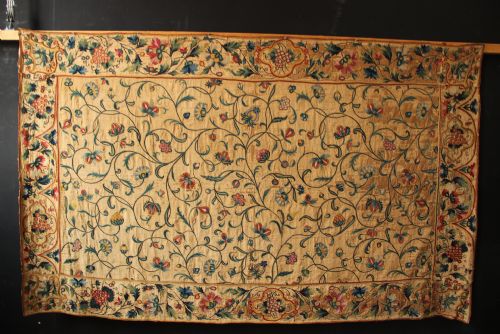
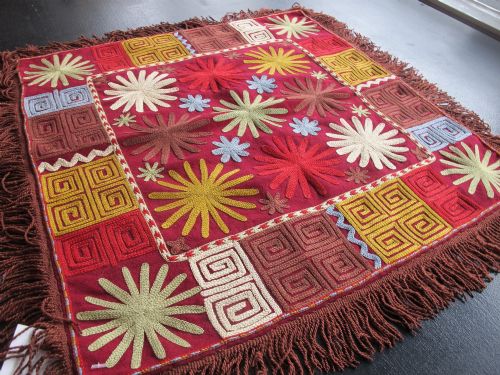
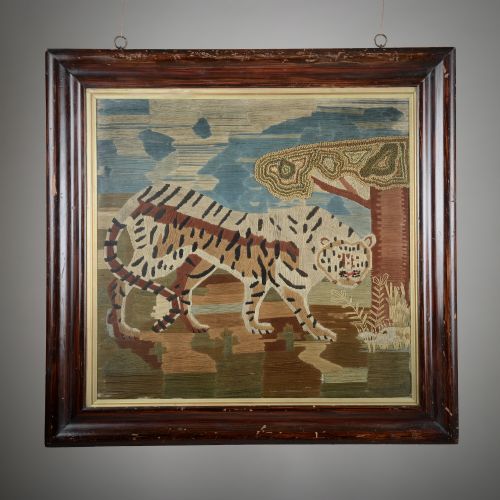
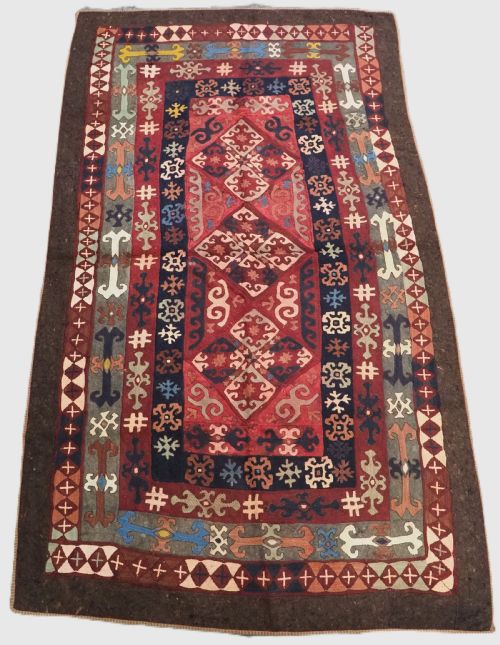
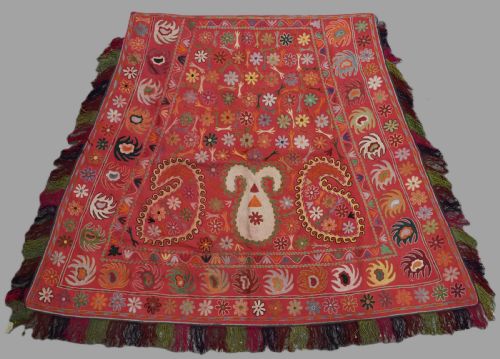
An embroidered wool textile encompasses a wide array of historical needlework, wall hangings, and decorative panels produced across various global traditions. Buyers seeking these items will find pieces ranging from formal 17th and 18th century English crewelwork panels to vibrant Central Asian tribal dowry embroideries.
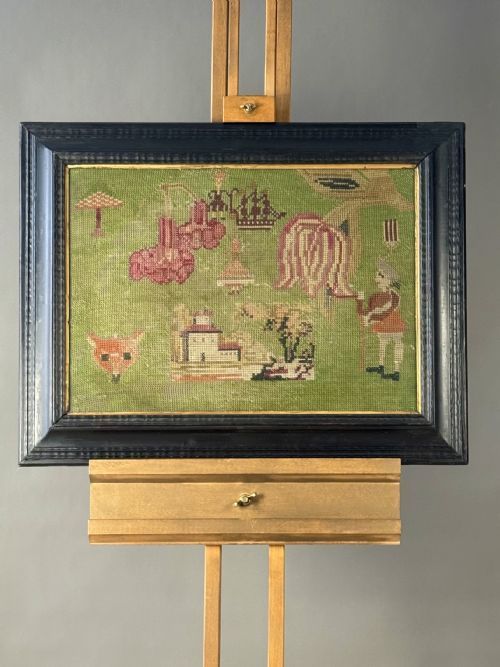
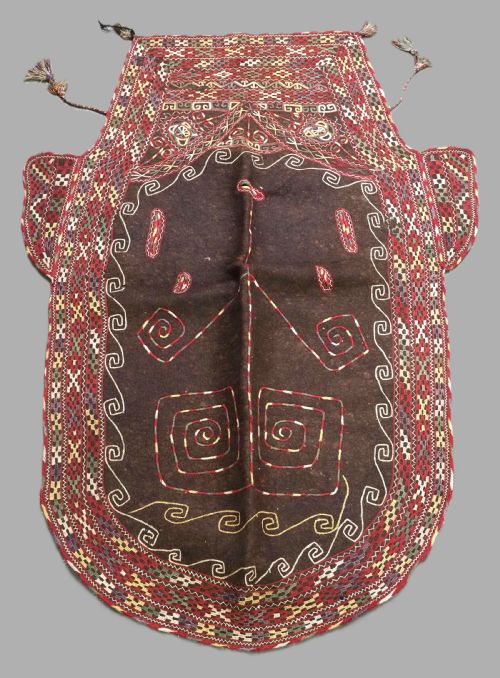
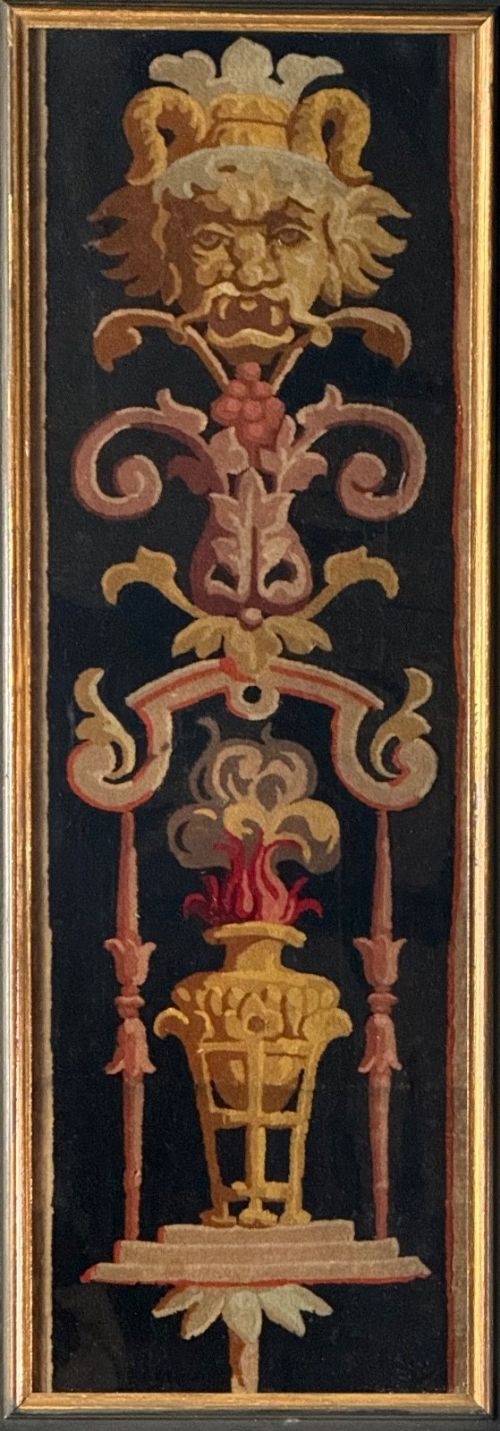
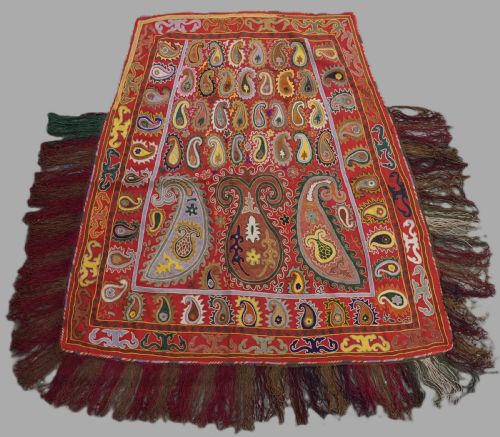
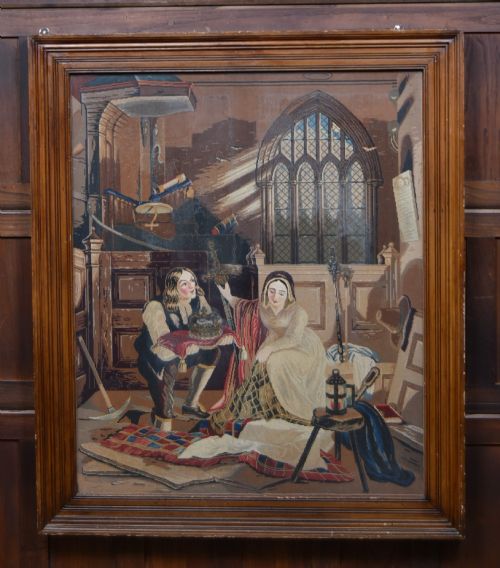
Forms vary from utilitarian horse blankets and yurt wall hangings to refined pastoral pictures and crewelwork wall panels. This diversity allows collectors to select between the geometric boldness of tribal motifs and the illustrative detail of classical European stitching.
How they were made
The creation of these textiles relies on a foundation of wool, felt, linen, or canvas as a ground fabric, often enriched with silk thread highlights. Artisans employed specialised stitching techniques, including needlepoint, gros-point, and crewelwork, to build dense pictorial surfaces or textural geometric patterns.
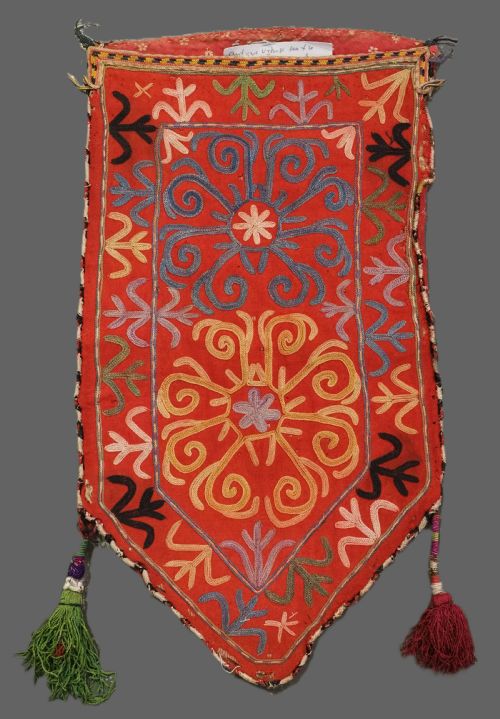
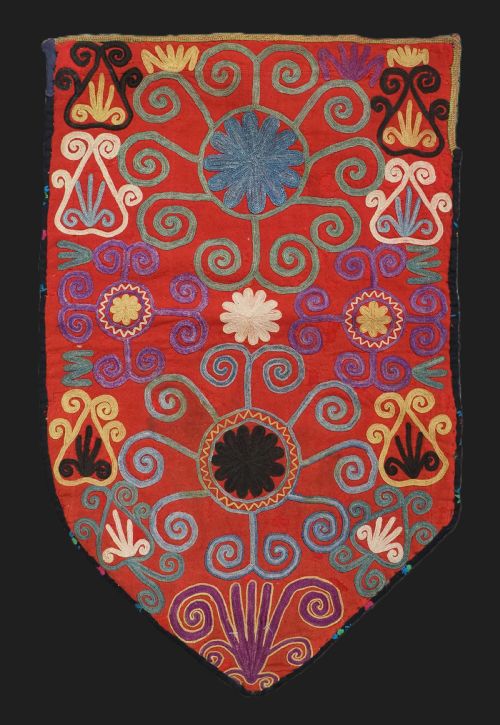
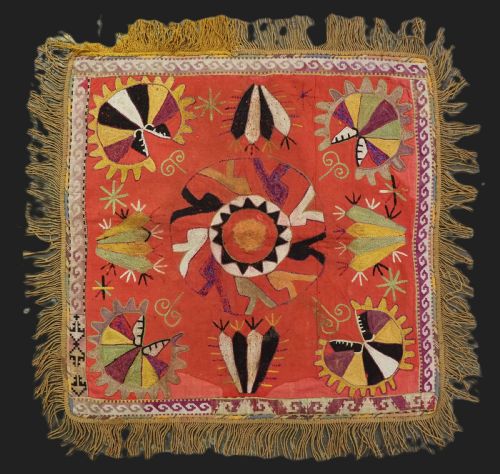
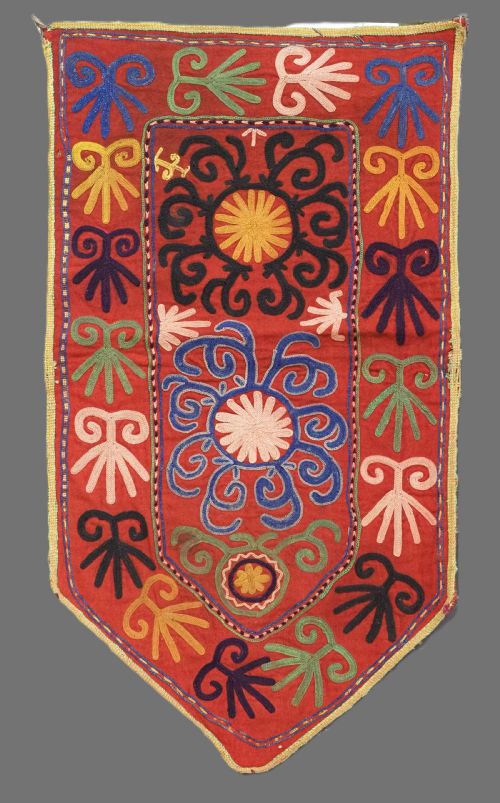
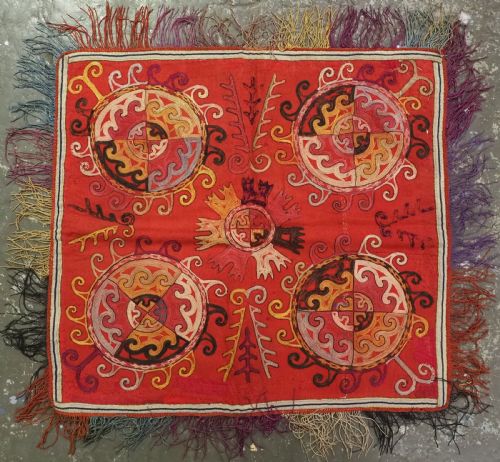
Nomadic pieces frequently utilise red wool or felt grounds embellished with applied fringe and complex silk embroidery. European examples often demonstrate fine needlework and crewel embroidery, executing pastoral scenes, classical portraits, and intricate floral designs through careful manipulation of wool and silk threads.
Listings span centuries of textile production, moving from 17th century English crewelwork panels to 20th century Central Asian nomadic felts.
What varies in quality
Quality in an embroidered wool textile is determined by the density of the stitching, the complexity of the design, and the survival of the original ground materials. Finer examples display meticulous needle control and tight, even execution across the entire pictorial or tribal surface.
The distinction between standard works and exceptional pieces also lies in the vibrancy of the remaining silk highlights and the integrity of applied elements like fringes. Superior artistry shows in the clarity of expression within figurative woolwork pictures or the balanced symmetry of Central Asian tribal medallions.
The Embroidered Wool Textile Glossary
- Crewelwork
- A traditional form of embroidery utilising wool yarn on a linen or cotton twill fabric, frequently seen in English wall hangings and panels. This technique allows for varied textured stitches to build rich floral and pastoral designs.
- Ilgich
- A Central Asian embroidered hanging, typically produced by the Lakai tribe in Uzbekistan as part of dowry traditions. These pieces feature dynamic geometric motifs stitched in silk onto wool or felt grounds.
- Samplers
- Historic stitched panels created by needleworkers to demonstrate proficiency in various alphabets, motifs, and decorative stitches. Early examples often display considerable pictorial ambition alongside traditional lettering.
- Gros-point
- A needlepoint stitch executed on coarse canvas using wool yarn, producing a durable and firm textile surface. It was frequently employed for historical portraits and decorative furnishings.
- Torba
- A small ceremonial bag or trapping created by Turkmen tribes, often featuring intricate face designs and silk highlights. They served both decorative and functional roles within nomadic households.
- Verre Églomisé
- A framing technique involving a gilded and painted glass mat surrounding a picture or textile. It provides a distinct decorative border characteristic of period presentation.
Embroidered Wool Textile: Frequently Asked Questions
How were tribal embroidered textiles used?
Central Asian tribal embroideries served functional roles within nomadic life, functioning as yurt wall hangings, dowry panels, or ceremonial horse covers. Pieces like the Lakai ilgich or Kyrgyz tush kyiz brought colour and status to domestic interiors.
Over time, these textiles transitioned into decorative wall art while retaining their original cultural symbolism and traditional method of display.
What is English crewelwork?
English crewelwork is a historic embroidery style that uses wool yarn on heavy linen or twill grounds. It gained prominence during the 17th and 18th centuries for decorative wall hangings and furnishings.
The technique permits a wide variety of textured stitches, producing elaborate floral patterns, trees of life, and pastoral scenes.
How do I care for an antique textile?
Antique wool and silk textiles require protection from direct sunlight to prevent the fading of natural dyes and delicate threads. Hanging pieces away from moisture sources helps preserve the structural integrity of wool grounds and applied fringes.
Professional consultation is advised for cleaning, as traditional washing methods can damage historic fibres and destabilise old stitches.
How can I tell periods apart?
Stylistic markers and material choices help distinguish between periods, such as the geometric vitality of 1900s Central Asian felt panels versus the classical subjects of 18th century needlework pictures. Early English crewelwork often displays dense Jacobean floral motifs on heavy linen.
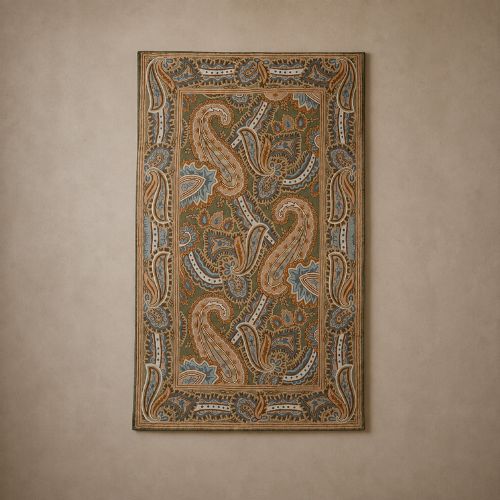
Nineteenth-century works frequently shift toward framed pictorial woolwork, silk and bead bell pulls, or detailed Kashmiri shawl panels.