


Elm Wood Seat
These elm wood seat pieces bring honest domestic utility into a room, offering sturdy charm through centuries of traditional country craftsmanship.
Elm Wood Seat
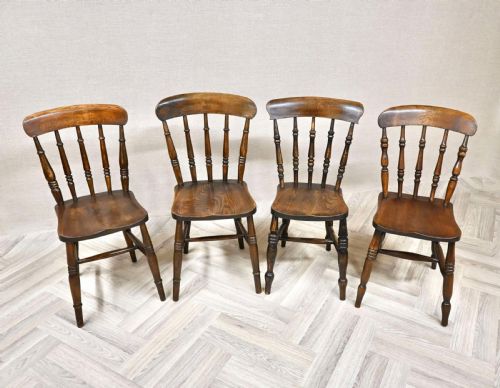
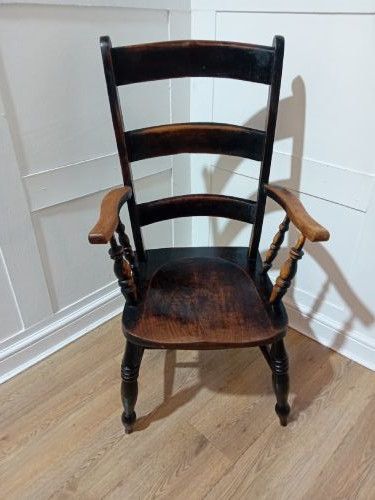
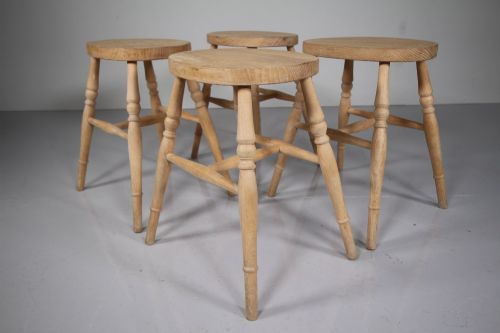
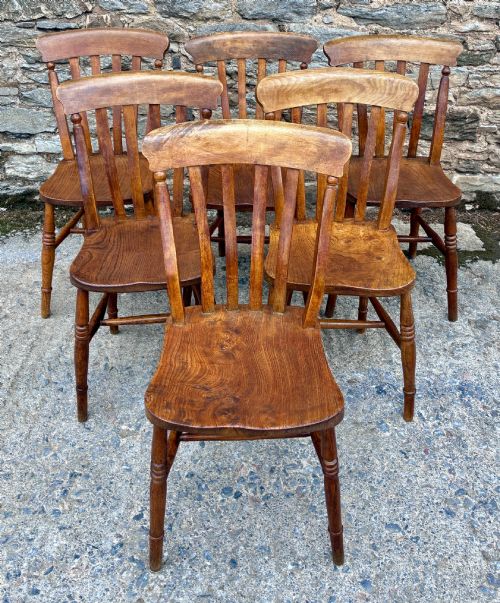
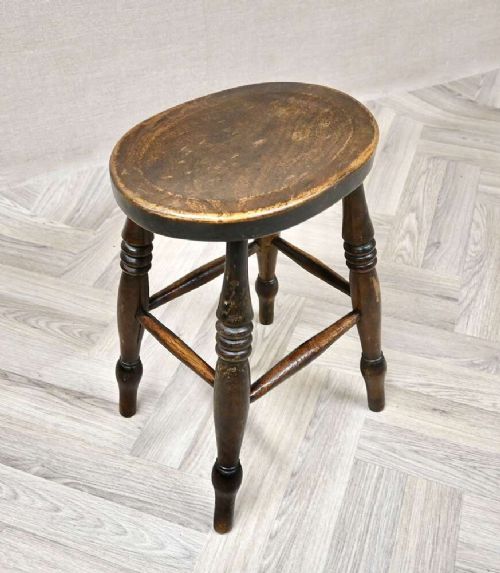
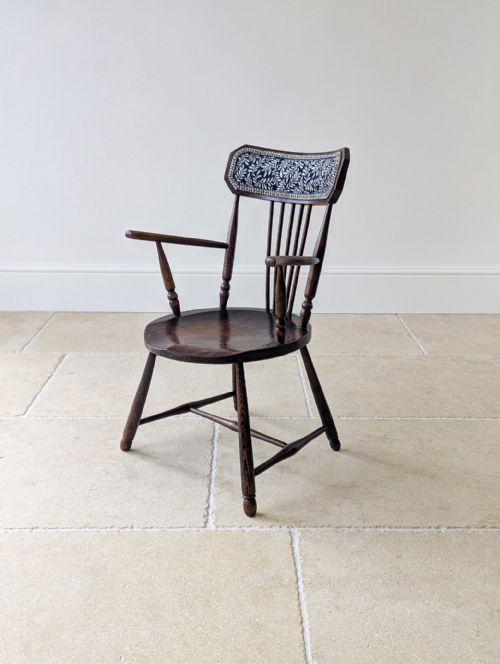
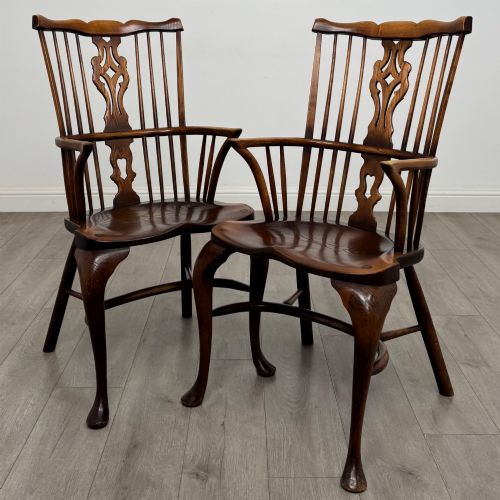
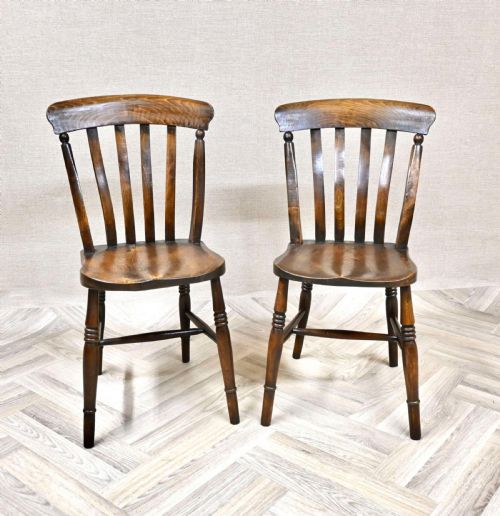
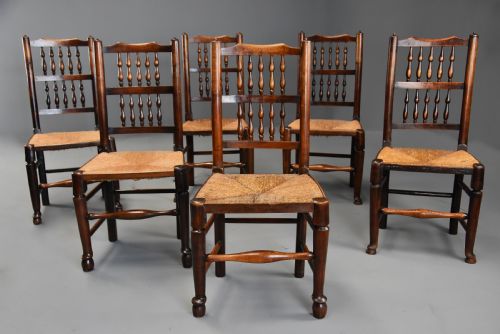
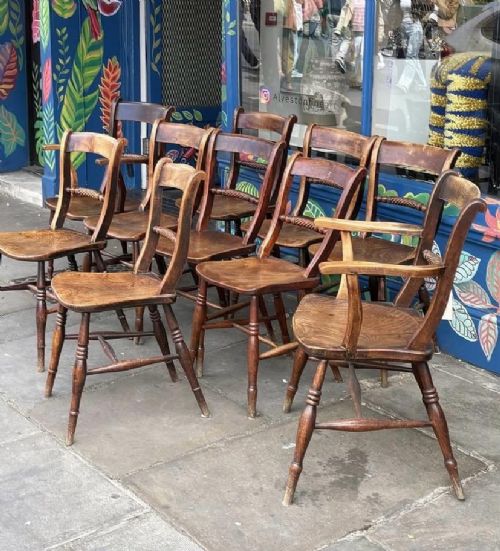
When you search for an elm wood seat, you encounter a robust tradition of vernacular seating designed for hard domestic use across British and European farmhouses and cottages. The selection spans sturdy Windsor armchairs, spindle backs, high backs, and functional stools dating from the eighteenth century through to the Edwardian period.
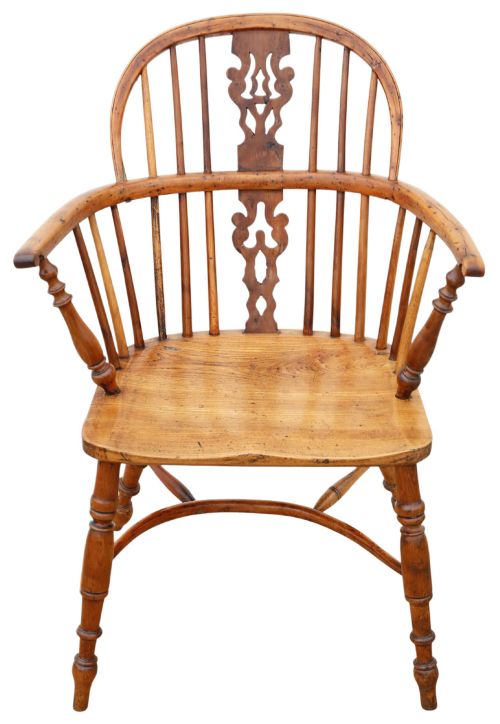
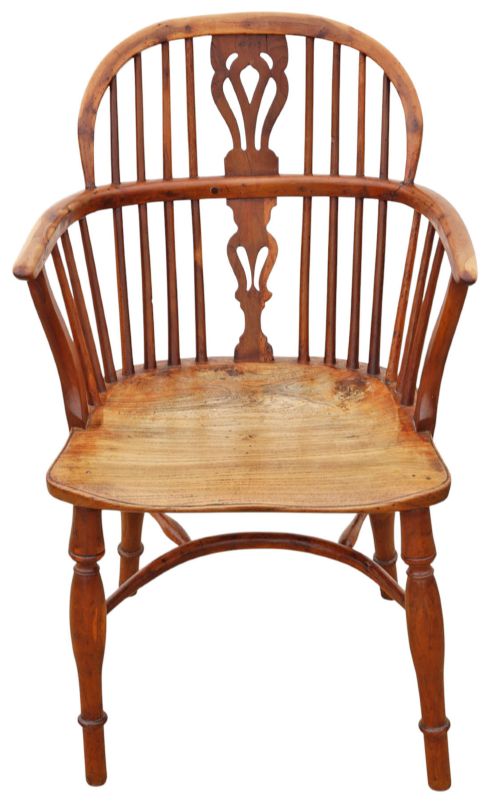
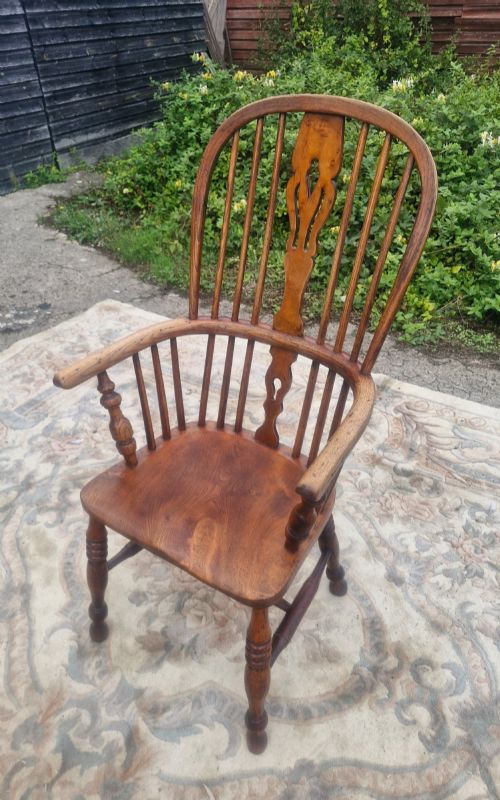
You are most likely to meet nineteenth-century English country Windsor chairs featuring thick, saddle-shaped timber bases alongside various complementary woods like ash, beech, and yew. These forms emerged from regional workshops where makers prioritised comfort and structural resilience over formal salon elegance.
Beyond standard kitchen and dining chairs, the category encompasses occasional stools, children's chairs, benches, and larger seating arrangements tailored for rustic interiors. Their straightforward construction reflects the practical demands of rural life, making them enduring staples of traditional country decor.
Distinctions in quality and execution
Quality rests in the sculptural depth of the saddle seat and the fluid curve of the arm bow, where skilled makers carved away bulk to achieve an ergonomic form. Thicker, deeply sculpted elm slabs demonstrate superior regional craftsmanship compared to flat, unyielding boards.
The integrity of the original joints, the retention of matching spindles, and the presence of a deep, honest patina separate standard utilitarian seating from finer collector pieces. Examples retaining original surface finishes or distinct regional turning patterns command greater appreciation.
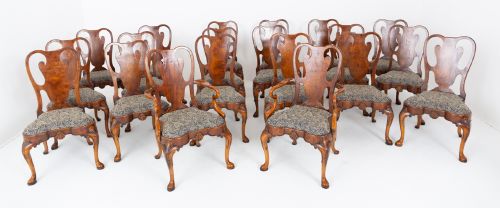
Current listings feature elm wood seats combined with ash, beech, yew, and fruitwood across Georgian, Victorian, and Edwardian periods.
The Elm Wood Seat Glossary
- Windsor chair
- A wooden chair built with a thick solid seat into which the legs and back spindles are separately bored and wedged. This sturdy vernacular form developed numerous regional variations across Britain.
- Vernacular
- Architecture and furniture made by local traditional craftsmen using native materials to suit practical needs. These pieces follow regional styles rather than academic architectural orders.
- Patina
- The lustrous surface sheen developed on wood over decades of handling, exposure to light, and polishing. A good patina indicates genuine age and careful maintenance.
- Yew wood
- A durable native softwood with distinct grain patterns and warm tones frequently utilised for the bentwood bows and spindles of quality country chairs. It combined flexibility with striking visual contrast against the elm seat.
- Rush seat
- A seating surface woven from dried marsh rushes around a wooden frame. Found on traditional country chairs alongside solid timber boards.
Elm Wood Seat: Frequently Asked Questions
How do I care for an antique elm seat?
Maintain the wood by applying occasional light coats of beeswax to nourish the dry timber and preserve its natural sheen. Keep the chair away from direct heat sources and sudden temperature shifts to prevent the grain from splitting.
Avoid harsh modern cleaning sprays or soaking the joints with water. Gentle dusting with a dry or barely damp cloth is sufficient for daily upkeep.
Why is elm used specifically for chair seats?
Elm wood possesses a tangled, interlocking grain structure that makes the timber exceptionally resistant to splitting when nailed, pegged, or sat upon repeatedly. This toughness allowed makers to carve thin, comfortable saddle shapes without compromising structural integrity.
Historic craftsmen relied on this property for heavy-use items like kitchen chairs and tavern stools. The tough nature of the wood ensured the seating remained dependable over generations of domestic life.
Can I use these chairs at a modern dining table?
These chairs integrate well into contemporary dining spaces, bringing texture and historical character to modern tables. Their varied heights and organic profiles add visual warmth to minimalist or industrial settings.
Check the seat height and arm clearance against your table apron before purchasing. Many nineteenth-century country chairs were built lower than standard modern dining seats.
How can I tell an eighteenth-century chair from a Victorian one?
Earlier eighteenth-century pieces often exhibit more slender proportions, finer turning on the spindles, and construction details specific to regional traditions like Lancashire or Thames Valley workshops. The saddle seats on older examples frequently show deeper, more organic hollows from centuries of use.
Victorian iterations tend to be heavier in scale, sometimes incorporating machine-tooled components or broader crest rails. Examining the tool marks and the nature of the wood movement provides clues to the manufacturing decade.