

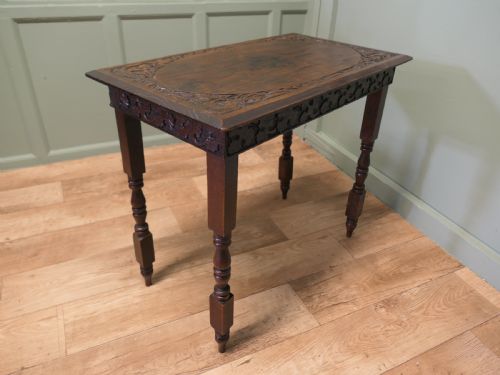
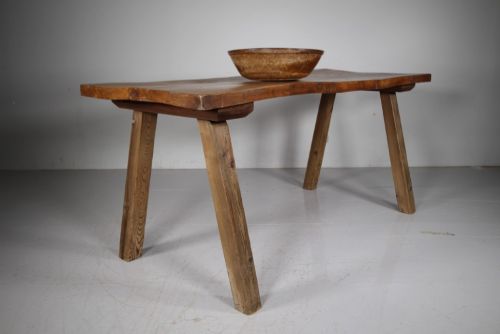
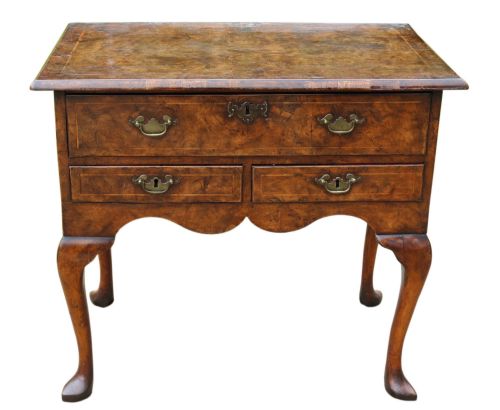
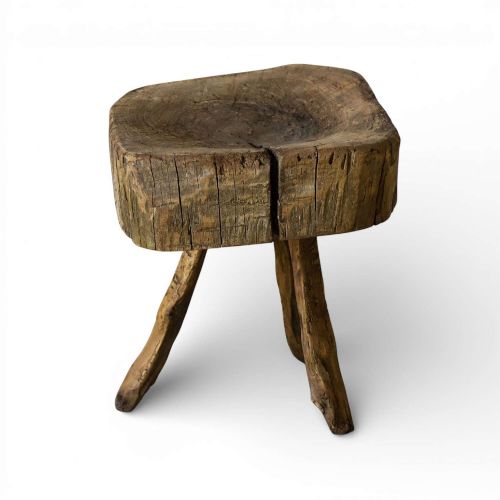
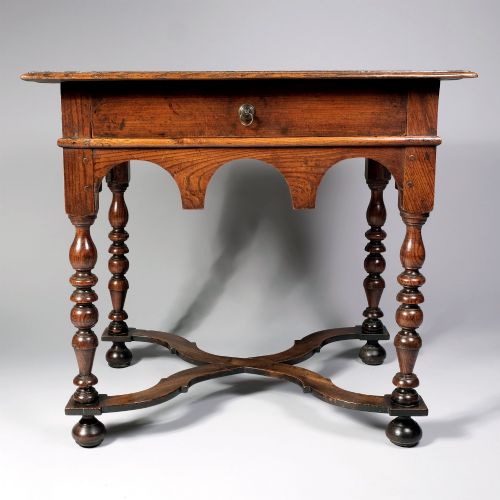

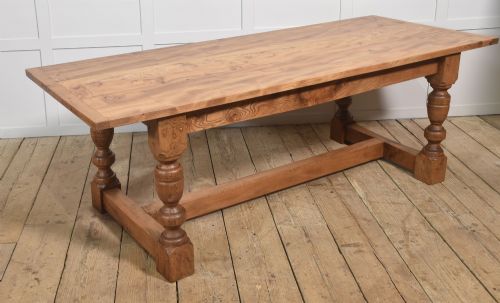
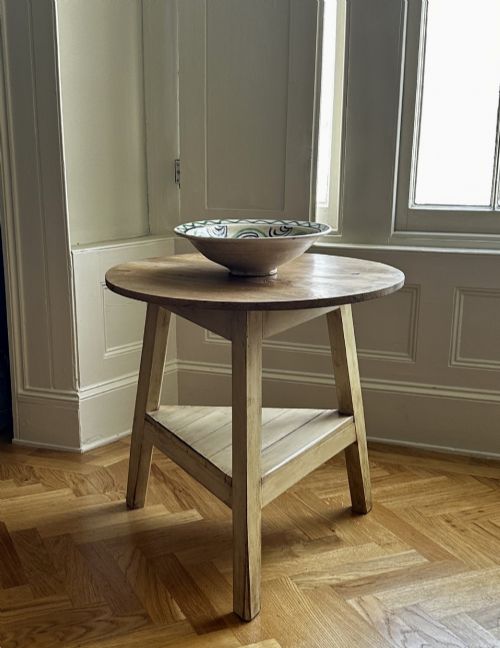
Elm Leg Table
An elm leg table brings a rustic honesty and rich domestic history straight into a room.
Elm Leg Table
When you search for an elm leg table, you encounter robust utility surfaces built for heavy daily use. The pieces span centuries of regional craftsmanship, originating from English country houses, French provincial kitchens, and vernacular workshops.
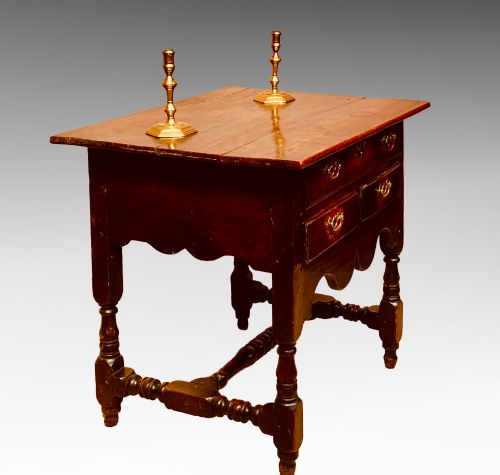
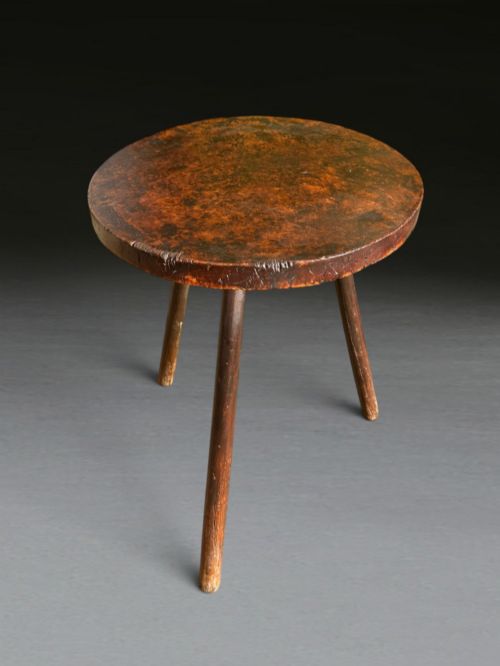
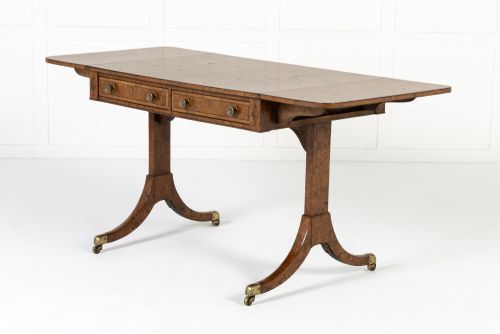
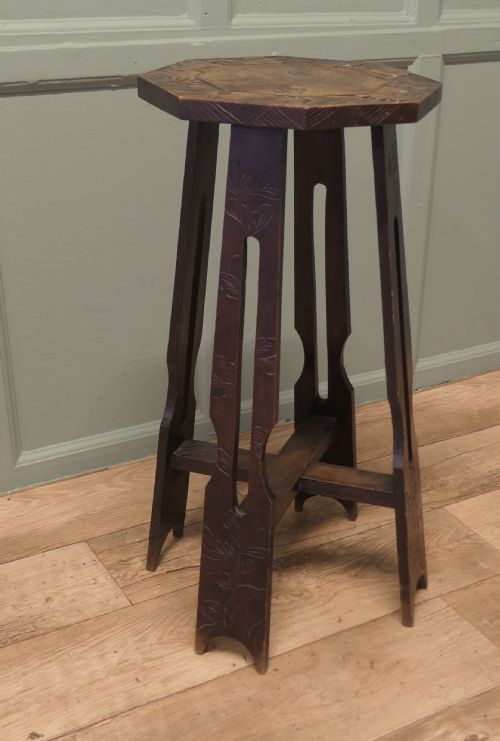
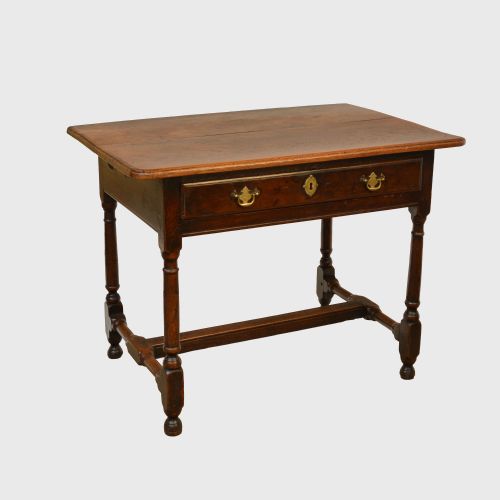
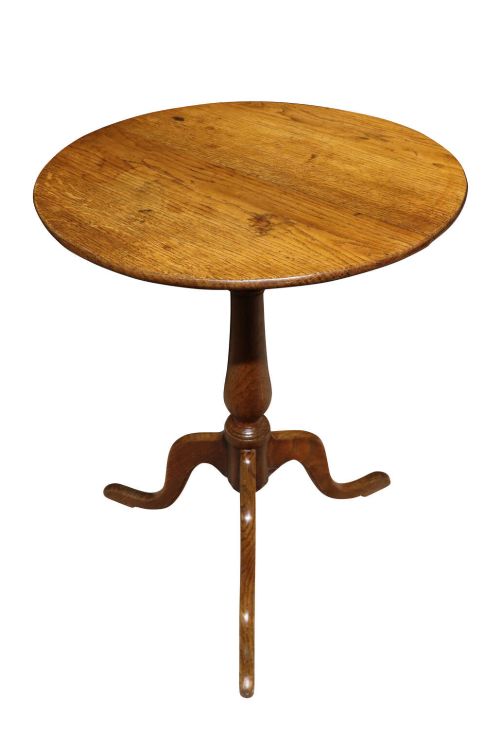
The form varies widely across the inventory, ranging from expansive refectory dining tables and gatelegs to modest tripod occasional tables and lowboys. Elm frequently appears alongside oak or ash, serving either as the primary tabletop or forming the structural legs beneath.
Georgian and 17th-century examples dominate the earlier periods, while 19th-century French chopping blocks and farmhouse tables offer robust, everyday character. Buyers select these items for their tactile surfaces and the deep patina built through generations of domestic labour.
How they were made
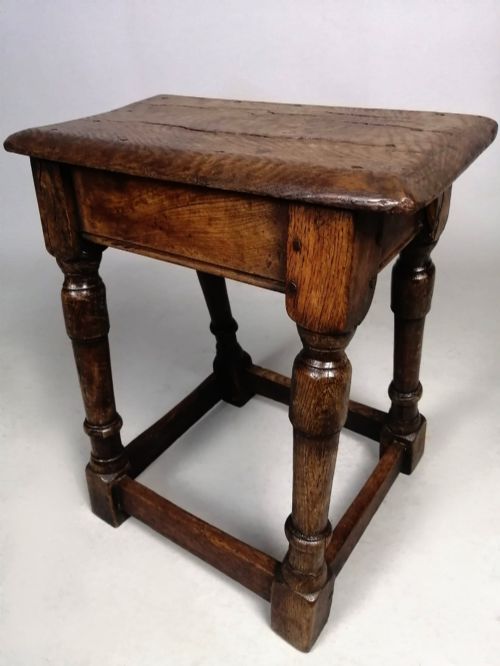
Cabinet makers and rural carpenters utilised dense timbers like elm, oak, and ash for their exceptional resilience and interlocking grain. Elm boards were selected for tabletops due to their resistance to splitting, while turned or gnarled legs provided sturdy support.
Joinery relied on traditional methods such as pegged mortise and tenon joints, stable gateleg mechanisms, and tripod base constructions. Surfaces were frequently left unpainted to showcase the natural figuring, burr patterns, and warm colour of the wood.
Elm Leg Table Retail Price Guide 2026
Typical asking prices for elm leg table among the pieces listed under this phrase on Sellingantiques today, from the lower quarter to the upper quarter. They describe what is for sale here now, not the wider market.
Listings feature elm combined with oak, ash, and burr elm across side tables, lowboys, and refectory dining formats.
What varies in quality
Quality rests in the integrity of the timber selection, particularly the presence of striking burr patterns, lively grain, and substantial thickness in the top boards. Tables retaining their original legs, uncompromised structural frames, and authentic surface patination command greater attention.
The balance between rustic utility and refined proportion distinguishes regional vernacular pieces from formal cabinet work. Evidence of original fixings, untouched scrubbed finishes, and minimal later intervention preserve the historical weight of each table.
The Woodworkers Ltd Kilkenny
The Elm Leg Table Glossary
- Elm
- A tough, interlocking timber prized for its resistance to splitting and rich, swirling grain patterns. It was the material of choice for heavy-use items like chopping blocks and kitchen table tops.
- Lowboy
- A small side table featuring one or more drawers and slender legs, typically produced during the 18th century. These pieces often served as dressing tables or serving surfaces.
- Gateleg table
- A drop-leaf table where the hinged legs swing out on a gate-like framework to support the folding flaps. This ingenious design allowed large dining surfaces to fold away compactly.
- Refectory table
- A long, narrow dining table traditionally built for communal dining halls. Vernacular versions combine sturdy timber frames with thick planked tops.
- Pad foot
- A simple, rounded foot shape found on furniture legs from the Georgian period onwards. It sits flat on the floor without additional decorative carving.
- Patina
- The lustrous surface sheen developed over centuries through age, handling, and regular polishing. It serves as a visual marker of genuine antiquity.
Elm Leg Table: Frequently Asked Questions
What is an elm leg table used for today?
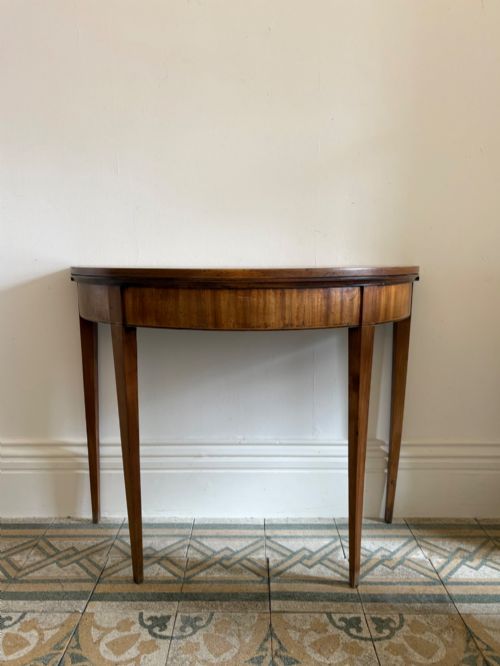
These tables function brilliantly as daily dining surfaces, kitchen prep stations, or statement console pieces in living spaces. Their sturdy construction easily handles the demands of modern family life.
Their varied proportions mean smaller tripod or side variants fit neatly beside armchairs, while larger refectory and gateleg formats anchor open-plan dining rooms with historical warmth.
How do I care for an antique elm surface?
Maintain the wood by applying natural beeswax sparingly and buffing with a soft cloth to nourish the grain. Avoid placing the timber near direct heat sources or in damp conditions to prevent splitting.
Use coasters and placemats to protect the historic patina from moisture rings and heat damage, preserving the honest finish achieved over centuries.
How can I tell a Georgian elm table from a 19th-century piece?
Earlier Georgian and 17th-century examples often feature hand- turned legs, pegged joinery, and distinct timber selection like burr elm or native oak frames. The tool marks left by pit saws and primitive lathes provide strong clues to their age.
Nineteenth-century vernacular items often display heavier scrubbed surfaces, simpler softwood additions, or regional French provincial traits that differ from formal English cabinet making.
Why is elm often paired with oak or ash?
Elm boards possess a notoriously twisted grain that resists splitting under heavy blows, making them ideal for table tops and chopping blocks. Carpenters paired them with straight-grained oak or ash for legs and framing to ensure structural stability.
This intelligent combination utilised the distinct strengths of each native hardwood to build furniture capable of surviving centuries of hard use.