



Eighteenth Century Dish
An eighteenth century dish brings the refined craft of porcelain and earthenware directly to your table, offering genuine historic character.
Eighteenth Century Dish
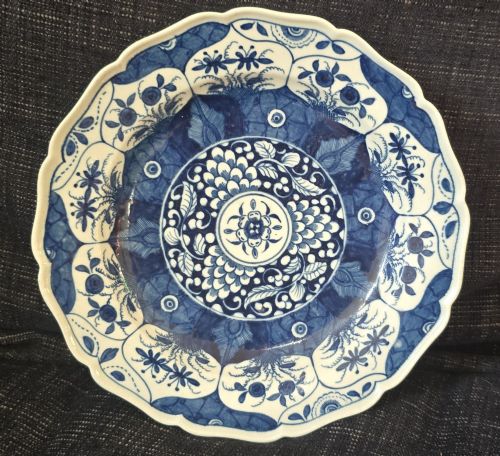
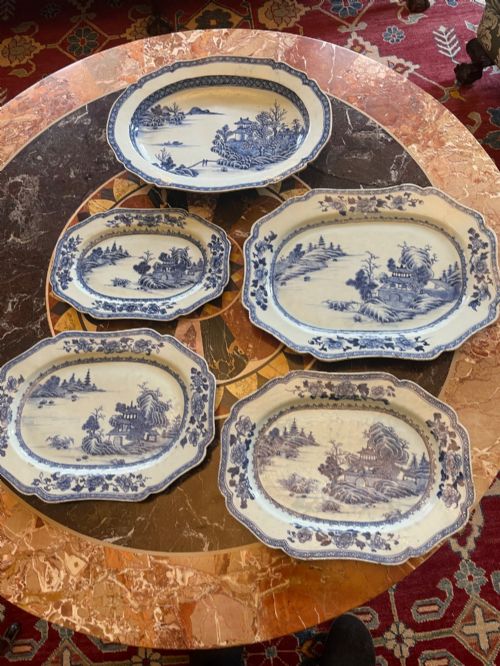
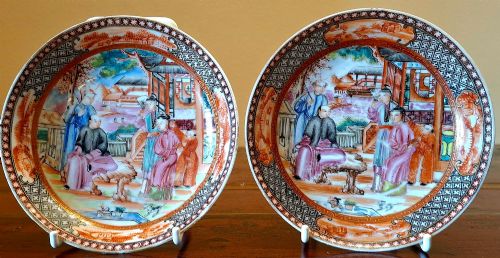
These items originate from distinct global centres of production, encompassing Worcester porcelain, Japanese Edo period wares, and Chinese export pieces. Buyers regularly find examples decorated in cobalt underglaze, overglaze enamels, or the characteristic Imari palette.
The assortment reflects domestic dining and display practices of the period, ranging from large decorative chargers intended for visual impact to specialised vessels like junket and sweetmeat dishes. Each piece bears the distinct aesthetic of its geographical origin, whether European Rococo or East Asian export design.
Materials and methods of production
The fabrication of these ceramics relies primarily on soft-paste porcelain, hard-paste porcelain, and tin-glazed earthenware bodies. Potters shaped these materials by hand or used moulds before applying complex decorative surfaces.
Decoration was achieved through meticulous hand-painting, utilising cobalt underglaze for blue and white designs or overglaze enamels for richer polychrome palettes. Some specialised pieces incorporated delicate applications of gold leaf to highlight intricate motifs.
Eighteenth Century Dish Retail Price Guide 2026
Typical asking prices for eighteenth century dish among the pieces listed under this phrase on Sellingantiques today, from the lower quarter to the upper quarter. They describe what is for sale here now, not the wider market.
A rogue rake makes an unexpected appearance on a French faience wall plaque, proving moral instruction could be served alongside dessert.
Distinctions in craftsmanship and condition
The standard of a piece depends heavily on the precision of the hand-painting and the clarity of the glaze. Finer examples display crisp, well-defined brushwork and harmonious colour application without blurring or firing flaws.
Preservation of the original surface also dictates overall worth, where minimal glaze wear and undisturbed enamel retain the intended visual harmony. Structural integrity, such as the absence of major restoration or hairline cracks, further separates standard domestic wares from superior collector specimens.
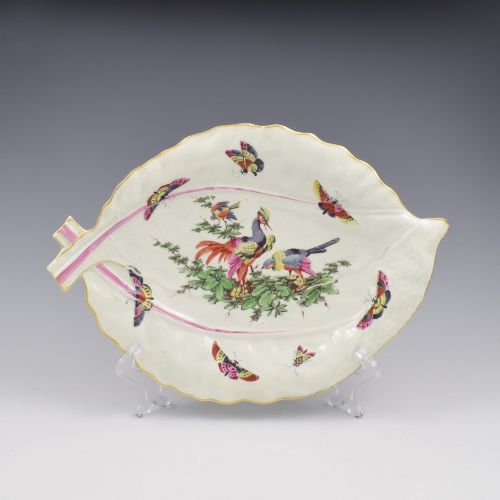
Dr Wall Worcester·Lille French Faience
The Eighteenth Century Dish Glossary
- Porcelain
- A fine, vitrified ceramic material made from kaolin and petuntse fired at high temperatures. It is known for its resonant quality and bright white body.
- Tin-Glazed Earthenware
- A pottery body coated with an opaque white glaze containing tin oxide, providing a smooth canvas for painted decoration. This technique defines traditional Delftware and faience production.
- Imari Palette
- A distinct decorative style originating in Japan and later copied in Europe, characteristically utilising cobalt blue, iron red, and gilt. It creates a rich, contrasting visual effect on porcelain surfaces.
- Overglaze Enamels
- Pigments applied over a previously fired and glazed ceramic surface before undergoing a lower temperature refiring to fuse the colours. This method allows for a broad spectrum of bright hues on finished pieces.
- Charger
- A large decorative plate primarily used for ceremonial display or as a base setting for smaller service plates during formal dining.
Eighteenth Century Dish: Frequently Asked Questions
How were eighteenth century dishes used?
These vessels served various functions ranging from formal dining table service to decorative display on walls or sideboards. Larger chargers and serving dishes held food for communal dining, while specialised forms accommodated specific treats.
Over time, many of these utilitarian and decorative objects transitioned purely into display pieces, appreciated for their artistry and historical connection to domestic life.
How do I care for antique porcelain?
Washing these fragile ceramics requires gentle hand cleaning in lukewarm water using mild detergent. Avoid abrasive sponges or immersion in hot water, which can stress old glazes.
Display them away from direct sunlight and areas subject to sudden temperature shifts to protect the delicate enamel and ceramic body from deterioration.
How can I tell Japanese export from European wares?
Distinguishing between regional styles involves examining the clay body, glaze characteristics, and specific decorative motifs. Japanese Edo period pieces often feature distinct iron red and cobalt blue palettes with characteristic potting traits.
European factories like Worcester or Dutch Delftware adapted these Asian designs, resulting in hybrid motifs that reflect local material compositions and manufacturing techniques.