



Eighteenth Century Ceramic Vessel
These eighteenth century ceramic vessel examples span English earthenware, Chinese porcelain, and European tin glaze, offering both decorative presence and utilitarian history.
Eighteenth Century Ceramic Vessel
When you search for an eighteenth century ceramic vessel, you are looking at items that served domestic, ritual, or display purposes across multiple continents during the 18th century and into the early 19th century.
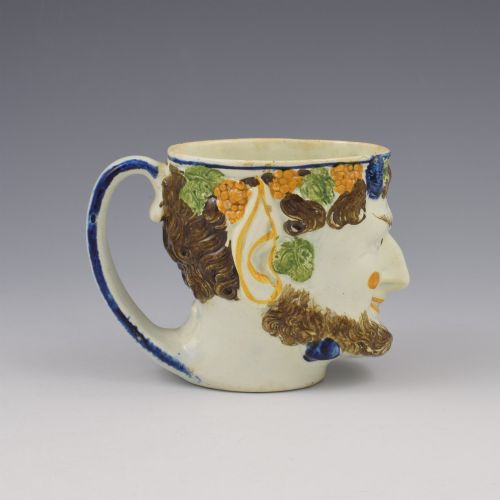
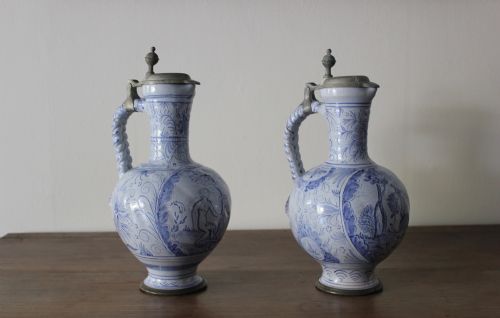
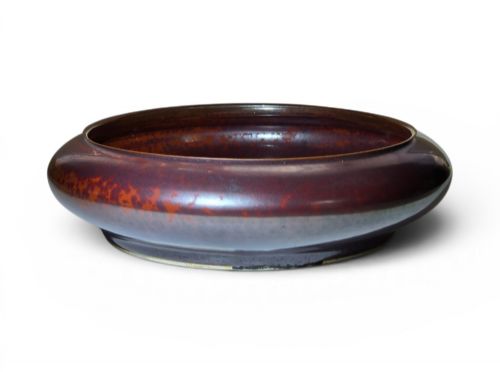
The pieces listed on this page encompass various forms, including mugs and tankards, ewers, incense burners, vases, storage jars, pitchers, jugs, and decorative bowls.
You are most likely to meet earthenware, porcelain, and tin glaze pieces originating from English, Dutch, Chinese, and Italian workshops, reflecting the stylistic diversity of the period.
Materials and construction methods
Makers shaped these objects using clay bodies such as earthenware, pearlware, and porcelain, frequently finishing surfaces with tin glaze, iron rust glaze, or polychrome pigments.
Potters employed techniques ranging from wheel-throwing to moulding, sometimes adding painted details by hand, as seen in works featuring tin glaze and gold leaf highlights.
Eighteenth Century Ceramic Vessel Retail Price Guide 2026
Typical asking prices for eighteenth century ceramic vessel among the pieces listed under this phrase on Sellingantiques today, from the lower quarter to the upper quarter. They describe what is for sale here now, not the wider market.
The listings include 18th Century, Georgian, and 19th Century periods alongside materials such as Earthenware, Porcelain, Tin Glaze, and Pearlware Ceramic.
Judging quality and execution
Quality separates through the refinement of the potting, the precision of the painted decoration, and the stability of the glaze application across different ceramic bodies.
Superior examples display balanced proportions and skilful handling of pigments, whereas simpler pieces show more utilitarian execution.
Derby Porcelain·Pieter Verburg·Zachariah Boreman
The Eighteenth Century Ceramic Vessel Glossary
- Tin Glaze
- An opaque white glaze containing tin oxide. It provided a smooth surface for painted decoration in traditions like Dutch Delftware.
- Iron Rust Glaze
- A dark brownish-red glaze rich in iron oxide. It creates a mottled, metallic surface effect often found on Chinese ceramics.
- Dehua
- A renowned Chinese porcelain production centre in Fujian province. It is famous for its creamy white blanc de chine wares.
- Prattware
- A type of English earthenware popular around 1800. It is characterised by underglaze colour decoration in blue, ochre, brown, and yellow.
Eighteenth Century Ceramic Vessel: Frequently Asked Questions
What is an eighteenth century ceramic vessel used for?
These items functioned as practical containers for liquids, dry goods, and tobacco, as well as ritual burners and ornamental display pieces.
Owners utilised them daily in domestic settings or placed them in parlours to signal taste and social standing.
How do I care for my ceramic vessel?
Keep these items away from direct sunlight and abrupt temperature changes to protect the historic glaze and ceramic body.
Dust them gently with a dry cloth and avoid immersing porous earthenware in water for extended periods.
How do I tell tin glaze from porcelain?
Tin glaze presents an opaque, white earthenware surface that often shows softer edges and is typically associated with European Delftware.
Porcelain is a denser, vitrified material that is harder and sometimes translucent when held to the light.
Are these pieces marked by makers?
Many items from this period remain unmarked because factory branding was less common or consistent than in later centuries.
Attribution relies on stylistic traits, glaze composition, potting techniques, and historical records rather than stamped signatures.