

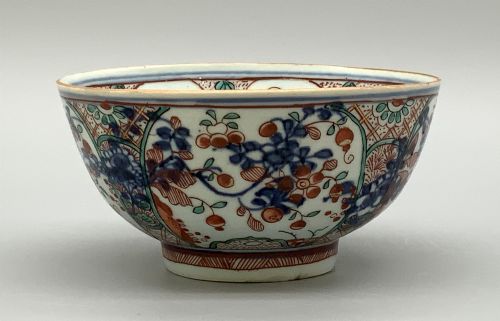


Blue White Red Ceramic Bowl
These blue white red ceramic bowl pieces unite vibrant palette traditions from Chinese and Japanese kilns across several centuries.
Blue White Red Ceramic Bowl
A blue white red ceramic bowl selection centres on decorative bowls and jardinieres from Asian production centres. Buyers encounter pieces spanning the seventeenth century through to the early twentieth century.
The objects frequently originate from Japanese Arita kilns or Chinese export workshops. Imari palette designs and Kangxi period items dominate the available forms.
Early examples include Genroku period items and Chinese export porcelain alongside later Meiji period decorated vessels. Scalloped edges and tripod vessel forms appear regularly across the selection.
How they were made
Production relies upon porcelain body construction finished with glaze and hand-painted enamel decoration. Artisans applied cobalt blue underglaze alongside iron red and gold leaf highlights.
Kiln workers shaped porcelain clay into bowls, dishes and large jardinieres before firing at high temperatures. Metal mounts or gilt touches occasionally complement the glazed ceramic surfaces.
Blue White Red Ceramic Bowl Retail Price Guide 2026
Typical asking prices for blue white red ceramic bowl among the pieces listed under this phrase on Sellingantiques today, from the lower quarter to the upper quarter. They describe what is for sale here now, not the wider market.
Several tripod bowls manage to stand on three tiny ceramic feet while displaying intensely busy red and blue patterns that refuse to sit quietly.
What varies in quality
Distinctions in quality rest upon the precision of hand-painted enamel work and the clarity of the underlying porcelain. Earlier pieces from the Kangxi and Genroku periods display distinct technical refinement in palette application.
The sophistication of decorative composition separates standard vessels from exceptional examples. Form complexity, such as scalloped edges or tripod feet, distinguishes the upper tier of objects.
The Blue White Red Ceramic Bowl Glossary
- Imari
- A style of Japanese export porcelain characterised by a palette of underglaze blue, iron red, and gilt. Named after the port from which the wares were shipped to Europe.
- Porcelain
- A ceramic material made by heating raw materials, generally including clay in the form of kaolin, in a kiln. It yields a hard, non-porous white body.
- Jardiniere
- An ornamental pot or stand for holding plants or flowers. These large vessels frequently match the ceramic decoration of contemporaneous dining bowls.
- Glaze
- A vitreous coating applied to ceramics to seal the porous body and impart colour or shine. Cobalt oxide was typically utilised for blue underglaze decoration.
Blue White Red Ceramic Bowl: Frequently Asked Questions
What is an imari bowl?
An imari bowl is a ceramic vessel decorated in a distinct palette that combines cobalt blue underglaze with iron red and gold leaf overglaze. These pieces originated primarily in Japanese kilns during the Edo period.
Craftsmen produced these items for both domestic use and international trade, resulting in robust export wares that survived centuries of handling.
How old are these ceramic bowls?
The pieces span from the late seventeenth century through the early twentieth century. Examples range from Genroku period items and Kangxi period pieces to later Meiji period productions.
Stylistic markers and potting techniques help collectors place individual vessels within this broad chronological timeline.
What is a jardiniere?
A jardiniere is a decorative ceramic bowl designed to hold potted plants or floral arrangements. These items often feature substantial proportions and rich enamel decoration.
Potters frequently applied the same Imari palette and hand-painted motifs to jardinieres as they did to smaller tableware.
Where were these bowls made?
These ceramics were produced in major Asian manufacturing centres, specifically in China and Japan. Japanese production centred around Arita kilns during the Edo and Meiji eras.
Chinese workshops contributed export porcelain items, including Kangxi period vessels destined for international markets.