



Eighteenth Century Canvas
These eighteenth century canvas works bring centuries of oil painting tradition into a room through historic portraits and still lifes.
Eighteenth Century Canvas
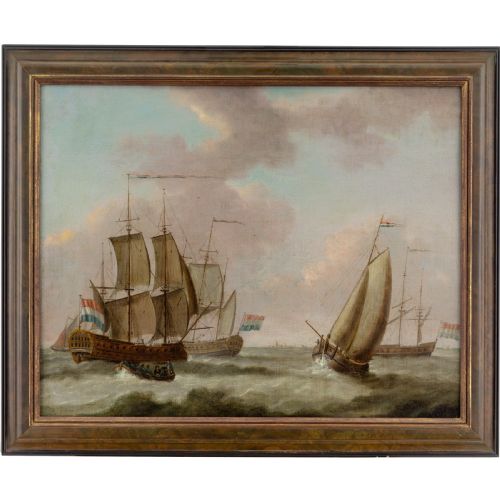
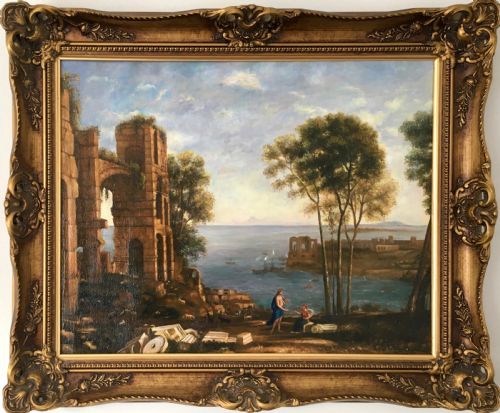
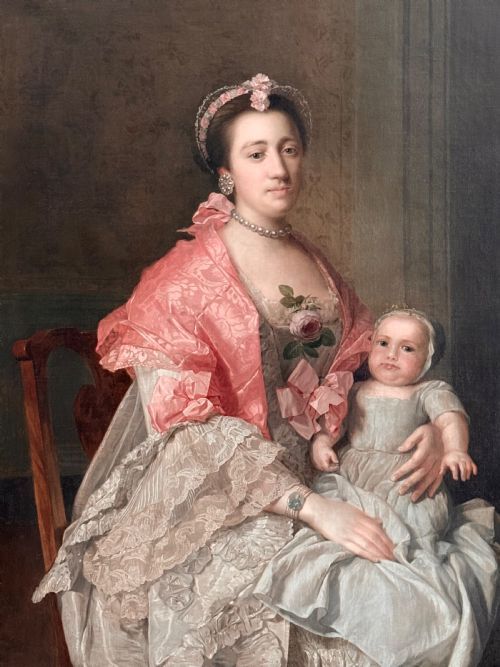
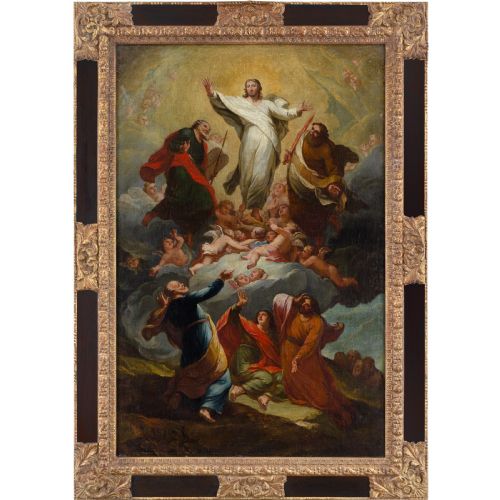
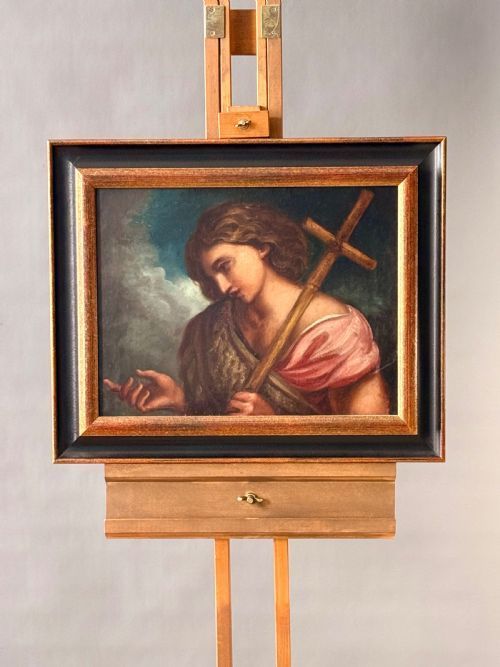
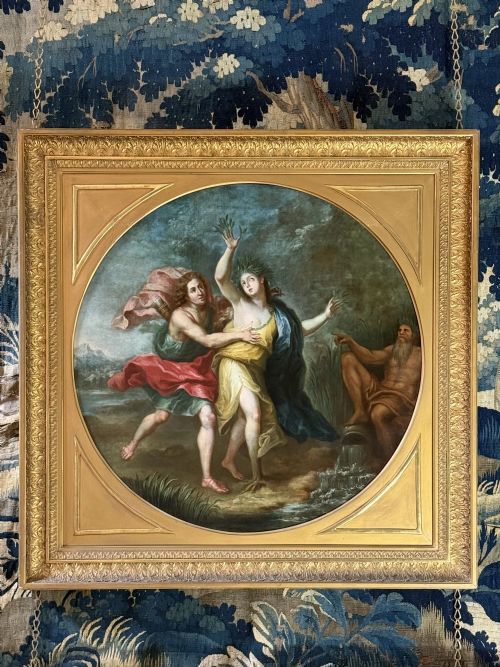
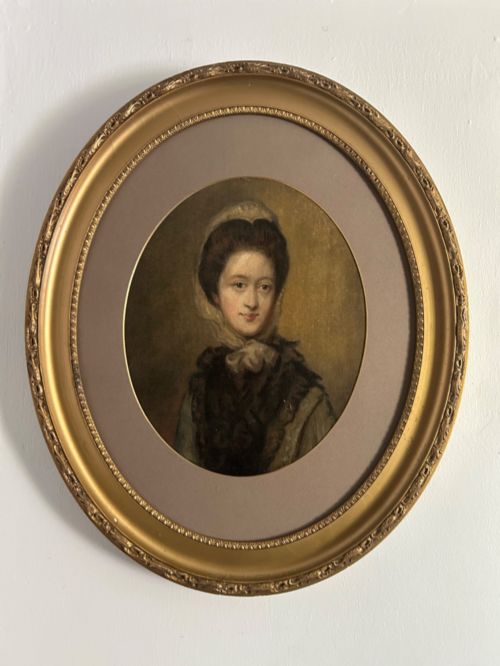
An eighteenth century canvas selection comprises oil paintings executed during the Georgian era and surrounding periods, featuring portraits, landscapes, and still lifes. These works span Dutch, Italian, and French schools, presenting subjects ranging from religious figures to classical capriccios and quiet domestic scenes.
Most pieces encountered here date from the seventeen hundreds, utilising traditional stretched canvas supports housed within period wood frames. Collectors encounter both intimate miniature still lifes and large country house portraits.
The assortment includes works attributed to specific continental and British painters alongside regional school pieces. Portraits of gentlemen and ladies sit alongside floral compositions and sporting scenes.
Materials and construction
Artists applied oil paint directly onto woven canvas supports, building up rich layers of pigment to achieve depth and luminosity. These canvases were mounted onto wooden stretcher frames to maintain structural tension over time.
Frames incorporated carved wood finished with gold leaf, gilded wood, or gesso details. These surrounds provided structural support and visual definition suited to the interior aesthetics of the period.
Eighteenth Century Canvas Retail Price Guide 2026
Typical asking prices for eighteenth century canvas among the pieces listed under this phrase on Sellingantiques today, from the lower quarter to the upper quarter. They describe what is for sale here now, not the wider market.
A seventeenth century whist inventor hides among the nobility.
Evaluating quality in historic paintings
Quality rests in the precision of the brushwork and the expressive capability captured in portraiture or landscape detail. Superior examples demonstrate confident handling of light, shadow, and anatomical proportion by the painter.
The preservation of the original canvas and the integrity of the period frame influence the standing of a piece. Finer works retain their primary surface texture and subtle tonal transitions without heavy later restoration.
Matthieu Elias·Sir Allan Ramsay·Charles-Antoine Coypel·Bartolomeo Schedoni·Dean Wolstenholme·James Latham·Nathaniel Hone·John Raphael Smith
The Eighteenth Century Canvas Glossary
- Capriccio
- An architectural fantasy placing together buildings, archaeological ruins and other architectural elements in a fictional combination. Painters used this style to explore imaginative Mediterranean landscapes.
- Gesso
- A plaster mixture used as a smooth base for painting or for applying gilding on wooden frames. It provides a stable surface for gold leaf adherence.
- Camaieu Bleu
- A monochrome painting technique executed entirely in shades of blue. It mimics the visual effect of a relief carving.
- Giltwood
- Wood that has been coated with gold leaf or gold paint for decorative effect. This finish defines many period picture frames.
Eighteenth Century Canvas: Frequently Asked Questions
How should I hang an eighteenth century canvas?
Position the painting away from direct sunlight and fluctuating heat sources to protect the oil pigments and wooden stretcher frames.
Secure the frame using appropriate wall fixings that match the weight of the wood and gilded surround.
What subjects appear in these paintings?
Subjects include formal portraits of gentlemen and ladies, religious scenes, sporting dogs in wooded clearings, and floral still life compositions.
Artists also produced classical Italian landscapes and monochrome camaieu blue panels during this period.
Are these works in original frames?
Many paintings retain period wood frames finished with gold leaf, gesso, or giltwood details that complement the era of the canvas.
Frame styles vary from simple moulding to ornate baroque designs matching the origin of the artwork.
How do I distinguish regional schools?
Dutch school works often focus on maritime scenes and detailed still lifes, while Italian pieces lean toward classical landscapes and religious subjects.
British portraits from the Georgian period typically emphasise the sitter's likeness and social standing within structured compositions.