

Eighteenth Century Art
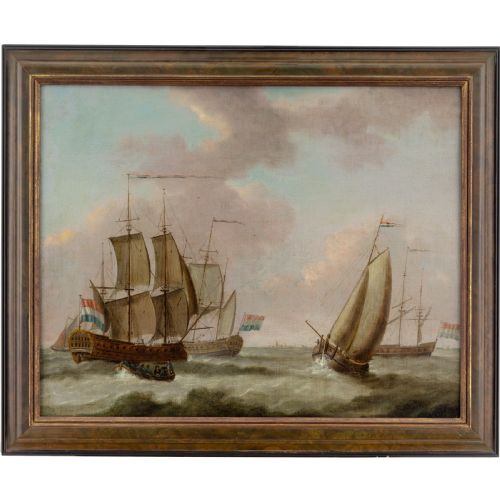
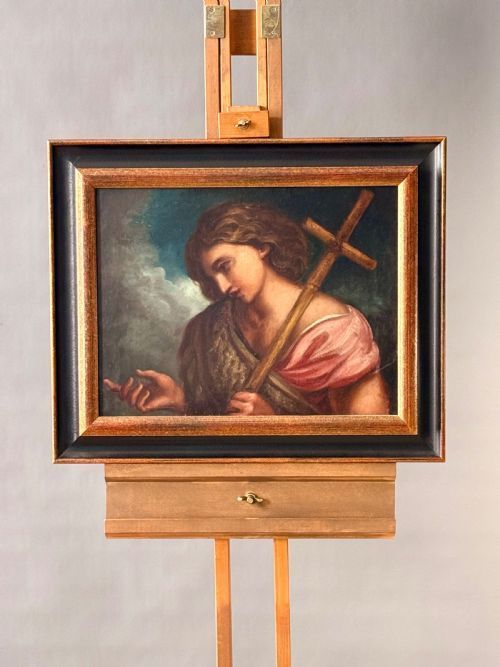
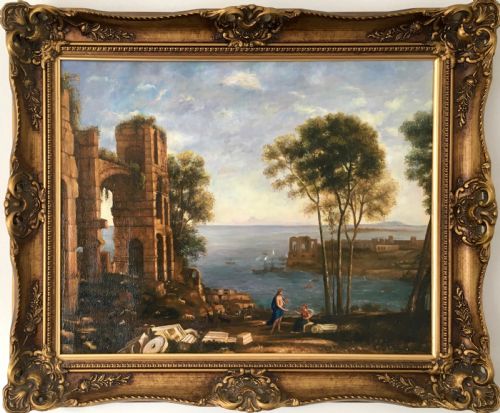
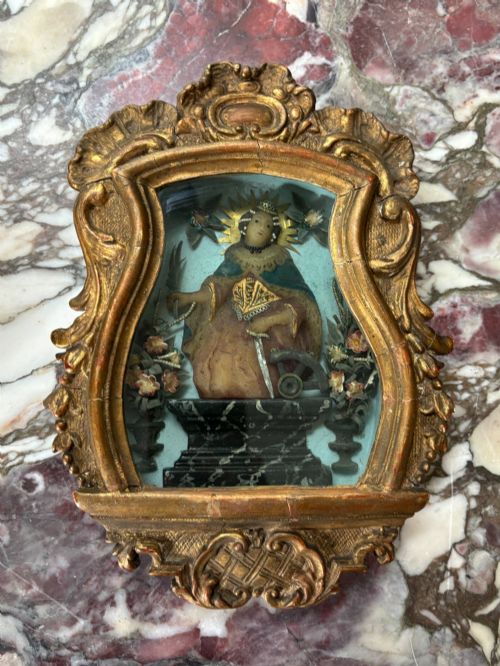
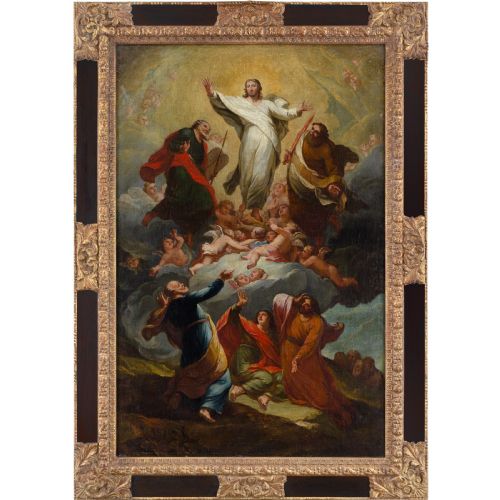
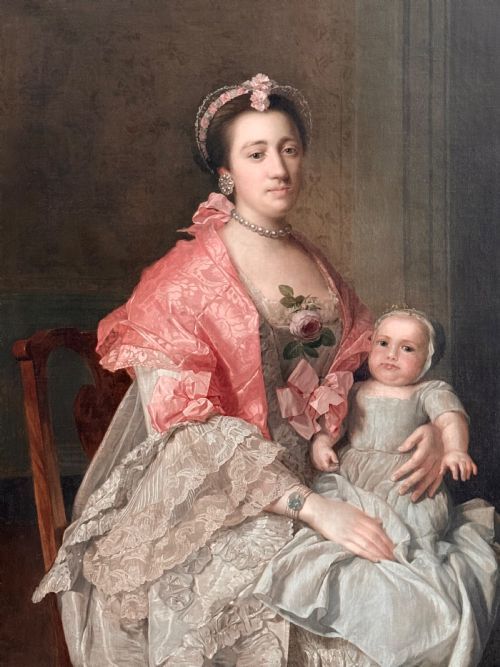
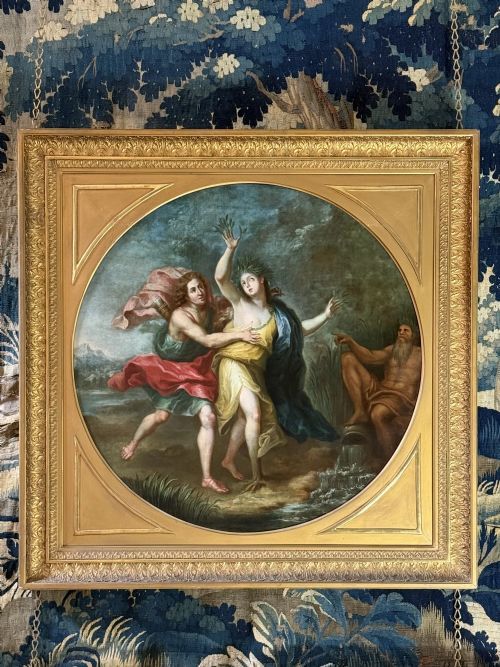
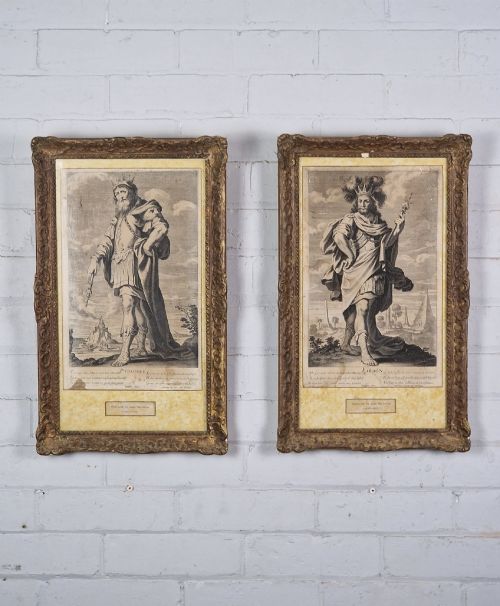
Eighteenth century art brings together oil paintings, framed prints, tapestries and watercolours that capture the diverse visual culture of the period.
Eighteenth Century Art
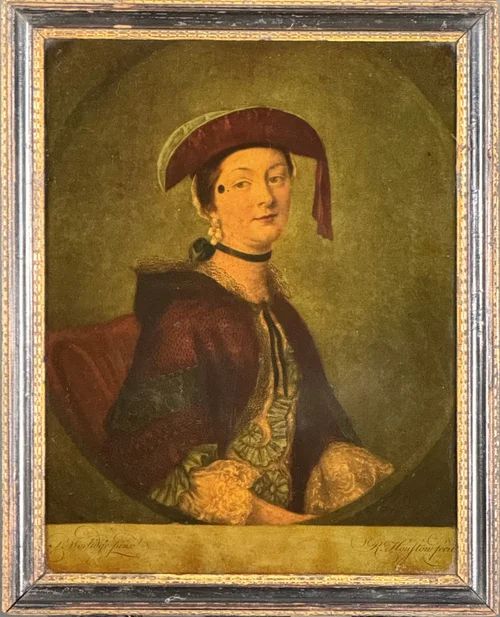
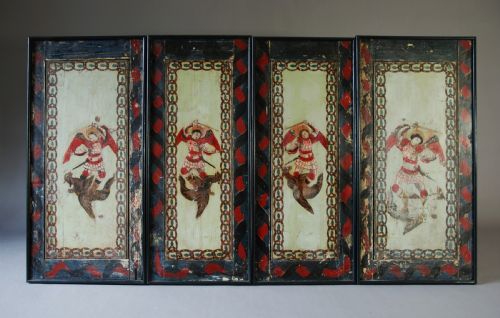
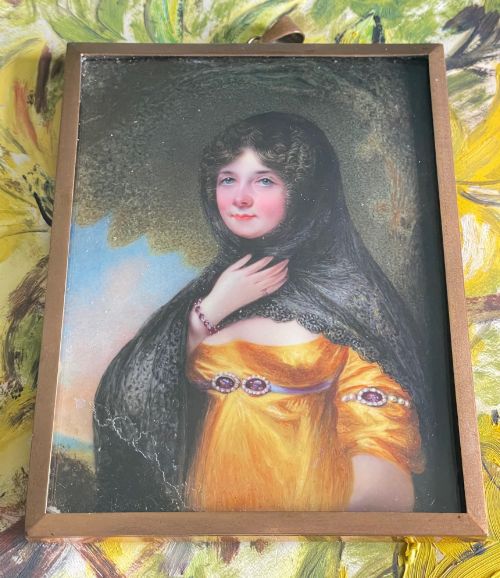
When you search for eighteenth century art, you encounter a broad assortment of period works ranging from oil paintings and portraiture to framed prints, engravings and woven tapestries. The selections span genres from neoclassical portraits and baroque still lifes to decorative painted pine panels and delicate watercolours.
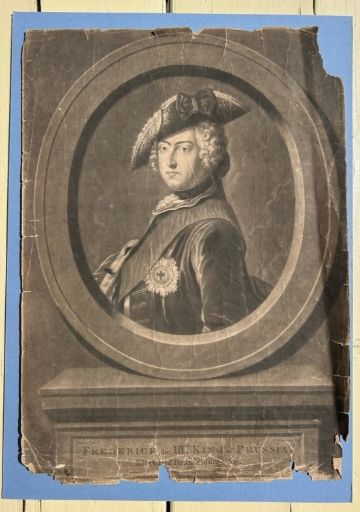
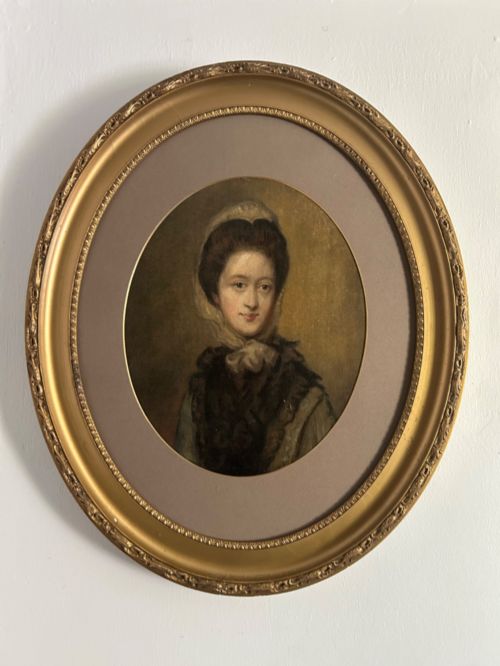
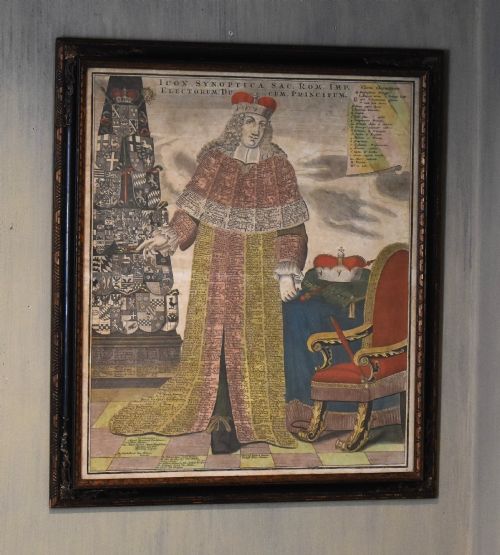
You are most likely to meet portraits of gentlemen and ladies, classical scenes, botanical compositions and architectural engravings produced across Britain, France, Germany and Italy. These pieces reflect the prevailing tastes of the Georgian era and continental European ateliers.
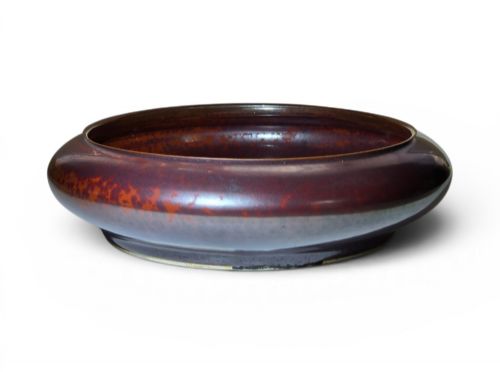
The objects also encompass regional works such as Swedish painted bowls, French faience plaques and folk art pieces, showing how visual expression varied from grand country house canvases to domestic decorative items.
Materials and methods
Makers utilised oil paint, watercolours, ink and gold leaf applied to canvas, paper and wooden panels, often framed in walnut or pine. Printmakers employed mezzotint and engraving techniques on paper to reproduce popular portraits and architectural studies.
Textile works rely on wool and silk threads woven into large decorative panels and tapestries. Ceramic and enamel pieces demonstrate specialised firing and glazing methods across European workshops.
An eighteenth century inventor of whist shares space here with romantic portraits of family friends.
Distinctions in quality
The execution of brushwork in oil paintings and the crispness of line in engravings separate ambitious compositions from standard workshop output. Master printmakers and portraitists achieve a depth of expression and tonal subtlety that simpler decorative pieces lack.
The preservation of the original surface, whether canvas, paper or wood, dictates the visual impact of the piece. Intact framing, minimal pigment loss and clear provenance elevate individual examples within their period.
Charles-Antoine Coypel·Jean Mariette·John Smith·Charles Spooner·Richard Houston·Antoine Pesne·John Crewe·Simon Francois Ravenet·Bartolomeo Schedoni·Ozias Humphry·H Singleton·Dean Wolstenholme·James Latham·Nathaniel Hone·John Raphael Smith·Benjamin Martin
The Eighteenth Century Art Glossary
- Mezzotint
- A printmaking process where the copper plate is roughened to achieve rich dark tones and subtle tonal gradations. This technique allowed printmakers to translate oil paintings into highly detailed monochrome prints.
- Grisaille
- A painting executed entirely in shades of grey or neutral monochrome. Artists often used this method to imitate sculptural reliefs or as an underpainting for subsequent colour glazes.
- Faience
- Tin-glazed earthenware produced across European pottery centres. Pieces feature painted decoration applied directly onto an opaque white glaze.
- Camaieu
- A monochrome painting technique utilising a single colour other than grey or brown, such as blue. It creates a unified, tonal decorative scheme.
- Neo-classical
- A style inspired by the classical art and architecture of ancient Greece and Rome. Works in this idiom emphasise symmetry, restraint and heroic subject matter.
Eighteenth Century Art: Frequently Asked Questions
What subjects appear in eighteenth century art?
The works encompass portraiture of nobility and family friends, classical mythology, botanical still lifes and architectural studies.
Religious themes and country house scenes also feature prominently across the available paintings and prints.
How were these framed prints displayed?
Many framed prints and engravings adorned the walls of period drawing rooms and libraries alongside larger oil paintings.
They served as accessible ways to collect portraits of notable figures and views of classical antiquities.
Where were these tapestries produced?
Large woven tapestry panels originated in French and European workshops to insulate and decorate expansive stone walls.
They depict elaborate figurative scenes and natural motifs suited to period interiors.
How do I distinguish regional styles?
Swedish and French pieces often incorporate distinct folk art motifs or regional faience glazes that differ from British portraiture.
Examining the materials, such as painted pine panels or local watercolours, reveals the origin of the workshop.