



Eight Day Movement
An eight day movement provides a reliable mechanical clockwork requiring attention only weekly rather than daily.
Eight Day Movement
An eight day movement describes a clock mechanism designed to run for just over a week before needing manual winding. These mechanical systems appear across a diverse array of formats found on this page.
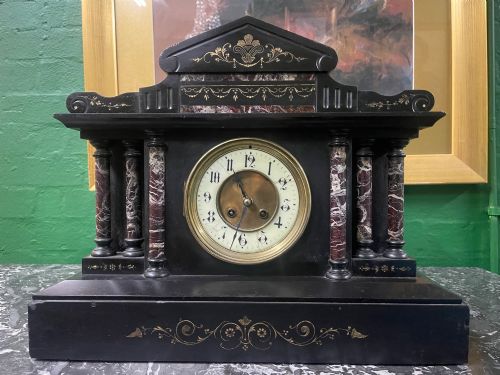
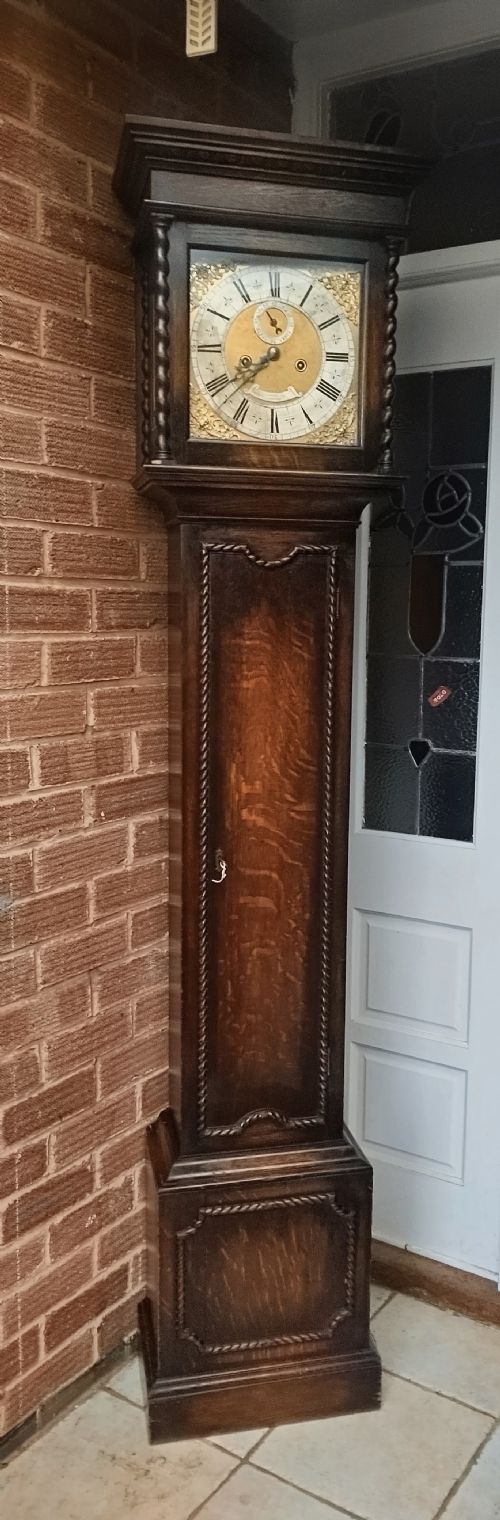
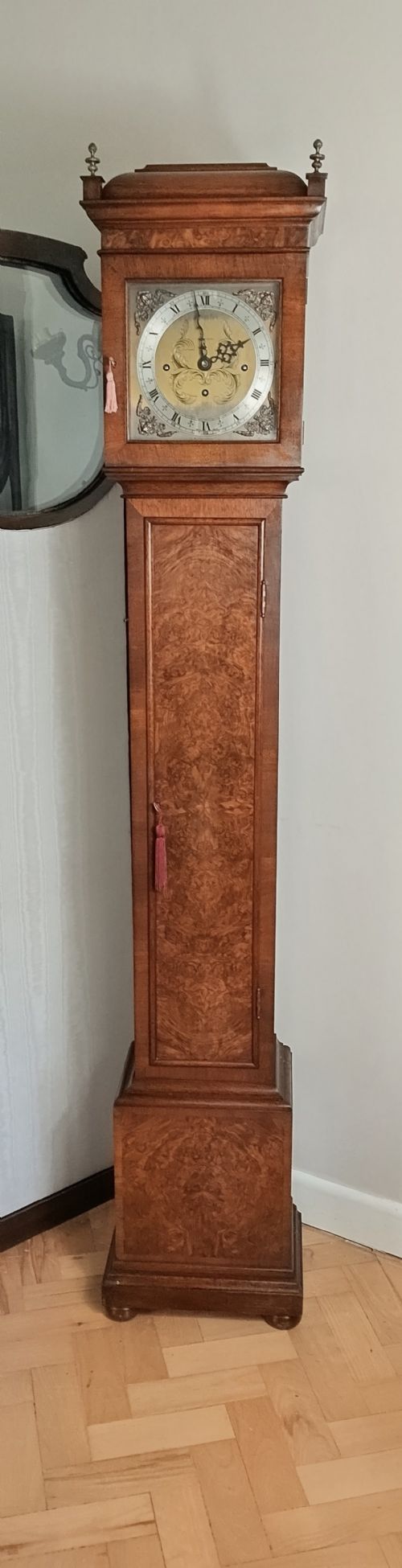
The selections span longcase clocks, wall clocks, bracket clocks, and mantel clocks. Buyers most frequently encounter tall longcase clocks and smaller wooden bracket or wall clocks housing these striking or chiming mechanisms.
The surviving examples stretch across centuries of British and international clockmaking, incorporating periods from the eighteenth century through to the mid twentieth century. Cabinetry ranges from simple oak wall boxes to elaborate burr walnut and mahogany cases.
Materials and construction
Clockmakers utilised durable metals including brass, steel, and iron to construct the intricate wheels, plates, and escapements of the movement. Fusee and barrel designs regulated the power delivered from the mainspring or weights.
Casework relies on traditional cabinet timbers such as oak, mahogany, and burr walnut, frequently complemented by glass viewing panels and painted or brass dials.
Eight Day Movement Retail Price Guide 2026
Typical asking prices for eight day movement among the pieces listed under this phrase on Sellingantiques today, from the lower quarter to the upper quarter. They describe what is for sale here now, not the wider market.
Distinctions in quality
The refinement of the internal mechanism dictates the grade of the piece, separating standard utility clocks from complex musical or twin fusee variations. Finely finished brass plates and well cut wheel teeth ensure smoother running and more accurate timekeeping.
Cabinetry craftsmanship also determines the overall standard, where figured timbers, hand painted dials, and detailed architectural mouldings distinguish superior pieces from plain functional enclosures.
James Harvey of Abergavenny·John McGregor·Somersall London·Winterhalder W & H
The Eight Day Movement Glossary
- Fusee
- A conical pulley used in mechanical clocks to maintain an even pull on the movement as the spring unwinds.
- Longcase clock
- A tall freestanding weight driven clock housed in a wooden case, historically known as a grandfather clock.
- Bracket clock
- A portable table or shelf clock, originally designed to sit upon a wall bracket.
- Escapement
- The mechanical linkage that controls the release of gear train power to maintain the pendulum swing or balance wheel movement.
Eight Day Movement: Frequently Asked Questions
How often do I need to wind an eight day movement?
These movements require manual winding approximately once every week to keep the mechanical gear train running continuously.
Owners typically choose a specific day of the week to tension the weights or mainsprings, ensuring the clock maintains steady operation.
Where should I place a bracket clock?
Bracket clocks suit sturdy wooden shelves, mantelpieces, or dedicated wall brackets where the heavy wooden case rests securely.
Placement should avoid areas subject to dampness, excessive heat fluctuations, or heavy vibrations that might disrupt the pendulum or balance wheel.
How do I identify an eighteenth century longcase?
Eighteenth century longcase clocks often display traditional square or arched brass dials, heavy oak or mahogany hoods, and simple trunk doors.
Examining the interior movement, dial mounting pins, and timber ageing helps confirm the period of construction.
What is the difference between a wall clock and a mantel clock?
Wall clocks are specifically built with rear hanging brackets to be mounted directly onto vertical surfaces in rooms or hallways.
Mantel clocks feature freestanding architectural cases designed to stand stably on flat horizontal ledges without additional wall support.