
Edwards and Roberts
Edwards and Roberts pieces are fine English cabinet-making and retail examples from the nineteenth century, sought after for their refined marquetry and versatile forms.
Edwards and Roberts
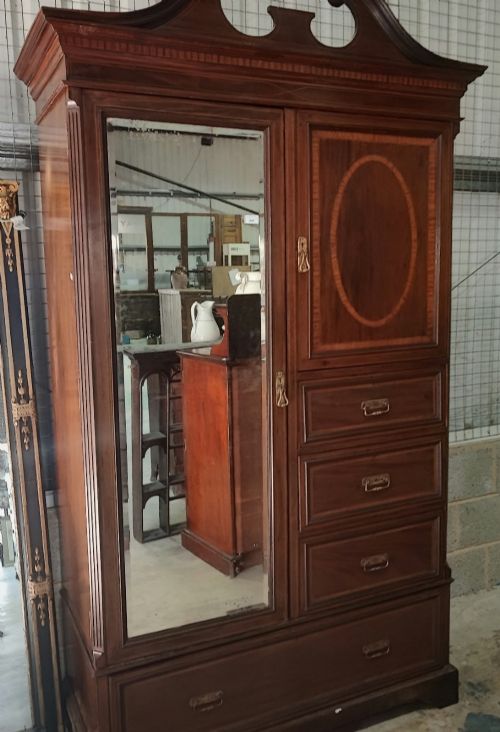
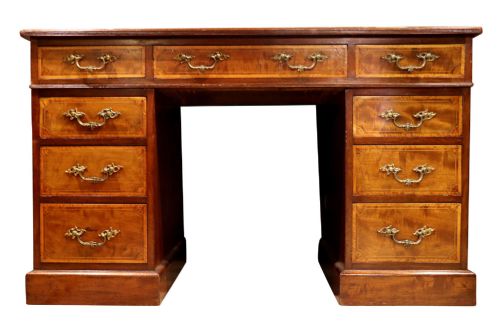
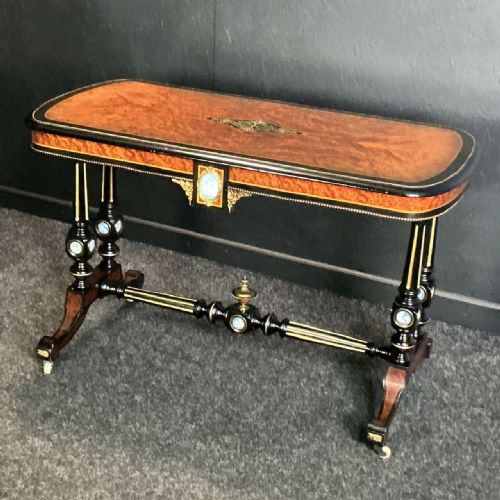
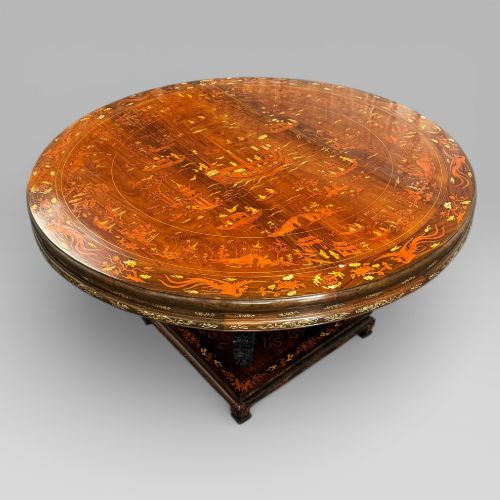
When you search for Edwards and Roberts, you encounter nineteenth-century furniture produced by a prominent London firm that operated from Wardour Street. The inventory spans the Victorian and Edwardian periods, encompassing pieces stamped or labelled by the makers alongside items retailed by them.
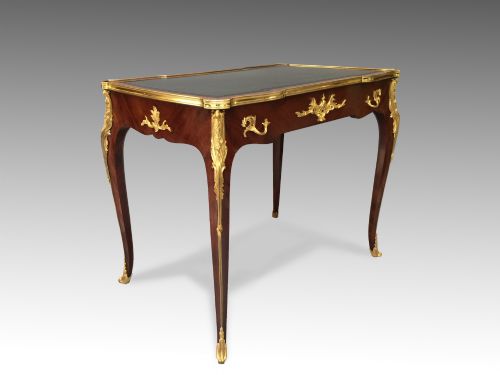
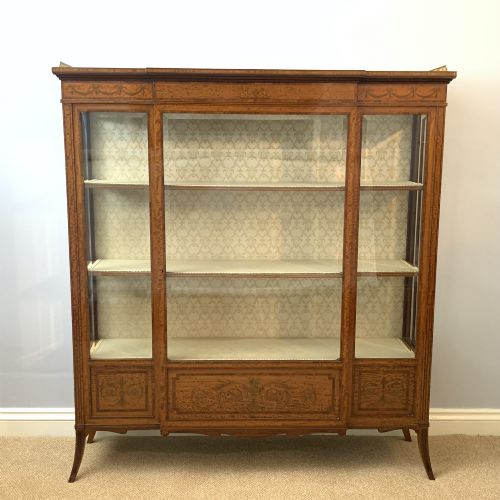
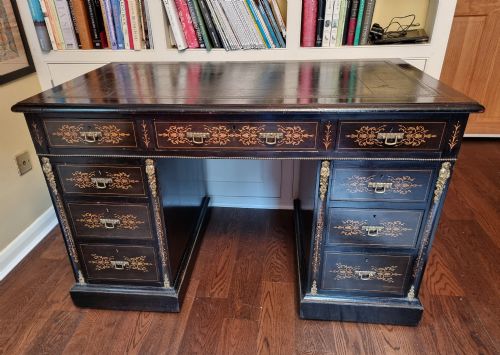
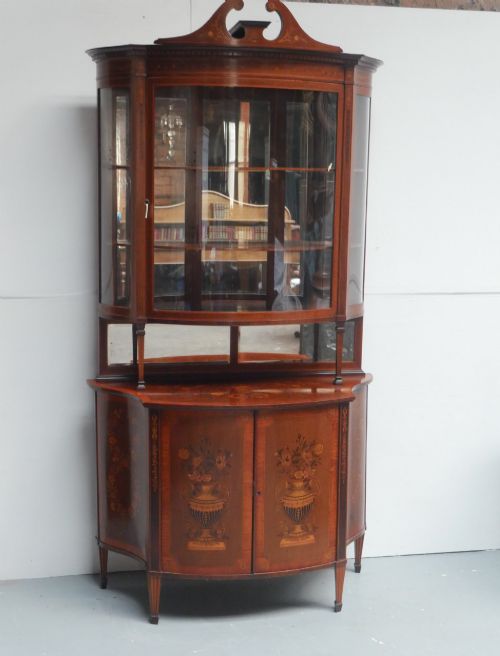
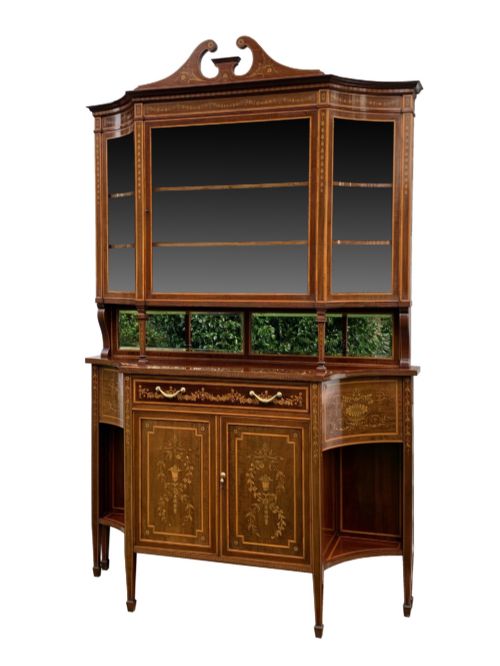
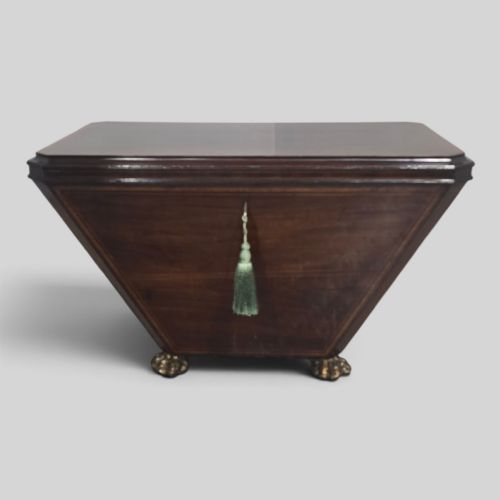
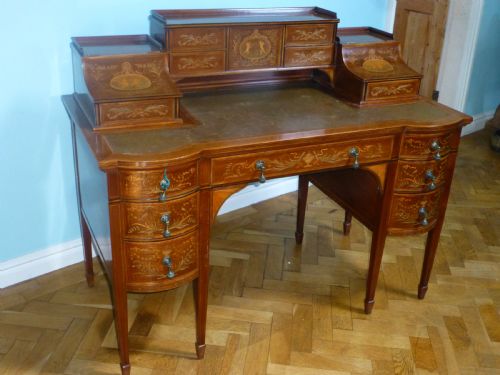
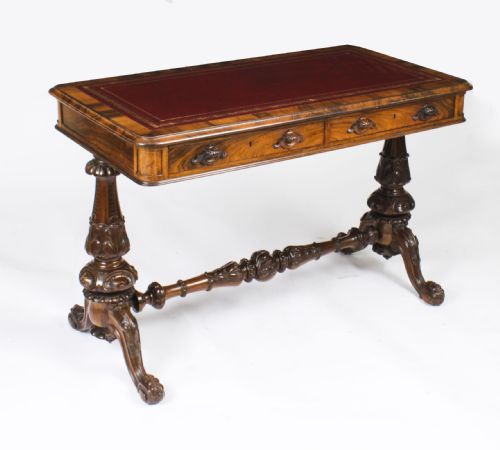
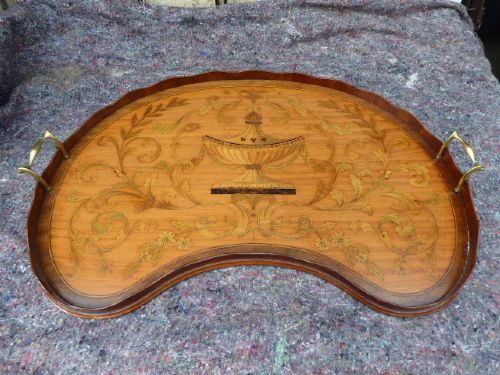
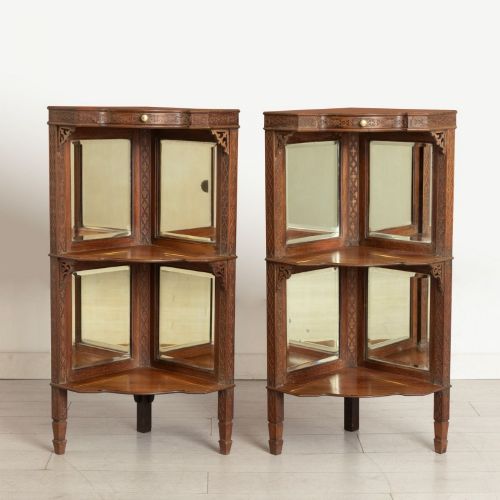
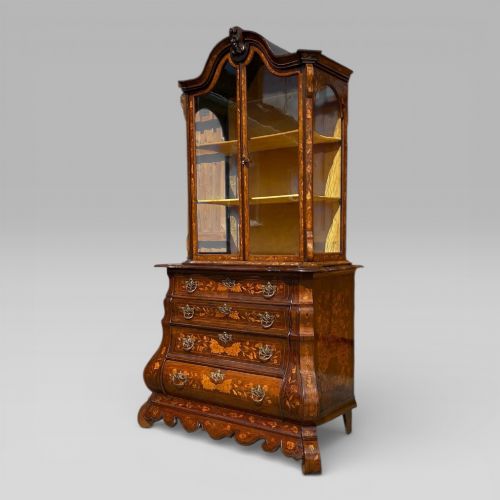
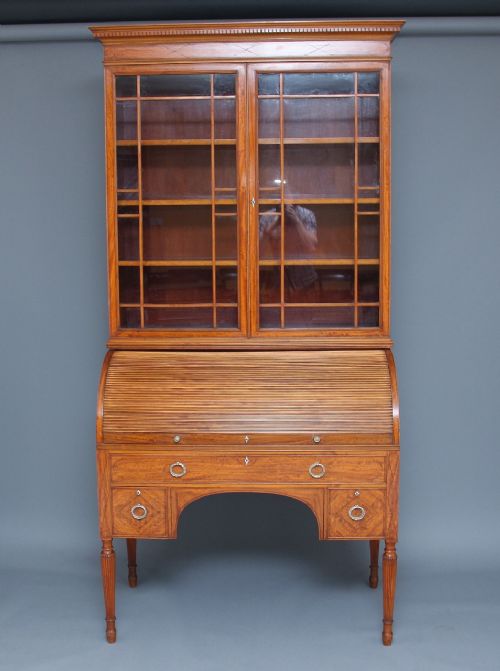
The selection ranges widely across domestic forms, with desks, display cabinets, and centre tables appearing frequently. Buyers also find smaller utilitarian items, including serving trays, wine coolers, and card tables.
Stylistic output reflects the historical revivals popular in the nineteenth century. Sheraton Revival, Edwardian Sheraton Revival, and French Louis XV Revival styles dominate, frequently executed in mahogany, satinwood, and walnut.
How they were made
Cabinet-makers relied upon a solid foundation of timbers such as mahogany, walnut, and rosewood, often enhanced with contrasting veneers. Satinwood provided a pale ground for intricate marquetry designs.
Decorative surfaces incorporated elaborate floral and geometric marquetry, sometimes combined with hand-painted details. Ormolu mounts and brass hardware provided structural accents and functional handles.
Specialised forms utilised specific secondary woods and specialised joinery, such as the curved glazing bars on display cabinets or the leather-lined writing surfaces on desks.
Materials recorded in inventory include mahogany, satinwood, rosewood, walnut, brass, ormolu, glass, and leather.
What varies in quality
The standard of workmanship depends heavily upon the intricacy and precision of the marquetry inlay. Pieces featuring detailed pictorial motifs or complex serpentine fronts demand greater skill than simpler geometric designs.
The choice of primary timber and veneer selection dictates visual impact, with figured burr walnut, finely grained satinwood, and rich mahogany commanding attention. Original mounts, handles, and labels preserve the integrity of the piece.
Proportion and scale influence desirability, particularly in large items like breakfront bookcases and compactum wardrobes compared to standard utility furniture.
Edwards and Roberts·François Linke
The Edwards and Roberts Glossary
- Marquetry
- Decorative veneer work forming pictures or patterns by assembling small pieces of coloured wood, shell, or ivory. This technique defined much of the aesthetic output associated with late-nineteenth-century cabinet-making.
- Satinwood
- A durable, lustrous tropical timber with a yellowish sheen, frequently used as a veneer for late Victorian and Edwardian writing furniture. It provides a bright canvas for contrasting darker wood inlays.
- Ormolu
- Gilded bronze used for decorative mounts, feet, and keyhole escutcheons on furniture influenced by French revival styles. It adds metallic contrast to polished timber surfaces.
- Bonheur du Jour
- A light lady's writing desk featuring a small cabinet or set of drawers superstructure above the writing surface. These compact pieces were fashionable during the Victorian period.
- Compactum
- A large fitted wardrobe combining hanging space with drawers, sliding trays, and shoe compartments. They represent the more substantial domestic storage solutions of the era.
- Boulle
- A style of marquetry using tortoiseshell and brass inlay, named after a French cabinet-maker. It appears on revival card tables and cabinets.
Edwards and Roberts: Frequently Asked Questions
Who were Edwards and Roberts?
Edwards and Roberts was a prominent London cabinet-making and retail firm established in the nineteenth century. They created and retailed high-quality furniture from premises on Wardour Street.
The firm became known for supplying affluent households with sophisticated pieces reflecting contemporary revival tastes, particularly Sheraton and French Louis XV styles.
How do I spot an Edwards and Roberts piece?
Many pieces bear a physical stamp, often found on the top edge of a drawer or inside a cupboard door. The lettering usually appears as the firm's name impressed directly into the wood.
Beyond stamped signatures, the attribution relies on stylistic hallmarks, including meticulous marquetry, quality timber selection, and construction methods typical of late Victorian London workshops.
What periods do these items date from?
The majority of pieces date from the nineteenth century, spanning the Victorian and Edwardian eras. Production ranges from mid-Victorian walnut tables to late Victorian satinwood desks.
Stylistic influences often reference earlier periods, such as eighteenth-century Sheraton designs or French Louis styles, reinterpreted through nineteenth-century manufacturing techniques.
How should I care for antique marquetry?
Antique furniture with delicate veneers and marquetry requires stable environmental conditions away from direct sunlight and strong heat sources. Excessive temperature fluctuations cause timber to dry and veneers to lift.
Regular dusting with a soft cloth and occasional application of appropriate conservation wax helps maintain the lustre of the polished wood and protects the surface.