
Edwardian X Stretcher Table
An Edwardian X stretcher table brings sturdy architectural bracing and refined timber to a room, offering both practical surface space and structural elegance.
Edwardian X Stretcher Table
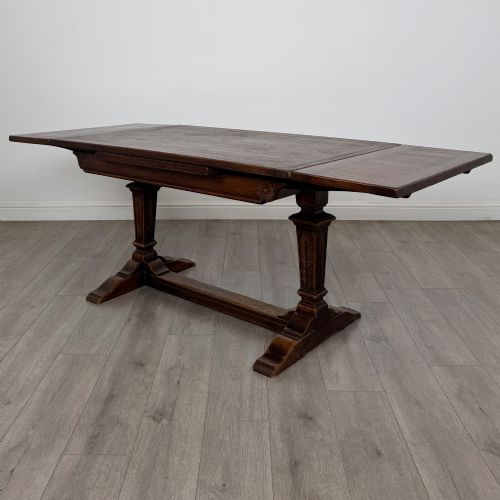
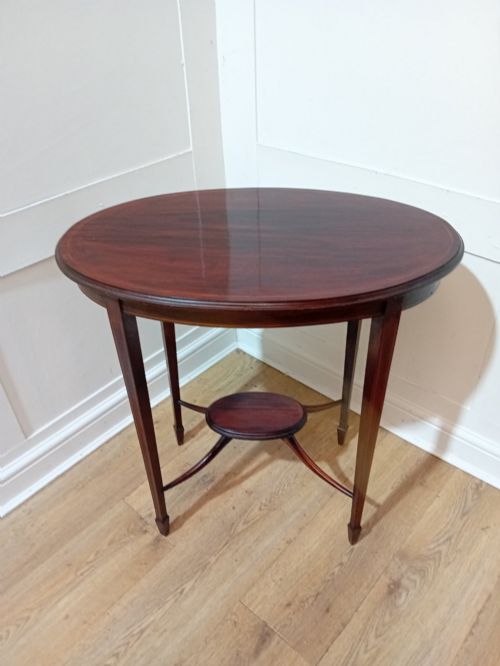
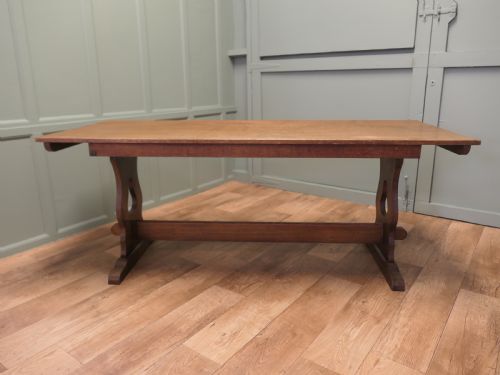
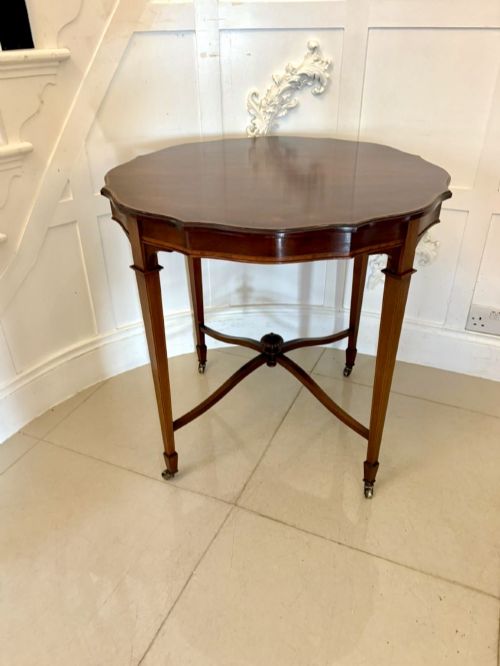
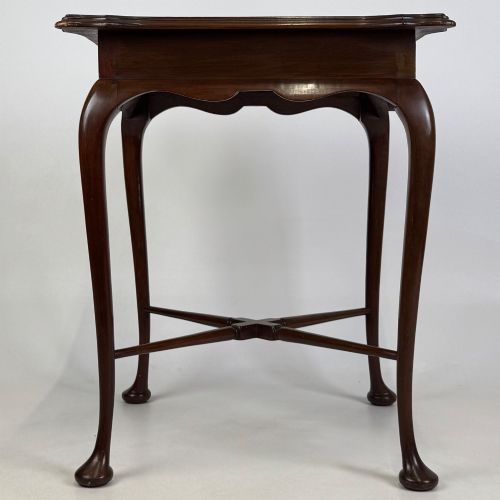
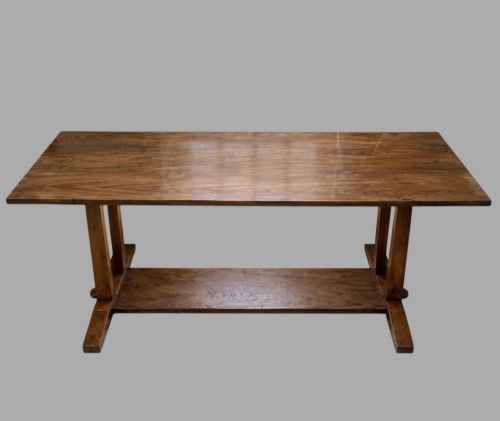
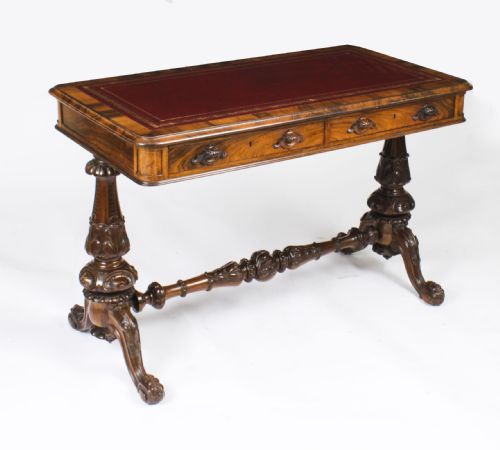
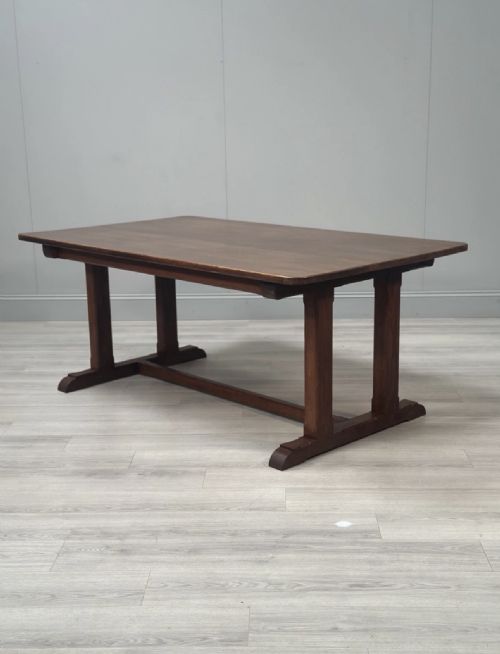
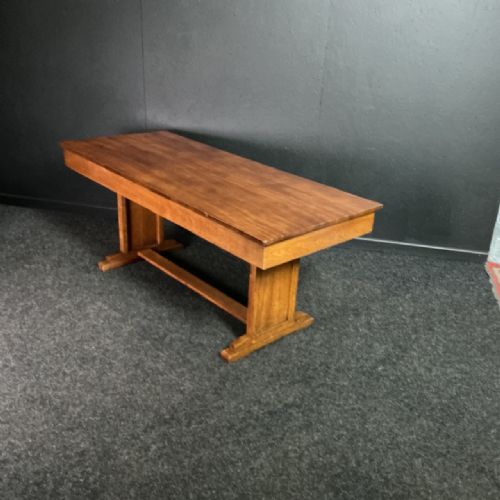
An edwardian x stretcher table brings together functional surface use and distinctive crossed underframe supports, appearing frequently across the Edwardian period alongside late Victorian and early twentieth-century iterations. These tables serve multiple roles in domestic spaces, functioning as occasional tables, side tables, and central display surfaces.
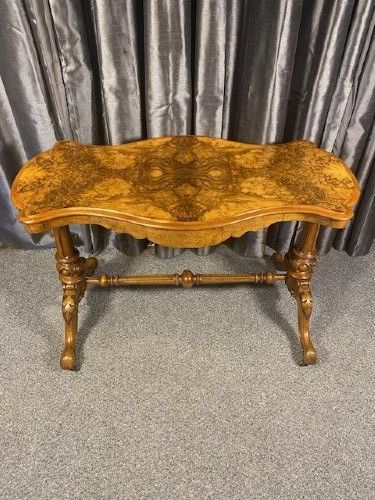
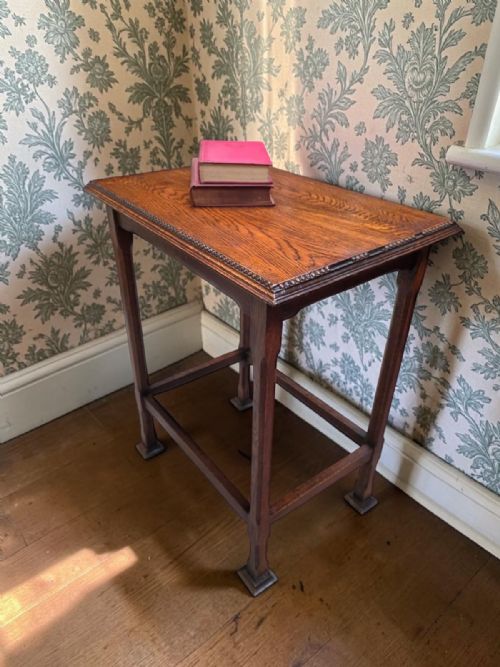
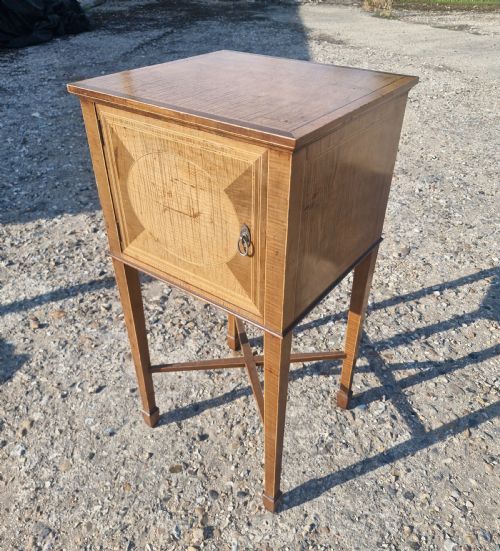
Makers of these pieces draw upon various design vocabularies, producing examples in Sheraton Revival, Arts and Crafts, and Jacobean Revival styles. Oak and mahogany dominate the construction, often enhanced by satinwood inlay or marquetry details that reflect the sophisticated tastes of the period.
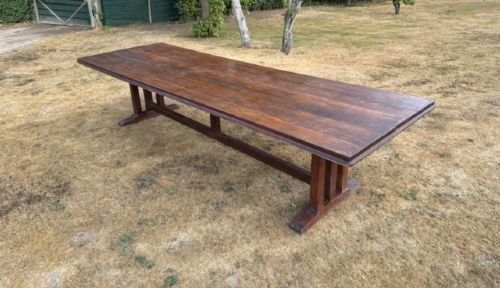
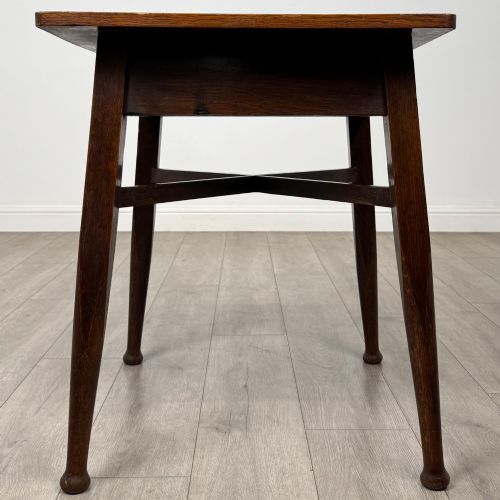
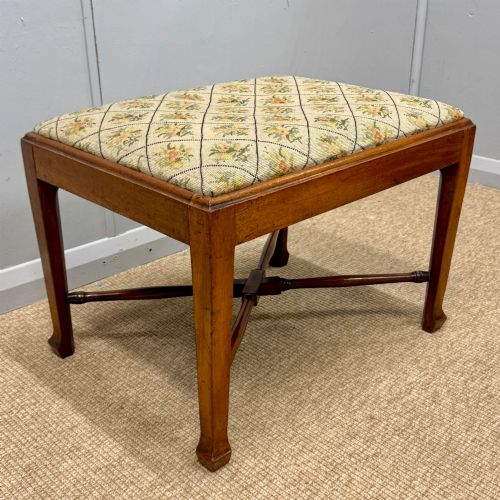
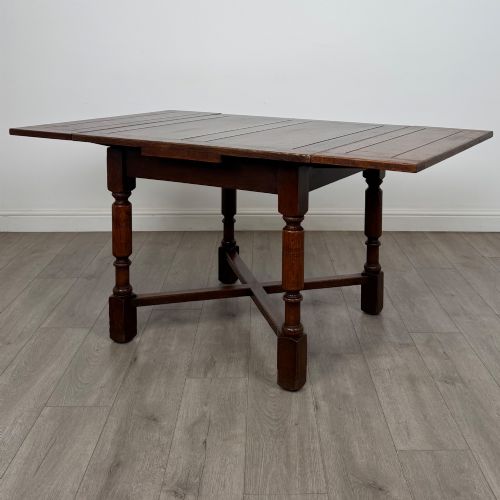
The characteristic cross stretcher beneath the top provides both rigidity and visual interest, intersecting centrally to stabilise the legs. Buyers encounter these tables in numerous formats, from compact occasional stands to larger library and centre tables.
Materials and Construction Techniques
Cabinet makers utilise a selection of durable hardwoods including mahogany, oak, walnut, burr walnut, and satinwood for the primary surfaces and structural frames. Timber selection dictates the weight and visual tone of the piece, with dense oaks supporting robust Arts and Crafts designs while figured walnut and satinwood elevate refined occasional tables.
Joinery methods rely on traditional framing techniques to secure the intersecting cross stretchers firmly between the legs, ensuring long-term stability without heavy hardware. Decorative elements such as marquetry, brass fittings, and fine string inlay are applied carefully to the timber tops and borders.
Some tables served quiet duties in public school libraries before finding their way into domestic sitting rooms.
Distinctions in Quality and Craftsmanship
The caliber of an edwardian x stretcher table depends heavily on the precision of the timber joints and the selection of figured wood grains. Superior examples display tightly fitted stretcher intersections and balanced proportions where the underframe complements the top without crowding the space.
Execution of decorative details like satinwood banding or hand-carved mouldings separates standard production items from finer workshop pieces. The crispness of inlay work and the harmonious integration of the cross stretcher indicate the level of care invested by the original maker.
Morant And Co London·Edwards And Roberts·W J Mansell
The Edwardian X Stretcher Table Glossary
- X stretcher
- A pair of diagonal braces that cross between the legs of a table to provide structural stability. This underframe adds distinct geometric character to the lower section of the furniture.
- Arts and Crafts
- A design movement prioritising traditional craftsmanship, visible construction methods, and honest materials. Pieces from this tradition often use solid golden oak with minimal ornamentation.
- Marquetry
- The art of applying small pieces of veneered wood to a structure to form decorative patterns or pictures. This technique adorns the tops of many occasional and centre tables.
- Draw leaf
- A table mechanism featuring pull-out extension leaves stored beneath the main surface. This allows the top to expand easily for dining or working.
Edwardian X Stretcher Table: Frequently Asked Questions
How do I place one in a modern room?
These tables function well as bedside stands, lamp surfaces next to seating, or central display pieces in hallways and living rooms.
Their compact footprints and open underframes prevent them from dominating a space while providing practical surface area.
What woods were used for these tables?
Cabinet makers utilised a variety of timbers including mahogany, oak, walnut, burr walnut, and satinwood.
Lighter woods often featured decorative inlay or marquetry, while oak suited the robust aesthetic of Arts and Crafts designs.
How do I distinguish revival styles from original periods?
Revival pieces incorporate historical design motifs from the Georgian, Victorian, or Jacobean eras while utilising early twentieth-century construction methods.
Examining the secondary timbers, hardware, and interior drawer construction helps clarify the precise era of manufacture.