
Edwardian Wooden Shelves
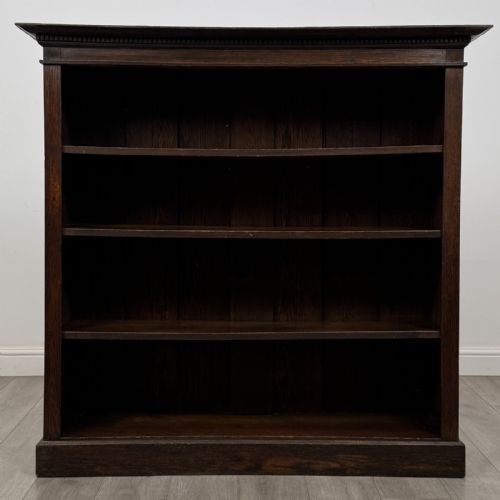
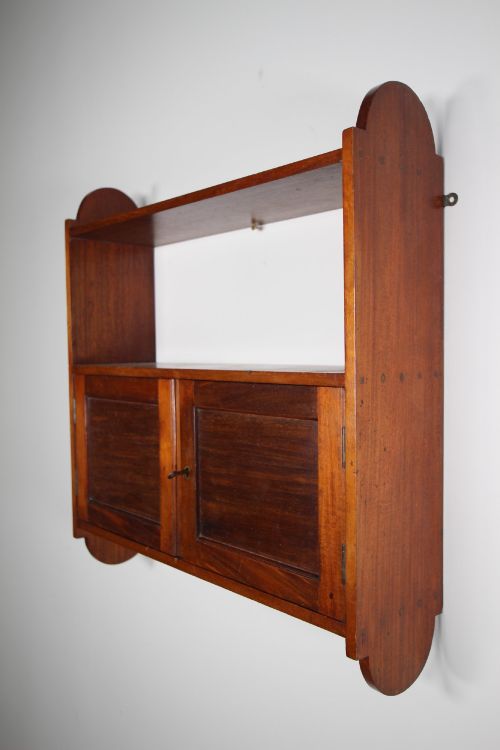
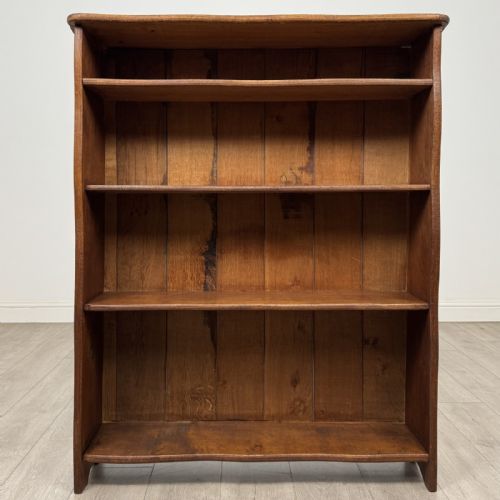
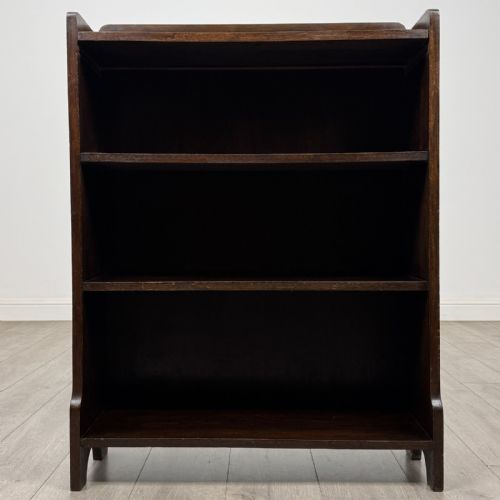
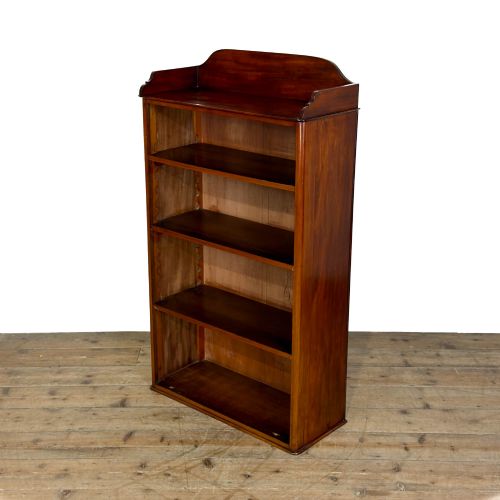
Edwardian wooden shelves bring practical storage and period character to a room, ranging from open bookcases to wall-mounted designs.
Edwardian Wooden Shelves
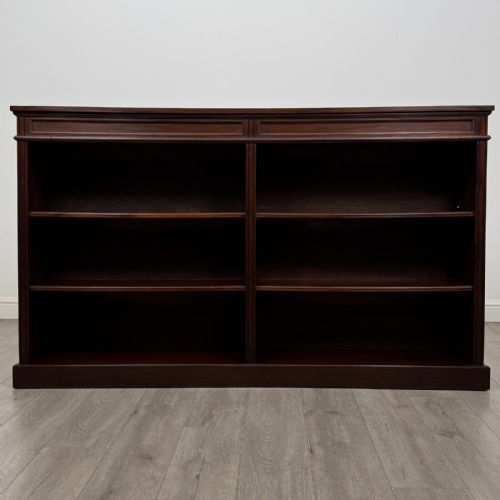
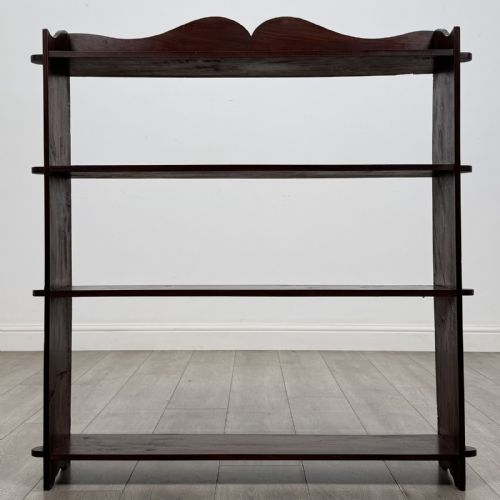
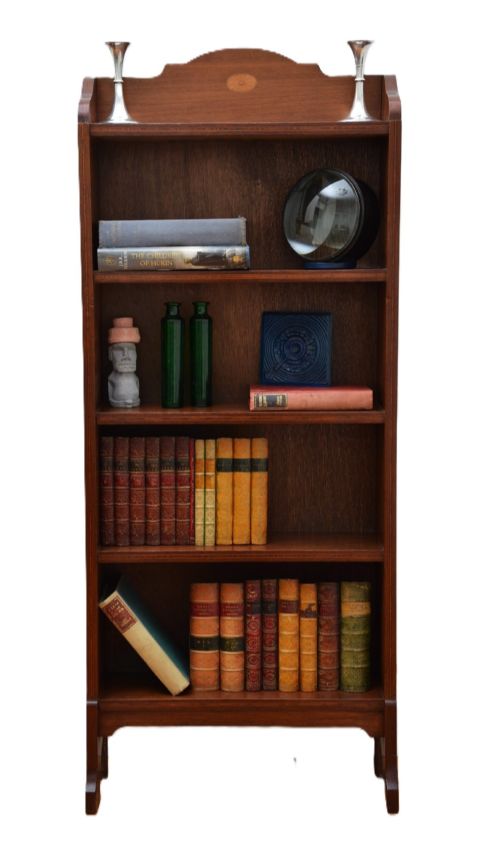
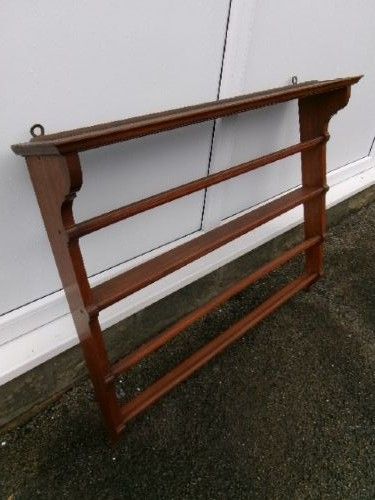
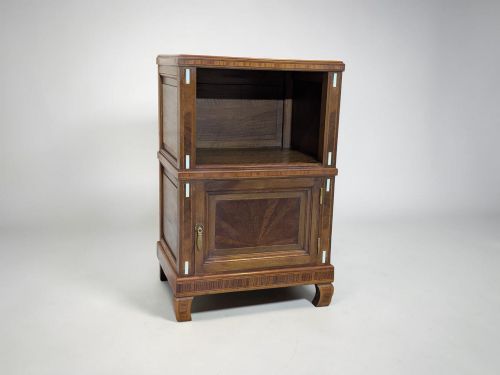
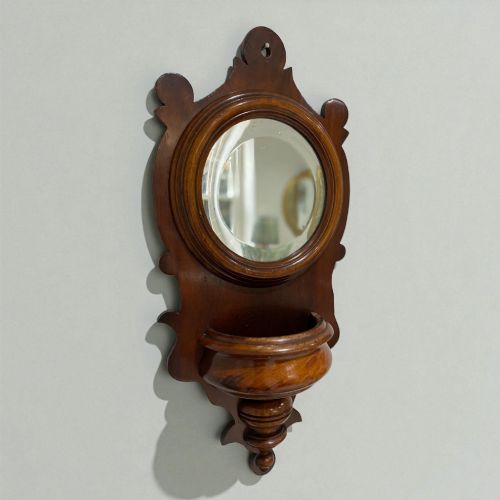
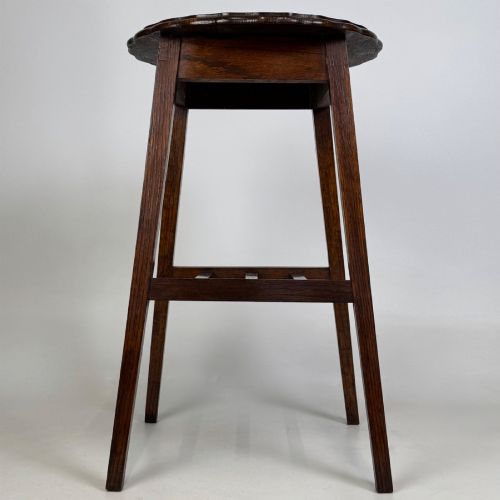
Edwardian wooden shelves encompass open bookcases, wall shelves, and occasional furniture incorporating storage tiers, dating primarily from the early twentieth century alongside adjacent Victorian and later periods. When searching for edwardian wooden shelves, buyers frequently encounter open bookcases and shelf combinations constructed from oak, mahogany, and walnut.
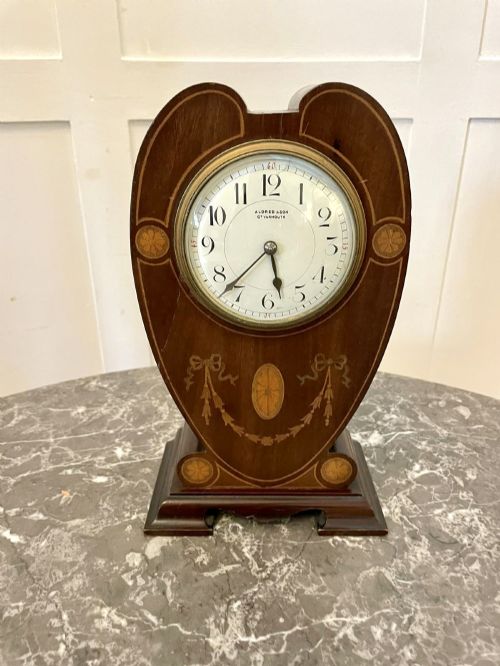
The material palette spans golden oak, rich mahogany, burr walnut, and satinwood, often reflecting Edwardian, Arts and Crafts, or revival styles. Many pieces feature adjustable shelving, inlaid details, or brass castors, serving functional roles in libraries, halls, and bedrooms.
Materials and construction
Cabinet makers utilised solid timbers and veneers such as oak, mahogany, and burr walnut, sometimes enhancing surfaces with delicate satinwood inlay or brass hardware. Structural assembly relied on traditional joinery methods suited to freestanding open bookcases, wall shelves, and tiered storage units.
Surfaces frequently received polished finishes to highlight natural wood grain patterns, while specific stylistic movements introduced distinct handcrafted elements like exposed joinery or carved ornamentation.
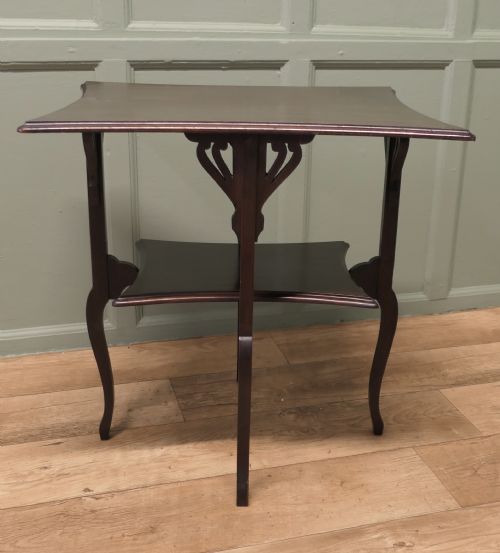
Common forms include open bookcases, wall shelves, and side tables with storage tiers, occasionally incorporating brass hardware and adjustable shelving.
Distinctions in quality
Quality separates standard utilitarian storage from finer cabinet work through timber selection, such as figured burr walnut or dense golden oak, and the precision of inlaid decoration. The integration of functional elements like smooth adjustable shelf mechanisms and solid brass castors distinguishes superior examples.
Proportion and stylistic cohesion further elevate certain pieces, distinguishing straightforward vernacular items from sophisticated Edwardian and Arts and Crafts productions.
Trevor Page & Co·German H.A.C.
The Edwardian Wooden Shelves Glossary
- Edwardian
- Pertaining to the reign of King Edward VII, spanning from 1901 to 1910, though the aesthetic often embraces the broader early twentieth century. Furniture from this period typically favours lighter forms and brighter timbers than heavy Victorian predecessors.
- Inlay
- A decorative technique where contrasting woods or materials like satinwood are inserted into recesses within a primary timber surface. This method creates geometric patterns or floral motifs on cabinet fronts and tabletops.
- Open Bookcase
- A freestanding storage unit featuring horizontal shelves without glass or wooden doors enclosing the front. These pieces allow immediate access to books and display items.
- Arts and Crafts
- A design movement promoting handcraftsmanship, simple forms, and traditional joinery over mass production. Pieces from this style often display honest construction and minimal ornamentation.
- Burr Walnut
- A highly prized timber obtained from walnut tree growths, featuring swirling, intricate grain patterns. Cabinet makers utilised veneers of this material to create striking decorative surfaces on quality furniture.
Edwardian Wooden Shelves: Frequently Asked Questions
How do I identify Arts and Crafts shelves?
Arts and Crafts shelving highlights traditional craftsmanship through exposed joinery, sturdy construction, and minimal ornamentation. These items often feature solid oak with simple, functional lines.
Unlike heavily ornate revival pieces, this style values the natural grain and honesty of the raw materials above applied decoration.
Where should I place an open bookcase?
Open bookcases suit studies, living rooms, and bedrooms where easy access to books and decorative objects is desirable. Their accessible tiers allow for both functional library storage and decorative display.
Freestanding models in oak or mahogany work effectively against walls or as room dividers depending on their back construction and scale.
How do I care for antique wood shelves?
Antique wooden shelves require placement away from direct sunlight and heat sources to prevent timber from drying out or warping. Regular dusting with a soft, dry cloth preserves the polished finish.
Application of appropriate furniture wax periodically helps maintain the moisture and lustre of timbers like walnut and mahogany without building up heavy residues.