
Edwardian Wooden Shelf
When seeking an Edwardian wooden shelf, you enter a domain of sturdy oak, rich mahogany, and functional domestic design from the early twentieth century.
Edwardian Wooden Shelf
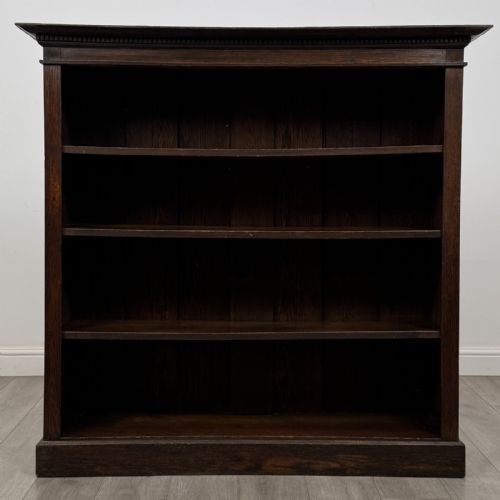
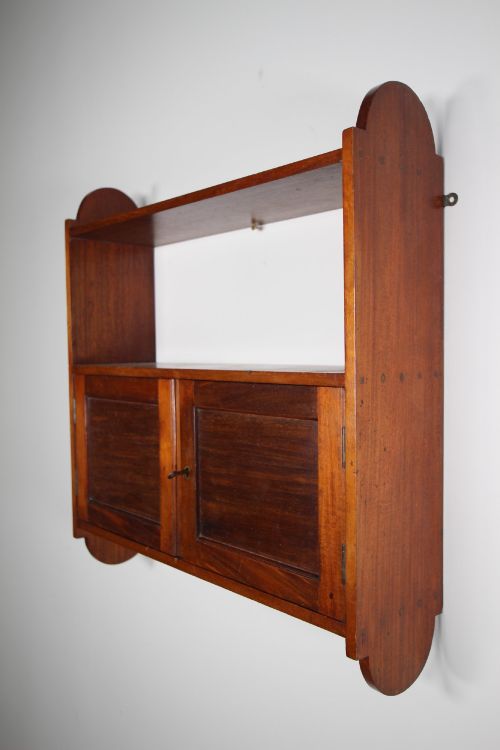
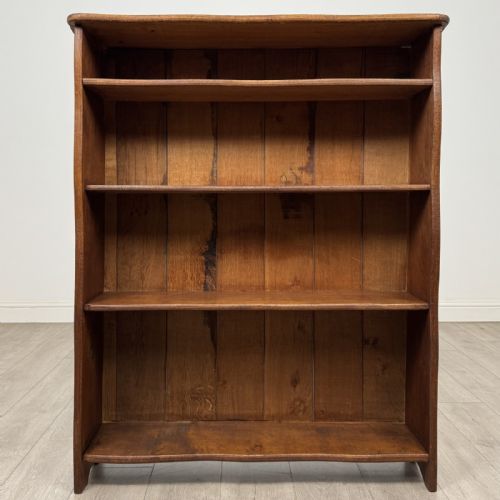
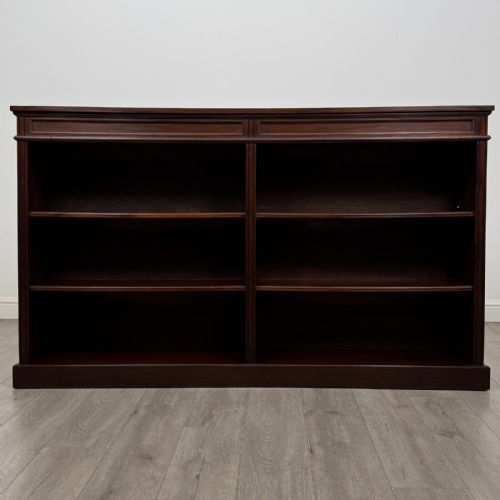
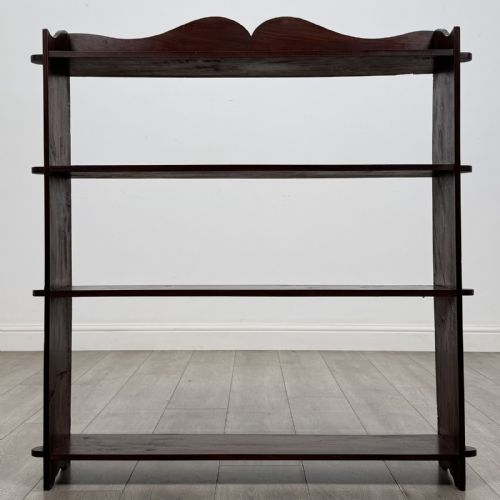
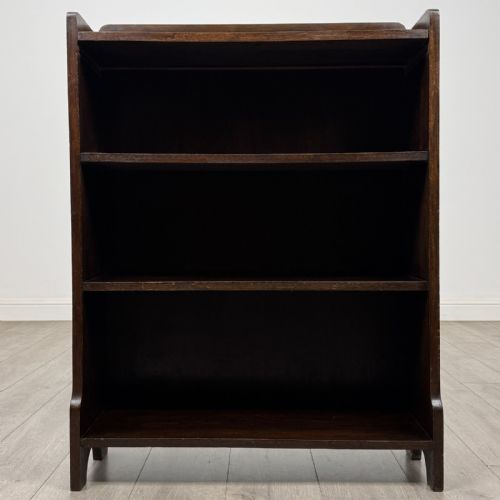
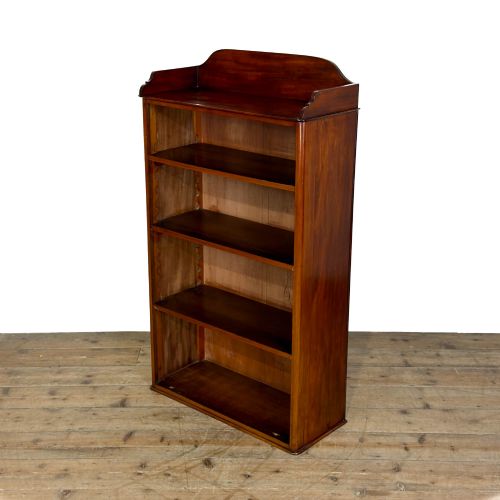
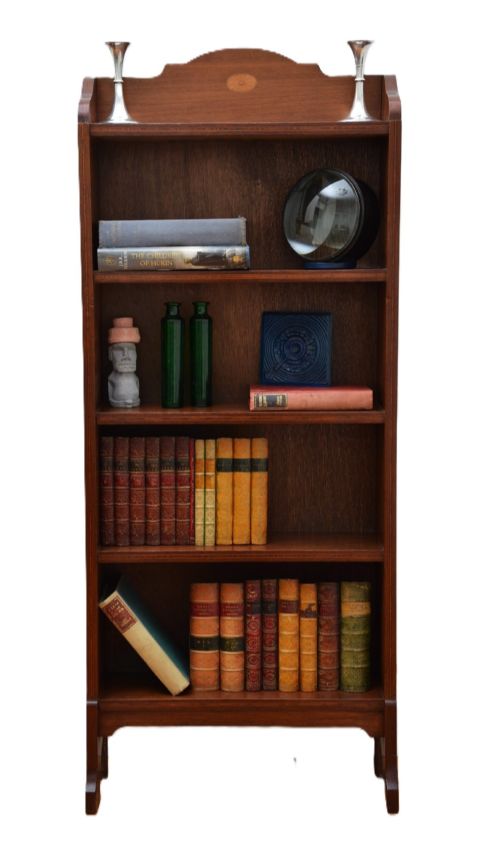
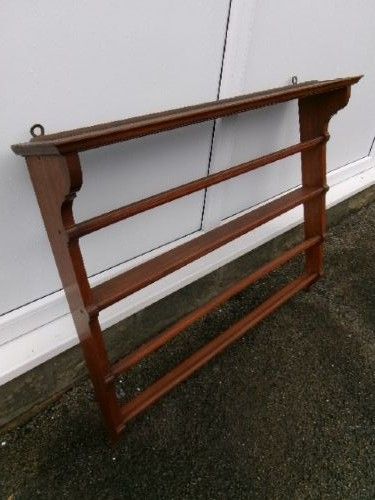
An edwardian wooden shelf encompasses open bookcases, wall shelves, and multi-tier shelving units originating predominantly from the Edwardian period and adjacent early twentieth-century decades. These pieces serve practical household storage needs while exhibiting the cabinet-making standards of their era.
How they were made
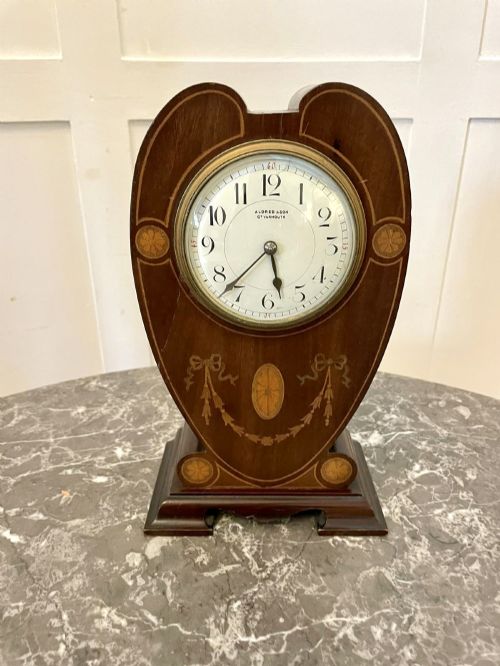
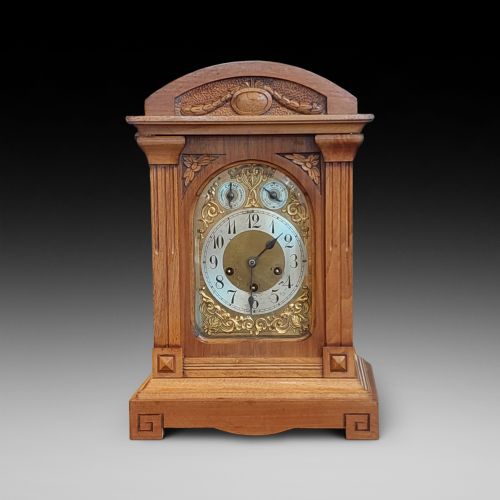
Cabinet makers utilised solid timbers such as oak, mahogany, and walnut, frequently selecting figured veneers like burr walnut and satinwood for visible surfaces. Brass fittings, glass panels, and enamel details appear as supplementary elements on clocks, cabinets, and shelving units.
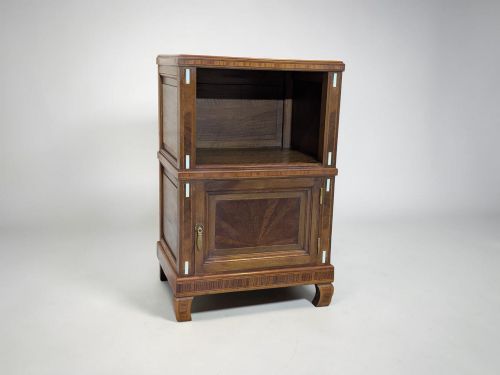
Construction methods range from straightforward plank assembly in utilitarian pieces to detailed inlay work and barley twist turnings on display furniture and tea trolleys. Adjustable shelves and stacking barrister designs demonstrate the mechanical adaptations developed during the early twentieth century.
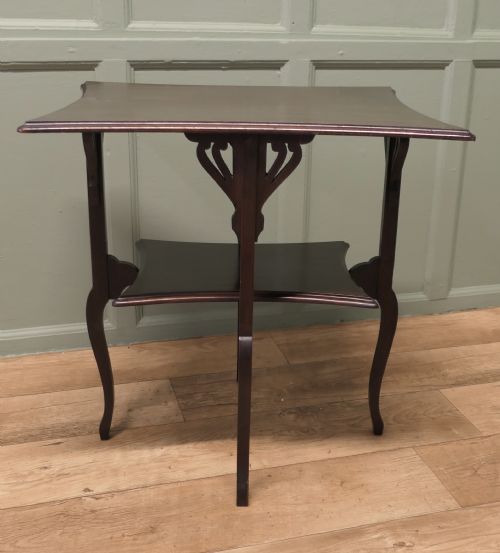
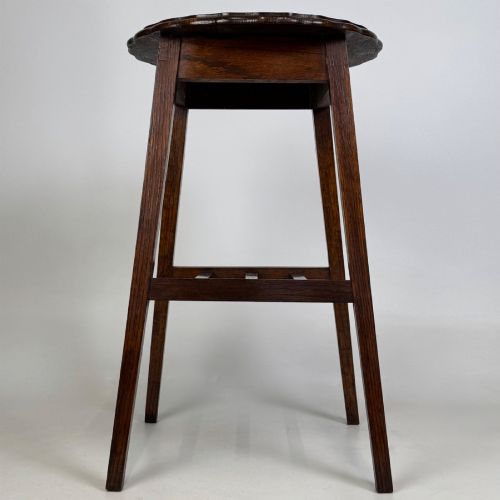
Listings feature oak, mahogany, walnut, and satinwood timber across diverse forms including open bookcases, side tables, and mantel clocks.
What varies in quality
The tier of a piece depends heavily on the selection of timber, moving from plain utilitarian pine or standard oak up to figured burr walnut and finely grained mahogany. Finer examples display deliberate grain matching and careful proportions rather than purely functional mass production.
Decorative restraint or execution also separates standard items from superior works, particularly in the precision of inlaid woodwork, the integration of brass castors, and the integrity of joints in open bookcases and side cabinets.
Trevor Page & Co·Whytock and Reid
The Edwardian Wooden Shelf Glossary
- Edwardian
- Relating to the period spanning the reign of King Edward VII, noted in furniture for lighter forms and revivals of earlier styles. Pieces from this era often combine traditional utility with refined decorative inlays.
- Arts & Crafts
- A design movement prioritising traditional craftsmanship, visible construction, and simple forms. Objects from this tradition reject heavy industrial ornamentation in favour of honest material expression.
- Open Bookcase
- A shelving unit without doors, designed for the accessible storage of books and household objects. These items range from small bedside cabinets to large library bookcases.
- Inlay
- A decorative technique where contrasting timbers or materials are inserted into recesses within the primary wood surface. This method creates geometric or floral patterns on mahogany and walnut furniture.
- Barley Twist
- A type of turning shaped like a spiral rope, frequently utilised on the vertical supports of tables and trolleys. This decorative joinery style adds texture and movement to wooden furniture frames.
Edwardian Wooden Shelf: Frequently Asked Questions
How do I identify an Edwardian wooden shelf?
Look for timber choices such as oak and mahogany combined with lighter construction than heavy Victorian precedents. Simple bracket feet and restrained decorative inlays often point to the early twentieth century.
Check for construction hallmarks like fixed or adjustable wooden shelves housed in open frames. The absence of heavy dark varnish also helps distinguish these lighter Edwardian pieces.
Are these shelves suitable for heavy books?
Most open bookcases and shelving units from this era utilise solid timber construction designed to hold standard volumes. Adjustable shelf systems allow customisation of internal vertical space.
Heavier library bookcases offer greater structural depth and robust timber thickness. Ensure the shelf supports are secure before loading substantial collections of books.
What is the difference between oak and mahogany versions?
Oak versions frequently align with Arts and Crafts or utilitarian domestic designs, displaying prominent grain patterns. Mahogany variants tend to feature smoother finishes and often incorporate decorative inlays.
Choosing between them usually depends on the existing interior palette of a room. Oak brings a warm golden tone, while mahogany offers deeper reddish-brown hues.
How do I care for wooden shelving?
Maintain the timber by dusting regularly with a dry cloth and avoiding excessive moisture. Occasional application of suitable wax preserves the natural finish of the wood.
Keep shelving units away from direct heat sources and strong sunlight to prevent timber warping or veneer cracking. Proper placement ensures the longevity of antique surfaces.