




Edwardian Wooden Scuttle
An edwardian wooden scuttle keeps the hearth tidy, combining solid oak or mahogany with brass handles and liners.
Edwardian Wooden Scuttle
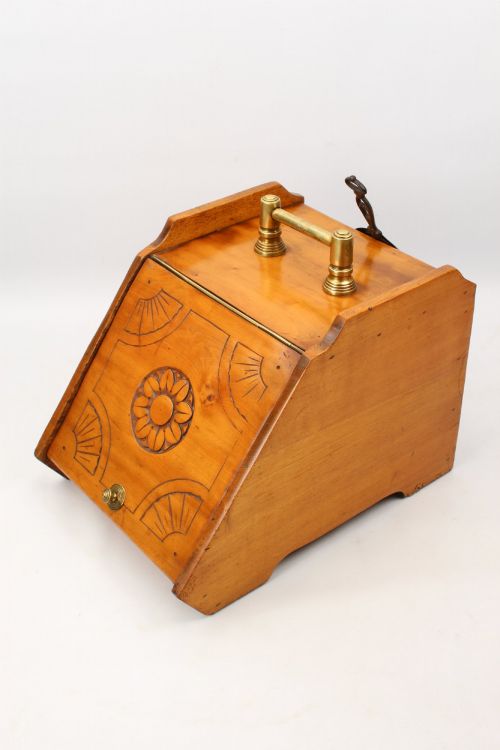
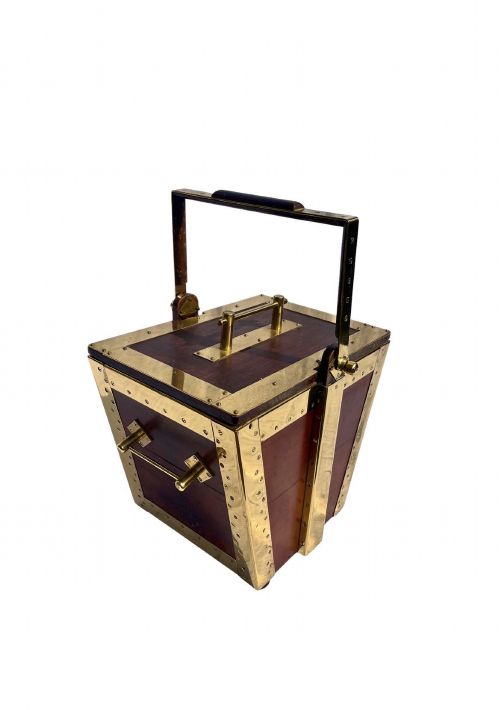
An edwardian wooden scuttle serves as a functional fireside accessory designed to store and transport fuel to the hearth. These pieces appear in forms such as purdoniums, cabinets, and lidded boxes, usually housing a metal liner and a matching shovel.
The materials span oak, mahogany, and rosewood, frequently enriched with brass mounts, marquetry inlay, and copper binding. Such designs emerge across the Victorian and Edwardian eras, bridging practical utility with domestic elegance.
How they were made
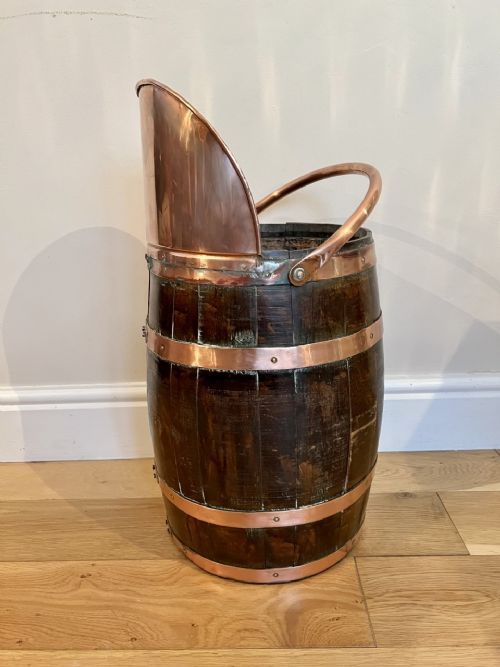
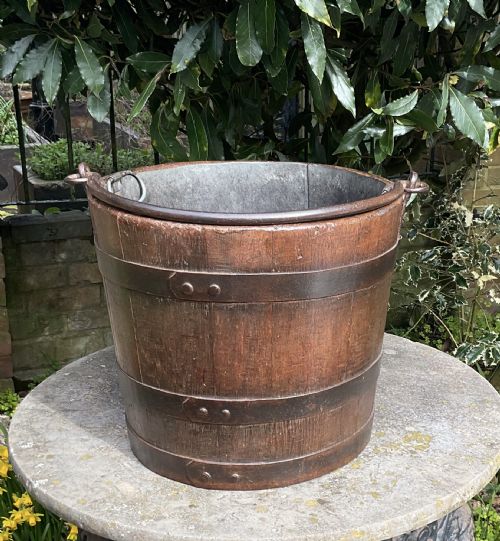
Carpenters constructed these hearth containers using sturdy hardwoods like oak and mahogany, often employing coopered staves held together by metal bands. Joinery techniques included dovetailing and carving to shape robust bodies capable of withstanding daily heavy use.
Decorators applied marquetry inlay and mounted brass handles, hinges, and ormolu details to elevate the appearance. Removable metal liners protected the wooden structure from moisture and dirt originating from the coal or peat.
Listings feature oak, mahogany, rosewood, and walnut, often paired with brass, copper, and iron components.
What varies in quality
The choice of primary timber and secondary details dictates the distinction between standard and superior examples. Dense, well-figured rosewood or finely carved oak paired with heavy cast brass mounts signifies a higher grade of craftsmanship.
The presence of original liners and matching shovels preserves the integrity of the piece. Subtle variations in inlay execution and the precision of the coopered staves further separate ordinary utility boxes from refined parlour furnishings.
The Edwardian Wooden Scuttle Glossary
- Purdonium
- A specialised coal cabinet featuring a drop-front door or a tilting compartment designed to conceal fuel storage. These fixtures typically include an internal metal liner and side handles.
- Coopered
- A method of construction where tapered wooden staves are bound together with metal hoops, reminiscent of barrel-making. This technique creates rounded buckets suitable for peat or coal.
- Marquetry inlay
- The art of applying fitted pieces of contrasting wood veneer to a surface to form decorative patterns. This ornamentation often adorns the lids and drop-fronts of refined cabinets.
- Ormolu
- Gilded bronze mounts applied to furniture and decorative items for ornamentation. These metallic accents provide contrast against dark mahogany and rosewood surfaces.
- Liner
- A removable metal insert placed inside the wooden container to hold the fuel. This component prevents moisture and debris from damaging the surrounding timber.
Edwardian Wooden Scuttle: Frequently Asked Questions
What is a purdonium?
A purdonium is an enclosed cabinet designed to hold coal beside the fireplace. It keeps fuel out of sight while maintaining tidy domestic spaces.
Most examples feature a drop-front or tilting mechanism for easy access, paired with an internal metal liner and shovel.
How do I use an edwardian wooden scuttle?
These boxes function beside the hearth to store coal, wood, or peat for the fire. The removable metal liner lifts out for cleaning and refilling.
Keep the timber away from direct intense heat to prevent the wood from drying out or warping over time.
How do I tell Edwardian from Victorian pieces?
Victorian examples often display heavier carving, darker finishes, and robust brass mountings. They tend toward ornate decoration and substantial proportions.
Edwardian versions frequently utilise lighter mahogany or oak, sometimes featuring delicate marquetry inlay and more restrained stylistic lines.