


Edwardian Wooden Furniture
Edwardian wooden furniture brings domestic warmth through practical chests of drawers, tables and hall stands.
Edwardian Wooden Furniture
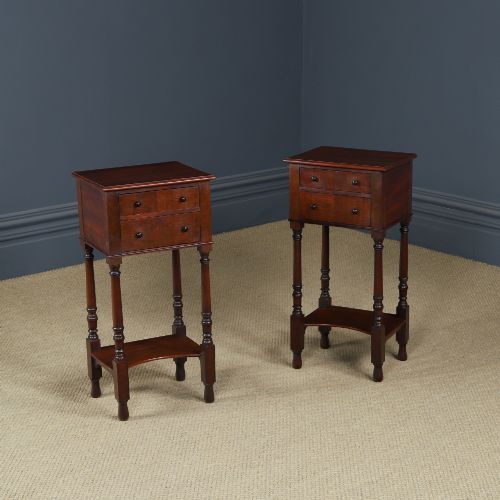
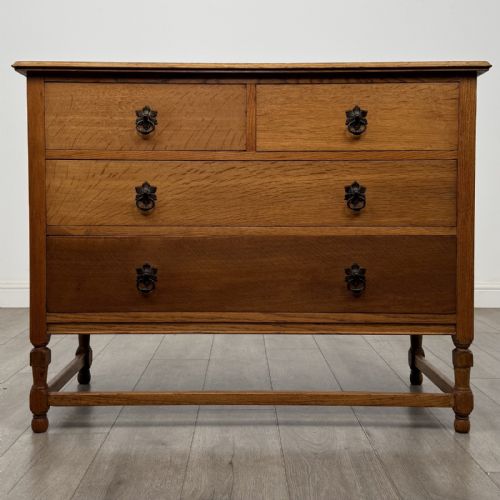
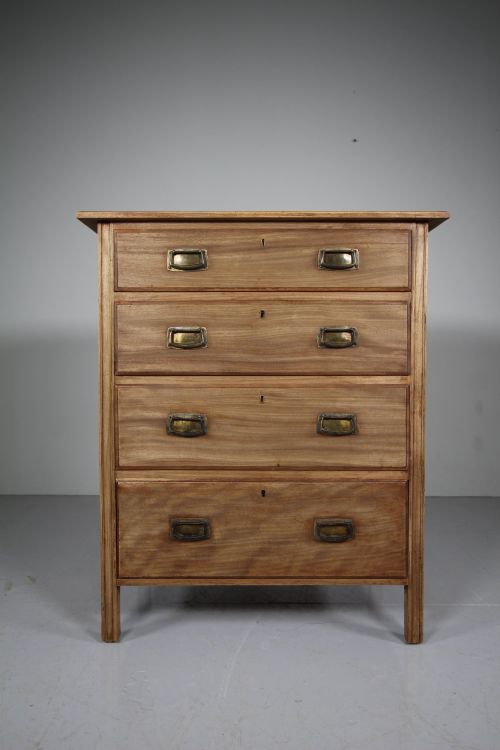
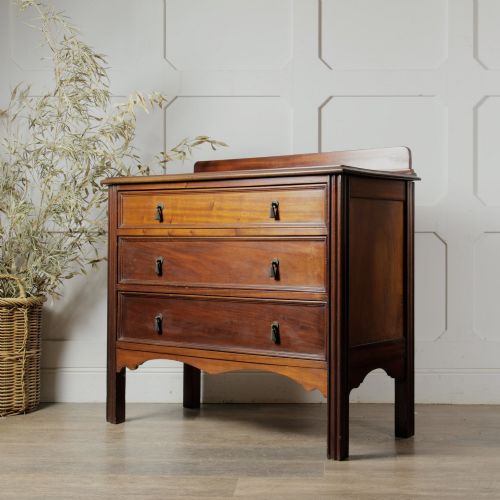
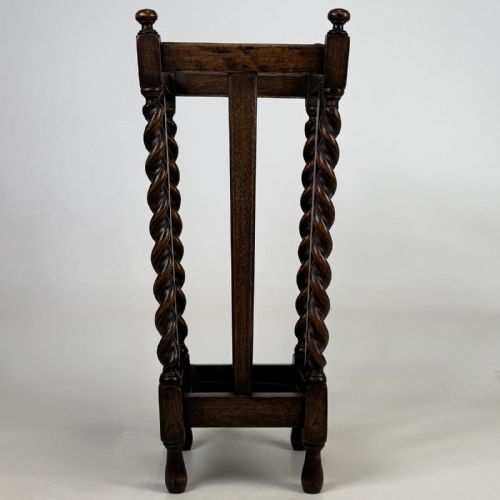
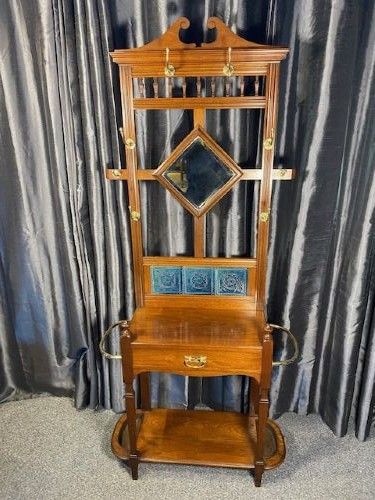
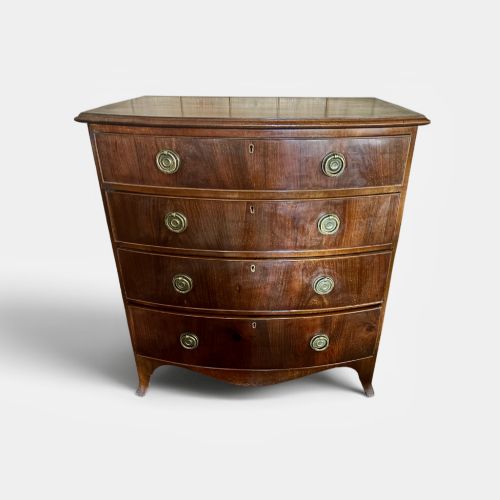
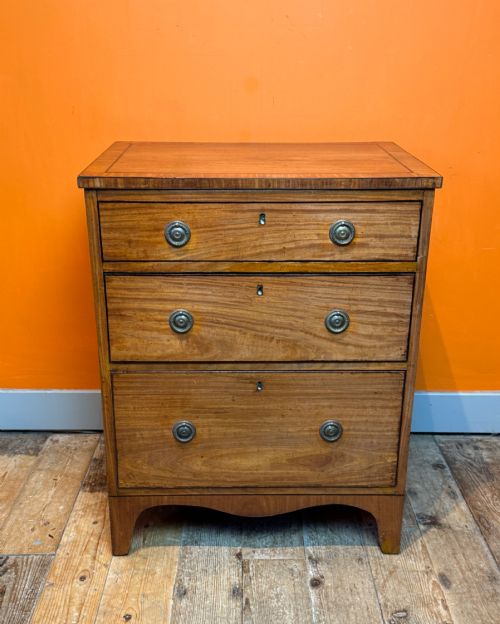
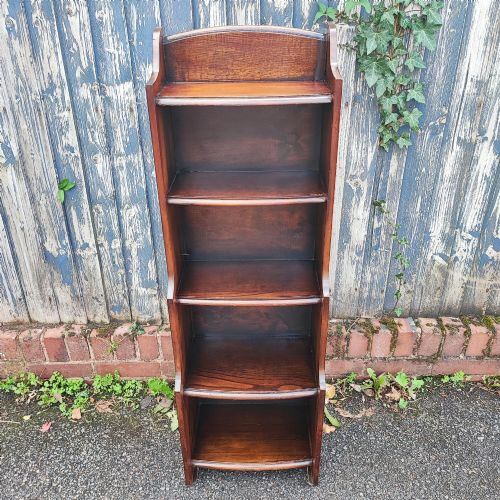
Edwardian wooden furniture comprises domestic items designed around the turn of the twentieth century, alongside pieces spanning Victorian, Regency and early twentieth-century periods. The selection focuses heavily on practical household forms such as chests of drawers, occasional tables, hall stands, nests of tables, towel rails, filing cabinets, bookcases, beds, settles, plant stands, cupboards, washstands and wardrobes.
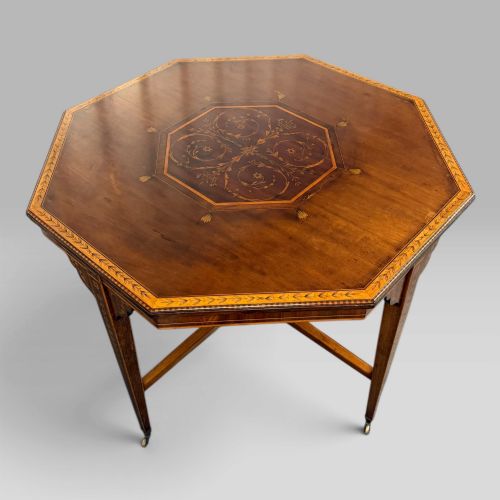
Buyers meet Edwardian Sheraton style and Arts and Crafts examples alongside commercial early twentieth-century items and occasional Chinoiserie forms. Woods range from mahogany and oak to walnut and satinwood, often enhanced by brass hardware, glass panels and decorative inlay.
Materials and construction methods
Makers utilised solid timbers and veneers, predominantly mahogany, oak, walnut and satinwood, selected for grain pattern and durability. These woods formed structural carcasses for chests, wardrobes and filing cabinets, as well as lighter frames for occasional tables and nests of tables.
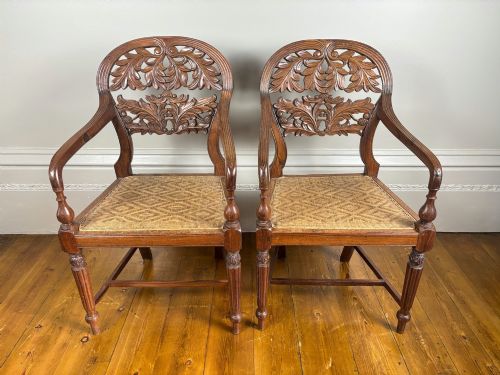
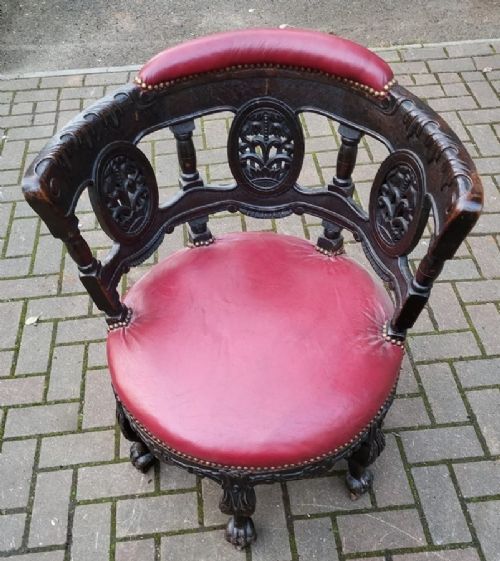
Decorative detailing relied on brass handles, brass drawer pulls, glass inserts, carved floral motifs and intricate satinwood inlay. Joints and turnings supported utilitarian forms like hall stands, towel rails and plant stands.
Edwardian Wooden Furniture Retail Price Guide 2026
Typical asking prices for edwardian wooden furniture among the pieces listed under this phrase on Sellingantiques today, from the lower quarter to the upper quarter. They describe what is for sale here now, not the wider market.
Metamorphic furniture transforms your living space by hiding a butler's table inside a folding fire screen.
Distinctions in quality
Quality rests on the selection and matching of timbers such as satinwood, mahogany and oak, alongside the precision of inlaid details and carved elements. Superior items display refined proportions and deliberate stylistic cohesion, whether following Edwardian Sheraton revival lines or robust Arts and Crafts principles.
Hardware choice and internal construction further separate standard commercial production from finer workshop outputs. Original brass handles, clean drawer construction and sound structural joints define the upper tier of surviving domestic pieces.
Liberty & Co·Finnigans·Shapland & Petter
The Edwardian Wooden Furniture Glossary
- Inlay
- A decorative technique where contrasting woods or materials are set flush into the surface of a timber base. This appears frequently on Edwardian tables and chests of drawers.
- Satinwood
- A lustrous, fine-grained timber with a yellowish colour, utilised for veneers and decorative stringing on refined occasional furniture.
- Purdonium
- A specialised cabinet designed to store household coal, typically featuring a sloping front and an internal metal liner.
- Quartetto
- A matched nest of four small tables designed to slide neatly beneath one another when not in use.
- Settle
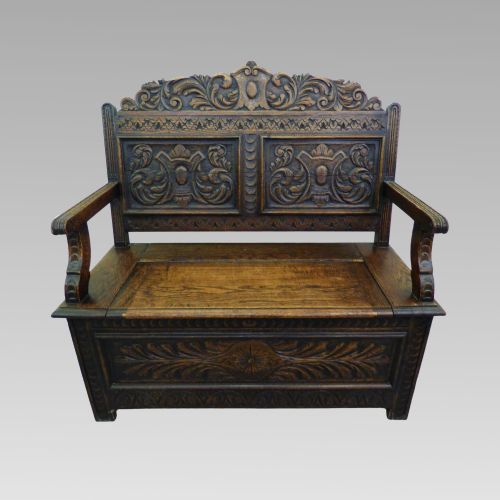
- A wooden wooden bench featuring a high back, solid arms and frequently an enclosed storage compartment beneath the seat.
Edwardian Wooden Furniture: Frequently Asked Questions
What defines edwardian wooden furniture?
Edwardian wooden furniture encompasses household items produced around the turn of the twentieth century, combining traditional utility with stylistic revivals.
Pieces range from mahogany chests of drawers and satinwood occasional tables to oak hall stands and filing cabinets.
How do I identify arts and crafts pieces?
Arts and crafts pieces emphasise visible construction, solid oak timber and straightforward functional design without excessive ornamentation.
Look for hand-carved details, metal hardware and distinct forms like plant stands, settles and magazine racks.
Where were these pieces used?
These items served functional roles throughout the Edwardian home, from hallways and bedrooms to sitting rooms and studies.
Wardrobes, washstands, towel rails and umbrella stands furnished specific domestic spaces for daily organisation.
How should I care for wooden surfaces?
Maintain timber surfaces by avoiding direct sunlight and moisture, utilising gentle dusting and appropriate wax polishes periodically.
Preserve original brass handles and delicate inlay by keeping pieces in stable indoor temperature environments.