

Edwardian Wooden Box
An edwardian wooden box is a practical container crafted in durable timber to hold letters, trinkets, or games.
Edwardian Wooden Box
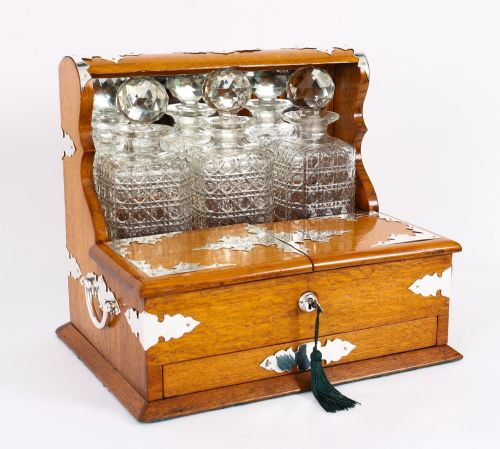
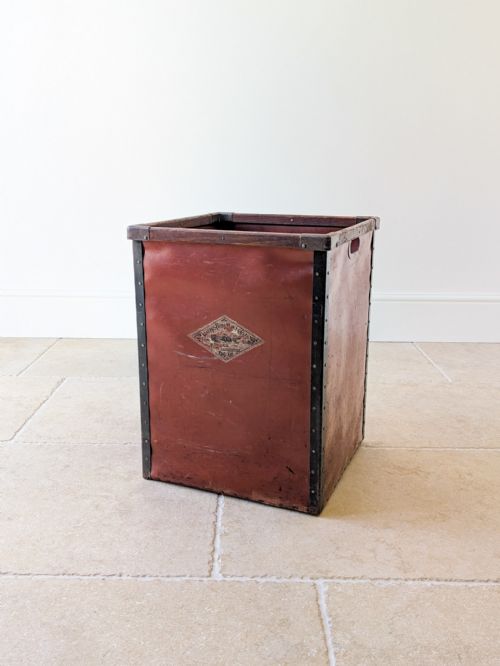
When you search for an edwardian wooden box, you encounter a variety of containers spanning stationery cabinets, jewellery caskets, and games compendiums. The Edwardian period shares shelf space with late Victorian items and pieces from the early twentieth century.
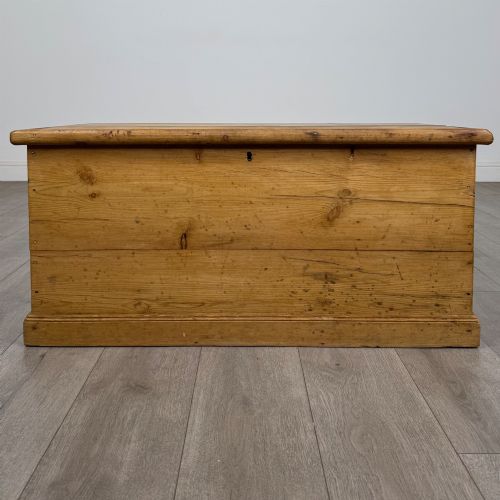
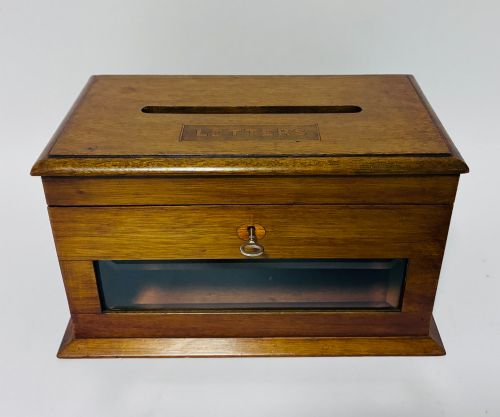
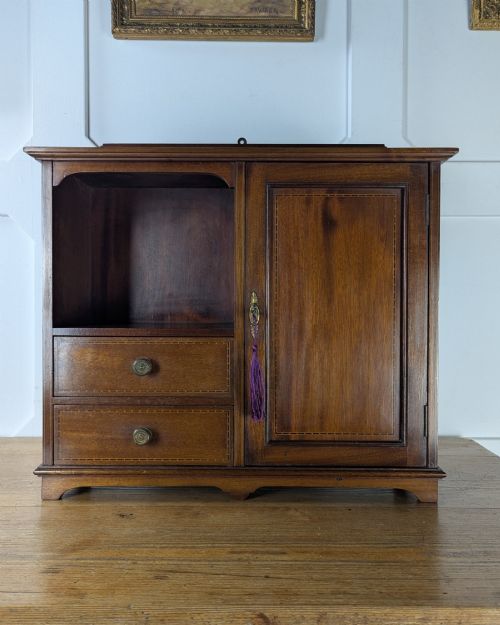
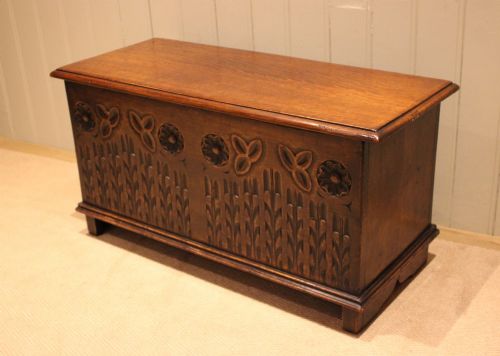
The objects take many forms, including blanket chests, smokers' cupboards, and desktop letter boxes. Oak and mahogany appear most frequently among the listed timbers.
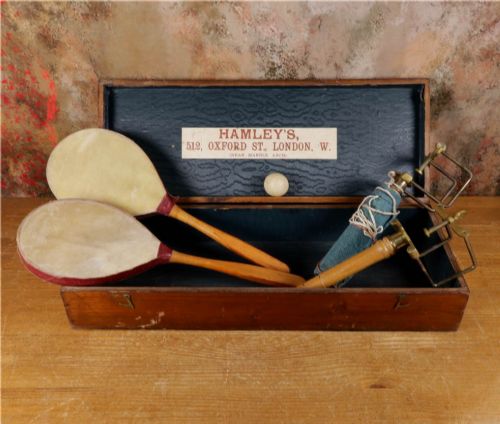
Origins stretch from domestic parlours to military campaigns, yielding items designed for specific tasks like card playing or document storage.
Materials and Construction
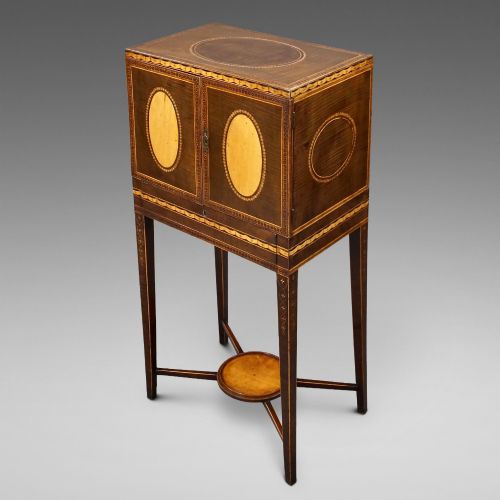
Carpenters utilised solid woods such as oak, mahogany, pine, and satinwood, often accentuating the grain with polished finishes. Inlaid details in contrasting timbers add decorative linear patterns to lids and doors.
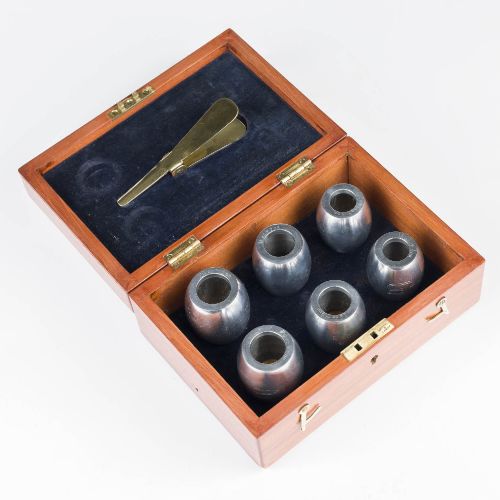
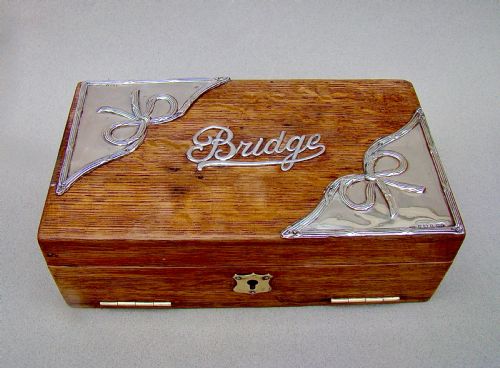
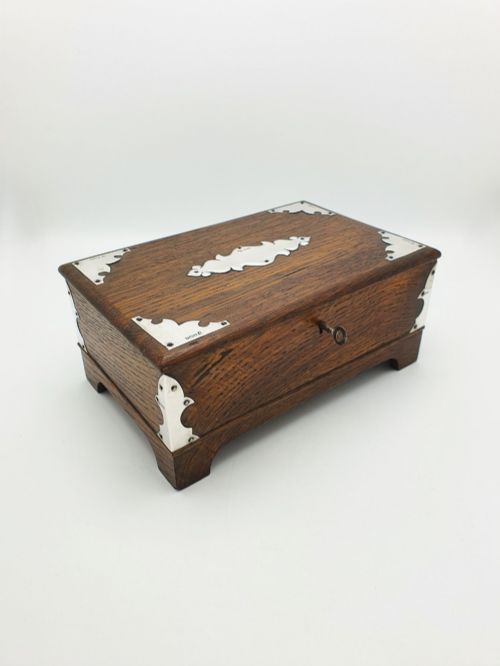
Metal mounts in brass and sterling silver reinforce corners, hinges, and key escutcheons, providing structural strength alongside visual contrast.
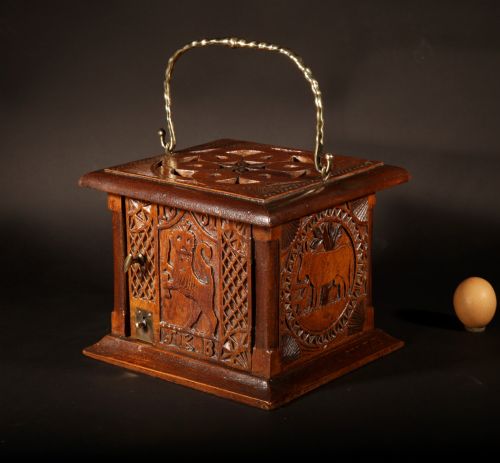
Carving and chip carving techniques appear on panels, while glass inserts serve display cabinets and compartmentalised interiors organise smaller contents.
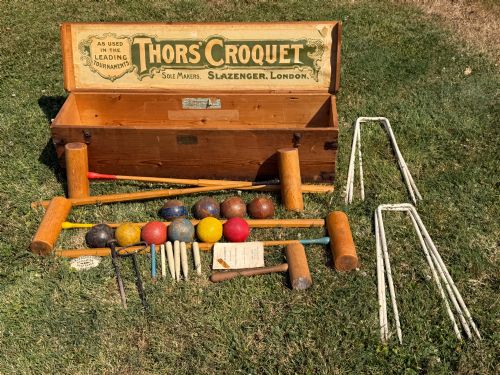
Card players can store their pastime in containers that once held everything from bridge decks to a Royal Navy submarine launching casket.
Craftsmanship and Materials
The distinction between standard containers and superior examples lies in the selection of timber and the precision of the joinery. Figured woods like burr satinwood and karelian birch elevate a piece above plain pine or standard oak.
Fitted interiors with original glass, functioning brass locks, and hallmarked silver mounts indicate higher workshop standards. Integrated carving and careful inlay reflect greater labour investment than plain surfaces.
The integrity of the construction, from flush joints to well-hung doors, determines the longevity and standing of each box.
De Grave Short And Co·Jaques And Hamleys·Levi And Salaman·Slazenger·James Shoolbred And Co
The Edwardian Wooden Box Glossary
- Compendium
- A fitted box containing the equipment for multiple games, such as cards, chess, or dominoes.
- Escutcheon
- A protective metal plate surrounding a keyhole, usually fashioned in brass.
- Campaign
- Portable furniture or boxes constructed for travel, equipped with recessed brass handles and reinforced corners.
- Inlay
- A decorative technique where contrasting strips of wood or metal are inserted into flush cavities on the surface.
- Stationery cabinet
- A desktop box featuring tiered compartments and dividers specifically proportioned for writing paper and envelopes.
Edwardian Wooden Box: Frequently Asked Questions
What fits inside an edwardian wooden box?
These containers hold letters, jewellery, playing cards, and cigars depending on their original internal partitions. Many feature specific slots or racks designed for desk accessories.
Larger blanket chests store textiles, while smaller caskets protect personal valuables and keepsakes.
How do I distinguish Edwardian from Victorian timber boxes?
Edwardian items tend to display lighter mahogany, satinwood, and oak tones with simpler decorative restraint compared to heavier Victorian counterparts.
Victorian pieces often employ darker rosewood, bolder brass binding, and more ornate carved motifs.
Were these boxes used for travel?
Certain forms, particularly campaign pieces in camphor wood or mahogany, were built for military transport with recessed brass handles.
Most items listed remain stationary domestic objects designed for desktops, walls, or parlour tables.
How should I clean a polished wood surface?
Dust the exterior gently with a dry microfibre cloth to remove surface particles without disturbing the polished finish.
Avoid liquid furniture polishes and keep wooden containers away from direct heat sources and sunlight.