


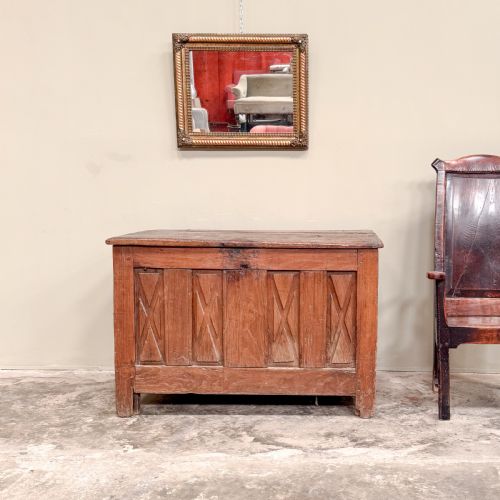
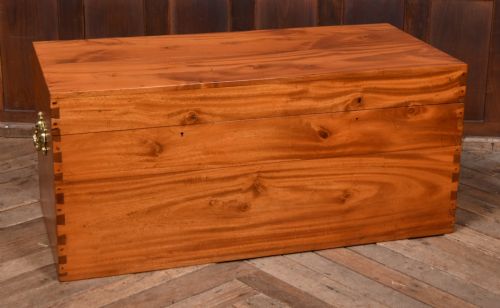
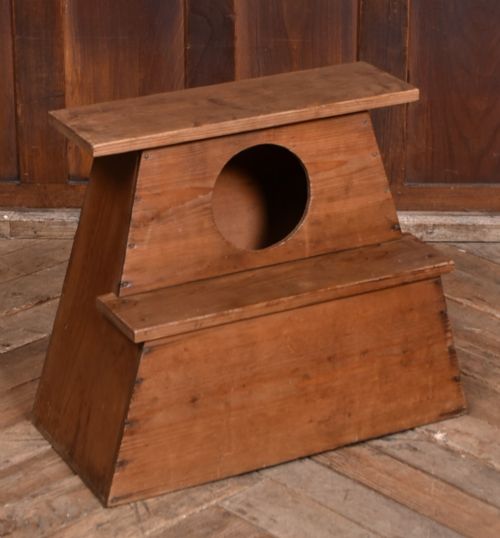
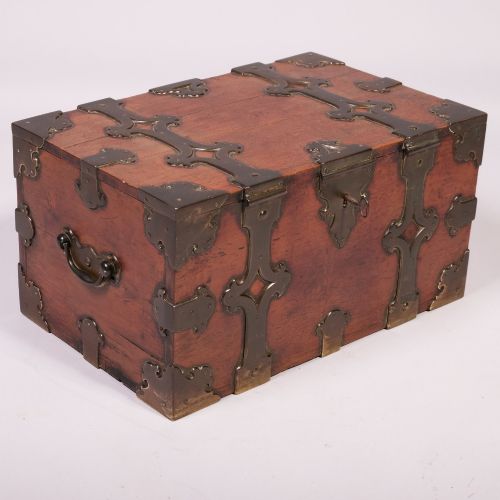
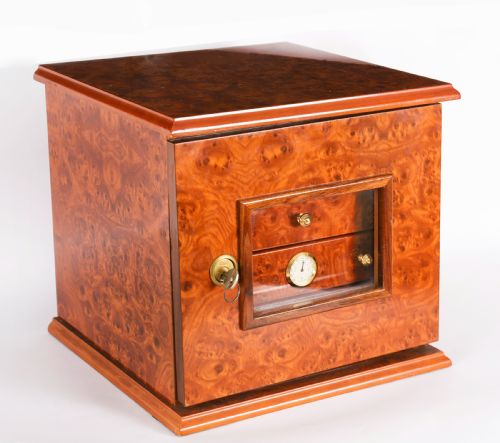
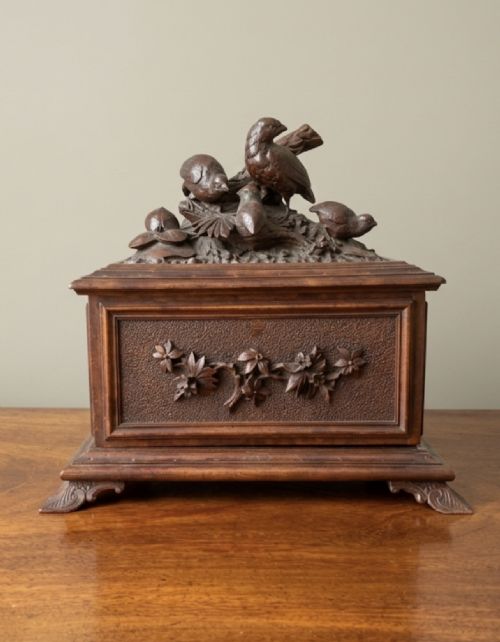
Brown Timber Box
A brown timber box is a fundamental piece of antique storage, offering a tangible link to domestic history through solid oak, mahogany, and camphor wood.
Brown Timber Box
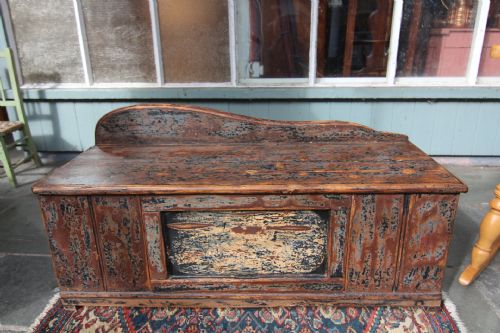
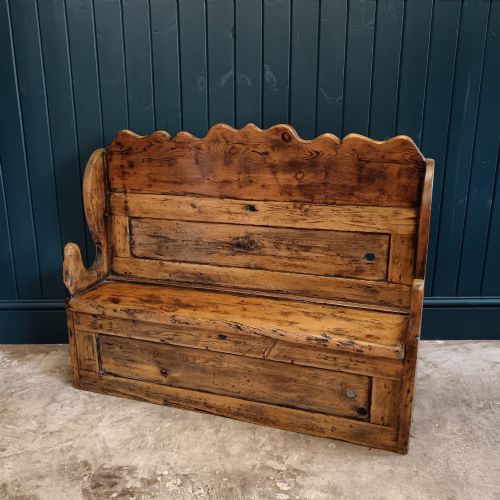
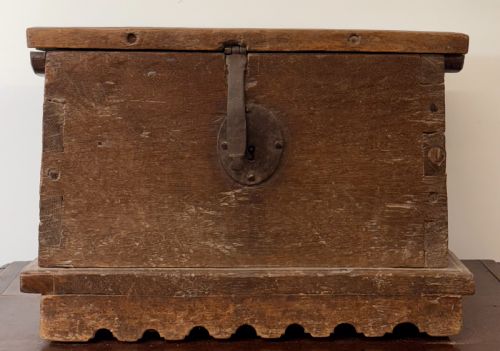
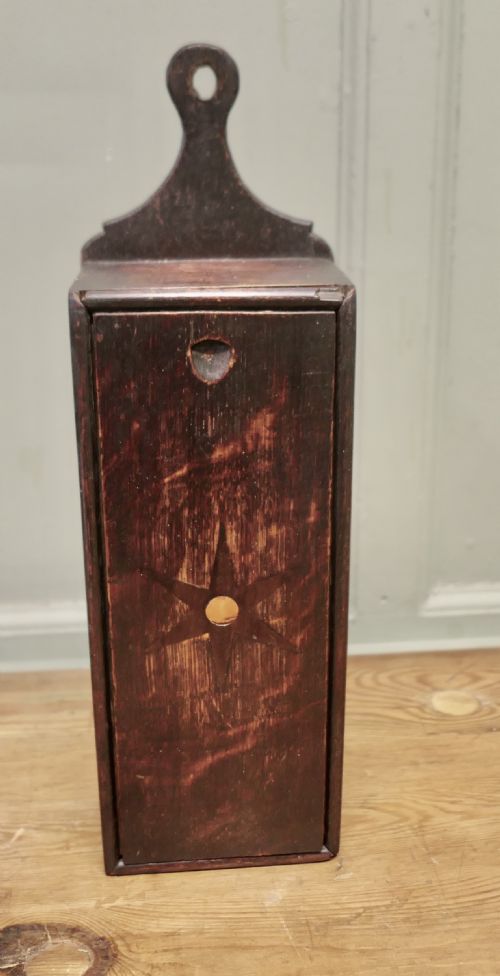
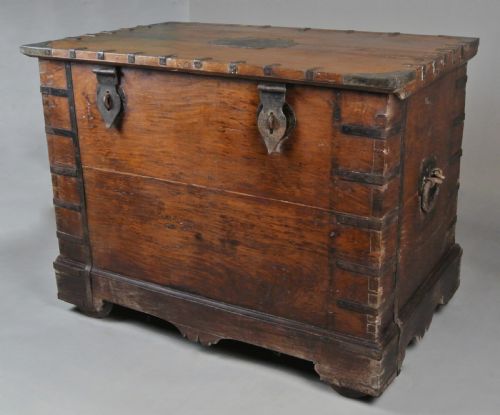
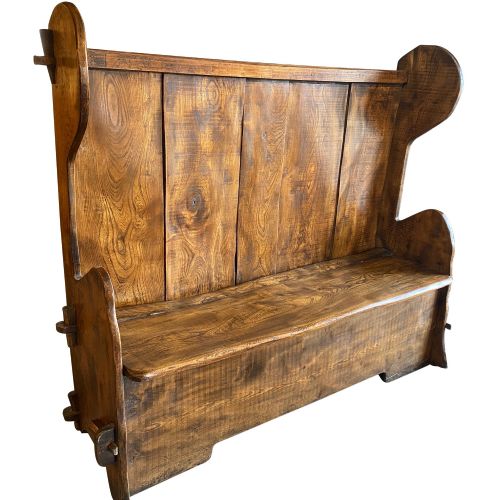
When you search for a brown timber box, you encounter a wide variety of utilitarian and decorative containers spanning several centuries. The selection encompasses small personal items such as tea caddies, snuff boxes, and humidors alongside larger storage vessels like coffers, blanket chests, and dowry chests.
The most common examples you are likely to meet on this page date from the eighteenth and nineteenth centuries, constructed in regional timbers such as oak, elm, and mahogany. These functional objects range from provincial country furniture to finely fitted tabletop boxes designed for specialised domestic use.
Origins vary considerably, with English and continental pieces appearing alongside camphor wood examples associated with travel and trade. Whether small enough for a tabletop or large enough to sit at the foot of a bed, each brown timber box was made to store and protect valued possessions.
Materials and construction methods
Makers utilised the dominant hardwoods available to them, principally oak, mahogany, walnut, and elm, selecting each timber for its grain, strength, and suitability for the intended object. Early regional pieces often rely on joined or six-plank construction using pegged joints, while later examples incorporate dovetailing for drawers and housing joints for smaller caddies.
Hardware played a crucial role in both function and reinforcement, with brass and iron mounts, hinges, and corner brackets securing lids and edges on travel chests and campaign boxes. Surface finishing relied on natural waxes and oils that darkened the timber over time, accentuating the natural figure of burr elm or camphor wood.
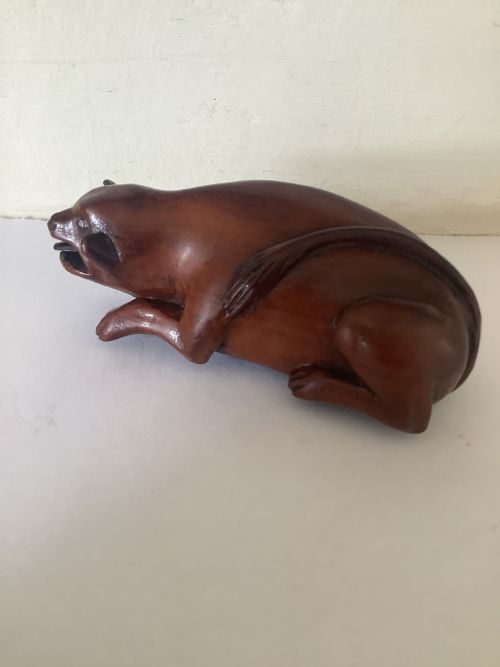
Black Forest carvers delighted in transforming heavy timber into fierce wooden dogs and woodland creatures appointed to guard your tobacco.
Assessing quality in timber boxes
Quality in a brown timber box is fundamentally determined by the selection of the wood and the integrity of its construction. Pieces featuring quarter-sawn oak with prominent medullary rays or finely figured burr elm demonstrate a higher grade of material selection by the maker.
Joinery standards separate standard utilitarian items from superior pieces, visible in the tightness of dovetails, the correct movement of timber across changing seasons, and the retention of original hardware such as brass locks and hinges. Interior fittings, including original paper linings, divided compartments in tea caddies, and working locks with matching keys, elevate the standing of an individual box.
The Brown Timber Box Glossary
- Coffer
- A heavy wooden chest, typically with a hinged lid, used historically for storing valuables and documents. Early examples often feature joined frame-and-panel construction.
- Tea Caddy
- A small container designed specifically for storing dry tea leaves when tea was an expensive commodity. They frequently include fitted interiors with lidded compartments.
- Camphor Wood
- An aromatic timber utilised extensively for campaign chests and maritime boxes because its natural scent repels insects. It is characterised by a distinct grain and pleasant fragrance.
- Treen
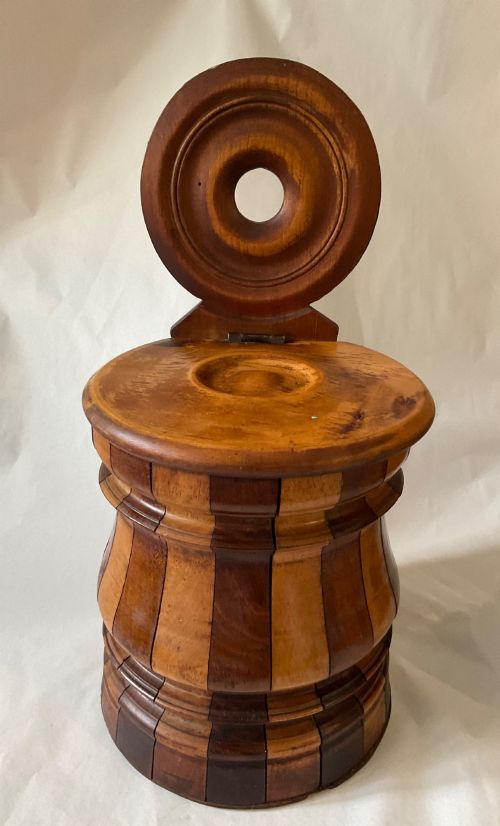
- Small handmade wooden utilitarian objects for the home, turned on a lathe or carved by hand. The category encompasses items such as spice towers and small boxes.
- Humidor
- A specialised box designed to maintain a constant humidity level for the storage of cigars or tobacco. These often feature internal cedar linings and secure brass hinges.
Brown Timber Box: Frequently Asked Questions
What were antique wooden boxes used for?
Antique wooden boxes served a multitude of domestic, travel, and commercial purposes depending on their size and internal arrangement. Smaller caskets and caddies held luxury goods like tea, tobacco, and personal documents, while larger coffers and blanket chests stored textiles and household valuables.
Many specialised forms existed for specific trades or pastimes, ranging from apothecary chests to writing slopes and tool boxes. Their solid construction ensured that contents remained protected from dust, moisture, and pests during daily use or long journeys.
How do I tell an 18th-century box from a 19th-century one?
Distinguishing between eighteenth and nineteenth-century pieces relies on observing construction techniques, tool marks, and hardware styles. Earlier boxes often display hand-sawn board edges, pegged joinery, and forged iron or early brass hinges that reveal the hand of an individual craftsman.
By contrast, nineteenth-century examples frequently incorporate more uniform machine-sawn timber, precise machine-cut dovetails, and standardised brass hardware. Examining the underside and interior surfaces often reveals the transition from bespoke workshop production to more commercial manufacturing methods.
How should I care for antique timber?
Maintaining antique timber requires keeping boxes away from direct heat sources and drastic fluctuations in humidity, which can cause the wood to split or warp. Placing them away from radiators and direct sunlight preserves the stability of the wood and the integrity of the original polish.
Applying a traditional microcrystalline wax occasionally helps nourish the surface and protect the finish without building up heavy residues. Gentle dusting with a dry, soft cloth is sufficient for routine maintenance.
What is a campaign chest?
A campaign chest is a portable set of drawers or a box designed to be easily dismantled and transported by military officers on active service. They are typically made from durable timbers such as camphor wood or mahogany, reinforced with brass corners and flush recessed carrying handles to withstand rough travel.
These pieces break down into sections for transport, often featuring removable feet and specialised internal compartments. Their clever engineering and robust build quality make them practical items for modern interiors.