




Edwardian Wooden Bench Sofa
An edwardian wooden bench sofa brings architectural presence and versatile seating to a room, drawing on classical revival and arts and crafts traditions.
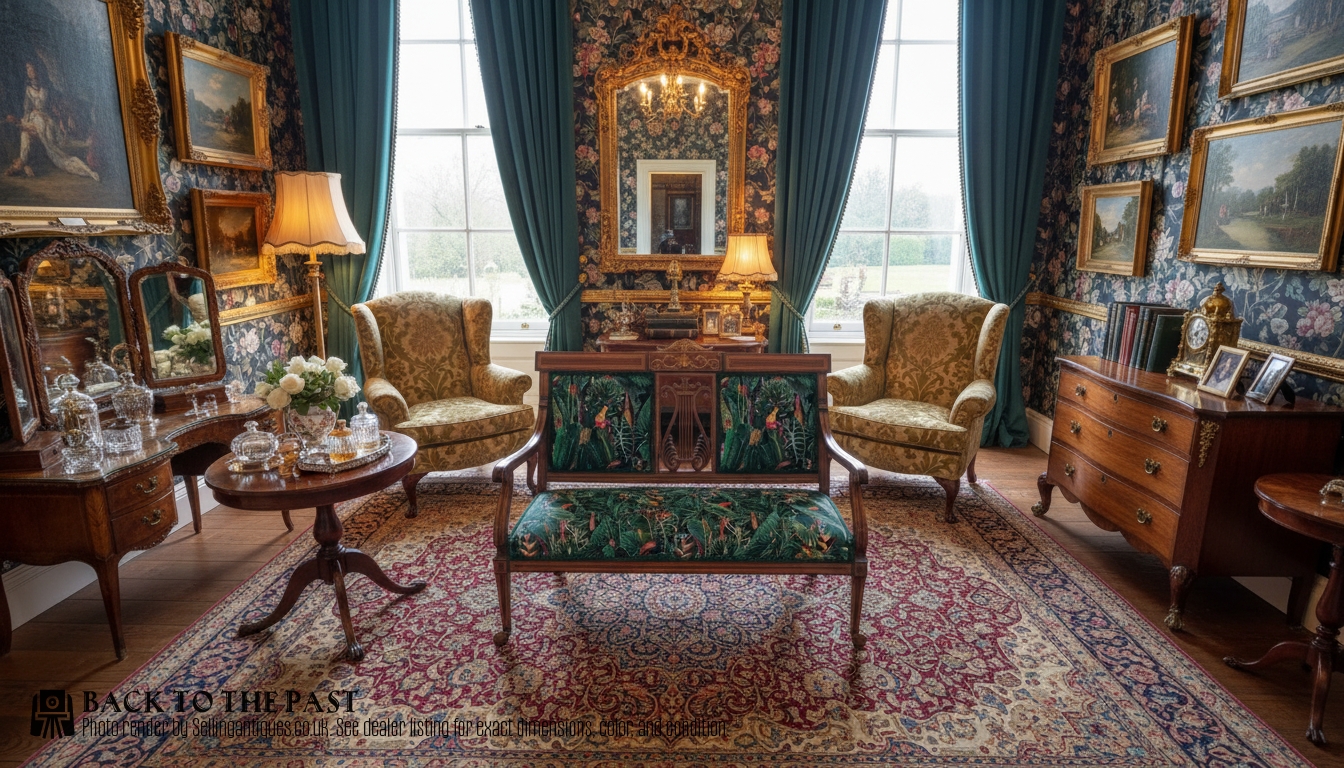
Edwardian Wooden Bench Sofa
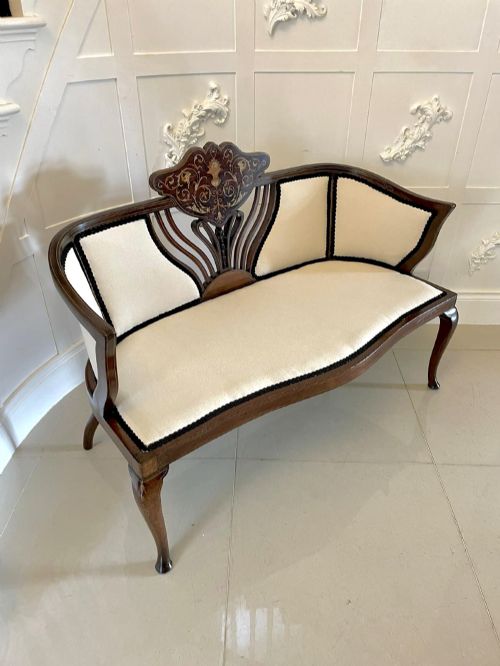
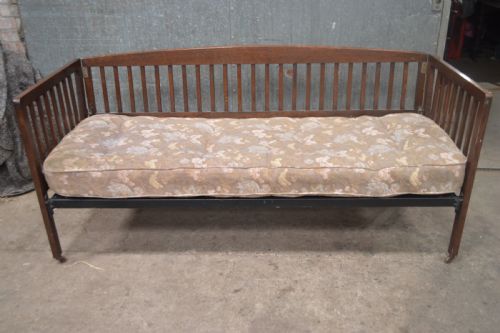
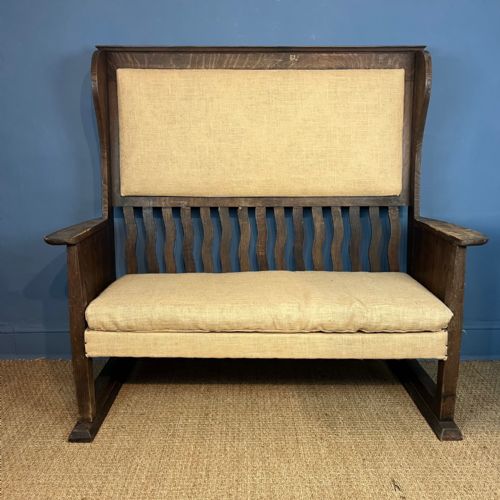
An edwardian wooden bench sofa bridges formal salon seating and domestic comfort, appearing across periods from the late nineteenth century through the nineteen-twenties. These pieces take many forms, including settees, window seats, day beds, and settles.
Mahogany frames dominate the selection, often enriched with satinwood inlay or painted decoration, while oak examples reflect arts and crafts and regional traditions. Buyers will regularly encounter two-seater salon settees alongside caned day beds and bentwood loveseats.
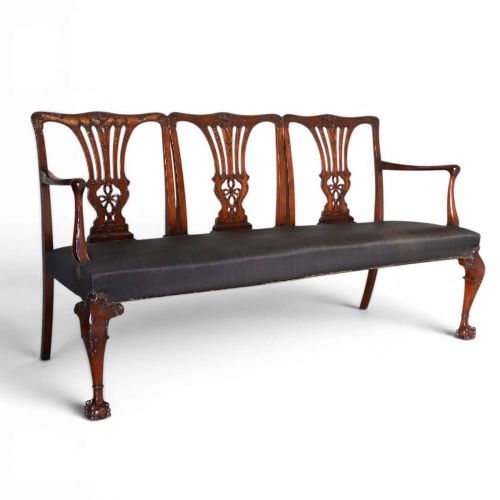
The aesthetic reaches from restrained victorian and edwardian iterations to specific revivals such as chippendale, sheraton, and louis xvi designs. Variations span simple hall seats to elaborately carved parlor sofas.
Materials and Construction
Cabinetmakers constructed these frames primarily from solid mahogany and oak, frequently applying delicate satinwood inlay or painted surfaces to enrich the timber. Beech and walnut also appear in specific regional or bentwood forms.
Upholstered elements rely on traditional fabric, velvet, and canework, supported by turned or fluted wooden legs and brass fittings. Steam-bending techniques shaped particular frames, while carved backs utilised traditional joinery.
Listings feature items spanning the nineteenth century through the nineteen-twenties, incorporating mahogany, oak, satinwood, and beech.
Craftsmanship and Proportion
Superior examples demonstrate meticulous joinery in the carved or inlaid wooden frames, where inlay work remains crisp and secure within the timber. Fine proportion in the back design and leg turning distinguishes a high-grade salon piece from utility seating.
The integrity of the original wood grain, the precision of painted details, and the preservation of authentic canework or upholstery structure separate workshop masterpieces from ordinary production.
The Edwardian Wooden Bench Sofa Glossary
- Settee
- A long upholstered seat for more than one person, often featuring a decorative wooden back. These pieces served primarily in parlours and reception rooms.
- Settle
- A wooden bench with high back and arms, traditionally used in hallways or large rooms to block draughts. They frequently incorporate panelled or carved woodwork.
- Satinwood Inlay
- Decorative contrasting wood veneer inserted into the primary timber surface to create geometric or floral patterns. This technique defines many formal salon pieces.
- Canework
- Woven cane material utilised for chair and sofa seats or backs, offering a lightweight and flexible surface. It appears on various edwardian and french-influenced frames.
- Bentwood
- Wood softened by steam and bent into curved structural forms, famously utilised by makers like thonet for resilient seating frames. This technique created light, strong frames.
Edwardian Wooden Bench Sofa: Frequently Asked Questions
Where should I place an edwardian wooden bench sofa?
These pieces suit hallways, bedrooms, or living spaces where a lighter seating profile is desired. Their compact dimensions allow them to function effectively as window seats or occasional lounge furniture.
Consider the surrounding timber tones and existing period pieces to ensure visual harmony within the room.
How do I care for wooden frames and upholstery?
Maintain timber surfaces with appropriate wax or polish to preserve the grain and prevent the wood from drying out. Protect inlaid sections and painted decorations from direct sunlight.
Vacuum upholstered or caned areas gently and address any structural wear with traditional conservation methods.
What is the difference between a settee and a day bed?
A settee provides upright seating for multiple people with a defined backrest and arm supports. They were designed for formal conversation and daily sitting in reception spaces.
A day bed incorporates a lengthened surface for reclining, functioning as both a seat and a resting place. Fold-down mechanisms sometimes offer adjustable configurations.
How can I identify an arts and crafts style piece?
Arts and crafts designs emphasise visible construction, honest materials like oak, and minimal ornamentation. They often reflect regional workshops or school movements rather than classical revivals.
Look for sturdy rectilinear frames, subtle chamfering, and a focus on utility over decorative inlay.