



Edwardian Wood Games
Edwardian wood games bring together folding tables, boxes, and boards crafted from mahogany, rosewood, and walnut for parlour entertainment.
Edwardian Wood Games
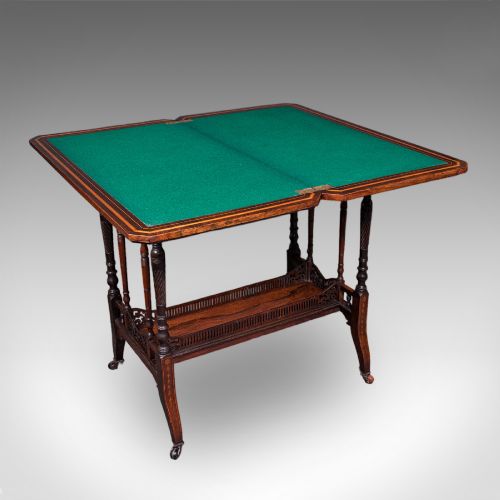
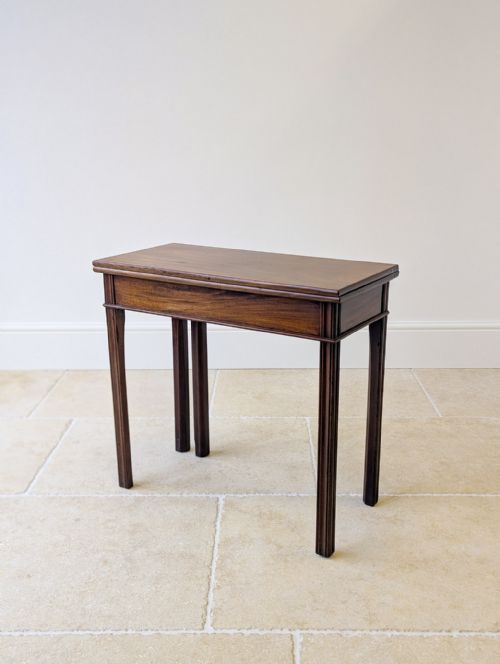
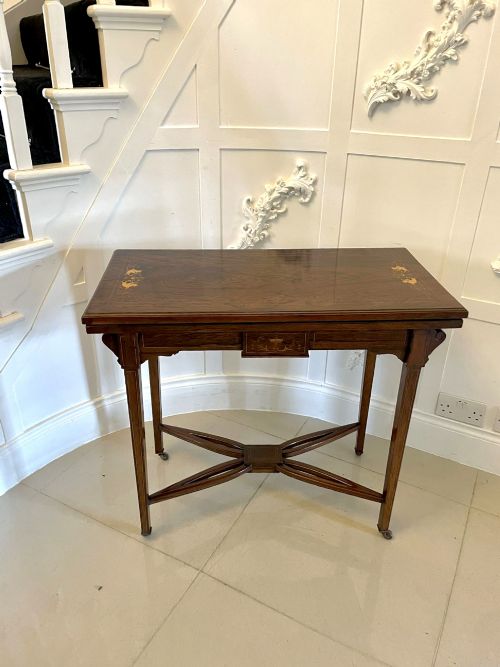
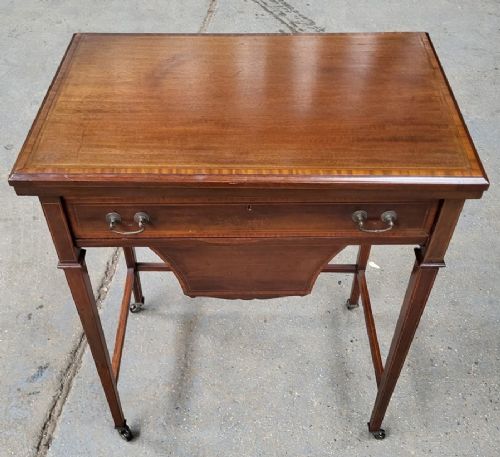
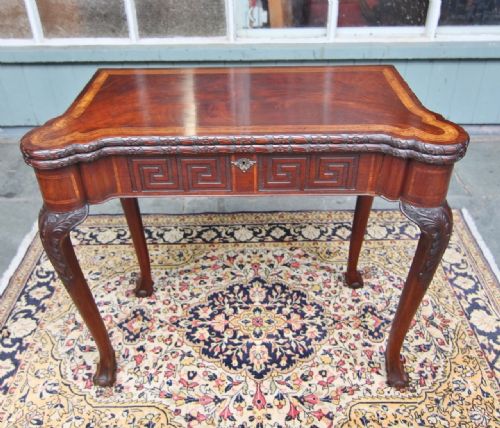
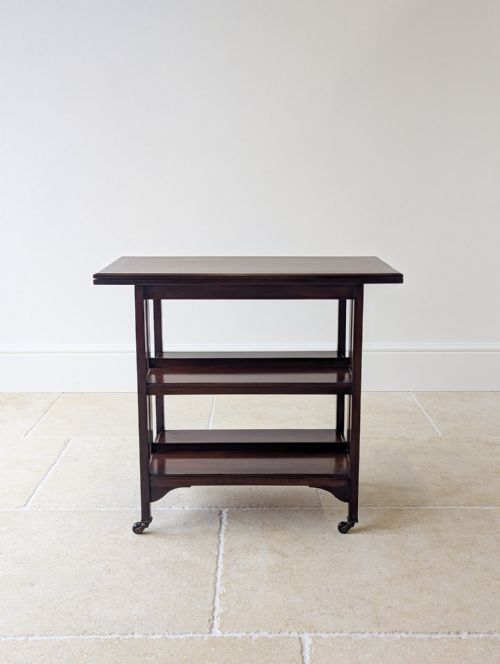
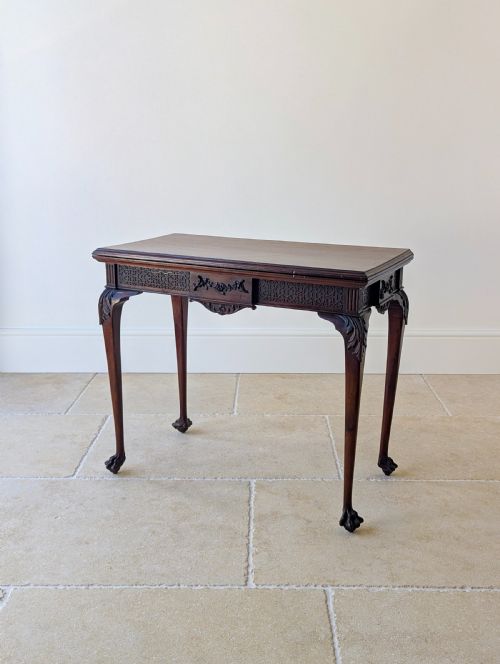
When you search for edwardian wood games, you encounter a selection of tables and equipment designed for domestic pastimes, with envelope card tables in mahogany and rosewood most frequently meeting your search.
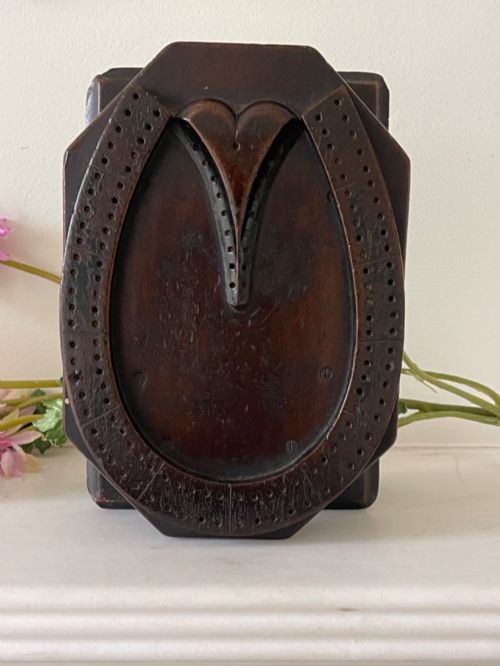
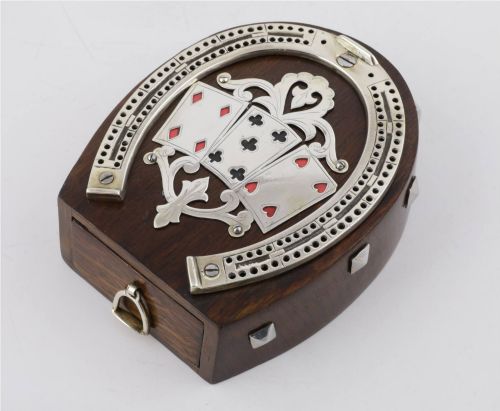
The objects span folding card tables, games boxes, roulette wheels, and chess sets, reflecting the active social life of the period.
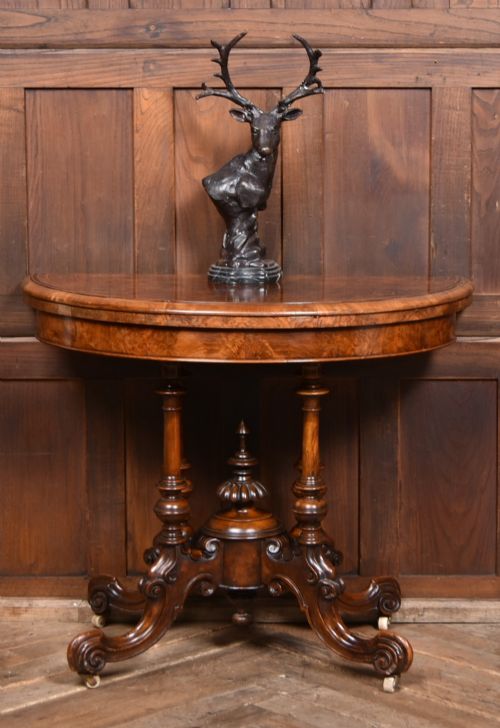
While Edwardian pieces form a core part of the selection, earlier nineteenth century and Georgian items appear alongside them to offer variety in timber and form.
How they were made
Cabinet makers utilised dense hardwoods such as mahogany, walnut, and rosewood, often enhancing plain surfaces with satinwood inlay, brass mounts, and boxwood stringing.
Table mechanisms relied on clever pivoting tops, fold-over leaves, and expanding envelope folds to conceal baize-lined playing surfaces when not in use.
Edwardian Wood Games Retail Price Guide 2026
Typical asking prices for edwardian wood games among the pieces listed under this phrase on Sellingantiques today, from the lower quarter to the upper quarter. They describe what is for sale here now, not the wider market.
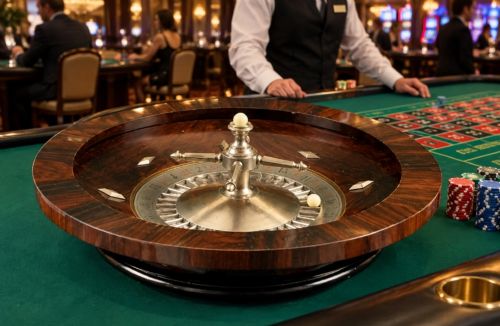
A solitary roulette wheel sits among the card tables, proving that Victorian and Edwardian parlours occasionally doubled as high-stakes casinos.
What varies in quality
The standard of timber selection and the precision of the inlay work dictate the hierarchy of these pieces, alongside the smoothness of the mechanical folding mechanisms.
Richer figuring in burr walnut or rosewood veneers and well-preserved baize linings separate standard items from finer workshop productions.
Edwards & Roberts·Howard & Sons Ltd·Gillows
The Edwardian Wood Games Glossary
- Envelope card table
- A square table with four triangular flaps that fold over each other like an envelope to reveal a baize-lined surface. The clever folding action makes it a space-saving parlour piece.
- Baize
- A coarse woolen fabric, typically green, used to line the playing surfaces of card and games tables. It provides a soft texture that protects playing cards and dampens the sound of dice.
- Inlay
- A technique where pieces of contrasting wood, such as satinwood or boxwood, are inserted into depressions in the primary timber to create decorative patterns. This adds visual depth to table tops.
- Cross banded
- A border of veneer applied around the edge of a table top so that the grain runs perpendicular to the central panel. This frames the primary timber and adds a refined finish.
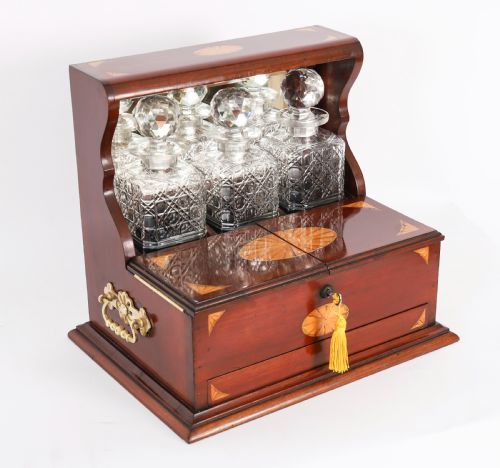
- Tantalus
- A locking wooden stand that holds decanters securely while displaying their contents through a wooden framework. It prevents unauthorized access to spirits during social gatherings.
Edwardian Wood Games: Frequently Asked Questions
What are envelope card tables?
Envelope card tables feature four triangular leaves that pivot and fold outward to create a square playing surface. They became popular in the late nineteenth and early Edwardian periods for domestic card games.
Beneath the folding leaves, these tables frequently incorporate a small drawer for storing cards and counters. Their compact closed form made them versatile furniture for smaller drawing rooms.
How were games tables used?
Games tables served as multi-functional furniture in Victorian and Edwardian homes, functioning as side or tea tables during the day. In the evening, the tops folded or swiveled open to accommodate card games, chess, or draughts.
The inclusion of baize linings provided a suitable texture for shuffling cards and moving wooden gaming pieces without damaging the polished wood underneath.
How do I care for wooden games tables?
Keep wooden games tables away from direct sunlight and heat sources to prevent the timber veneers from drying out and cracking. Regular dusting with a soft, dry cloth preserves the polished surface.
Protect the baize playing surfaces from moisture and direct sunlight to maintain their colour and texture over time. Avoid placing heavy objects on folding leaves to prevent strain on the pivoting hinges.
How can I tell Edwardian pieces apart?
Edwardian wood games often display lighter satinwood inlay, boxwood stringing, and simpler neoclassical revival motifs compared to earlier Victorian designs. They frequently utilise mahogany or walnut with a brighter finish.
Earlier nineteenth century pieces tend to feature heavier rosewood construction and more robust carving. Examining the secondary timbers inside drawers and underframes also helps determine the period.