


Edwardian Wood Box
An Edwardian wood box brings utilitarian grace to a room, offering clever storage fashioned from oak, mahogany, or satinwood.
Edwardian Wood Box
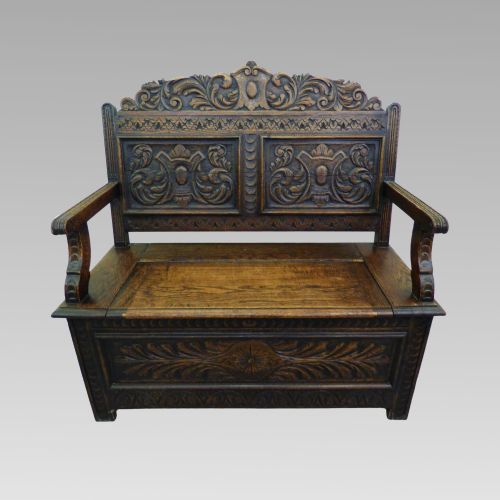
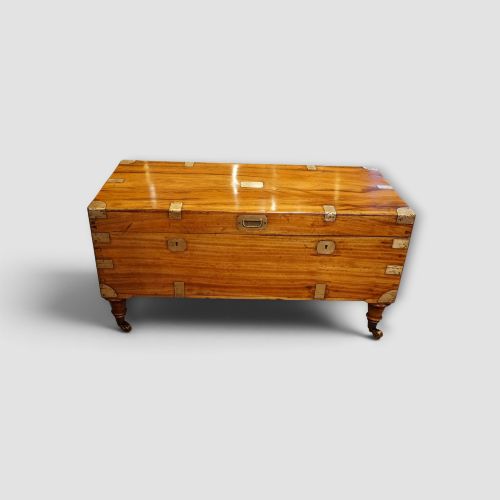
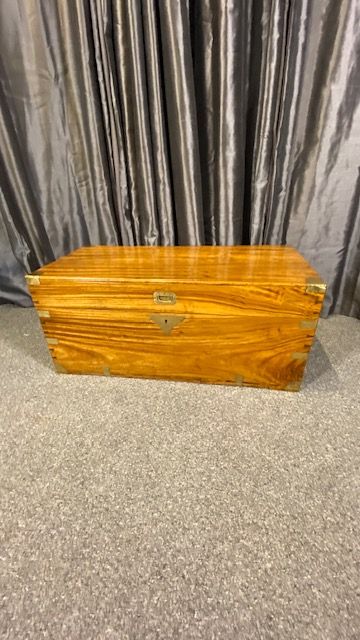
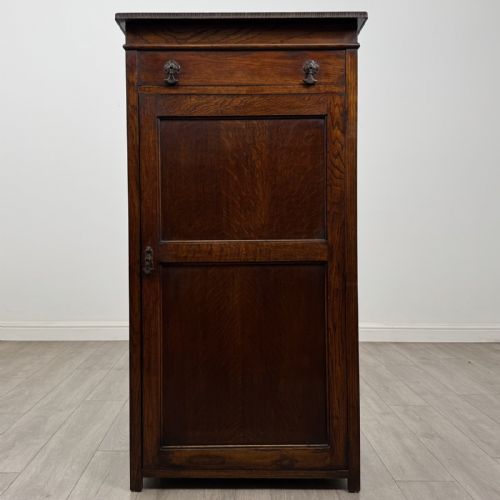
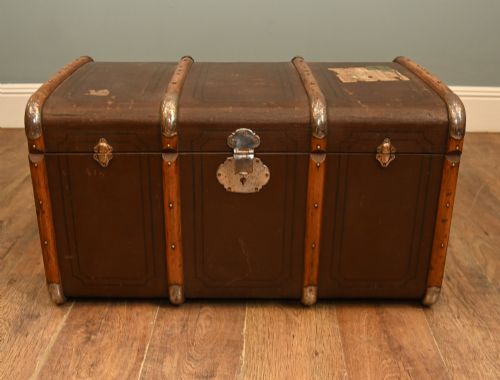
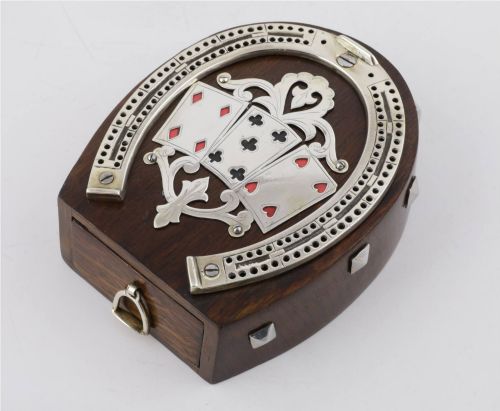
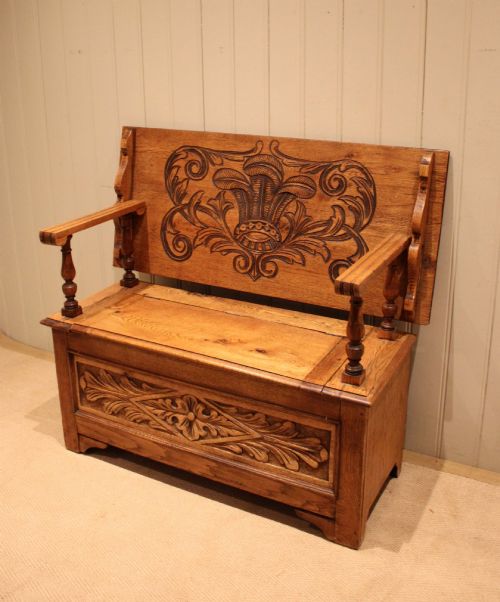
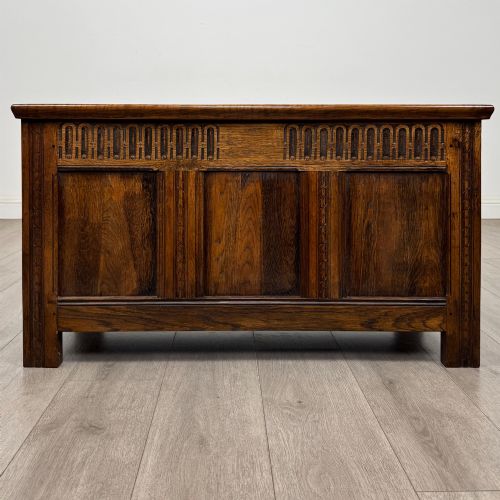
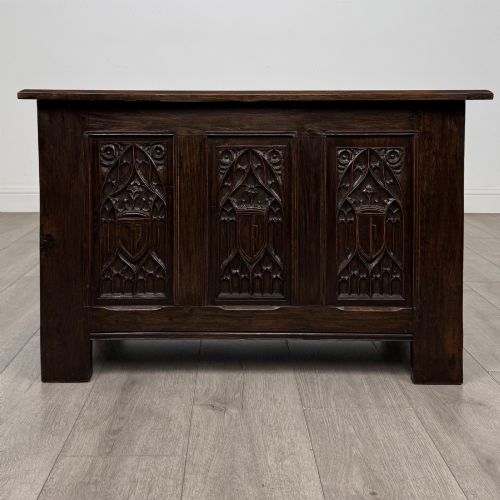
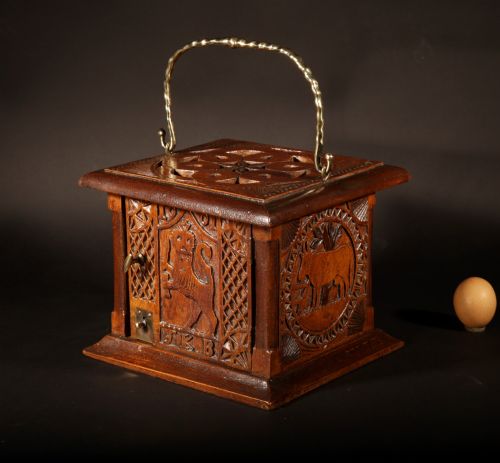
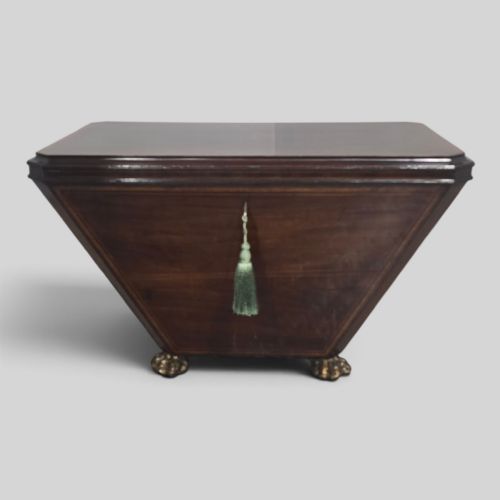
When you search for an edwardian wood box, you encounter a diverse selection of receptacles created around the turn of the twentieth century, ranging from games compendiums and stationery cabinets to blanket chests and coal scuttles. The period pieces on this page also draw from surrounding eras like the late nineteenth century and the nineteen-twenties, incorporating styles such as Arts and Crafts, Gothic Revival, and English Country House.
The objects span practical household containers and decorative display pieces, reflecting the domestic habits of the era. Oak and mahogany dominate the offerings, often enhanced by satinwood inlay, brass fittings, and chip carving.
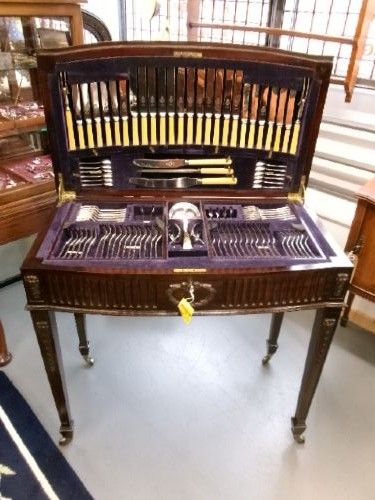
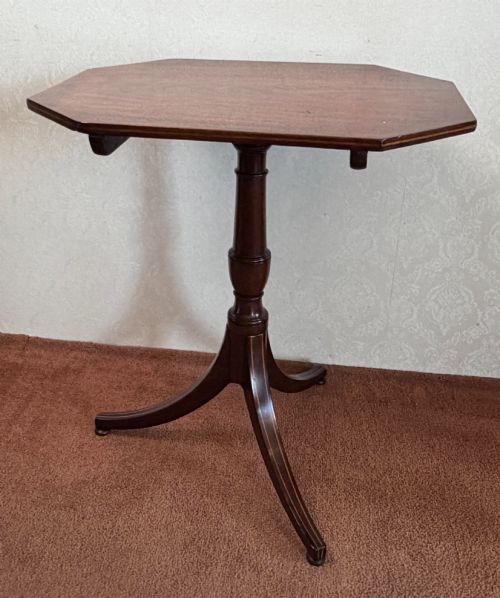
Buyers will find items intended for specific pastimes and desk management, alongside larger storage trunks and display tables incorporating concealed compartments or lift-up lids. These survivors of the Edwardian era balance utility with traditional craftsmanship, serving modern interiors as focal points or functional storage.
How they were made
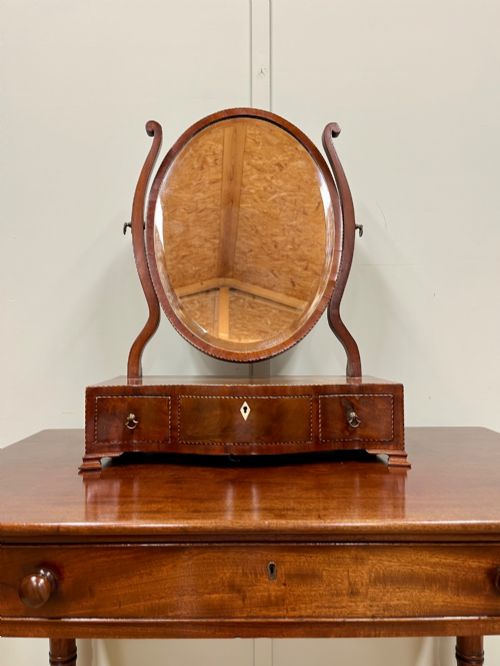
Cabinet makers of the period relied on solid timber and rich veneers, frequently pairing oak or mahogany with contrasting satinwood inlay. Brass hinges, handles, and lock plates provide both structural reinforcement and decorative contrast against the polished grain.
Construction techniques visible across these listings include dovetail joints on drawers, chip carving on panels, and cross-banding. Surfaces were finished to highlight the natural qualities of the wood, sometimes supplemented by painted details or fitted interiors designed for specific functions like games or stationery.
Edwardian Wood Box Retail Price Guide 2026
Typical asking prices for edwardian wood box among the pieces listed under this phrase on Sellingantiques today, from the lower quarter to the upper quarter. They describe what is for sale here now, not the wider market.
One listed piece is a carved wooden poodle tobacco jar waiting patiently on a shelf.
What varies in quality
The distinction between standard utility items and finer pieces lies in the precision of the joinery and the selection of timber. Superior examples feature carefully matched veneers, intricate inlay work, and robust original brass hardware rather than mass-produced stamped metal.
Design ambition also separates the ordinary from the exceptional, as seen in bespoke items featuring specialised compartments, clever sliding mechanisms, or distinctive carved motifs executed by skilled hands.
Edwards and Roberts·A. F. Lloyd, Bideford·James Shoolbred and Co.
The Edwardian Wood Box Glossary
- Stationery cabinet
- A desk accessory featuring tiered internal compartments and pigeonholes for organising writing paper and envelopes. These often incorporate hinged writing slopes or lockable doors.
- Satinwood
- A lustrous timber native to India and Ceylon, prized for its golden yellow colour and gentle sheen. It was frequently used for fine stringing, banding, and veneering on mahogany furniture.
- Games compendium
- A multi-functional box containing equipment for various pastimes such as cribbage, chess, and card games. They often utilise clever folding boards and specialised internal trays.
- Tantalus
- A locking wooden frame holding decanters securely in place while displaying their contents through a wooden bar. It allowed hosts to supervise the distribution of spirits.
Edwardian Wood Box: Frequently Asked Questions
What was an Edwardian purdonium used for?
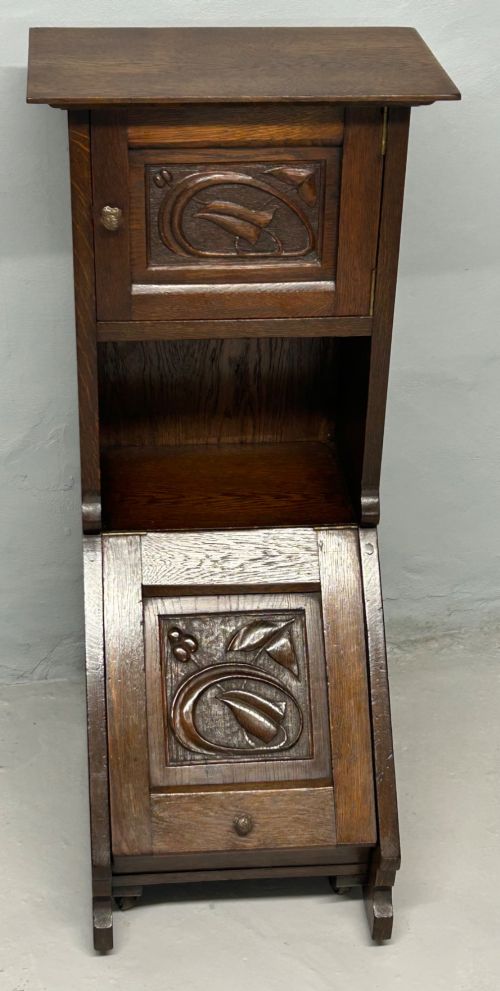
A purdonium served as a decorative household coal box positioned beside the hearth. It kept coal contained and out of sight while offering tidy storage for a matching shovel.
Inside, a removable metal liner caught coal dust and made refilling and cleaning straightforward without damaging the surrounding wood.
How do I identify Edwardian wood boxes?
Edwardian pieces often feature lighter woods like satinwood or polished mahogany, frequently embellished with delicate stringing and brass hardware. Their design borrows heavily from earlier Victorian solidity while introducing cleaner lines and simplified decorative motifs.
Examining the interior linings, lock mechanisms, and construction methods will help distinguish pieces made around nineteen hundred from later reproductions.
Where can I use a games box today?
A vintage games box makes a striking coffee table accessory or a functional storage container for modern playing cards and small items. Placing it on a side table keeps recreational items accessible while adding period character to a room.
Many of these boxes feature compartmentalized interiors that easily adapt to holding modern trinkets, keys, or accessories.
Are these boxes made of solid wood?
The listings on this page include items constructed from solid timbers like oak and fruitwood, alongside pieces utilising high-quality mahogany or satinwood veneers over a stable secondary wood base. Cabinet makers used veneers to display striking grain patterns that would be unstable if carved from a single board.
Examining the edges and joints reveals the construction method, confirming whether the piece is solid timber or veneered.